6 Sources
[1]
Is Apple Finally Ready to Refresh Its Smart Home Devices, Launch a Home Hub?
(Credit: Timon Schneider/SOPA Images/LightRocket via Getty Images) Apple's long-awaited refreshed Siri AI will be at the heart of three new smart home gadgets, according to a new report from Bloomberg's Mark Gurman. One device is a new product category: a smart home hub set to host the improved assistant, plus refreshed versions of Apple TV and the six-year-old HomePod Mini smart speaker. Sources with knowledge of the matter tell Gurman the three new devices are all nearly ready for launch. The hub reportedly uses a 7-inch square display with built-in facial recognition tech to know who's using it, where they are in the room, and tailor what it shows. For example, if the home hub has access to multiple people's calendars, it may be able to identify you, so it shows the correct information rather than what appears for others in your home. The report also notes that it can resize text depending on how far away you're standing. The as-yet-unnamed home hub reportedly runs on a new operating system based on Apple's tvOS platform, but with design elements similar to watchOS and iOS. The report says there are grids of icons, widgets, and apps to interact with. Other features include controls for smart home appliances, FaceTime video calls, photo viewing, and music playback. The device sounds similar to other smart home hubs, such as Amazon's Echo devices or Google's Nest Hub series. Gurman also says to expect a new version of the Apple TV set-top box with an improved processor, and an anticipated sequel to the HomePod mini with similar internal upgrades ready to handle more Siri functionality. Both devices are reportedly set for release this fall, so each may be announced alongside the rumored iPhone 18 Pro series and iPhone Ultra in September. However, the home hub device may launch later, with Gurman giving a window between October 2026 and early next year. If it launches in October, it may join a rumored iPad mini with improved water resistance.
[2]
Apple's smart home lineup was ready. Siri held it back.
A new Apple TV 4K, a refreshed HomePod mini, and a Siri AI hub are reportedly close. European buyers may get the boxes without the assistant that justifies them. Apple is preparing a push into the smart home with a new Apple TV 4K, an updated HomePod mini, and a hub device built around its rebuilt Siri, Bloomberg's Mark Gurman reported on Tuesday. The hardware for the first two has reportedly been finished for months and is already being tested by Apple employees on the Cupertino campus. That detail is the story. Apple did not have a hardware problem, it had a software one, and the entire lineup sat waiting on an assistant that kept slipping. What is coming The new Apple TV 4K keeps the current form factor but replaces the ageing A15 with an A17 Pro or better, enough to run Apple Intelligence and Siri AI. The current box supports no Apple Intelligence features at all, so the chip upgrade is what makes the rest of the strategy possible. It is also expected to gain more RAM and Apple's N1 networking chip, bringing Wi-Fi 7, Bluetooth 6, and Thread. The HomePod mini is a more conservative refresh, with a faster chip, an upgraded ultra-wideband chip, new colours, and no new form factor. The hub is the ambitious part The long-delayed smart home hub is reportedly an iPad-like device with a seven-inch square display, offered with either a wall mount or a speaker base whose hemispherical dome recalls the iMac G4. Rumoured pricing sits around $350. It would carry a camera for video calls, facial recognition, and presence detection, and run Safari, Calendar, Photos, and Home alongside Siri AI. Apple is also reportedly designing its own security camera, potentially this year, as iOS 27 brings 4K recording, AI summaries, and cross-camera event stitching to HomeKit Secure Video. Why it took this long Apple finally shipped its AI do-over at WWDC in June, unveiling Siri AI as a standalone app with personal context, multi-step commands across apps, and a three-tier privacy architecture. Public release is projected for September, which is what unlocks the hardware. The rebuilt assistant is not entirely Apple's own. Siri now runs on a custom Gemini model of roughly 1.2 trillion parameters, licensed from Google in a deal reported at around $1 billion a year, with simple tasks staying on-device. Some of the promised capability is still missing. Apple built a third-party AI extensions system for Siri and then declined to show it at WWDC, leaving open how much of the assistant's app integration will exist at launch. The European problem There is a complication for anyone buying this hardware in the EU. Siri AI will not be available on iPhone or iPad in the European Union when iOS 27 ships, and this time Apple has given no timeline. That leaves European customers facing a smart home lineup whose central selling point is an assistant they cannot yet use. A faster Apple TV is still a faster Apple TV, but the case for the hub in particular rests almost entirely on Siri AI. The competitive position Apple is arriving late to a market that reorganised without it. Amazon and Google spent years expanding Alexa and Google Assistant into broader AI ecosystems while HomePod and Siri largely stood still. The interoperability question has also moved on. Matter-certified devices now work across Apple, Google, Amazon, and Samsung ecosystems without extra configuration, shifting competition from device compatibility towards software quality and assistant capability. That shift should favour whoever has the best assistant. It is not obvious that Apple can claim that, having licensed its frontier model from a direct competitor in the smart home market. When it might land The Apple TV 4K and HomePod mini could arrive as soon as September, potentially alongside the iPhone launch. Apple often holds a second autumn event, usually for iPads or Macs, and a home-focused October event is a plausible alternative given how many devices are queued. None of this is confirmed. Apple has not announced any of these products, timelines have slipped repeatedly before, and the reporting rests on people familiar with plans that Apple itself has changed more than once.
[3]
Apple Might Finally, Actually (For Real) Launch a Smart Home Hub
After years of rumors about Apple's big smart home push, we might finally see some results. According to Bloomberg's Mark Gurman, Apple is readying new hardware for launch as soon as this fall, and that includes the company's first-ever smart home hub. The hub -- a Siri-powered device with a screen -- is expected to be accompanied by a revamped HomePod Mini as well as a new set-top box, all of which are slated for launch between October and early next year. While rumors have been swirling about Apple's entry into the home hub category since 2022, recent reports may hold more water thanks to the introduction of Siri AI, Apple's recently launched Siri upgrade that's infused with a large language model. As Bloomberg notes, the home hub is expected to rely on Siri AI, which was delayed multiple times after being unveiled in 2024. With that ship on course, new hardware may finally follow. The smart home hub is expected to have a 7-inch screen and will run software that looks similar to watchOS and iOS. Features will reportedly include FaceTime, home security monitoring, and an intercom tool for people who have more than one Apple smart home device. One of the headlining features is expected to be facial recognition, which allows the hub to recognize a person's face and then customize the display accordingly. That could include specific calendars, notifications, and even changing the size of the text on the display. There will reportedly be two versions of Apple's hub, one of which looks like a "HomePod Mini cut in half," with the other designed to be fixed to the wall. As for the new Apple TV set-top box and HomePod Mini, the features appear to be a little less exciting. Both devices will come with better processors to handle Siri AI and will cost $199 and $129, respectively. The smart home hub is clearly the most exciting of all these potential devices, but it'll likely only be as useful as Siri AI allows. The good news on that front is that initial reviews would suggest that Apple's delays and time spent honing the new Siri have actually paid off, so for now you can color me cautiously optimistic.
[4]
Apple's big Siri AI-powered smart home hub is nearly here
HomePad will offer FaceTime, smart home control, and facial recognition, with future plans including a security camera and premium hub with robotic arm. Apple has been planning a resurgence into the smart home market for some time. But, according to multiple reports over the years, Siri has always been the holdup -- the initial Apple Intelligence push didn't deliver, and the company had to rethink its entire "new Siri" approach. With the OS 27 updates, we're getting Siri AI, and it's finally a modern, useful, smart AI assistant. Apple still has plenty of work to do, but this new Siri finally makes the leap from an old-style phone assistant to a modern multi-device LLM-based AI chatbot. Now that Siri is finally on the right track, Apple is finally able to release some of the smart home products it has been working on for a while. According to a new report from Mark Gurman at Bloomberg, Apple is sitting on three products that are very nearly ready to release. Two are updated versions of existing products: Apple TV and HomePod mini. They are expected to look just like the current versions, but with upgraded processors that can handle Siri AI. There may be other internal adjustments or design changes, but nothing users would notice. Both of these devices are currently set to release in the fall, Gurman says. The third device is the most interesting one: A new smart home hub device that has been dubbed HomePad. Meant to be "the centerpiece of the company's renewed home push," it will be a new pad device with a 7-inch square-shaped display that runs an entirely new operating system based on the tvOS operating system that powers Apple TV. It is said to look something like a blend between watchOS and iOS, with icons, widgets, and apps. This new smart display will feature FaceTime video conferencing (almost certainly with Center Stage), and most of the other features people expect from this sort of device, such as the ability to listen to music, view photos, see your calendar, and control smart home devices. Similar to Apple Watch, there will be a variety of customizable clock faces, but the marquee feature will reportedly be facial recognition. The device will know who is looking at it and their distance, so it can adjust the display preferences and size in real time. Gurman says there are two versions of this smart home hub coming. One of them puts the display on top of a half-dome base that resembles a HomePod mini cut in half. The other has no base but is meant to attach to walls with a magnetic system. Apple intends people to put multiple units throughout their home. It's not clear how much it will cost, but earlier reports pegged the starting price at around $349. Gurman says there are at least two more devices further out, including an in-home smart security camera and a higher-end version of the home hub with a 9-inch screen on a robotic limb that can turn and move as necessary.
[5]
Apple's long-delayed smart home plans may finally start to take shape this fall
Bloomberg says Apple's long-awaited home hub, along with updated Apple TV and HomePod mini models, could roll out over the coming months. Apple's long-rumored smart home ambitions may finally be ready for prime time. According to Bloomberg's Mark Gurman, Apple is preparing to launch three new home products over the coming months, including a Siri AI-powered smart home hub, a refreshed Apple TV 4K, and an updated HomePod mini. The report pegs the Apple TV and HomePod mini for release this fall, while the new smart home hub is expected to arrive sometime "between October and early next year". The wait for Apple's AI-powered home may be over soon That timeline is the biggest development in Gurman's latest report. Apple has been planning the smart home hub for years, but the device has repeatedly slipped because it depends on the company's next-gen Siri experience. Earlier reports suggested the product had missed multiple internal launch targets after Apple's AI roadmap fell behind schedule. The hub itself won't come as much of a surprise to anyone following the rumors. Gurman has previously reported that it will feature a 7-inch display, a new home-focused interface, FaceTime support, smart home controls, and personalized experiences powered by Siri AI. The same applies to the Apple TV and HomePod mini refreshes. Rather than introducing major redesigns, Bloomberg says both products will retain their existing look while gaining faster processors capable of running Siri AI features. Apple's smart home roadmap doesn't end there Bloomberg says the first wave of Siri AI-powered devices is only the beginning. Apple is reportedly developing a higher-end version of the smart hub with a robotic arm that can move its display to follow the user during FaceTime calls, as well as an advanced home security camera system designed to compete with Amazon's Ring lineup. Recommended Videos Together, these products would represent Apple's most ambitious push yet to build a more complete AI-powered smart home ecosystem. If the rollout goes as planned, Apple could finally become a serious contender in a smart home market long dominated by Amazon and Google.
[6]
Apple prepares three new smart home devices
Apple is preparing to launch three new smart home devices this fall, including an upgraded Apple TV 4K, a refreshed HomePod mini and a standalone home hub with a display, according to Bloomberg's Mark Gurman. Gurman reported in his Power On newsletter that the Apple TV and HomePod mini hardware has been ready for months. Apple is reportedly delaying the launch until its redesigned, AI-powered version of Siri is available. The next Apple TV 4K is expected to use an A17 Pro chip or a newer processor capable of supporting Apple Intelligence. The updated HomePod mini will also include expanded Siri and AI features. Apple's new home hub would be the most significant addition to the lineup. The device is expected to feature a square display measuring about 7 inches and an interface that combines elements of watchOS with the iPhone's StandBy mode. Apple is reportedly developing two versions of the hub, including a wall-mounted model and another that sits on a speaker base. The device is expected to include a 1080p front camera for FaceTime and video calls, built-in speakers, a rechargeable battery, facial recognition and presence detection. Its price could be around $350. Bloomberg reported in March that Apple had postponed the home display while waiting for its new Siri and AI systems to mature. MacRumors said the software updates enabling the upgraded Siri are expected to reach users broadly in September, placing the hardware launches on a similar schedule. The launch would mark Apple's strongest attempt yet to compete with Amazon's Echo products and Google's Nest devices. Bloomberg first outlined the company's broader smart home strategy in October 2024. Apple's plans reportedly extend through 2028. More advanced products, including a tabletop robot with a motorized display, are expected to follow in 2027.
Share
Copy Link
Apple is preparing to launch three new smart home devices, including its first-ever smart home hub powered by Siri AI. The hardware has been ready for months but was held back by delays in developing the rebuilt Siri assistant. The new lineup includes a 7-inch display hub with facial recognition, a refreshed Apple TV with improved processors, and an updated HomePod Mini, with releases expected between fall 2025 and early 2026.
Apple is preparing to launch three new smart home devices after years of delays, with Siri AI finally enabling the company's long-awaited entry into the smart home market. According to Bloomberg's Mark Gurman, the lineup includes Apple's first-ever smart home hub, a refreshed Apple TV 4K, and an updated HomePod Mini, all designed to compete in the smart home market dominated by Amazon and Google
1
5
. The hardware for the first two devices has reportedly been finished for months and is already being tested by Apple employees at the Cupertino campus, but the entire lineup sat waiting on an assistant that kept slipping2
.The most ambitious product in the lineup is the smart home hub, reportedly dubbed HomePad, which features a 7-inch square display with facial recognition technology
4
. The device can identify who is using it, determine where they are in the room, and tailor what it shows accordingly. For example, if the home hub has access to multiple people's calendars, it can identify you and display the correct information rather than what appears for others in your home . The hub can also resize text depending on how far away you're standing, creating a personalized experience powered by Apple Intelligence.The device runs on a new operating system based on Apple's tvOS platform, with design elements similar to watchOS and iOS, featuring grids of icons, widgets, and apps
1
. Features include controls for smart home appliances, FaceTime video calls with Center Stage, photo viewing, and music playback3
4
. Two versions are expected: one with a half-dome base resembling a HomePod mini cut in half, and another designed for wall mounting with a magnetic system4
. Earlier reports suggest pricing around $3494
.
Source: Gizmodo
The new Apple TV 4K maintains the current form factor but replaces the aging A15 chip with an A17 Pro or better, enabling it to run Apple Intelligence and Siri AI features
2
. The current set-top box supports no Apple Intelligence features at all, making the chip upgrade essential for the broader strategy. The device is also expected to gain more RAM and Apple's N1 networking chip, bringing Wi-Fi 7, Bluetooth 6, and Thread support2
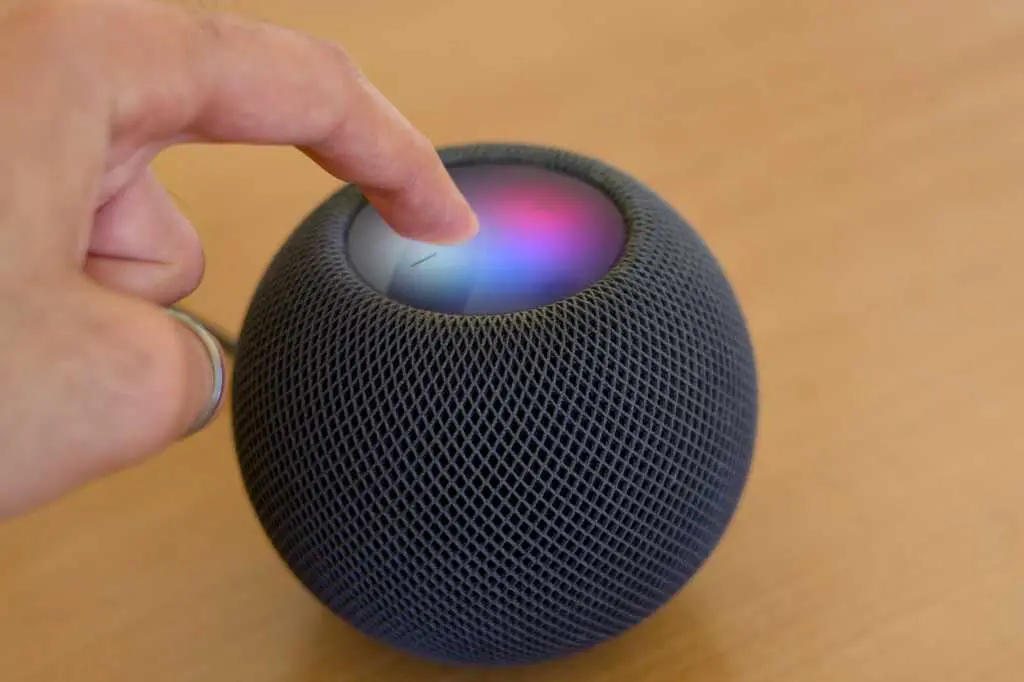
. The HomePod Mini refresh is more conservative, featuring a faster chip with upgraded processors, an improved ultra-wideband chip, and new colors, but no new form factor2
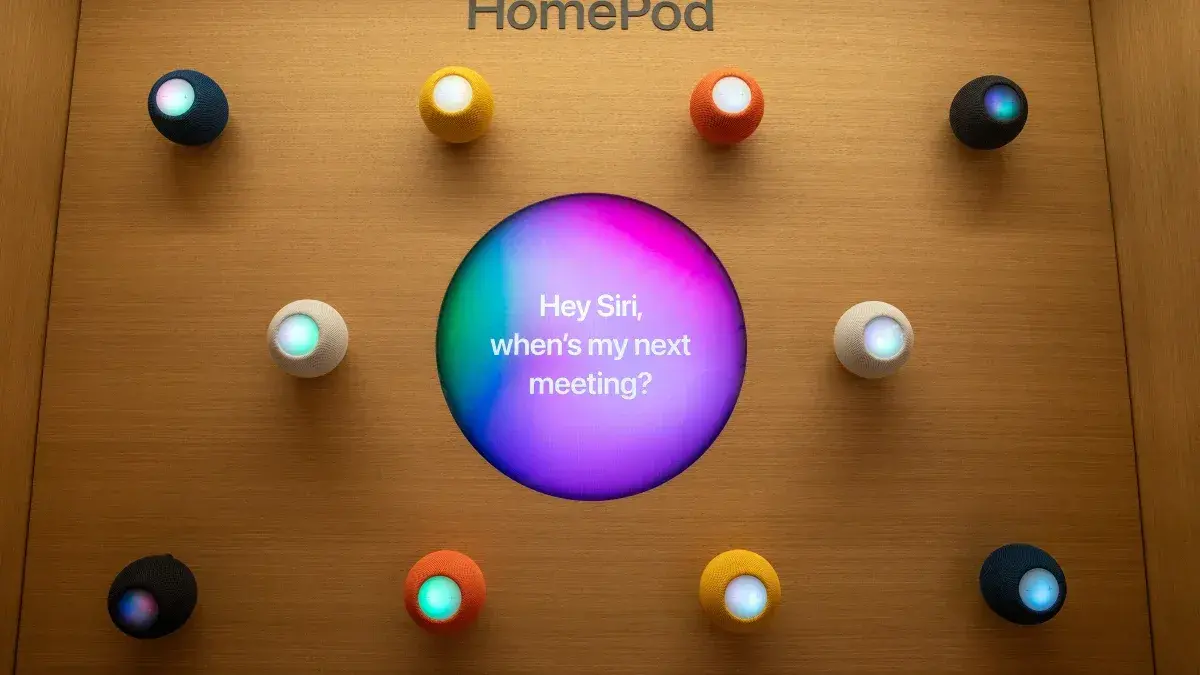
. Both devices will reportedly cost $199 and $129 respectively3
.
Source: Macworld
Related Stories
Apple did not have a hardware problem—it had a software one. The company finally shipped its AI overhaul at WWDC in June, unveiling Siri AI as a standalone app with personal context, multi-step commands across apps, and a three-tier privacy architecture
2
. The rebuilt Siri AI assistant runs on a custom Gemini model powered by a large language model of roughly 1.2 trillion parameters, licensed from Google in a deal reported at around $1 billion a year, with simple tasks staying on-device2
. This represents a significant shift from an old-style phone assistant to a modern multi-device LLM-based AI chatbot4
.However, complications remain for European buyers. Siri AI will not be available on iPhone or iPad in the European Union when iOS 27 ships, and Apple has given no timeline for availability
2
. This leaves European customers facing new smart home devices whose central selling point is an assistant they cannot yet use.The refreshed Apple TV and updated HomePod Mini could arrive as soon as September, potentially alongside the rumored iPhone 18 Pro series and iPhone Ultra
1
5
. The smart home hub may launch later, with a window between October 2025 and early next year1
5
.Apple's smart home roadmap extends beyond these initial products. The company is reportedly developing a higher-end version of the hub with a 9-inch screen mounted on a robotic arm that can turn and move during FaceTime calls
4
5
. Additionally, Apple is designing its own home security camera system to compete with Amazon's Ring lineup, potentially launching this year as iOS 27 brings 4K recording, AI summaries, and cross-camera event stitching to HomeKit Secure Video2
5
.Summarized by
Navi
[2]
26 May 2025•Technology

14 Oct 2024•Technology

15 Oct 2025•Technology

1
Technology

2
Policy and Regulation

3
Policy and Regulation