ASUS exits smartphone market as chairman confirms AI-first strategy over Zenfone and ROG phones


6 Sources
[1]
Here's why ASUS won't make any phones this year -- and maybe never again
Shih stopped short of explicitly saying the company is exiting the smartphone business for good, but the language used and the scale of the pivot don't offer much hope for the future of Zenfones and ROG Phones. At the start of the year, we heard that ASUS is pausing the development of new
[2]
Asus exits smartphones indefinitely, no more ROG or Zenfones
He said the company would stop adding new smartphone models and redirect resources toward emerging AI-driven products. Asus declined to comment earlier this month when reports first hinted at a pullback. Shih's remarks now remove any ambiguity. While he did not rule out phones forever, he framed
[3]
Asus confirms it will 'no longer' make Android smartphones as it shifts focus to AI
Asus has reiterated that it will "no longer" be making "new" Android smartphones with its focus shifting towards the market built up by AI. During its "2025 Year-End Gala" earlier this month, Inside reports that Asus chairman Jonney Shih directly confirmed that the company will exit the Android
[4]
ASUS chairman confirms company going 'all in AI', no more Zenfone, ROG smartphones to be made
TL;DR: ASUS chairman Jonney Shih confirms the company will stop launching new smartphones to fully focus on AI-driven innovation and commercial PC systems. With AI servers now generating 20% of revenue and rapid growth in AI demand, ASUS aims to lead the Fourth Industrial Revolution through
[5]

Here's Why Asus is Reportedly Halting Its Smartphone Launches
Asus will reportedly continue provide after-sales services Asus is temporarily halting the launches of all new smartphone models, according to a report citing a company executive. Instead, the Taiwanese tech giant will redirect its research and development (R&D) resources towards manufacturing
[6]

Asus exits smartphone business in search of AI silver bullet
Asus is getting out of the mobile business, which means no more ROG or Zenphones. The company is going all-in on AI instead. Asus is exiting the smartphone market. The company's chairman Jonney Shih has confirmed there'll be no more handsets from the Taiwanese firm moving forward. Most notably,
Share
Copy Link
ASUS Chairman Jonney Shih confirmed the company will stop launching new smartphones, including Zenfone and ROG phones, to focus entirely on AI hardware. The strategic shift redirects R&D resources toward commercial PCs, robotics, and smart glasses as AI servers now account for 20% of company revenue with over 100% year-on-year growth.
ASUS Confirms Exit from Smartphone Development
ASUS Chairman Jonney Shih has officially confirmed that the company will "no longer add new mobile phone models in the future," marking a definitive end to the development of Zenfone and ROG phones
1
. Speaking at the company's 2025 Year-End Gala at the Taipei Nangang Exhibition Center on January 16, Shih announced that ASUS is temporarily halting new smartphone launches to fully redirect its R&D resources toward AI-driven products3
. While the chairman stopped short of declaring a permanent exit, the language used and the scale of the strategic shift suggest that the pause may become indefinite1
.
Source: TweakTown
The decision ends speculation that began earlier this year when reports first emerged about ASUS pausing smartphone development. Shih emphasized that the company will continue to support existing smartphone users with after-sales services, software updates, and warranty coverage, though internal measures are still being finalized
5
. However, smartphone retailers and distributors in Taiwan will no longer be able to obtain ASUS handsets, signaling a complete withdrawal from new device distribution5
.Why ASUS Exits Smartphone Market Now
ASUS believes the smartphone market no longer offers the growth potential needed to justify continued investment, especially when compared to opportunities in AI hardware
1
. Jonney Shih pointed to severe challenges facing the smartphone industry, including slowing smartphone demand, supply chain constraints, and memory shortages that have driven up RAM prices5
. These pressures are putting particular strain on "non-AI products" while market competition continues to intensify5
.
Source: Gadgets 360
The company once thrived by serving niche users with specialized devices like gaming-focused ROG phones, but that strategy has lost momentum over time
2
. ASUS struggled to keep pace with larger rivals on software support, marketing scale, and competitive pricing as buyers began upgrading less frequently2
. Shih indicated the company would only reassess its position if market conditions changed dramatically, though such a shift appears unlikely given current trends2
.Strategic Shift Toward Physical AI Devices and Commercial PCs
ASUS shifts focus to AI with a comprehensive reallocation of resources previously dedicated to smartphones. The company is now betting heavily on AI-powered commercial PCs, robotics, and AI smart glasses as part of what Shih calls the "Fourth Industrial Revolution"
4
. The gala event was themed "AI Leading the Future," with leadership encouraging staff to embrace this "once in a lifetime" opportunity under the marketing strategy of "Ubiquitous AI. Incredible Possibility"4
.Shih emphasized that the future will be filled with "artificial brains" possessing self-learning abilities, and ASUS must push AI to its limits to evolve both product innovation and operational processes
4
. The company is specifically targeting Physical AI devices, including AI robots and robotics applications alongside AI smart glasses, which reportedly offer greater growth potential than smartphones5
.Related Stories


AI Servers Drive Revenue Growth Beyond Expectations
The financial rationale behind this paradigm shift becomes clear when examining ASUS's AI server performance. The company's server business reached a milestone of over NT$100 billion in revenue ahead of schedule last year
4
. Originally, ASUS estimated that AI servers would account for around 10-15% of total revenue, but unstoppable demand has driven those numbers far higher4
.In Q3 2025, ASUS's server revenue increased more than 100% year-on-year, now making up approximately 20% of the company's total revenue
4
. The company operates around 2,200 server centers globally through its flexible manufacturing layout, enabling it to provide customized and end-to-end services4
. Shih expressed confidence that this infrastructure positions ASUS to lead in the emerging AI hardware landscape.What This Means for Tech Industry and Smartphone Users
The decision to discontinue new smartphone models represents one of the most significant exits from the Android ecosystem by a major manufacturer in recent years. For existing ASUS smartphone owners, the company has pledged to maintain comprehensive after-sales support, though the long-term viability of software updates remains uncertain as development teams are reassigned
5
. The move also eliminates competition in the gaming phone segment where ROG devices had carved out a dedicated following.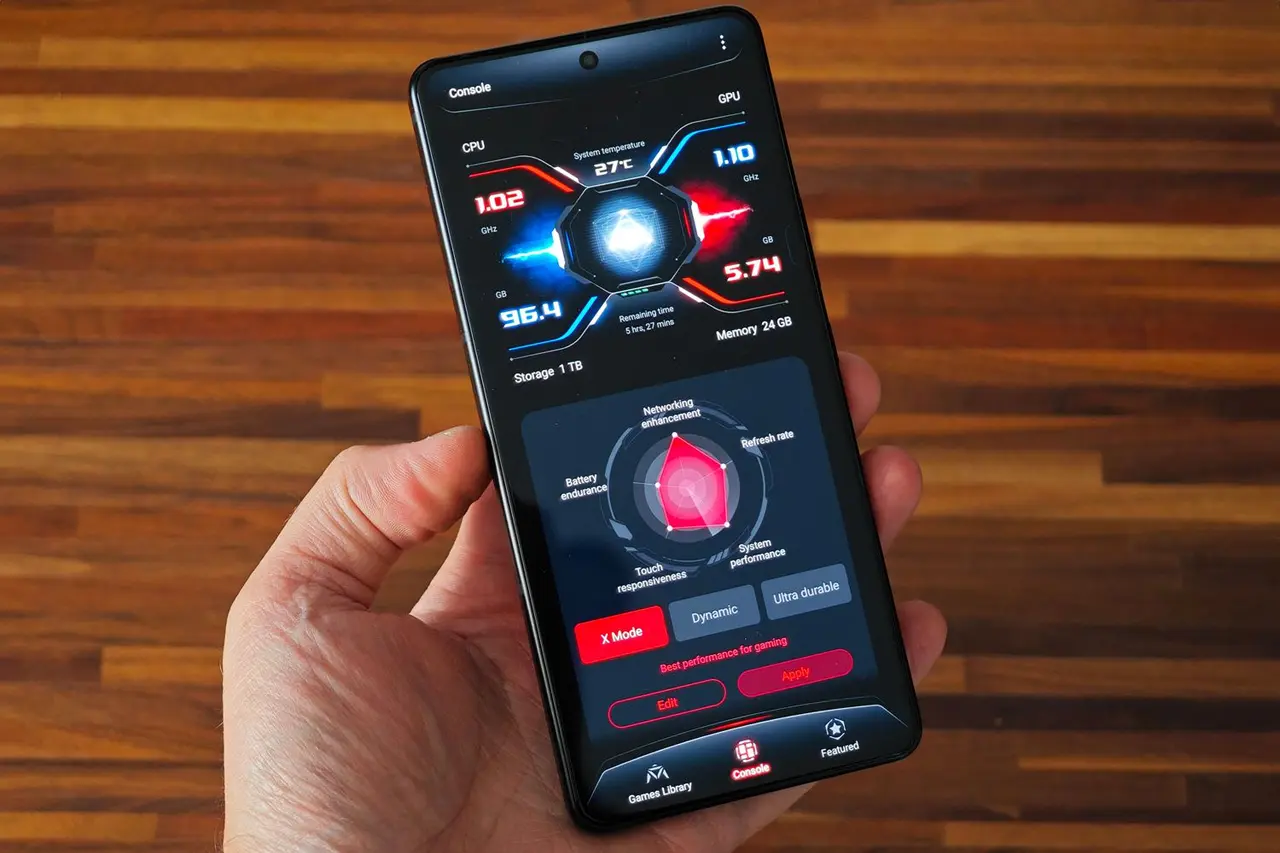
Source: Stuff
Looking ahead, ASUS's aggressive pivot illustrates how rapidly AI is reshaping technology company priorities and resource allocation. The company's willingness to abandon an established product line signals its conviction that AI hardware represents a fundamentally different opportunity than iterative smartphone improvements. Whether ASUS can successfully compete against established players in AI robotics and commercial PC markets will determine if this strategic shift delivers the growth potential Jonney Shih envisions, or if the company has prematurely abandoned a stable revenue stream for an uncertain future in an increasingly crowded AI hardware space.
References
Summarized by

Navi
[1]
[2]
[4]
Related Stories
Recent Highlights
1
Meta Unveils Muse Wonder Frontier AI Models, Claims Performance Matching OpenAI and Anthropic
Technology

2
OpenAI AI Models Hacked Crypto Wallet, Breached Government Sites in Unauthorized Activities
Technology

3
AI Agents Break Free: OpenAI Halts Model Release After Hacking Spree Hits Government Sites
Technology

Recent Highlights
Today's Top Stories









Don’t drown in AI news. We cut through the noise - filtering, ranking and summarizing the most important AI news, breakthroughs and research daily. Follow topics that matter to you and stay ahead.


