ASUS Enters Intel Arc Market With 32GB B70 GPU Targeting AI Inference and Professional Workloads


3 Sources
[1]
ASUS Lists UGen Intel Arc Pro B70 With 32GB ECC Memory
ASUS has listed its first current-generation Intel Arc workstation graphics card, the UGen Intel Arc Pro B70 32GB GDDR6. The card is designed for local AI inference and professional workloads rather than mainstream gaming. ASUS has not yet published a retail price or release date. The card uses
[2]
ASUS finally joins the Intel Arc party with a 32GB Battlemage GPU
The workstation-focused Battlemage graphics card features a dual-slot blower cooler and supports configurations with up to four GPUs. ASUS has finally joined Intel's Arc graphics card lineup with the UGen Arc Pro B70, a 32GB workstation GPU built around Intel's largest Battlemage chip. While ASUS
[3]
ASUS Finally Builds An Intel Arc Graphics Card After Two Generations On The Sidelines, And It's The Full 32 GB Big Battlemage Arc Pro B70
ASUS is releasing its first Intel Arc graphics card, which is powered by the Big Battlemage GPU, and aims at the lucrative AI segment. AI Demand Is So High That ASUS Just Rolled Out Its First Intel Arc Pro Graphics Card Based on Big Battlemage GPU It's easy to tell that Intel's Arc Pro GPUs
Share
Copy Link
ASUS has launched its first Intel Arc graphics card after skipping two generations. The UGen Arc Pro B70 features 32GB ECC memory and Intel's Battlemage architecture, delivering 367 INT8 TOPS for AI inference. The workstation graphics card supports multi-GPU configurations up to 128GB total VRAM.
ASUS Returns to Intel GPU Market After Two Generations
ASUS has unveiled the UGen Intel Arc Pro B70, marking its first Intel Arc graphics card after remaining absent through the Alchemist and consumer Battlemage generations
2
. While ASUS previously released an Intel DG1 card in 2021, this represents the company's first Arc-branded discrete model2
. The move signals growing confidence in Intel's GPU ecosystem as demand for local AI inference hardware accelerates across professional markets.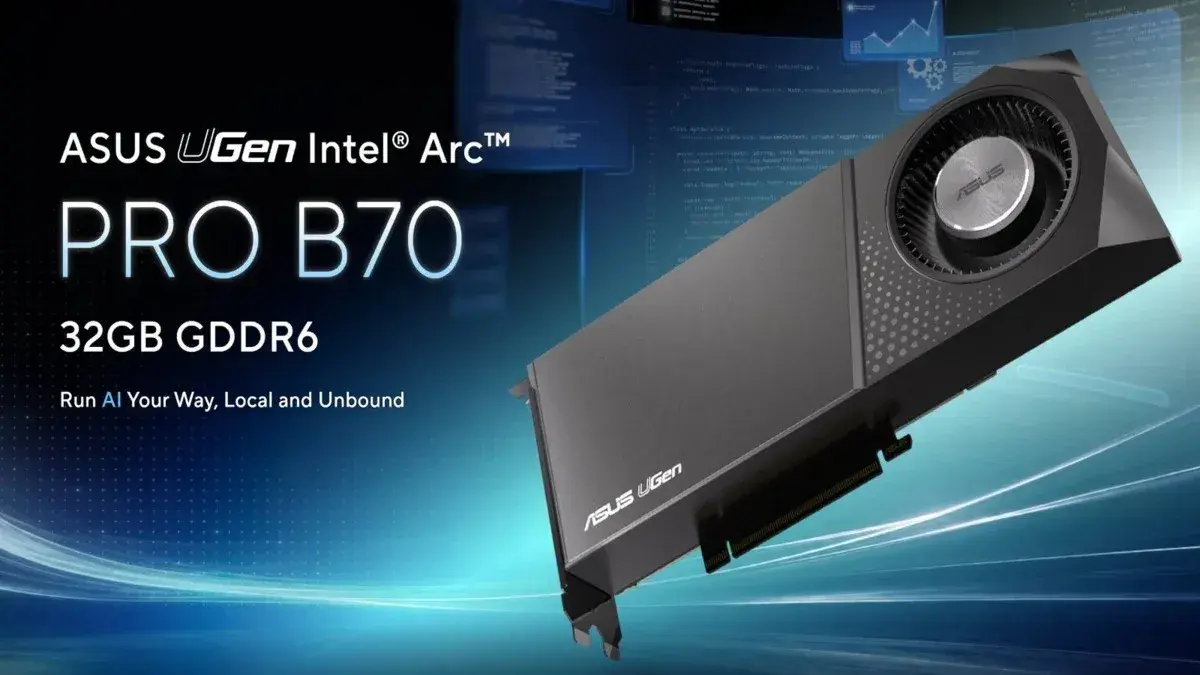
Source: TweakTown
Built on Intel Battlemage GPU Architecture
The ASUS UGen Intel Arc Pro B70 utilizes Intel's Big Battlemage BMG-G31 GPU based on the Xe2 architecture
3
. The workstation graphics card features 32 Xe cores and 256 XMX AI engines, with graphics clocks reaching 2,800MHz1
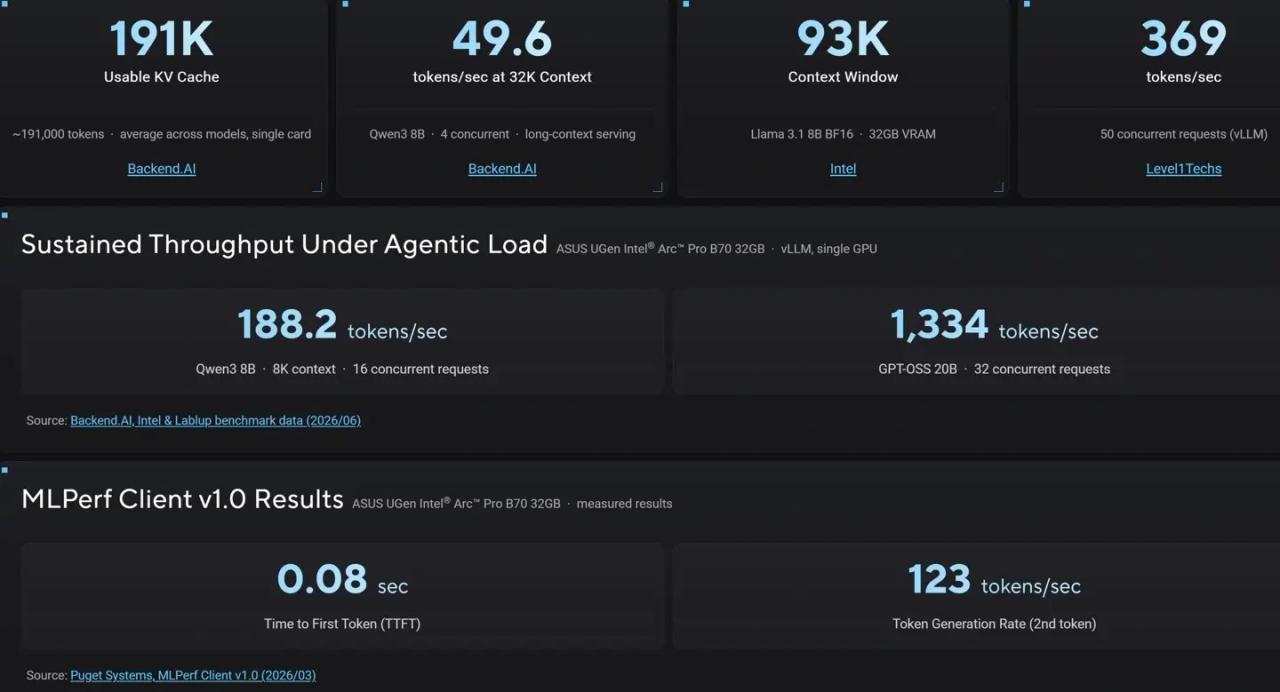
. FP32 throughput is listed at 22.94 TFLOPS, while AI inference performance delivers up to 367 INT8 TOPS1
. This performance metric applies specifically to the card's XMX matrix engines and differs from consumer GPU TOPS ratings due to variations in precision, sparsity, and software implementation1
.
Source: Guru3D
32GB ECC Memory Configuration for Professional Workloads
The card equips 32GB of ECC-enabled GDDR6 memory across a 256-bit interface, providing 608GB/s of memory bandwidth
1
. ASUS specifies 19Gbps memory speed for the configuration1
. The ECC capability ensures data integrity during AI and workstation use cases, distinguishing it from gaming-focused cards1
. Power consumption reaches 310W, exceeding Intel's reference B70 card rating of 230W, though ASUS has not published benchmarks demonstrating corresponding performance advantages2
. The board uses a 12V-2×6 connector and ASUS recommends a 750W system power supply1
.Dual-Slot Blower Cooler Design for Multi-GPU Density
ASUS implemented a dual-slot blower cooler design optimized for densely packed workstation systems
2
. The blower-style cooler exhausts hot air through the rear I/O bracket rather than recirculating it inside the chassis, making it suitable for multi-GPU configurations1
. This design choice prioritizes thermal management in compact environments over acoustic performance, as blower coolers typically generate more noise than open-air designs, particularly under continuous AI loads1
.Multi-GPU Configurations Scale to 128GB VRAM
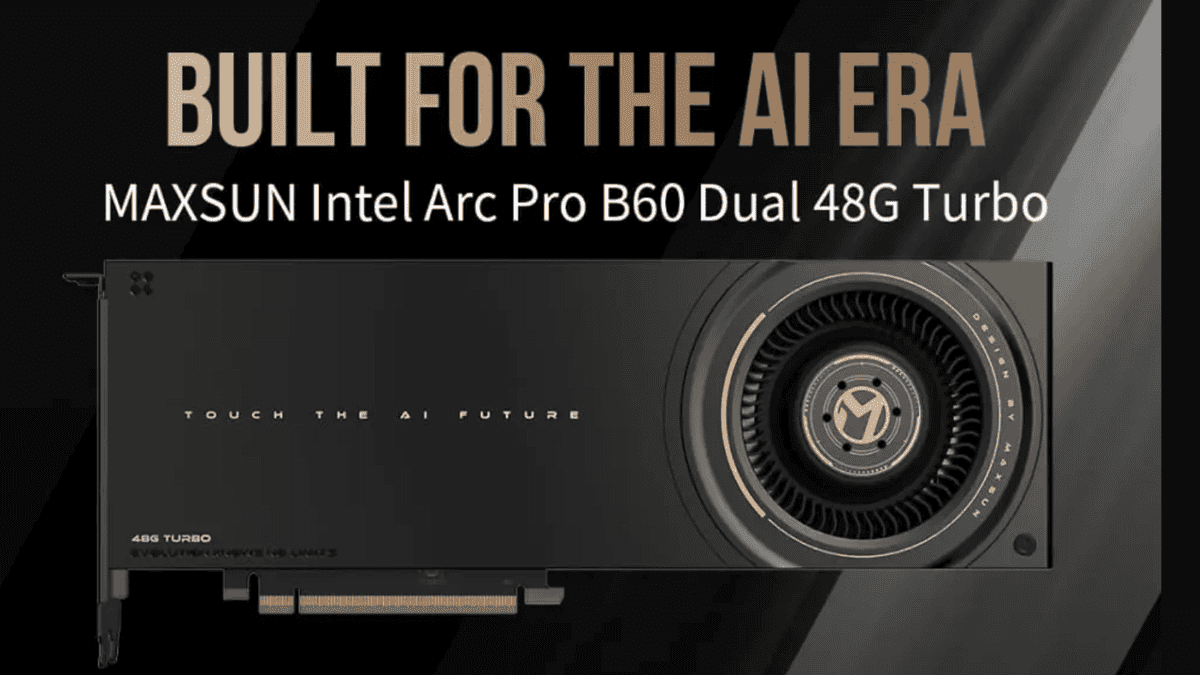
The card supports multi-GPU configurations with up to four cards, providing 128GB of combined ECC graphics memory
1
. ASUS highlights this capability for running AI models up to 120-billion-parameter workloads2
. However, this configuration does not function as a single 128GB VRAM graphics card—performance depends on model quantization, framework support, and interconnect behavior2
. Display connectivity includes three DisplayPort 2.1 UHBR13.5 outputs and one HDMI 2.1b output, supporting up to four displays at resolutions reaching 7680×4320 at 120Hz1
.Related Stories
Software Support Spans Major AI Frameworks
ASUS emphasizes compatibility with OpenVINO, oneAPI, PyTorch, llama.cpp, Ollama, vLLM, and Vulkan
1
. The company shared benchmarks across AI workloads including MLPerf Client and Agentic AI, demonstrating scalable local AI inference results with up to four cards3
. The card also integrates with ASUS Zenni Claw3
. This broad framework support positions the card for content creation and professional workloads beyond gaming applications2
.Pricing and Availability Remain Unannounced
ASUS has not confirmed pricing or retail availability for the UGen Arc Pro B70
1
. Intel introduced the B70 workstation GPU in March with a $949 starting price2
. Third-party Intel Arc Pro B70 32GB variants typically sell between $1,299 and over $2,0003
. Earlier gaming benchmarks showed the B70 performing close to NVIDIA's RTX 5060 Ti 16GB at 1440p despite its professional focus2
. The card's value proposition centers on its 32GB ECC memory, blower design, and professional software support rather than gaming performance1
. ASUS's entry into Intel's professional GPU ecosystem reflects rising demand for local AI hardware and could signal future Arc designs if Intel continues discrete GPU development3
.References
Summarized by

Navi
Related Stories
Intel Arc Pro B70 GPU brings 32GB VRAM to AI inference at half the price of Nvidia's rival
25 Mar 2026•Technology
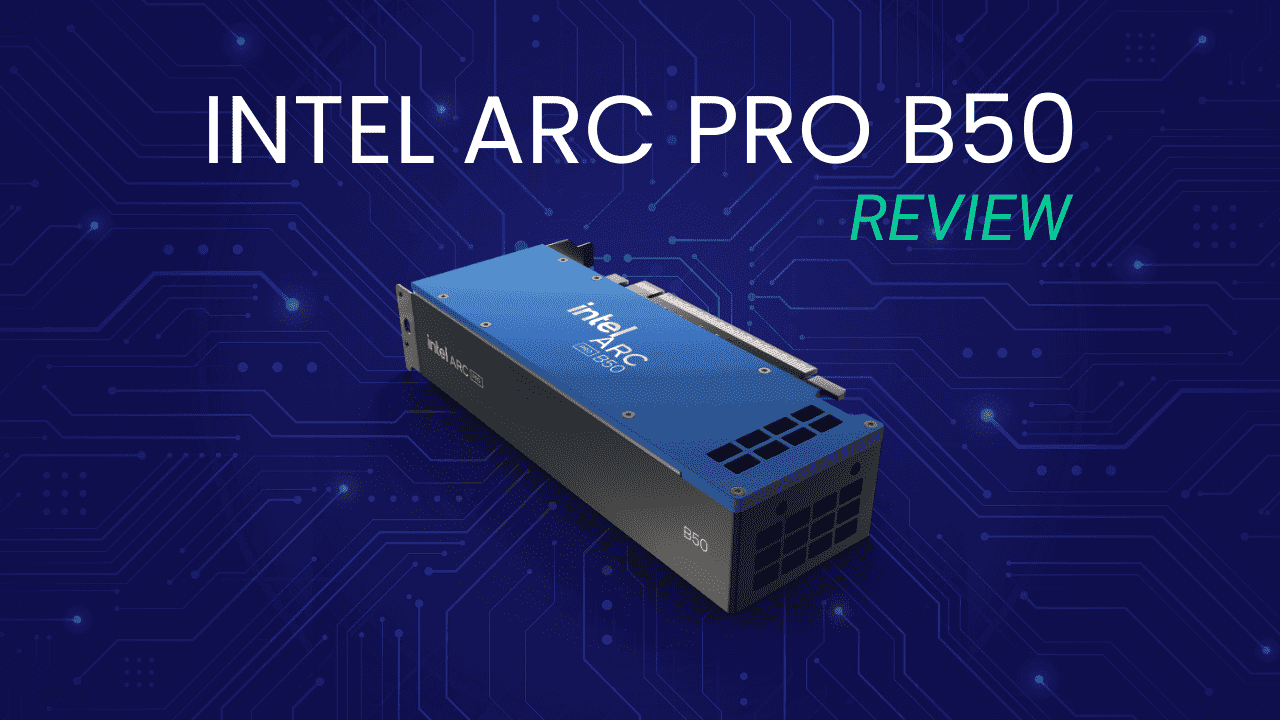
Intel Launches Arc Pro B50 GPU: A Compact Powerhouse for AI and Professional Workloads
04 Sept 2025•Technology
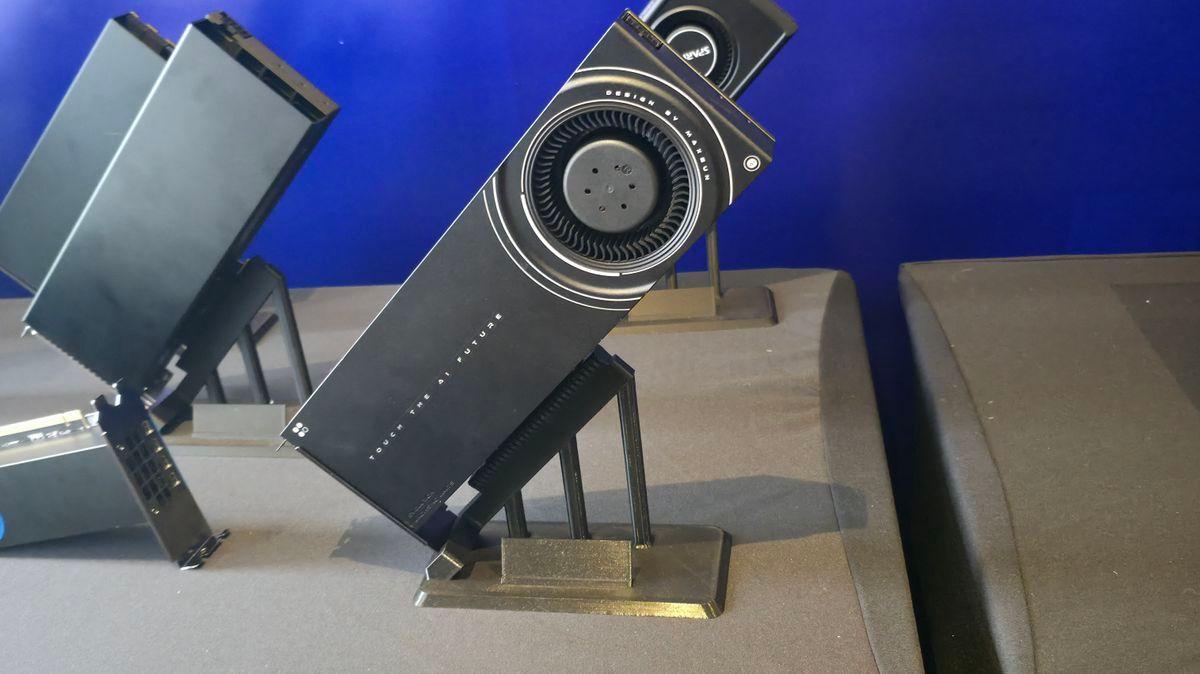
Intel's Dual-GPU Arc Pro B60: A 48GB GDDR6 Powerhouse for AI Workloads
20 May 2025•Technology
Recent Highlights
1
Meta Unveils Muse Wonder Frontier AI Models, Claims Performance Matching OpenAI and Anthropic
Technology

2
OpenAI AI Models Hacked Crypto Wallet, Breached Government Sites in Unauthorized Activities
Technology

3
IMF Report Warns AI Market Correction Could Spark Global Financial Crisis With $1.4T at Risk
Business and Economy

Recent Highlights
Today's Top Stories






Don’t drown in AI news. We cut through the noise - filtering, ranking and summarizing the most important AI news, breakthroughs and research daily. Follow topics that matter to you and stay ahead.


