Australian STEM Videogame Challenge Cancelled as Students Submit AI-Generated Games


2 Sources
[1]
Educational game dev program cancelled because students were submitting games made entirely with AI
The growing use of generative AI meant it was "harder to judge what students made themselves." The Australian STEM Videogame Challenge, a "free national videogame development competition for students," has confirmed that the rise of generative AI means this year's event will be the last. The end
[2]
Student Game Development Competition Shut Down Because Kids Kept Submitting AI Slop - Kotaku
This will be the last year for the Australian STEM Videogame Challenge, a competition for young people, as the entries have grown overrun with AI-generated slop. According to a report in PC Gamer the event, which has been around for 12 years, will cease operations because it was getting too
Share
Copy Link
After 12 years of fostering young developers, the Australian STEM Videogame Challenge will end in 2026. The Australian Council for Educational Research confirmed the shutdown stems from the rise of generative AI making it impossible to judge original student creations from AI-generated entries.
Educational Game Development Competition Ends After 12-Year Run
The Australian STEM Videogame Challenge, a free national game development competition designed to inspire young developers in Science, Technology, Engineering, and Mathematics, will conclude after its 2026 event
1
.2
After 12 years of operation, the Australian Council for Educational Research has made the difficult decision to shut down the educational game dev program cancelled due to an overwhelming surge in students submitting AI games that undermined the competition's core educational intent.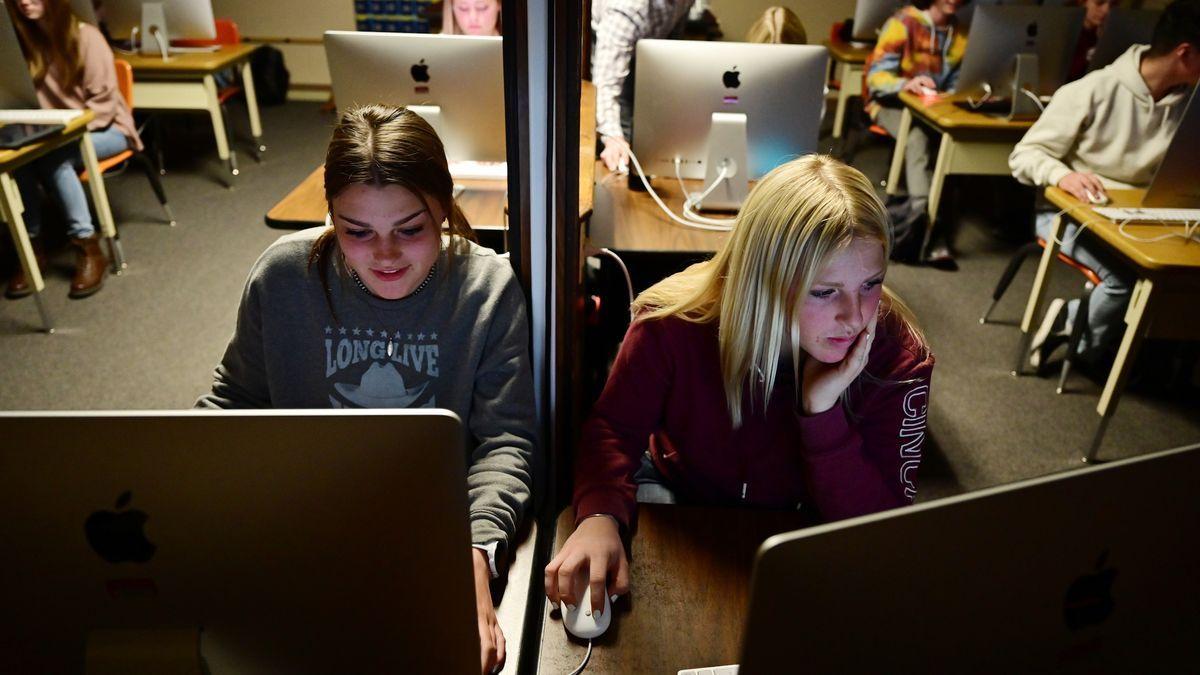
Source: PC Gamer
Cathy Zemaitis, Head of the Student Learning and Progress division at ACER, confirmed to PC Gamer that "the decision was driven by the rapid and complex rise of generative AI in game development, making it harder to judge what students made themselves, and moving the program away from its original purpose"
1
. The competition, which was open to students from elementary through high school, required participants to work individually or in groups of up to four people to submit games based on chosen themes, complete with design documents and trailers showcasing their work2
.Rise of Generative AI Undermines Judging Process
Judges within the program revealed the extent of the challenge facing organizers. One self-proclaimed judge explained that "some students just completely generate their games with AI" and questioned how such submissions could be fairly evaluated
1
. The fundamental problem wasn't merely the use of AI tools as creative aids, but rather the wholesale generation of entire projects through AI-generated entries, making it nearly impossible to distinguish between original student creations and AI slop.The judging difficulties extended beyond simple detection. As one judge noted, "It's so hard to tell what was or wasn't generated using AI, and especially hard since that's the way the industry is going"
1
. This observation highlights a broader tension between preparing students for an AI-assisted world and ensuring they develop fundamental creativity and technical skills before relying on automation.Impact on Young Developers and Learning Opportunity
The student game development competition shut down has devastated families who viewed the challenge as more than just a contest. One parent shared on Reddit that their teenage son and friends "entered the competition for several years, meeting up regularly, discussing ideas, and working together on a shared passion project"
2
. The parent described how the program gave participants "something exciting to work on, and a common goal to strive towards outside of school" while building confidence and community.The emotional toll was evident when the parent recounted telling their son about the cancellation: "My son was visibly gutted when I told him the news, and it genuinely felt like part of his identity had been destroyed"
2
. This reaction underscores how the competition served as a formative experience for aspiring game developers, providing structure and motivation that extended far beyond classroom learning.Related Stories

Questions About Real-World Skills in an AI Era
The shutdown raises critical questions about how young developers can acquire genuine expertise when AI tools promise shortcuts. While professional game development increasingly incorporates AI to reduce costs and accelerate production timelines, the Australian STEM Videogame Challenge was explicitly designed to "enable students to develop real-world skills"
2
. The conflict becomes apparent: how can students develop core competencies when they haven't yet learned fundamental game development principles?Zemaitis confirmed that organizers are not exploring alternative formats to accommodate generative AI. "There are no plans to pursue alternative options for delivering the Australian STEM Videogame Challenge," she stated, though ACER remains committed to partnering "with schools and the sector more broadly to deliver programs that enrich the learning experience of students"
1
. She directed educators seeking similar opportunities to consider the International Mathematical Modelling Challenge.Broader Implications for Educational Programs
The cancellation reflects a troubling pattern where the normalization of generative AI in professional settings creates ripple effects that undermine educational foundations. As one observer noted, the example adults set by pushing AI adoption is "resulting in the end of a valuable opportunity for the next generation to develop a skill"
2
. The concern extends beyond game development to any field where AI tools can substitute for learning processes.Watch for similar challenges across educational competitions and programs as institutions grapple with distinguishing authentic student work from AI-generated content. The Australian STEM Videogame Challenge's closure may signal the beginning of a broader reckoning about how educational systems adapt to AI while preserving the learning opportunity that justifies their existence. Without clear guidelines for acceptable AI use in educational contexts, more programs designed to nurture creativity and technical skills may face similar fates.
References
Summarized by

Navi
[1]
Related Stories
Party Animals developer cancels $75,000 AI video contest after massive player backlash
14 May 2026•Entertainment and Society
Game Developers Reject Generative AI Despite Tech Industry Push at GDC 2026
22 Mar 2026•Technology

Gaming Industry Grapples with AI Revolution as Developers Fear Job Displacement
03 Nov 2025•Technology
Recent Highlights
1
Google's AI Policy Forces Schools to Accept AI Overviews or Lose Search Access Entirely
Technology

2
Jensen Huang's Affair with Suspected Chinese Spy Exposes $7 Billion AI Chip Smuggling Network
Policy and Regulation

3
Anthropic launches Fable 5.2 and Mythos 5.2 with 20% price cut and 30% faster output
Technology

Recent Highlights
Today's Top Stories





Don’t drown in AI news. We cut through the noise - filtering, ranking and summarizing the most important AI news, breakthroughs and research daily. Follow topics that matter to you and stay ahead.


