BCCL Partners with OpenAI to Enhance Journalism Discovery Through ChatGPT Attribution


2 Sources
[1]
BCCL partners with OpenAI to enhance journalism discovery for readers globally
Bennett, Coleman & Co Ltd has partnered with OpenAI to improve content discovery. ChatGPT will now attribute BCCL journalism with direct links to original articles. This collaboration aims to connect users with reliable information from BCCL publications. Both companies will explore AI applications
[2]
Times of India publisher partners with OpenAI on news
Bennett, Coleman & Co Ltd (BCCL), publisher of The Times of India and The Economic Times, has entered a content partnership with OpenAI. This agreement allows ChatGPT to display excerpts and summaries of BCCL's journalism, with attribution and links to the original articles. The partnership,
Share
Copy Link
Bennett, Coleman & Co Ltd (BCCL), publisher of The Times of India and The Economic Times, has entered a strategic partnership with OpenAI to improve content discovery through ChatGPT. The collaboration ensures ChatGPT users receive attributed summaries with direct links to original BCCL articles while maintaining complete editorial independence across all publications.
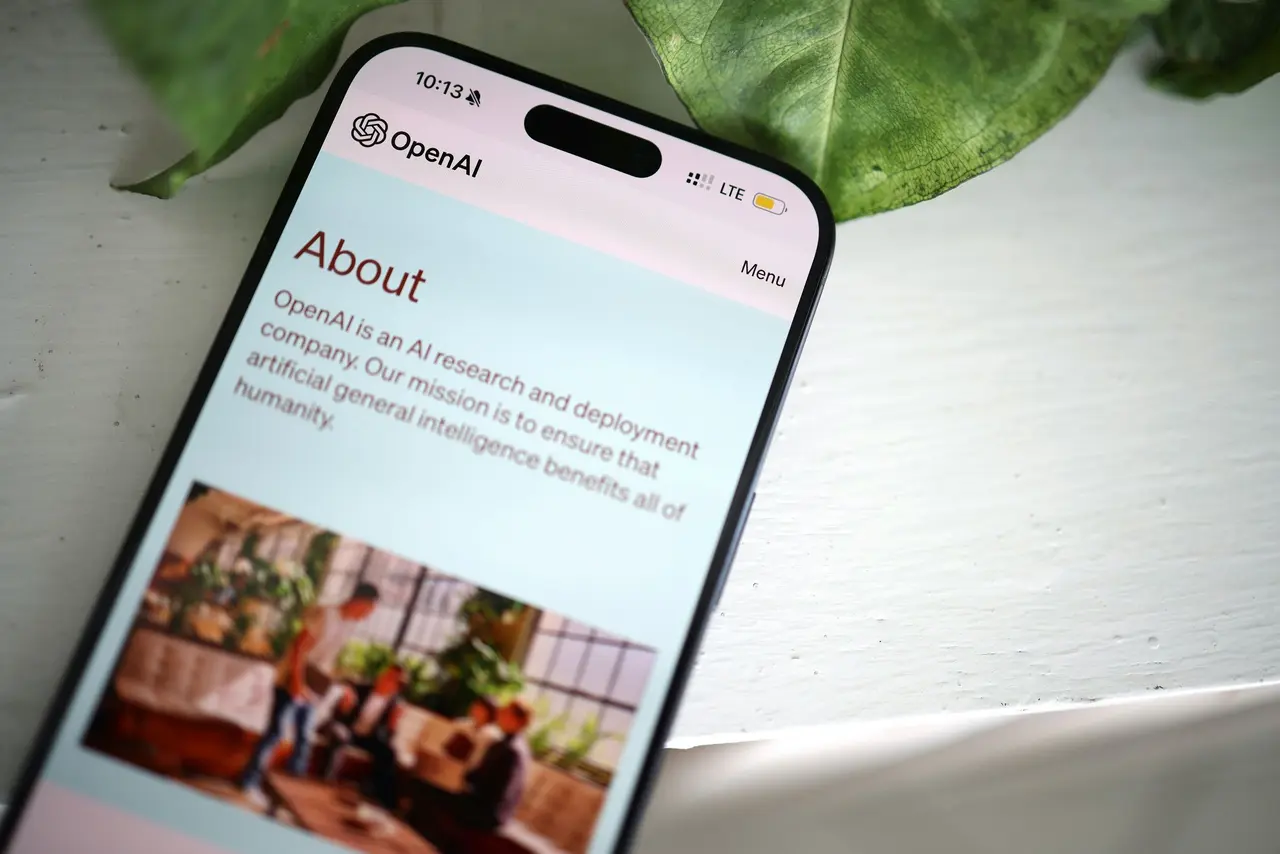
BCCL OpenAI Partnership Transforms News Discovery
Bennett, Coleman & Co Ltd (BCCL) has entered a strategic partnership with OpenAI to enhance journalism discovery for readers in India and globally. The collaboration enables ChatGPT to surface content from BCCL's publications, including The Times of India and The Economic Times, with proper attribution and direct links to original articles
1
. When ChatGPT responds to user queries, relevant summaries or excerpts from BCCL publications will identify the source publication and provide a direct link, enabling readers to access the full report and context on BCCL platforms2
. This arrangement covers both English and Indian-language publications, including breaking news and archival content, marking a significant step in how AI chatbots provide access to reliable information.ChatGPT Attribution Maintains Editorial Independence
The partnership explicitly protects editorial independence, with BCCL retaining complete editorial control over its journalism. Editors and journalists will continue to make all decisions related to reporting, verification, editing and publication, with OpenAI having no role in determining coverage or editorial positions
1
. Mohit Jain, chief operating officer and board member at BCCL, emphasized that "journalism is a public trust - rooted in facts, guided by independent judgement and sustained by the trust of our readers." Any newsroom use of AI technology will remain subject to the editorial standards, policies and human oversight of the relevant BCCL publication2
. This approach addresses industry concerns about AI-generated news while ensuring that original reporting maintains its integrity and context.AI Applications for New Products and Internal Operations
Beyond content distribution, BCCL and OpenAI will explore how OpenAI technology can support new products, reader services and internal workflows across the group. Potential areas include archive discovery, research, data analysis, translation, reader services and business operations
1
. The two companies will investigate applications for back-end processes and reader-facing products, though no timeline, product names or financial terms have been disclosed for this internal-use exploration2
. This AI-driven implications extend beyond simple content sharing, potentially transforming how BCCL manages its vast archives and serves its readers. The partnership positions BCCL to leverage AI capabilities while maintaining control over how technology integrates with journalistic practices.Related Stories

Licensing Deal Addresses Publisher Concerns
This licensing deal positions BCCL alongside dozens of global news organizations that have partnered with OpenAI, as AI chatbots become a primary way for people to access news instead of visiting publishers' websites directly. OpenAI has signed similar deals with major publishers including the Associated Press, Axel Springer, Le Monde, Financial Times, News Corp, Dotdash Meredith, The Atlantic, Vox Media, Time, Condé Nast, Hearst, Axios and Schibsted Media
2
. Neither BCCL nor OpenAI disclosed financial details, though similar global publisher deals typically involve licensing payments. Varun Shetty, vice president of media partnerships at OpenAI, stated that "BCCL is an important part of how millions of people understand India and the world," emphasizing the goal of building practical, constructive relationships with publishers in India1
. The agreement helps address concerns that AI answer engines may divert search and referral traffic that publishers depend on for readership and advertising revenue.Contrast with ANI Lawsuit Over Copyrighted Material
The Times of India publisher partners with OpenAI agreement contrasts sharply with ongoing litigation in India's Delhi High Court, where news agency ANI sued OpenAI in November 2024 for allegedly using news content without authorization to train ChatGPT. ANI also claimed that ChatGPT fabricated stories and misattributed them to the agency
2
. OpenAI challenged the court's jurisdiction and argued that its use of publicly available data falls under fair use. In an interim ruling, the Delhi High Court declined to block OpenAI from using ANI's content, finding that the practice was likely covered by India's fair-dealing exception, though ANI has appealed the order2
. The contrast between BCCL's collaborative approach and ANI's legal challenge highlights diverging strategies among Indian publishers in responding to AI companies' use of copyrighted material. Watch how other Indian media organizations respond to this partnership, as it may set a precedent for how AI companies and publishers structure relationships in emerging markets where legal frameworks around AI and copyright remain under development.References
Summarized by

Navi
Related Stories
OpenAI Partners with Condé Nast to Integrate Premium Content into AI Models
21 Aug 2024

OpenAI Denies Using Indian Media Content to Train ChatGPT Amid Copyright Lawsuit
13 Feb 2025•Policy and Regulation

Guardian Media Group Forges Strategic Partnership with OpenAI, Integrating Quality Journalism into ChatGPT
15 Feb 2025•Business and Economy

Recent Highlights



Recent Highlights
Today's Top Stories








Don’t drown in AI news. We cut through the noise - filtering, ranking and summarizing the most important AI news, breakthroughs and research daily. Follow topics that matter to you and stay ahead.


