ByteDance negotiates major AI chips deal with Iluvatar CoreX as China shifts from Nvidia


3 Sources
[1]
ByteDance is in talks to buy AI chips from China's Iluvatar CoreX
A deal would make the Shanghai GPU maker the TikTok owner's third domestic chip supplier, after Huawei and Cambricon ByteDance is in talks to buy artificial-intelligence chips from Iluvatar CoreX, a Shanghai-based GPU maker that until recently sold almost entirely to government buyers, according
[2]
ByteDance in talks with China's Iluvatar CoreX to purchase AI chips
ByteDance, the influential technology entity known for its innovative platforms, is reportedly in discussions to acquire AI chip technology from Iluvatar CoreX and Baidu. This strategic move is largely focused on securing in-house chip supplies essential for running complex inference tasks. Should
[3]
Nvidia's China Woes Deepen As TikTok Parent ByteDance Eyes AI Chips From Iluvatar CoreX, Baidu: Report -
ByteDance, the parent company of TikTok, is reportedly in talks with Iluvatar CoreX and Baidu Inc. (NASDAQ:BIDU) to acquire AI chips. Iluvatar CoreX is projected to deliver at least 50,000 chips to ByteDance this year, primarily for AI inference tasks, as the company broadens the user base of its
Share
Copy Link
ByteDance is in talks to purchase at least 50,000 AI chips from Shanghai-based Iluvatar CoreX this year, primarily for inference workloads supporting its Doubao chatbot. The deal would make Iluvatar ByteDance's third domestic chip supplier after Huawei and Cambricon, reflecting China's push for self-reliance in AI hardware amid ongoing US export controls on advanced chips.
ByteDance Pursues Major AI Chip Purchase from Domestic Supplier
ByteDance is in advanced discussions to acquire AI chips from China's Iluvatar CoreX, a Shanghai-based GPU manufacturer that has primarily served government clients until now
1
. The TikTok parent company expects to receive at least 50,000 chips from Iluvatar CoreX this year, with most designated for AI inference tasks rather than training2
. This ByteDance AI chip purchase represents a substantial shift in the company's hardware sourcing strategy as it seeks to reduce dependence on foreign suppliers amid tightening US export controls.
Source: ET
Iluvatar CoreX Becomes Third Domestic Chip Supplier
Should the negotiations conclude successfully, China's Iluvatar CoreX would join Huawei and Cambricon as ByteDance's third major domestic chip supplier
1
. ByteDance is also weighing a separate agreement with Baidu's Kunlunxin chips, which would add a fourth domestic supplier to its roster2
. The company needs this expanded capacity to support the growing user base of its Doubao chatbot, which requires significant computational resources for handling user queries. Tencent already uses Kunlunxin chips, demonstrating that Chinese tech giants are actively diversifying their AI infrastructure away from foreign hardware.Commercial Milestone for GPU Manufacturer
The potential deal marks a transformative moment for Iluvatar CoreX, which listed in Hong Kong in January and reported revenue of 1 billion yuan (approximately $148 million) for 2025, with roughly 90% derived from GPU sales
2
. A 50,000-chip order from ByteDance would represent a dramatic shift for a supplier whose sales have historically leaned on state procurement projects1
. According to Huatai Securities projections, Iluvatar CoreX's revenue could reach 3.04 billion yuan ($449.8 million) this year, with total shipments expected to jump 139% to over 100,000 chips2
. The broker estimated the Zhikai inference chips carry an average selling price of 12,000 yuan, or about $1,775 each.Inference Workloads Drive Immediate Demand
The focus on AI inference tasks rather than training workloads matters significantly to understanding the strategic scope of this deal. Inference, which involves answering user queries once a model is built, represents the less hardware-intensive portion of AI workloads and offers Chinese designers a better opportunity to compete with imported silicon
1
. Iluvatar CoreX's flagship TianGai-100 line positions itself as a competitor to Nvidia's A100 and A800 parts, though whether it performs at that level in production across ByteDance's massive scale remains to be tested1
. The company's Tiangai series chips target AI training, while its Zhikai series addresses inference tasks specifically2
.Related Stories



Nvidia's China Woes Intensify Amid Market Erosion
This development deepens Nvidia's China woes as Chinese GPU and AI chipmakers captured nearly 41% of China's AI accelerator server market last year, eroding the company's once-dominant position in one of its most important overseas markets
2
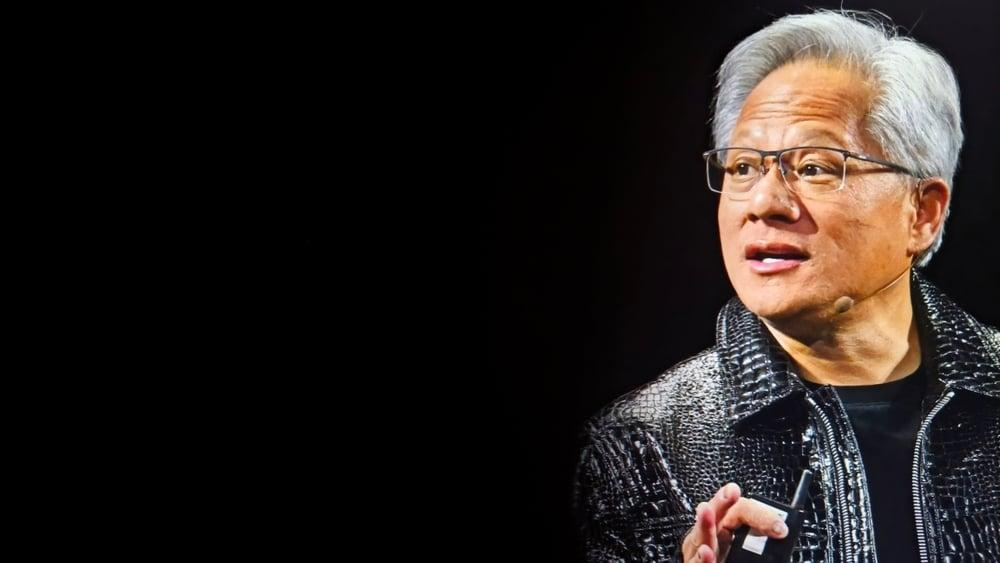
. Nvidia CEO Jensen Huang acknowledged that the company's market share in China has effectively fallen to zero, while Tencent's Chief Strategy Officer James Mitchell indicated in May that Chinese AI chips would become available in large quantities in the second half of this year2
. ByteDance had previously planned a major AI infrastructure expansion in Malaysia involving around 36,000 of Nvidia's B200 AI chips through cloud provider Aolani Cloud, with hardware costs potentially exceeding $2.5 billion3
. Meanwhile, Nvidia has begun marketing its new Vera AI data-center CPU to Chinese customers, with orders now open and availability expected as early as August3
.
Source: Benzinga
Self-Reliance in AI Hardware Gains Momentum
The negotiations reflect Beijing's broader push for self-reliance in AI technology as US export controls continue to restrict access to advanced chips. A buyer the size of ByteDance brings demanding, high-volume workloads that tend to expose whatever a chip cannot yet accomplish, making this order a crucial test of domestic capabilities
1
. While ByteDance sources chips for inference workloads from domestic suppliers, the most demanding training runs still depend on the most powerful accelerators, where Chinese designers face greater technical challenges1
. The details remain subject to change and no final agreement has been announced, but the direction signals a company that built its products on imported accelerators now actively shopping for them at home1
.References
Summarized by

Navi
Related Stories
Recent Highlights
1
Meta Unveils Muse Wonder Frontier AI Models, Claims Performance Matching OpenAI and Anthropic
Technology

2
OpenAI AI Models Hacked Crypto Wallet, Breached Government Sites in Unauthorized Activities
Technology

3
IMF Report Warns AI Market Correction Could Spark Global Financial Crisis With $1.4T at Risk
Business and Economy

Recent Highlights
Today's Top Stories







Don’t drown in AI news. We cut through the noise - filtering, ranking and summarizing the most important AI news, breakthroughs and research daily. Follow topics that matter to you and stay ahead.


