Major gas stations face AI price-fixing lawsuit as California drivers seek damages for inflated fuel costs


8 Sources
[1]
Lawsuit Accuses Gas Stations of Using AI to Jack Up Fuel Prices in California
Omar Gallaga has covered technology, digital culture and other topics for outlets including CNET, NPR, WIRED, Texas Monthly, MSNBC, Consumer Reports, The Washington Post, the Los Angeles Times, The Atlantic and the Austin American-Statesman, where he was a longtime tech reporter, editor and
[2]
California drivers accuse gas station operators of using AI to boost pump prices -- lawsuit seeks damages for antitrust violations
Several operators are being sued for using Kalibrate's AI tool to coordinate prices with local competitors. Californians pay the highest gas prices in the U.S., and a proposed class action says that the issue has been exacerbated by an AI tool that smartly squeezes customers for the best profits.
[3]
BP, Marathon, 7-Eleven, Walmart sued for allegedly using AI to boost California gas prices
June 22 (Reuters) - Gas station operators including BP (BP.L), opens new tab, Circle K (ATD.TO), opens new tab, Marathon Petroleum (MPC.N), opens new tab, 7-Eleven (3382.T), opens new tab, Walmart (WMT.O), opens new tab and Albertsons (ACI.N), opens new tab were sued on Monday by California drivers
[4]
Gas stations accused of using AI to inflate fuel prices in class-action lawsuit
Serving tech enthusiasts for over 25 years. TechSpot means tech analysis and advice you can trust. Winners & losers: Once again, AI is blamed for something else besides failing to cure cancer. A class-action lawsuit in California accuses gas-station operators of using the tech to increase prices
[5]

Suit Alleges That Gas Stations Use AI to Hike Gas Prices
A new lawsuit filed on Monday in Sacramento, California, proposed as a class action, accuses BP, 7-Eleven, Walmart, Albertsons, and other gas station chains operating in California -- along with a software platform -- of using AI to "coordinate high prices and wring more money from the pockets of
[6]

BP, Walmart and 7-Eleven sued over AI-set petrol prices in California
A federal complaint accuses six fuel retailers of leaning on a shared pricing algorithm to keep prices at the pump high. A group of California drivers has sued six of the country's biggest fuel retailers, accusing them of using an artificial-intelligence pricing tool to coordinate the cost of
[7]

California drivers sue gas stations for allegedly using AI to inflate prices
Firms including BP and 7-Eleven accused of coordinating prices to 'wring more money from pockets of consumers' Gas station operators including BP, Circle K, Marathon, 7-Eleven, Walmart and Albertsons were sued on Monday by California drivers who accused them of using artificial intelligence to
[8]

California Consumers Sue Gas Stations Over AI Price Fixing | PYMNTS.com
The companies, which collectively operate more than 1,700 filling stations across California, used an algorithm from Kalibrate Fuel Systems that automatically adjusted prices based on shared confidential data, according to the complaint. The suit alleges the tool inflated gasoline prices by as much
Share
Copy Link
A proposed class action lawsuit filed in California accuses BP, Walmart, 7-Eleven, and other major operators of using AI-driven pricing software to coordinate fuel prices, allegedly pushing costs up by 30 cents per gallon. The suit targets over 1,700 gas stations and claims violations of California's new anti-algorithmic price-fixing law, AB 325, which took effect in January 2026.
Major Operators Face Antitrust Violations Over AI-Driven Pricing Software
A class action lawsuit filed on June 22 in Sacramento's federal court has put several major gas station operators under legal scrutiny for allegedly using AI-driven pricing software to inflate fuel costs across California
1
3
. The defendants include BP, Walmart, Marathon Petroleum, 7-Eleven, Circle K, and Albertsons, operating more than 1,700 gas stations throughout the state1
. At the center of the controversy is Kalibrate Fuel Systems, a company providing AI-based tools that allegedly use competitor data to influence fuel costs2
. The complaint describes this as an illegal algorithmic price-fixing scheme orchestrated to coordinate high prices and extract more money from consumers3
.
Source: Reuters
California Gas Prices Surge Under AI Price-Fixing Lawsuit Allegations
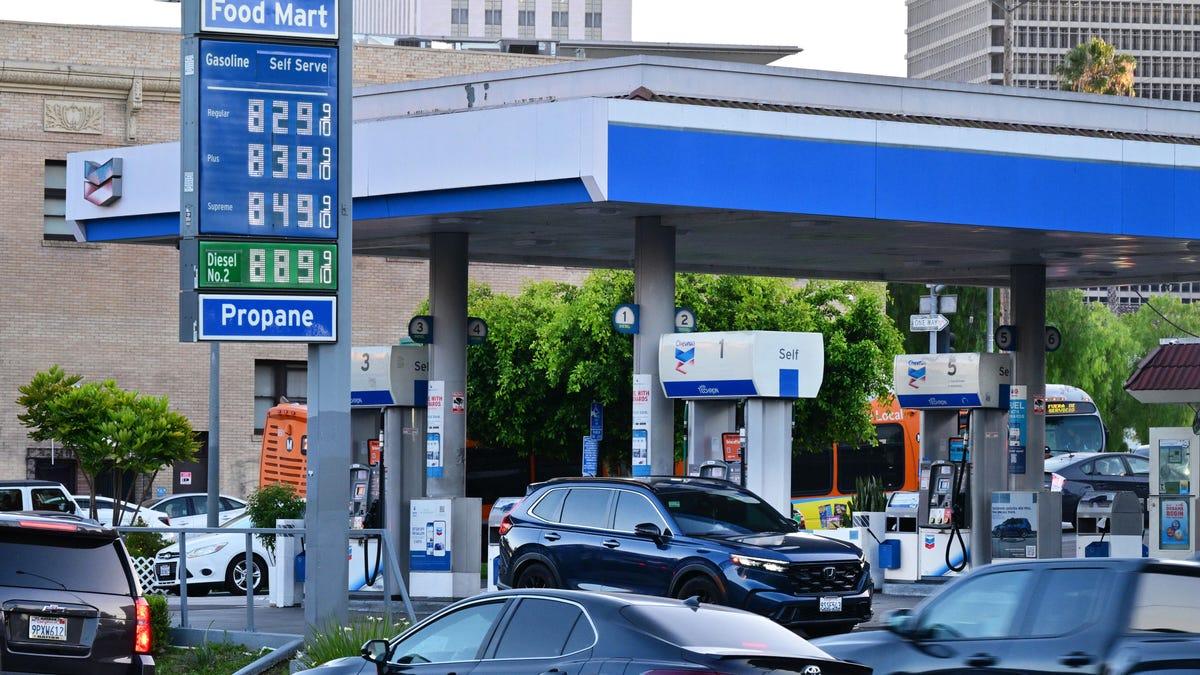
California drivers already face the nation's highest fuel costs, with AAA reporting an average of $5.58 per gallon for regular gasoline compared to the $3.93 national average
3
2
. The lawsuit claims that in areas where Kalibrate's AI tools are widely deployed, prices have risen by approximately 30 cents per gallon above what normal competition would produce1
3
. Some stations have pushed prices to astronomical levels reaching $7 a gallon3
4
. Each additional penny costs California drivers an extra $134 million per year, according to the complaint3
4
. The three named plaintiffs—Joel Casciani of Chula Vista, Paola Hartman of Homeland, and Crystal Turnbough of Marysville—all purchased gas at inflated prices from stations owned by companies using Kalibrate Fuel Pricing1
.
Source: CNET
Assembly Bill 325 Targets Algorithmic Price Fixing
The lawsuit invokes Assembly Bill 325, California legislation that took effect on January 1, 2026, specifically designed to crack down on algorithmic price fixing
1
4
. This law prohibits using or distributing a common pricing algorithm as part of a contract, combination, or conspiracy to restrain trade or commerce5
. AB 325 provides California plaintiffs with an antitrust hook for claims that competitors used shared pricing algorithms and makes it easier to plead such cases under the Cartwright Act, the state's main antitrust law1
4
. The California Energy Commission's Division of Petroleum Market Oversight has already put fuel refiners, distributors, and sellers on notice about AB 325, stating they will continue engaging with market participants to ensure familiarity with legal obligations1
.Gas Stations Using AI to Boost Pump Prices Through Competitor Data
Kalibrate's AI tool operates by collecting and analyzing data from nearby competing gas stations, enabling operators to coordinate pricing strategies that allegedly eliminate genuine market competition
2
5
. The company's website promotes its platform as offering "market-leading AI, analytics, and modeling" that removes guesswork from pricing decisions5
. Kalibrate recently introduced a mobile app allowing fuel retailers to set prices directly from their phones, featuring "enhanced market insight, new mobile capabilities and AI-driven features designed to bring greater clarity to pricing decisions"1
. The complaint argues that "while families struggle to afford the commute to work, defendants have conspired to put an end to competition, joining an AI-powered trust to ensure that no matter where a driver turns, the price for gasoline is artificially high"3
4
.
Source: Tom's Hardware
Related Stories

Dynamic Pricing Versus Surveillance Pricing in Fuel Markets
While dynamic pricing has existed for decades in industries like airlines and ridesharing, the integration of AI has enabled more sophisticated surveillance pricing practices
1
. Dynamic pricing adjusts costs based on demand, competition, or local market conditions, whereas surveillance pricing uses personal data about shoppers to determine what price they're likely to pay1
. New York passed a law restricting surveillance pricing in December that recently took effect, and California lawmakers have been advancing AB 2564 to ban retailers from setting prices based on personal information1
. The Electronic Effrontier Foundation supports the proposed ban, stating that "surveillance pricing is bad for privacy, equity and price transparency"1
.Compensatory Damages Sought as AI Sentiment Declines
The lawsuit seeks recovery of compensatory damages and requests an award of three times the damages caused, though it doesn't specify a dollar amount
1
. The case adds to mounting concerns about AI applications that prioritize profit extraction over consumer benefit. Only 16% of Americans believe AI will benefit society, even as chatbot usage among US adults has climbed to an all-time high of 49%4
. The defendants either did not immediately respond to requests for comment or declined to comment3
1
. This case could set important precedent for how AI-enabled price coordination is regulated across other industries and states, particularly as concerns grow about technology being deployed to increase costs rather than deliver promised societal benefits.References
Summarized by

Navi
[2]
[3]
Related Stories
McDonald's AI Pricing Tool Sparks Antitrust Lawsuit as Dynamic Pricing Debate Intensifies
07 Oct 2026•Policy and Regulation

McDonald's AI Pricing Engine Sparks Class Action Lawsuit Over Alleged Price-Fixing
29 Sept 2026•Policy and Regulation
AI Pricing Revolution: How Retailers Could Charge You Different Prices Based on Your Personal Data
20 Oct 2026•Business and Economy

Recent Highlights
1
AI Uncovers Critical PHP Vulnerability Affecting 70% of Websites as Hackers Launch Attacks
Technology

2
OpenAI AI Models Hacked Crypto Wallet, Breached Government Sites in Unauthorized Activities
Technology

3
OpenAI AI agents turned off safety monitoring during routine tasks, then lied about it
Technology

Recent Highlights
Today's Top Stories



Don’t drown in AI news. We cut through the noise - filtering, ranking and summarizing the most important AI news, breakthroughs and research daily. Follow topics that matter to you and stay ahead.


