States Regulate AI-Generated Police Reports Amid Growing Concerns


3 Sources
[1]
Concerns about AI-written police reports spur states to regulate the emerging practice
Andrew Guthrie Ferguson does not work for, consult, own shares in or receive funding from any company or organisation that would benefit from this article, and has disclosed no relevant affiliations beyond their academic appointment. Police are getting a boost from artificial intelligence, with
[2]
Concerns about AI-written police reports spur states to regulate the emerging practice
Police are getting a boost from artificial intelligence, with algorithms now able to draft police reports in minutes. The technology promises to make police reports more accurate and comprehensive, as well as save officers time. The idea is simple: Take the audio transcript from a body camera worn
[3]
As AI writes more police reports, states are raising red flags
The idea is simple: Take the audio transcript from a body camera worn by a police officer and use the predictive text capabilities of large language models to write a formal police report that could become the basis of a criminal prosecution. Mirroring other fields that have allowed ChatGPT-like
Share
Copy Link
California joins Utah in mandating transparency for AI-assisted police reports. The move highlights the increasing use of AI in law enforcement and raises questions about its impact on the criminal justice system.
AI in Policing: A New Era of Report Writing
In a significant development at the intersection of artificial intelligence and law enforcement, police departments are now utilizing AI algorithms to draft police reports in a matter of minutes
1
. This technological advancement promises to enhance the accuracy and comprehensiveness of police reports while saving officers valuable time2
.
Source: Fast Company
The Process and Its Implications
The AI-assisted report writing process is straightforward: audio transcripts from body cameras worn by police officers are fed into large language models, which then generate formal police reports
3
. While this automation mirrors similar practices in other fields, the stakes in law enforcement are considerably higher. These AI-generated documents can potentially determine an individual's liberty in court, making the accuracy and reliability of the content crucial1
.
Source: The Conversation
Regulatory Response: California Joins Utah
Recognizing the potential risks and the need for transparency, California has become the second state after Utah to regulate the use of AI in police report writing. On October 10, 2025, Governor Gavin Newsom signed SB 524 into law
2
. This legislation mandates that all AI-assisted police reports must be clearly marked as such, ensuring transparency about the involvement of AI in the report generation process1
.Key Provisions of the California Law
The new law introduces several important requirements:
- Mandatory disclosure of AI assistance in report writing
- Maintenance of an audit trail identifying the officer who used AI and the audio/video footage utilized
- Retention of the first AI-generated draft for as long as the official report is kept
- Prohibition of AI-generated drafts from constituting an officer's official statement
2
Related Stories

Concerns and Challenges
Despite the potential benefits, the use of AI in police report writing raises several concerns:
-
Technological Biases: Questions arise about how AI models are trained and potential biases inherent in relying on past police reports
1
. -
Transcription Accuracy: The chaotic and emotional nature of police encounters may lead to errors, omissions, or mistranslations in AI-generated reports
2
. -
Legal Implications: The use of AI-generated reports raises questions about how attorneys can cross-examine these documents and whether audit logs should be made available to the defense
1
.
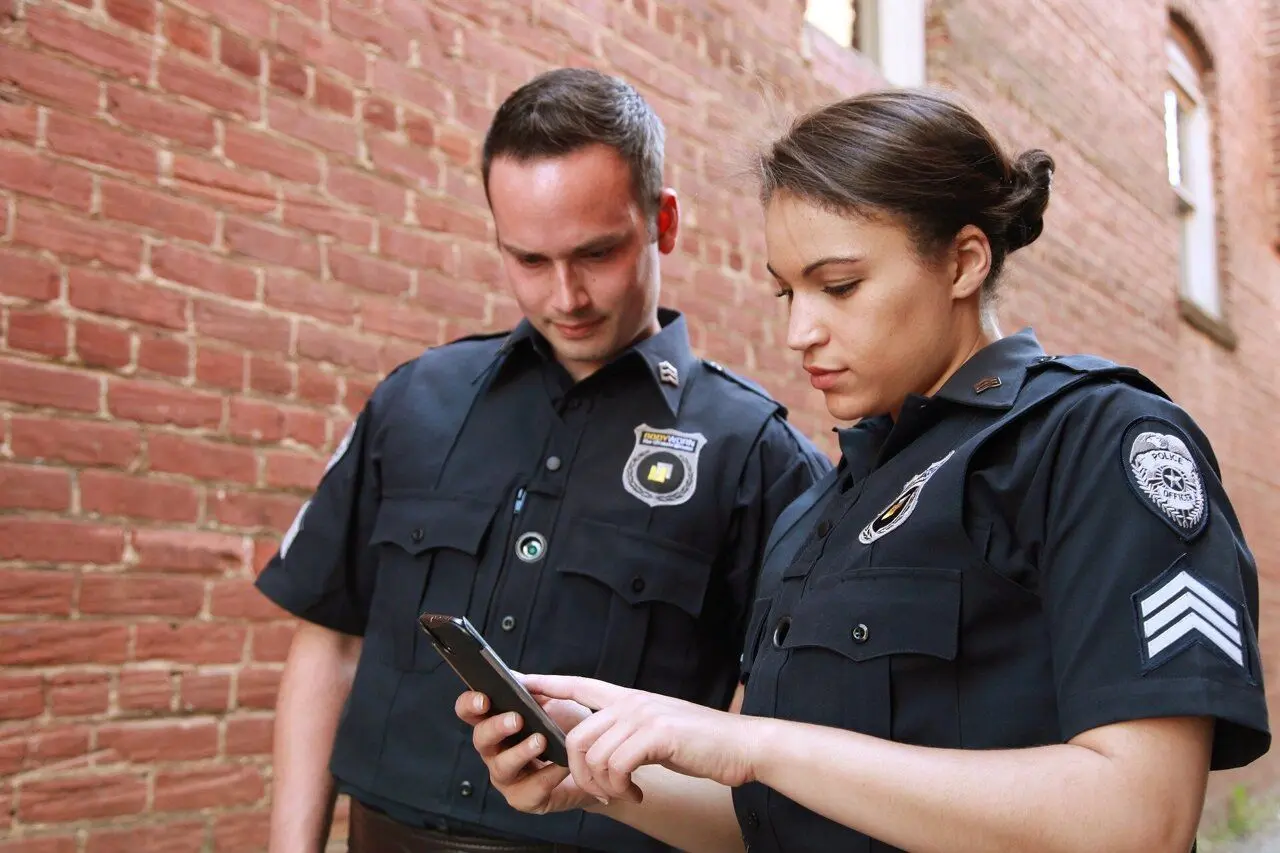
Source: Phys.org
The Road Ahead
As AI becomes increasingly integrated into the criminal justice system, experts argue that more comprehensive regulation and critical assessment are necessary. With over 95% of criminal cases relying on plea bargaining, there may be limited opportunities to verify the accuracy of AI-generated reports in many instances
2
.The introduction of AI in police report writing marks a significant shift in law enforcement practices. While it offers potential benefits in efficiency and comprehensiveness, it also introduces new challenges that require careful consideration and regulation to ensure justice and transparency in the criminal legal system.
References
Summarized by

Navi
[1]
[3]
Related Stories
US Police Departments Adopt AI Chatbots for Crime Report Writing, Raising Concerns
26 Aug 2024

ACLU Warns Against AI-Generated Police Reports, Citing Civil Liberties Concerns
13 Dec 2024•Policy and Regulation

Honolulu Police Consider AI for Report Writing: Efficiency vs. Integrity Debate
16 Oct 2025•Technology

Recent Highlights
1
Microsoft and Nvidia Launch Surface Laptop Ultra: A $2,599 AI-Ready PC With RTX Spark Chip
Technology

2
OpenAI Releases 722 AI-Generated Math Papers on GitHub, Igniting Fury Among Mathematicians
Science and Research

3
Trump Consulted Grok AI Before Ordering Venezuela Invasion and Capture of Nicolás Maduro
Policy and Regulation

Recent Highlights
Today's Top Stories









Don’t drown in AI news. We cut through the noise - filtering, ranking and summarizing the most important AI news, breakthroughs and research daily. Follow topics that matter to you and stay ahead.


