AI Hallucinations in Legal Practice: Courts Worldwide Grapple with Fabricated Case Citations


6 Sources
[1]
AI in the courtroom: the dangers of using ChatGTP in legal practice in South Africa
University of the Free State provides funding as a partner of The Conversation AFRICA. A South African court case made headlines for all the wrong reasons in January 2025. The legal team in Mavundla v MEC: Department of Co-Operative Government and Traditional Affairs KwaZulu-Natal and Others had
[2]
Mistake-filled legal briefs show the limits of relying on AI tools at work
NEW YORK (AP) -- Judges around the world are dealing with a growing problem: legal briefs that were generated with the help of artificial intelligence and submitted with errors such as citations to cases that don't exist, according to attorneys and court documents. The trend serves as a cautionary
[3]
AI in the courtroom: The dangers of using ChatGPT in legal practice in South Africa
A South African court case made headlines for all the wrong reasons in January 2025. The legal team in Mavundla vs. MEC: Department of Co-Operative Government and Traditional Affairs KwaZulu-Natal and Others had relied on case law that simply didn't exist. It had been generated by ChatGPT, a
[4]
Generative AI is hallucinating again, this time in federal court filings
What Happened: So, it's starting to happen. Courts all over the world are getting legal documents from lawyers that are filled with... well, lies made up by AI. We're talking about totally fabricated court cases, fake quotes, and citations that just don't exist. A French data scientist and lawyer
[5]

Mistake-filled legal briefs show the limits of relying on AI tools at work
NEW YORK (AP) -- Judges around the world are dealing with a growing problem: legal briefs that were generated with the help of artificial intelligence and submitted with errors such as citations to cases that don't exist, according to attorneys and court documents. The trend serves as a cautionary
[6]

Mistake-Filled Legal Briefs Show the Limits of Relying on AI Tools at Work
NEW YORK (AP) -- Judges around the world are dealing with a growing problem: legal briefs that were generated with the help of artificial intelligence and submitted with errors such as citations to cases that don't exist, according to attorneys and court documents. The trend serves as a cautionary
Share
Copy Link
Legal professionals worldwide are facing serious consequences for submitting AI-generated legal briefs containing fabricated case law and citations. A growing database tracks nearly 500 court filings with AI hallucinations in just six months.
Global Crisis in Legal AI Usage
Courts worldwide are confronting an unprecedented challenge as legal professionals increasingly submit briefs containing AI-generated fabrications. French data scientist and lawyer Damien Charlotin has documented at least 490 court filings in the past six months containing AI "hallucinations" - false or misleading information generated by artificial intelligence tools
2
. The majority of these problematic cases originate from the United States, where judges have issued warnings and, in some instances, levied fines against attorneys2
.
Source: The Conversation
South African Legal Precedent
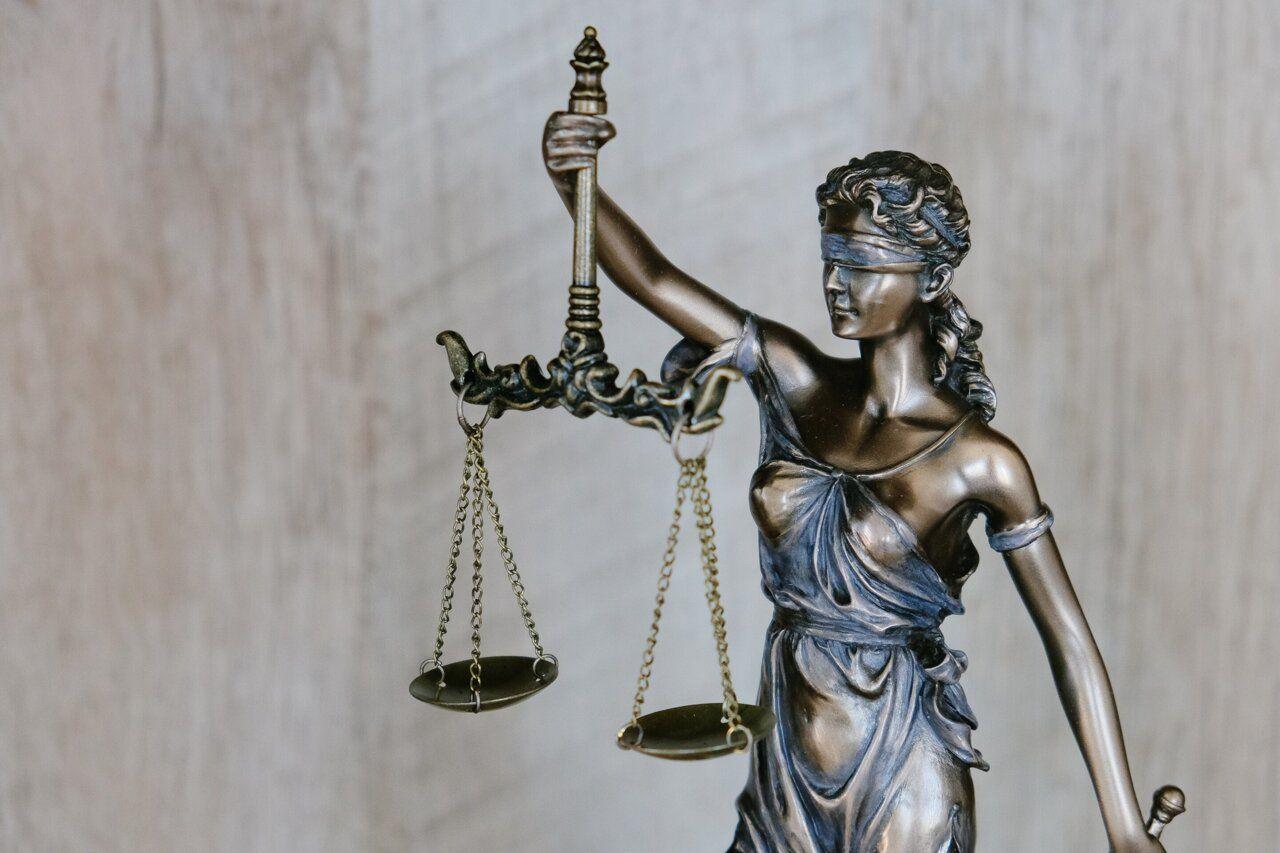
A landmark case in South Africa has highlighted the severity of this issue. In Mavundla v MEC: Department of Co-Operative Government and Traditional Affairs KwaZulu-Natal and Others, the legal team submitted nine case authorities to the High Court, of which only two were genuine
1
. The remaining seven were AI-fabricated hallucinations generated by ChatGPT. The court deemed this conduct "irresponsible and unprofessional" and referred the matter to the Legal Practice Council for investigation1
.
Source: Tech Xplore
This incident marks a turning point in judicial tolerance. While a previous 2023 case, Parker v Forsyth, also involved fake ChatGPT-generated case law, the judge showed more leniency, finding no intent to mislead
3
. The Mavundla ruling demonstrates that courts are losing patience with irresponsible AI usage.International Pattern of AI Misuse
Similar incidents have occurred globally, establishing a concerning pattern. In the 2024 American case Park v Kim, an attorney cited non-existent case law generated by ChatGPT in her reply brief
1
. The 2024 Canadian case Zhang v Chen involved a lawyer filing a notice of application containing two fabricated case authorities from ChatGPT . Even high-profile companies face scrutiny - a federal judge in Colorado ruled that a MyPillow Inc. lawyer filed a brief containing nearly 30 defective citations2
.
Source: Digital Trends
Related Stories

Professional Responsibility and Supervision
The Mavundla case revealed critical failures in professional oversight. The advocate admitted she had not verified the citations, relying instead on research conducted by a junior colleague
1
. The court emphasized that regardless of technological advancement, lawyers remain responsible for ensuring source accuracy, with workload pressure or AI ignorance providing no defense .The judge also criticized the supervising attorney for failing to review documents before filing, underscoring the ethical principle that senior lawyers must properly train and supervise junior colleagues
1
.Educational Implications and Solutions
Legal academics argue that law schools must address this crisis through comprehensive AI education. Most universities lack formal AI policies or training programs, leaving students without guidance in this rapidly evolving landscape
1
. The recommendation is not to ban AI tools outright but to develop "AI literacy" - the ability to question, verify, and contextualize AI-generated information3
.Experts emphasize treating AI systems as assistants rather than authorities. Maria Flynn, CEO of Jobs for the Future, advocates thinking of AI as "augmenting your workflow" rather than substituting for human judgment
5
. This approach requires users to verify AI outputs, particularly when dealing with factual information that could have serious consequences if incorrect.References
Summarized by

Navi
[1]
[4]
Related Stories
AI-Generated Legal Citations Lead to $10,000 Fine for California Attorney
22 Sept 2025•Technology
Mississippi Judge Cancels Trial After Lawyers on Both Sides Submit AI-Generated Filings
09 Jun 2026•Policy and Regulation
AI Hallucinations in Legal Filings: A Growing Concern for US Courts
22 Jul 2025•Policy and Regulation
Recent Highlights
1
Meta Unveils Muse Wonder Frontier AI Models, Claims Performance Matching OpenAI and Anthropic
Technology

2
IMF Report Warns AI Market Correction Could Spark Global Financial Crisis With $1.4T at Risk
Business and Economy

3
OpenAI Releases 722 AI-Generated Math Solutions, Triggering Existential Crisis in Mathematics
Technology

Recent Highlights
Today's Top Stories







Don’t drown in AI news. We cut through the noise - filtering, ranking and summarizing the most important AI news, breakthroughs and research daily. Follow topics that matter to you and stay ahead.


