California regulator says Tesla Robotaxi operates like a limo service, not autonomous vehicles


3 Sources
3 Sources
[1]
California Regulator Says Tesla's 'Robotaxis' Are More Like a Limo in the Eyes of the Law
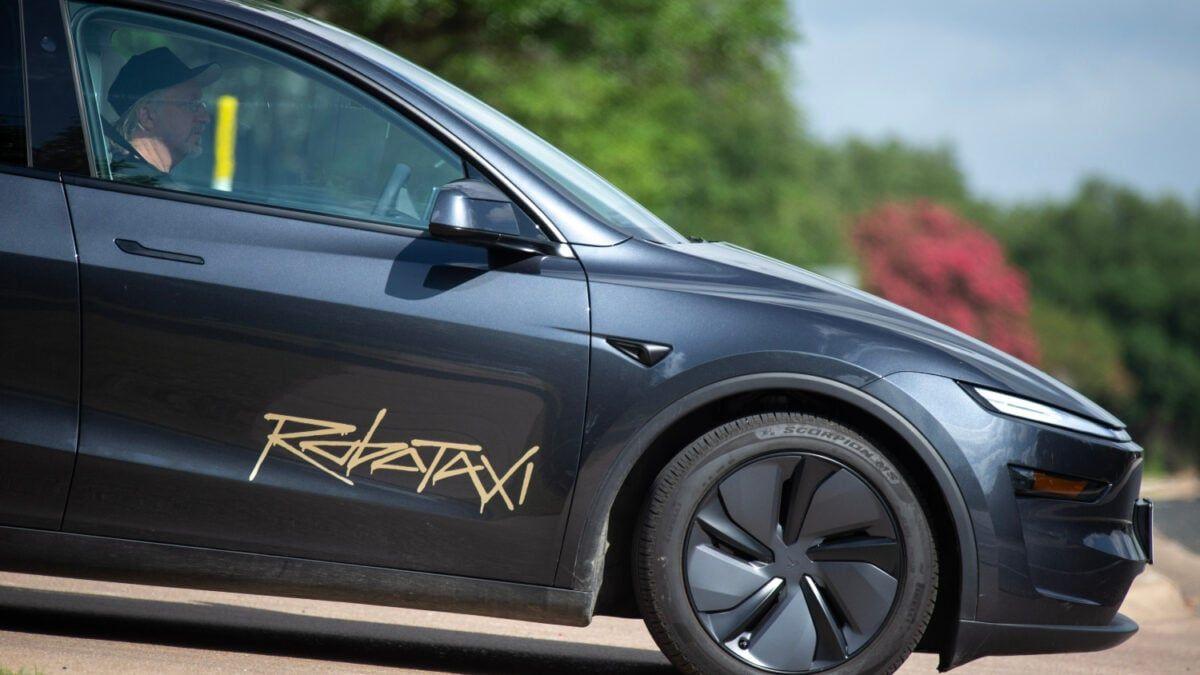
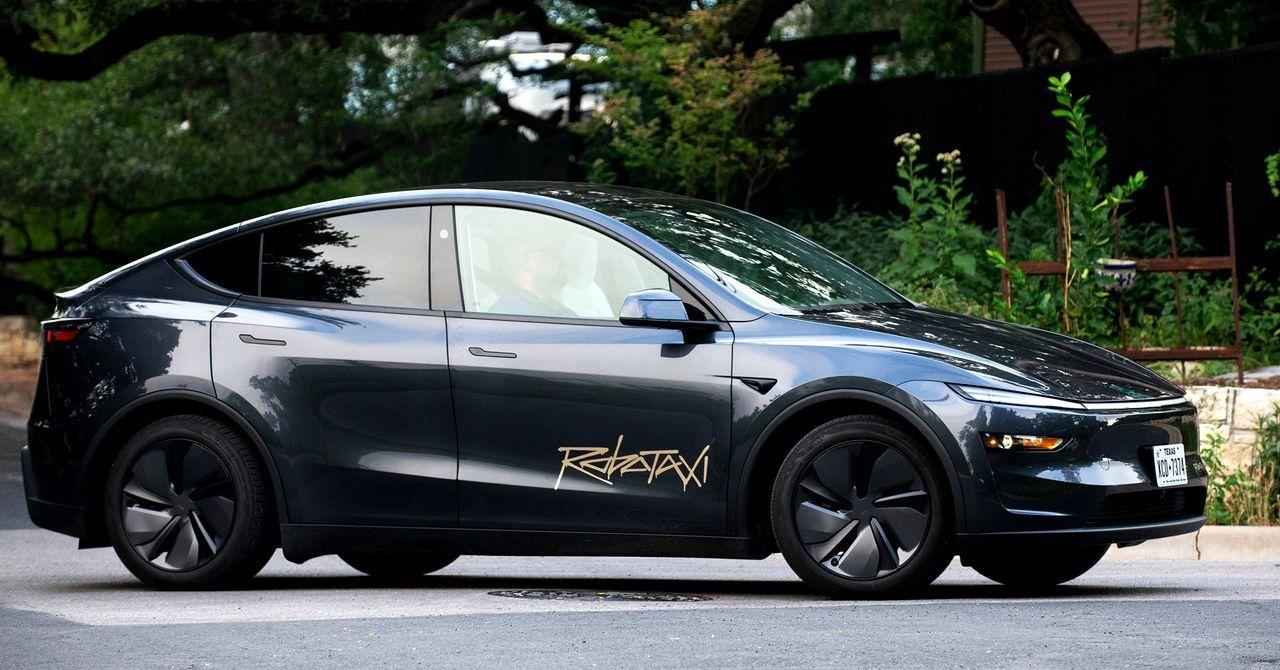
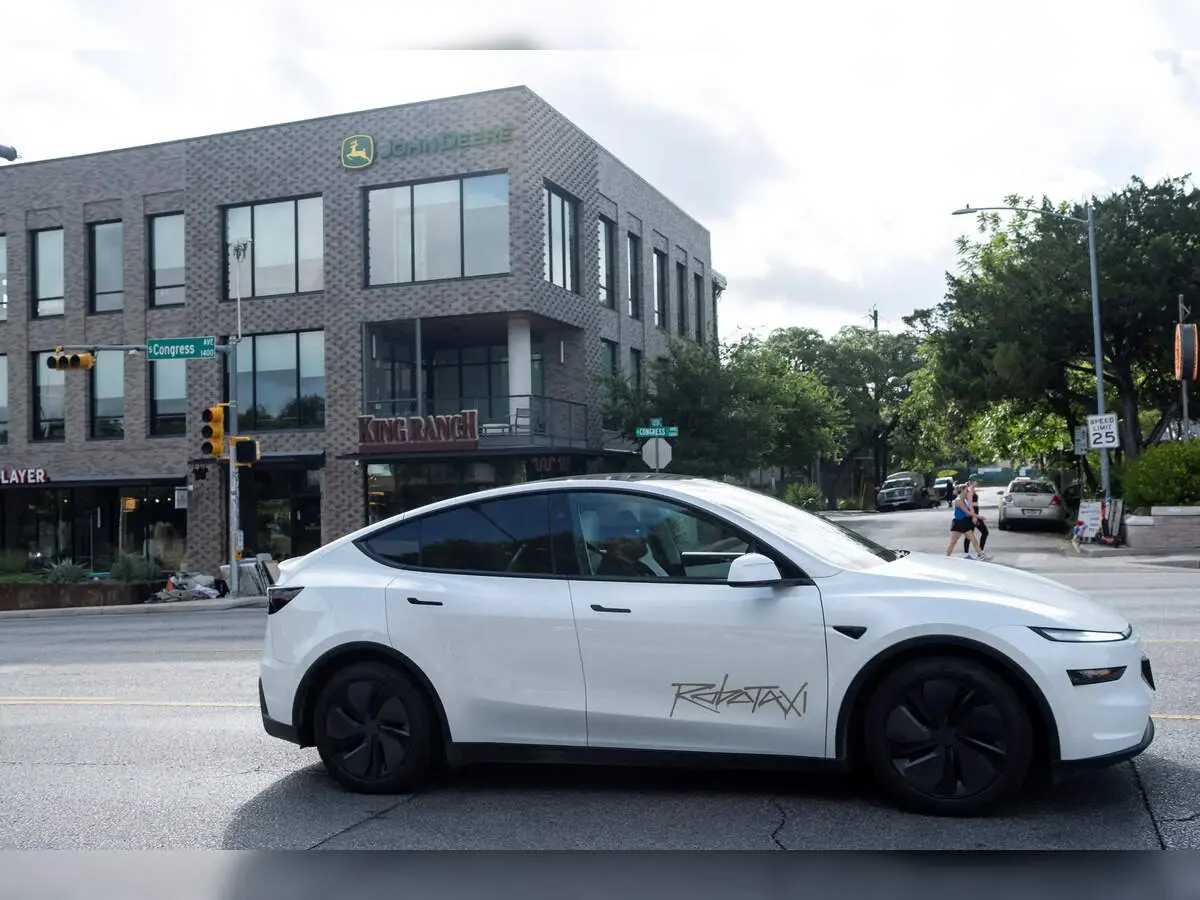
Tesla’s ride-sharing permit in the state means it doesn’t have to submit data on its operations. Tesla’s so-called Robotaxi service in California is being treated by regulators more like a chauffeured car service than a true autonomous cab operation like its competitors Waymo and Zoox. A top California regulator recently clarified that distinction, saying Tesla does not have the permit required to operate a real robotaxi service in the state. As a result, the company is not required to submit the same safety and driving data to regulators as its rivals. Pat Tsen, deputy executive director for consumer policy, transportation, and enforcement at the California Public Utilities Commission (CPUC), explained the situation during an interview on The Driverless Digest podcast. She said Tesla’s ride-sharing service operates under a different type of permit, one typically used for traditional car services. “What they have from us is essentially a charter party carrier permit. It is the same type of permit that a limousine company would get from the CPUC to provide a limousine service. So, in terms of our view of the person who is sitting in the driver’s seat, that is a driver that is not a safety driver,†Tsen said. Tsen explained that the reason for this distinction is that Tesla’s AV technology is not advanced enough yet. “So in California, we define autonomous vehicles to be those that are SAE [formerly Society of Automotive Engineers] level three â€" meaning that the onboard AI system is capable of navigating designated road conditions within an operational design domain on its own,†she said. Tesla’s system is considered level two, meaning it still requires a human driver to take over at any time. Waymo and Zoox, by contrast, operate at level four, meaning their vehicles can drive themselves in specific, designated areas without human intervention. This distinction effectively puts Tesla in a regulatory blind spot. Unlike its competitors, it does not have to report detailed operational data to the CPUC, such as location data, number of passengers, vehicle miles traveled, or stoppage events when a car gets stuck for more than two minutes. Electrek reported that in November, Tesla lobbied to keep level two ride-hailing services from having to report this kind of data. Still, that hasn’t stopped Tesla from branding and naming its service as a "Robotaxi." Separately, another California agency has already taken issue with how the company markets its self-driving technology in consumer vehicles. After initially agreeing to a California Department of Motor Vehicles ruling that the automaker had engaged in false advertising, Tesla is now suing the DMV to reverse that decision. The company is insisting that “Autopilot†and “Full Self-Driving†are still appropriate labels for its tech. Tesla did not immediately respond to a request for comment from Gizmodo.
[2]
California regulator confirms Tesla is 'not operating an autonomous vehicle service'
California's top transportation regulator has made it explicit: Tesla is not operating an autonomous vehicle service in the state. The company holds the same permit as a limousine company. Pat Tsen, the deputy executive director for consumer policy, transportation, and enforcement at the California Public Utilities Commission (CPUC), confirmed that Tesla's ride-hailing operation is classified as a standard chauffeur service -- not a "robotaxi" -- and is subject to none of the safety reporting and data transparency requirements imposed on actual autonomous vehicle operators like Waymo and Zoox. In an interview on the Driverless Digest Podcast, Tsen was unambiguous about Tesla's regulatory classification. When the host mentioned taking a paid Tesla "robotaxi" ride in San Francisco, Tsen corrected the framing directly: "Tesla is not operating an autonomous vehicle service. So in California we define autonomous vehicles to be those that are SAE level three -- meaning that the onboard AI system is capable of navigating designated road conditions within an operational design domain on its own. Tesla is a level two system and so they do not have a permit with the California Public Utilities Commission and my understanding is that they do not have a permit with the DMV either." What Tesla does have, Tsen explained, is a charter party carrier (TCP) permit -- the exact same authorization that limousine companies obtain: "What they have from us is essentially a charter party carrier permit. It is the same type of permit that a limousine company would get from the CPUC to provide a limousine service. So in terms of our view of the person who is sitting in the driver's seat, that is the driver. That is not a safety driver. So even if they're using a tool to help them drive autonomously, there is a driver in the safety seat." Tsen compared Tesla's service directly to any other driver-assist ride on the Uber platform, calling it "similar to a person using full self-driving supervised on the Uber platform." The classification has significant consequences for transparency. The CPUC collects detailed per-trip data from actual AV operators -- including location data, passenger data, vehicle miles traveled, idling time, and "stoppage events" (instances where a vehicle is stuck for more than two minutes or requires remote intervention). This data is published in quarterly reports available to the public. None of that applies to Tesla. When asked whether CPUC data would be available for Tesla's operations, Tsen confirmed they "are not subject to the autonomous vehicle program reporting requirements." This means Tesla's ride-hailing service in the Bay Area operates in a regulatory blind spot, collecting fares, branding itself as a "robotaxi" service, but avoiding every safety reporting obligation that Waymo and Zoox must meet. This confirmation from the CPUC's second-highest-ranking transportation official fits a pattern we've been tracking for over a year. Tesla applied for ride-hailing service in California with human drivers in early 2025, then obtained a TCP permit that March -- the same kind of permit any limo company gets. When the CPUC opened a rulemaking on autonomous ride-hailing regulations, Tesla lobbied to keep "robotaxi" data hidden while Waymo pushed for expanded transparency requirements. Tesla argued that extending quarterly reporting to Level 2 ride-hailing operators would be "burdensome" -- while simultaneously claiming its Level 2 system is safer than human drivers alone. If that claim were true, the data would prove it. Then in February 2026, Tesla filed comments with the CPUC that amounted to a quiet admission: its "Robotaxi" service still relies on in-car human drivers and remote operators in both Austin and the Bay Area. The filing explicitly acknowledged using an SAE Level 2 system -- yet Tesla argued it should retain the right to market the service using terms like "driverless," "self-driving," and "Robotaxi." Meanwhile, Waymo operates fully driverless vehicles across multiple cities, completing over 450,000 paid rides per week, with full CPUC reporting requirements and published safety data. The gap between the two companies' actual capabilities could not be wider. What Pat Tsen said in this interview is what we've been reporting for over a year, but it hits differently coming from the CPUC official who directly oversees autonomous vehicle regulation in California. Tesla is running a chauffeur service with a limousine permit and calling it a "robotaxi." The state's own regulator is telling you, on the record, that the driver in the seat is just a driver -- not a safety driver, not an autonomous backup. A driver. The real consequence here is the reporting gap. Waymo and Zoox submit detailed per-trip data that the public can scrutinize. Tesla submits nothing, because it's not classified as an AV operator. So the company gets to market itself as a robotaxi service while ducking every transparency requirement designed to keep passengers and the public safe. It's the best of both worlds for Tesla and the worst for consumers. The fact that Tesla is only operating its limited robotaxi service in Texas, where autonomous driving regulations are notoriously the most minimal in the country, tells everything you need to know about Tesla's effort. Tesla is actively avoiding reporting any significant data about its program publicly. It's easy to understand why.
[3]
Elon Musk's Tesla Ride-Hailing Service Isn't A Robotaxi, California Regulator Says - Tesla (NASDAQ:TSLA)
Tesla's Ride-Hailing Not A Robotaxi, CPUC Says In an appearance on the Driverless Digest podcast on Monday, Pat Tsen, who serves as the Deputy Executive Director for Consumer Policy, Transportation, and Enforcement at the CPUC, confirmed that the EV giant holds the same permit by the Department of Motor Vehicles that is issued to limousine operators in the state. "Tesla is not operating an autonomous vehicle service," Tsen confirmed, adding that the CPUC classified vehicles based on the Society of Automotive Engineers (SAE) system, with autonomous vehicles being defined as an SAE Level 3, which illustrates that "the onboard AI system is capable of navigating designated road conditions within an operational design domain on its own," she added. Tesla was at level 2 and featured a safety driver, which is classified as a driver, even if they do not engage with driving operations, by CPUC rules. This also means that it was exempt from reporting any data to the CPUC, she confirmed. Tsen shared that the automaker was "not subject to the autonomous vehicle program reporting requirements" under the rules. Tesla's Cybercab, NHTSA Scrutiny The comments come as Tesla is gearing up to launch its Cybercab, which will retail for $30,000 and feature neither pedals nor a steering wheel. The Cybercab will also be ramping up production in April, as confirmed by Musk, who shared that production would be slow initially. Robotaxi Woes The service, in January, also reported 5 additional crashes in Austin, which takes the total number of reported incidents from mid-2025, when the service started, to 14. According to Benzinga Edge Rankings, Tesla scores well on the Momentum metric and also offers a favorable price trend in the Long term. Price Action: TSLA gained 0.76% to $385.95 at market close on Wednesday, but declined 0.16% to $385.35 during the after-hours session. Check out more of Benzinga's Future Of Mobility coverage by following this link. Photo courtesy: Shutterstock Market News and Data brought to you by Benzinga APIs To add Benzinga News as your preferred source on Google, click here.
Share
Share
Copy Link
A California regulator has confirmed that Tesla's so-called robotaxi service holds the same permit as limousine companies and is not operating an autonomous vehicle service. The classification means Tesla is exempt from safety reporting requirements that apply to competitors like Waymo and Zoox, creating a significant regulatory loophole.
California Regulator Challenges Tesla Robotaxi Classification
Pat Tsen, deputy executive director for consumer policy, transportation, and enforcement at the California Public Utilities Commission (CPUC), has publicly clarified that Tesla is not operating an autonomous vehicle service in California
1
. Speaking on The Driverless Digest podcast, Tsen explained that Tesla's ride-hailing service holds a charter party carrier permit—the same authorization that a limousine company would obtain from the CPUC2
. This classification effectively places the company in a regulatory blind spot, allowing it to market its service as a Tesla Robotaxi while avoiding the transparency and safety obligations imposed on actual autonomous vehicle operators.SAE Level 2 System Requires Human Driver
The distinction hinges on technical capabilities. In California, autonomous vehicles are defined as those operating at SAE Level 3 or higher, meaning the onboard AI system can navigate designated road conditions within an operational design domain independently
3
. Tesla's system is classified as a SAE Level 2, which requires human driver intervention at any time. "The person who is sitting in the driver's seat, that is a driver. That is not a safety driver," Tsen emphasized2
. This contrasts sharply with competitors like Waymo and Zoox, which operate at Level 4 autonomy, enabling their vehicles to drive themselves in specific areas without human intervention.Exempt from Safety Reporting Requirements Creates Regulatory Loophole
The limousine company permit classification has significant implications for data transparency. While Waymo and Zoox must submit detailed operational data to the CPUC—including location data, passenger counts, vehicle miles traveled, and stoppage events when a vehicle gets stuck for more than two minutes—Tesla faces no such obligations
1
. Tsen confirmed that Tesla is "not subject to the autonomous vehicle program reporting requirements"2
. This regulatory loophole means the public cannot scrutinize Tesla's safety performance through the same quarterly reports that provide visibility into competitor operations. Waymo, for comparison, completes over 450,000 paid rides per week with full CPUC reporting and published safety data2
.Tesla Lobbied Against Data Transparency
In November, Tesla actively lobbied to prevent SAE Level 2 ride-hailing services from having to report detailed operational data
1
. The company argued that extending quarterly reporting requirements to Level 2 operators would be "burdensome," even while claiming its technology is safer than human drivers alone2
. In February 2026, Tesla filed comments with the CPUC acknowledging that its ride-hailing service relies on in-car human drivers and remote operators in both Austin and the Bay Area, yet argued it should retain the right to use marketing claims like "driverless," "self-driving," and "Robotaxi"2
.Related Stories


Ongoing Disputes with DMV and Safety Concerns
The CPUC classification isn't Tesla's only regulatory challenge. The California Department of Motor Vehicles (DMV) previously ruled that the automaker engaged in false advertising regarding its Autopilot and Full Self-Driving features
1
. After initially agreeing to this determination, Tesla is now suing the DMV to reverse the decision, insisting that these labels remain appropriate for its technology. Meanwhile, Elon Musk continues to promote the upcoming Cybercab, a vehicle retailing for $30,000 that will feature neither pedals nor a steering wheel, with production ramping up in April3
. The service has also reported 14 total crashes since mid-2025, including 5 additional incidents in Austin in January3
.What This Means for the Industry
The gap between Tesla's marketing and its actual regulatory status raises questions about consumer understanding and industry standards. Tsen compared Tesla's service to "a person using full self-driving supervised on the Uber platform"
2
—essentially a classified as a chauffeur service with driver-assist technology. As the autonomous vehicle industry matures, the distinction between genuine self-driving capabilities and advanced driver assistance systems becomes increasingly important for consumer safety and informed decision-making. Watch for potential regulatory changes that could close this reporting gap and require more uniform data transparency across all ride-hailing services, regardless of their technical classification.References
Summarized by

Navi
[1]
Related Stories
Recent Highlights
1
OpenAI shuts down Sora video app after six months, ending Disney's $1 billion investment deal
Technology

2
AI-Generated Val Kilmer to Posthumously Appear in As Deep as the Grave After His Death
Entertainment and Society

3
Supermicro Co-Founder Indicted in $2.5 Billion Nvidia AI Chip Smuggling Scheme to China
Policy and Regulation
Recent Highlights
Today's Top Stories





Your Daily Dose of Curated AI News
Don’t drown in AI news. We cut through the noise - filtering, ranking and summarizing the most important AI news, breakthroughs and research daily. Spend less time searching for the latest in AI and get straight to action.

