28 Sources
28 Sources
[1]
OpenAI "indefinitely" shelves plans for erotic ChatGPT
Following backlash, OpenAI won't be rolling out an erotic version of ChatGPT any time soon. According to the Financial Times, the controversial plan has been shelved "indefinitely" as OpenAI "refocuses" its attention on "core products." Insiders told FT that OpenAI mulled scrapping the "adult mode" plan entirely, as even its own advisors warned that ChatGPT users could form unhealthy attachments, which might harm their mental health. One advisor chillingly suggested that the tweak risked turning ChatGPT into a "sexy suicide coach." Advisors weren't the only ones seeing red flags, the report said. Staff began questioning whether sexy ChatGPT aligned with OpenAI's mission to make AI that benefits humanity. For staff working on developing "adult mode," it apparently wasn't worth the effort to overcome technical challenges for the feature. They faced "difficulties," sources told FT, "training AI models that previously avoided such conversations for safety reasons to produce explicit content." It was also hard to keep illegal behavior out of outputs, like bestiality and incest, when using datasets that included sexual content, sources said. Sexy ChatGPT also apparently turned off investors. Two people familiar with the matter told FT that "OpenAI's flirtation with adult mode had caused disquiet" as some investors questioned why OpenAI would risk its reputation on a product with "relatively small upside" for its business. Even without erotic responses, ChatGPT has been linked to mental health harms in both kids and adults through lawsuits alleging that OpenAI recklessly released the chatbot without appropriate safeguards. One of the first big lawsuits alleged that ChatGPT became a "suicide coach" to a teen boy. More recently, OpenAI was sued after ChatGPT wrote a "suicide lullaby" about a man's favorite children's book, Goodnight Moon. In one of the most extreme cases, a man died by suicide after murdering his mother. That lawsuit alleged that ChatGPT convinced the man that she tried to poison him as part of a conspiracy fabricated by the chatbot. Earlier this week, OpenAI flagged in a financial document for investors that these lawsuits were among the top risks related to its business, CNBC reported. When OpenAI initially announced that the adult mode was coming last October, CEO Sam Altman wrote on X that the company was confident it could age-gate the sexy talk and said the move was in line with OpenAI's "principles" to "treat adult users like adults." However, one source told FT that OpenAI's age prediction error rate of 10 percent sparked concerns that many kids might be able to access adult content. Instead of killing off the idea at this stage, OpenAI told FT that it plans to conduct "long-term research on the effects of sexually explicit chats and emotional attachments, before making a product decision." The call to delay adult mode will likely appease investors, who are more keen to see OpenAI combine ChatGPT with coding assistants to develop a "super app" that could pay off on one of AI's biggest promises: transforming how businesses operate, FT reported. OpenAI did not immediately respond to Ars' request to comment. The company has previously said its age prediction tools are in line with industry standards.
[2]
OpenAI abandons yet another side quest: ChatGPT's erotic mode | TechCrunch
OpenAI has put the kibosh on yet another project -- at least for the time being. On Thursday, the Financial Times reported that the AI company would be "indefinitely" pausing plans to develop an "erotic" mode for ChatGPT. The proposed "adult mode," which CEO Sam Altman first floated in October, had inspired considerable controversy from tech watchdog groups as well as from OpenAI's own staff. In January, a meeting between company executives and its council of advisors got heated, with one of the advisors cautioning that OpenAI could be in the process of developing a "sexy suicide coach," The Wall Street Journal previously reported. Amidst all of the criticism, the release of the feature was delayed multiple times. FT notes that the erotic feature now has no timeline for release. When reached for comment by TechCrunch, an OpenAI spokesperson said the company had "nothing further to add." Adult mode is only the latest side-quest that OpenAI has abandoned over the past week as the AI giant consolidates its focus. On Tuesday, the company quietly announced that it would be deprioritizing Instant Checkout, a feature within ChatGPT that had sought to make the chatbot a purchase portal where users could buy items from e-commerce websites. Then, on Wednesday, the company surprisingly announced that it would be shutting down Sora, its AI video generator. Sora had been criticized for inspiring the deluge of AI "slop" that has flooded the internet since its launch in 2024. All of the changes come approximately a week after The Wall Street Journal reported that OpenAI would be engaging in a "major strategy shift" to pivot the company away from distractions so that it could zero in on its primary focuses: business users and coders. Why has OpenAI chosen this particular moment to do away with the distractions and lock in? Perhaps it's because it's been feeling the heat from Anthropic, which has been tenaciously releasing a series of coding and business tools over the past few months -- and has seen substantial success in wooing customers as a result. The two companies have also been very openly feuding over Pentagon contracts -- a battle OpenAI appears to have won. Three weeks ago, it announced a $200 million agreement with the Department of Defense, while Anthropic is now locked in a legal battle with the agency. In short, it would appear that, if recent developments tell us anything, the future of AI is probably less about porn and memes and more about business and war.
[3]
OpenAI Is Shelving Its Planned ChatGPT 'Adult Mode' Days After Dropping Sora
Alex Valdes from Bellevue, Washington has been pumping content into the Internet river for quite a while, including stints at MSNBC.com, MSN, Bing, MoneyTalksNews, Tipico and more. He admits to being somewhat fascinated by the Cambridge coffee webcam back in the Roaring '90s. First delayed, now dropped. Less than a month after delaying work on its "adult mode" for ChatGPT, OpenAI has decided to shelve the controversial model "indefinitely," according to a report from the Financial Times. OpenAI CEO Sam Altman has reportedly decided to cut back on "side quests" and focus on its core products of ChatGPT, the coding tool Codex and the agentic AI browser Atlas, along with some other AI projects in development. Another one of those apparent "side quests" was the video generation tool and app Sora, which OpenAI said it would discontinue earlier this week. ChatGPT's adult mode would have enabled users to have text chats with adult themes, but it was not supposed to generate erotic audio, images or videos. The erotic chatbot received pushback from people within and outside of OpenAI, who said it could not safely prevent minors from accessing it nor contain exploitative content. OpenAI said earlier this month that it was only pausing, not ending, work on the project. OpenAI did not immediately respond to CNET's request for comment. (Disclosure: Ziff Davis, CNET's parent company, in 2025 filed a lawsuit against OpenAI, alleging it infringed Ziff Davis copyrights in training and operating its AI systems.) There appeared to be too many pressures for OpenAI's adult mode to get off the ground. Internal advisers were concerned that children would gain access to the chatbot and that it would be hard to prevent sexual abuse material from getting into the model. OpenAI investors were worried that adult mode offered more risk than benefit. Alongside social challenges, OpenAI also faced technical hurdles in training the model, according to FT. OpenAI appears to be shifting its focus amid competition from Google and Anthropic, which are increasingly eating into the company's market share. Google launched Gemini 3 -- its latest version -- in November, and it beat ChatGPT on performance tests. Anthropic also released Claude Opus 4.5 in November. Altman declared a "code red" to employees in December, telling them to improve ChatGPT. The Ramp Index, which tracks AI adoption among tens of thousands of US businesses, said Anthropic had a 5% gain in business AI adoption in February, compared with a 1.5% decline for OpenAI. Read more: OpenAI's Slop Machine Sora Is Dead. We're All Better Off Without It Though financial trouble wasn't cited as a reason for OpenAI's recent shift in focus, the San Francisco start-up has been scrambling to balance the books and generate revenue from its technologies, according to The New York Times. OpenAI's own forecast predicts a $14 billion loss in 2026, while it plans to spend $200 billion through the end of the decade. OpenAI's decision to shelve ChatGPT's adult mode comes amid growing criticism of sexualized content available in AI chatbots. Grok, a chatbot powered by Elon Musk's xAI, has been widely criticized for allowing users to create fake nude or sexually suggestive images of people, including minors, with just a photo. The City of Baltimore on Wednesday sued xAI for generating nonconsensual sexual images in violation of the city's consumer protection and deceptive practice laws. For its part, Meta has also been under fire for enabling its AI bots to have sensual conversations with children.
[4]
OpenAI shelves erotic chatbot 'indefinitely'
OpenAI has paused plans to release a sexualized "adult mode" for ChatGPT, in its latest move to refocus on the company's core products. According to The Financial Times, the erotic chatbot has been shelved "indefinitely" after facing pushback from employees and investors due to the problematic and harmful effects sexualized AI content can have on society. This decision comes in the wake of OpenAI also discontinuing its text-to-video AI platform Sora, citing "internal discussion about our broader research priorities." It's the latest side quest to be dropped by the company after CEO Sam Altman declared a "code red" in December, suggesting that competitors like Google and Anthropic are starting to close in on the ChatGPT-maker's once-unassailable lead. OpenAI wants to spend more time researching the long-term effects of sexually explicit chats and emotional attachments before making a product decision, The Financial Times reports, but said there was currently no "empirical evidence." Last week, The Wall Street Journal also reported that the adult mode had been delayed amid internal concerns surrounding moderation and safeguarding children.
[5]
OpenAI Doesn't Want You Talking Dirty to ChatGPT. 'Adult Mode' Paused Indefinitely
You may never get to experience ChatGPT's adult mode. OpenAI just confirmed to the Financial Times that it is putting the project on hold as it shifts focus toward its core products. The news comes after The Wall Street Journal reported that some of the company's staffers and advisors were concerned about the negative impact the erotic AI could have on users. At the time, OpenAI told the Journal that its adult mode would be smut and not pornography. It's unclear if OpenAI will ever roll out adult mode. For now, the company wants more time to research the potentially harmful effects of sexually explicit chats and the emotional attachments they may create, a spokesperson tells the FT. Investors weren't excited about the prospect, either, two sources tell the FT. Elon Musk-owned X left Grok largely unchecked, but the move backfired as the chatbot began generating sexually explicit images of users, including minors, without their consent. This led to bans across multiple regions, and xAI eventually had to rein in the chatbot. Meanwhile, OpenAI is also facing lawsuits for encouraging unhealthy conversations on ChatGPT. Earlier this week, rival Meta also lost two court cases related to the negative effects of social media and child exploitation. This is the second major product that OpenAI has retreated from this week. On Tuesday, the company announced it would discontinue its Sora AI video-generation app so it could use the compute power required for Sora on other projects. Given the popularity of Grok's anime porn bot, it stands to reason that ChatGPT's adult mode also would have consumed a lot of compute, too. Earlier this month, a senior OpenAI executive reportedly told employees that the company would prioritize productivity tools over "side quests" going forward. Late last year, CEO Sam Altman also issued a "code red" following the launch of Google's Gemini 3. It has since had to contend with the growth of Anthropic's Claude, too. Disclosure: Ziff Davis, PCMag's parent company, filed a lawsuit against OpenAI in April 2025, alleging it infringed Ziff Davis copyrights in training and operating its AI systems.
[6]
OpenAI indefinitely pauses plans to release erotic chatbot, FT says
March 26 (Reuters) - OpenAI has shelved plans to release an erotic chatbot indefinitely as it looks to focus on its core products, according to a report by the Financial Times on Thursday, citing people familiar with the matter. Employees and investors have raised concerns about the effect of sexualized AI content on society, the report said. OpenAI has also abruptly canceled Sora, a text-to-video model, and is now looking to focus on other research areas and rolling out more of its capabilities into a single super-app. The company did not immediately respond to a Reuters request for comment. Reporting by Akash Sriram in Bengaluru; Editing by Anil D'Silva and Shinjini Ganguli Our Standards: The Thomson Reuters Trust Principles., opens new tab
[7]
OpenAI puts erotic chatbot plans on hold 'indefinitely'
OpenAI has shelved plans to release an erotic chatbot "indefinitely" as it refocuses on its core products, following concerns from staff and investors about the effect of sexualised AI content on society. Sam Altman's start-up had already delayed the release of its "adult mode" amid internal discussions over whether to scrap the model entirely, according to multiple people familiar. The sexual chatbot faced growing pushback over how it could encourage unhealthy attachments to AI systems and expose minors to problematic sexual content. The erotic model was on hold with no timeline for its release, OpenAI confirmed. The $730bn AI lab said it wanted to have long-term research on the effects of sexually explicit chats and emotional attachments, before making a product decision, acknowledging there was no "empirical evidence" at present. It marked the latest decision by OpenAI to drop what executives have termed "side quests" in favour of devoting resources to productivity tools, bringing together products such as coding assistants and ChatGPT into one "super app". OpenAI on Tuesday said it was winding down its Sora video generation model and social app. The erotic model had proved particularly controversial for OpenAI, at a time when social media groups such as Meta are facing a legal reckoning over their products' harm to children. Elon Musk's xAI last year made a big push to attract users with adult content but faced a global backlash over its Grok model creating fake sexual images of real people, including children. The tension highlights the pressure on OpenAI to boost engagement and find new avenues for growth in a competitive market, while grappling with the ethical and reputational risks of products that blur the line between utility and emotional dependence. OpenAI's flirtation with adult mode had caused disquiet among some of its investors, according to two people familiar with the matter, because of the risks of such a product and its relatively small upside for the business. OpenAI's adult mode had also raised alarm bells among staff about whether pursuing a product that encourages romantic use is at odds with its founding mission to ensure that AI benefits all of humanity. "AI shouldn't replace your friends or your family; you should have human connections," said one former senior employee, who said they left in part due to the issue. Alongside rising concerns about the project's social impact, the start-up has faced technical challenges in creating an adult mode. OpenAI had difficulties in training AI models that previously avoided such conversations for safety reasons to produce explicit content, two people familiar with the project said. They added that using datasets including sexual content posed challenges, including removing illegal behaviour such as bestiality or incest. OpenAI said it was carefully defining the right boundaries and training the model to distinguish certain content in nuanced scenarios. Code in the ChatGPT web app suggests that the adult model, called "Citron mode", may require users to verify they are over 18 to access it. Over the past few months, OpenAI has introduced a new age prediction system after several lawsuits were brought by families of teenagers who claim ChatGPT harmed them. The technology has an error rate of more than 10 per cent, one person familiar with the matter said, heightening concerns about underage access. The Wall Street Journal first reported the error rate and that OpenAI's expert advisory council on wellbeing had raised concerns about the adult product. OpenAI said its age prediction system performs in line with industry standards, and it continues to invest in improving its accuracy and reliability. Additional reporting by George Hammond in San Francisco
[8]
OpenAI drops plans to release an adult chatbot
OpenAI has "indefinitely" abandoned plans to release an a erotic chatbot for adults following concerns from employees and investors, the company confirmed to The Financial Times. Plans for such a feature, first announced in October 2025 for release in December last year, had already been delayed while company debated whether to release it all. It's the second app OpenAI has decided to shelf this week, after announcing on Tuesday that it was shutting down its Sora video generator. The adult-oriented chatbot, reportedly called "Citron mode," is now on hold with no planned release date. The company reportedly had difficulty training models that previously avoided erotic content and also removing illegal behavior like bestiality or incest, two people familiar with the matter told the FT. Open AI said that it wanted to conduct long-term research on the effects of erotic chats and user attachment to AI, adding that there was currently not yet enough "empirical evidence" on the subject. The company also said it wanted to focus on its core productivity tools like coding assistants and drop "side quests" like Sora and the erotic chatbot. The idea for adult features came after OpenAI announced that it would add parental controls and automatic age detection features for ChatGPT. CEO Sam Altman said back in October that the company had always been careful about such issues over concerns around unhealthy AI attachments, but felt comfortable that it could "safely relax the restrictions in most cases." However, the adult mode had reportedly caused concern among investors, particularly amid the controversy caused by rival xAI's Grok model that generated deepfake nudes of real people and children. Staff also worried about the feature, with one senior employee even leaving the company over the issue. "AI shouldn't replace your friends or your family; you should have human connections," he told the FT. Another challenge is OpenAI's age-checking tech, introduced following lawsuits from families who said that ChatGPT harmed their children. The tech reportedly has an error right higher than ten percent, which would still give a large number of young people access to the tech. OpenAI said that figure is in the industry standard range and that it is continuing to work on its accuracy.
[9]
OpenAI shelves erotic ChatGPT after staff, investors, & advisors revolt
OpenAI has shelved its plans to add an erotic "adult mode" to ChatGPT indefinitely, the Financial Times reported on Wednesday, capping a five-month saga in which the feature was announced with confidence, delayed twice, and ultimately abandoned after pushback from staff, advisors, and investors. The retreat is the third major product reversal for OpenAI in a single week, following the shutdown of its Sora video generation app on Monday and the subsequent collapse of a planned $1 billion investment from Disney. The adult mode was first announced by CEO Sam Altman in October 2025, when he wrote on X that OpenAI was confident it could age-gate sexually explicit conversations and that the move aligned with the company's principle to "treat adult users like adults." It was initially scheduled for December 2025, then pushed to the first quarter of 2026, and has now been postponed with no timeline for release. OpenAI told the Financial Times it plans to conduct "long-term research on the effects of sexually explicit chats and emotional attachments" before making a product decision. The problems were technical, ethical, and commercial, and they compounded one another. Engineers working on the feature discovered that training models which had been built to avoid sexual content for safety reasons to produce explicit material reliably was harder than anticipated. When they used datasets that included sexual content, the models also generated outputs involving illegal scenarios, including bestiality and incest, that proved difficult to filter out. The feature was not merely controversial; it was resistant to being built safely. OpenAI's own advisory board raised concerns that went beyond content moderation. Advisors warned that sexually explicit ChatGPT interactions could foster unhealthy emotional attachments with serious mental health consequences. One advisor described the risk as turning ChatGPT into a "sexy suicide coach," a phrase that resonates grimly given the company's existing legal exposure. OpenAI currently faces at least eight lawsuits alleging that ChatGPT contributed to user deaths, including the case of Adam Raine, a 16-year-old from Southern California whose family alleges the chatbot discussed methods of suicide with him more than 200 times before he took his own life in April 2025. Earlier this week, OpenAI flagged these lawsuits as among the top risks to its business in a financial document disclosed to investors. Staff, too, began to question whether the feature served OpenAI's stated mission. The company's charter commits it to building artificial general intelligence that benefits humanity. Some employees found it difficult to reconcile that ambition with the engineering effort required to make a chatbot talk dirty without breaking the law. Investors delivered what may have been the decisive objection: the economics did not justify the risk. Two people familiar with the matter told the Financial Times that some investors questioned why OpenAI would jeopardise its reputation for a product with "relatively small upside." The AI-generated adult content market exists, but it is served by a constellation of smaller, less scrutinised companies. For a company raising capital at a $300 billion valuation and courting enterprise customers, the brand damage from association with explicit content outweighed the potential revenue. The age verification problem sharpened this concern. OpenAI's approach relied on AI-based age prediction rather than hard identity checks, and internal testing revealed an error rate of approximately 10 per cent, meaning roughly one in ten users could be misclassified. For a product designed to keep explicit content away from minors, that margin is not a rounding error. It is a regulatory and reputational catastrophe waiting to happen, particularly in a legal environment where multiple US states have passed or proposed laws requiring platforms to verify users' ages before granting access to adult material. The adult mode decision does not exist in isolation. On Monday, OpenAI announced it would discontinue Sora, the AI video generation tool it had positioned as a creative platform for filmmakers and content creators. Sora consumed vast computing resources relative to its revenue, and its most prominent commercial partnership, a three-year licensing agreement with Disney that would have allowed users to generate videos featuring characters from Disney, Marvel, Pixar, and Star Wars, collapsed after the shutdown was announced. Disney had planned to invest $1 billion in OpenAI as part of the deal. No money had changed hands. Together, the three reversals paint a picture of a company pulling back from consumer product experiments and refocusing on its core business. The Financial Times reported that investors are more interested in seeing OpenAI combine ChatGPT with coding assistants to develop a "super app" aimed at transforming how businesses operate, a vision with clearer monetisation and fewer reputational hazards than either video generation or erotic chatbots. OpenAI has said it will reallocate resources to robotics and autonomous software agents, areas where the path from research to commercial value is more direct and the regulatory landscape, while complex, does not involve the specific toxicity of sexualised AI and child safety failures. There is a recurring dynamic in OpenAI's product strategy: announce ambitiously, encounter the real-world complications that less confident organisations might have anticipated, and then retreat while framing the reversal as prudent research. The adult mode was announced before the technical problems of safe content generation were solved, before the age verification system could achieve acceptable accuracy, and before the advisory board's concerns about mental health harms had been addressed. The Sora partnership with Disney was announced before the product had demonstrated commercial viability. In both cases, the announcement generated coverage and signalled ambition, but the follow-through revealed gaps between what was promised and what could be delivered. The company's willingness to shelve the feature, rather than push it out despite the risks, is itself worth noting. It suggests that the pressure from lawsuits, investors, and internal dissent is beginning to function as a corrective mechanism, pulling OpenAI back from the edges of what is technically possible toward what is commercially and ethically sustainable. Whether that mechanism is reliable, or merely responsive to the most visible crises, is a question the next product announcement will answer.
[10]
OpenAI just nixed ChatGPT's erotic 'adult' mode
This postponement follows other shelved products like Sora AI video app as OpenAI prioritizes core business and enterprise users over controversial features. So much for an official "adult mode" on ChatGPT, with OpenAI reportedly icing plans to roll out an adults-only version of the chatbot. Originally slated to arrive last December, ChatGPT's adult mode already faced a number of delays, including a recent one earlier this month. But now, OpenAI has put ChatGPT's spicy mode on hold "indefinitely," according to the Financial Times. The move comes only days after OpenAI shelved two other high-profile products: the Sora AI video app and "instant checkout" for ChatGPT. The status of a so-called "adult mode" for ChatGPT has been a hotly debated topic ever since OpenAI CEO Sam Altman floated the idea last October, suggesting that a forthcoming age-gated version of ChatGPT would "treat adult users like adults" and even offer "erotica for verified adults." The idea touched off immediate debate in the tech world at large and internally at OpenAI, with the company's user wellness advisers reportedly "freaking out" over the possibility of users developing an "unhealthy emotional dependence" on an adults-only ChatGPT, as well as worrying that minors would gain access to it. Of course, there have already been plenty of cases where users have fallen in love with (and even married) their ChatGPT-powered companions, particularly the GPT-4o model. But while some users say they've had healthy relationships with ChatGPT, others saw their intimacy with the chatbot spiral into psychosis. Aside from safety concerns, OpenAI has also been facing competition from the likes of Anthropic and Google, which have each seen an influx of users after rolling out their own powerful AI models. Back in December -- right around when ChatGPT's adult mode was supposed to launch -- OpenAI's Altman reportedly issued a "code red" at the company after being spooked by the success of Google's Gemini 3. And earlier this month, OpenAI executives implemented a "major strategy shift" that saw the company shelving distracting "side projects" in favor of focusing on coding and the needs of enterprise users. It appears ChatGPT's adult mode got swept up in that refocusing push alongside the Sora app and ChatGPT's instant checkout abilities, though it could well be that concerned OpenAI execs are happy for the excuse to put ChatGPT's controversial "spicy" mode in a drawer.
[11]
AI distances itself from adult content that once drove the tech revolution
Driving the news: OpenAI nixed plans to launch "erotica for verified adults" last week amid concerns from investors and internal teams about safety measures. * Investors were spooked after xAI's Grok chatbot generated illegal child sexual abuse material when prompted, and even after a safety patch was issued, users could still create non-consensual sexualized images. * OpenAI was also concerned about minors accessing erotic content, as ChatGPT failed to predict users' ages with an error rate exceeding 10%. What they're saying: "It's not worth it," Tracey Follows, a futurist who studies the intersection of technology and humans, tells Axios. * "[OpenAI is] in the agent productivity game and not the entertainment content game. They've had to make a choice ... and they don't want the regulatory pressure." The big picture: The adult entertainment industry has long served as a catalyst for the commercialization of emerging technologies, accelerating their use elsewhere, from home video to streaming platforms. Case in point: When the first titan of electronic payment processors laid the groundwork for e-commerce sales, adult entertainment companies were early adopters. * "You can almost say that they invented e-commerce," Frederick Lane, an author who has written a book about pornographic entrepreneurship, tells Axios. Obscenity laws and restrictions also forced the adult industry to embrace nascent technologies to stay ahead of regulations. * "If there was a business model out there for separating consumers from their money, they tried it," Lane said. Zoom in: Before there was Netflix and chill, there was VHS and Betamax, which competed to dominate home video recording. * VHS ultimately prevailed, in part because Sony's Betamax restricted the recording of adult content. "Each step of that content ladder requires faster and faster transmission speeds," Lane said, noting that programmers with industry experience became highly sought after once the demand for explicit images and videos grew online, because outside companies valued their website optimization expertise. * Adult film performers embraced subscription models way before streaming giants like HBO and Paramount caught on. Between the lines: There's a reason why businesspeople say "sex sells." Even now, the adult entertainment industry drives innovation and clicks. * The no. 1 porn site in the world had 3.3 billion page views in February 2026, compared to Netflix's 1.2 billion, according to analytics firm Semrush. * The next most-visited streaming platform, Disney+, had 250 million views. More and more Americans are leaning into AI romance to help address the nation's loneliness epidemic. About 1 in 5 American adults have chatted with an AI agent to simulate a romantic partnership, per Brigham Young University's Wheatley Institute. * Some find the chatbots' comforting and agreeable listeners, while others think there's no real substitute for physical touch. What we're watching: "Most of the big enterprise players, like OpenAI and all of its competitors, won't be able to go down this route," Fellows says. * "It will open up the market to less corporatized, more entrepreneurial players, and you'll get the equivalent of an OnlyFans but in the AI space," Fellows says, adding that she could see a future where specialized companies build out AI companions' capabilities or create more hyper-realistic sex-tech devices through augmented reality. * OpenAI did not respond to Axios' request for comment. Go deeper: What OpenAI's erotica retreat really means
[12]
'This was never just about sex' -- ChatGPT's 'adult mode' being shelved reveals a much bigger AI problem
As OpenAI chases a cleaner, bigger future, the most controversial features are starting to look less like innovation and more like baggage OpenAI has reportedly pushed back plans for a more permissive "adult mode" for ChatGPT indefinitely, shelving the idea after concerns from employees and investors about what a sexualized or more erotically capable chatbot could do in the real world. That it comes only days after OpenAI began closing down its Sora AI video maker makes it clear this isn't just another product pivot. It looks a lot like a company realizing that the very core of AI's appeal is also what makes it impossible to be totally safe and free of controversy, especially at scale, no matter what CEO Sam Altman previously claimed. Adulting AI This was never just about whether ChatGPT should be allowed to get sexy or make videos. Both decisions reflect how adult-mode ChatGPT and Sora are in the uncomfortable category of AI that people are excited about right up until it starts making executives sweat. Adult mode was always going to drag that contradiction into the light. The issue is not simply that sex is controversial - this was never just about sex. The issue is that the moment an AI system becomes convincing enough to sustain flirtation, sensuality, or even simply emotionally loaded companionship, it stops being easy to describe as a neutral tool. It becomes something more socially slippery, something much stranger and more fraught than a "helpful chatbot." A company can absolutely build a chatbot that is flirtier, more suggestive, and more open to adult themes. What it cannot realistically build is one that does all of that while also being guaranteed to remain harmless and uncontroversial in the mainstream future OpenAI is chasing. Even without a formally announced IPO, OpenAI increasingly looks like a company thinking in those terms. And once a company starts imagining itself as a future public-market institution, its tolerance for weirdness tends to plummet. A startup can flirt with cultural chaos and call it innovation. A company that may one day need to reassure investors every quarter starts looking at the same behavior and seeing risk exposure. If OpenAI wants ChatGPT to become the AI layer for everything, it cannot afford for the product to be widely associated with endless titillation and scandal. It's mired in enough copyright lawsuits and fights with former founders as it is. Maturity missing The trap AI companies keep wandering into is that the features attracting users are the same ones that make them hard to domesticate. Of course, plenty of adults are perfectly capable of engaging with erotic media or roleplay without falling apart or inviting public ridicule. The internet has contained stranger things for decades. And over-sanitized AI often feels absurdly juvenile, so why shouldn't mature adults have a mature AI? But even if you accept all of that, it still does not solve OpenAI's actual problem. The question was never whether adults could handle a more permissive chatbot. The question was whether OpenAI could. And the answer increasingly looks like no. Not because every intimate or erotic use of AI is inherently catastrophic, but because the kind of product OpenAI wants to be in the world is fundamentally at odds with the kind of messiness a truly open-ended, emotionally convincing AI inevitably invites. That is the bigger story here. ChatGPT can become more useful, more polished, and more integrated with our lives, but enhancing the chatbot enhances it's capacity for chaos, and no company eyeing Wall Street wants that. Delaying adult mode is a confession that there is no perfect version of this product waiting just around the corner. OpenAI can delay adult mode indefinitely. It can kill Sora. It can refocus on safer, broader utility. What it cannot do is solve the underlying contradiction with a settings toggle. Follow TechRadar on Google News and add us as a preferred source to get our expert news, reviews, and opinion in your feeds. Make sure to click the Follow button! And of course you can also follow TechRadar on TikTok for news, reviews, unboxings in video form, and get regular updates from us on WhatsApp too.
[13]
OpenAI's adult chatbot probably isn't happening
Adult mode has been shelved "indefinitely." Credit: picture alliance/getty images Just days after OpenAI unceremoniously pulled the plug on its video generation app Sora, a new report from Financial Times claims the company has put plans to launch an x-rated chatbot on hold "indefinitely." Originally promised in the fall of 2025 as an extra feature for verified users, the sex-centered adult mode for ChatGPT was delayed a few weeks back. However, it seemed at the time that the company was still intent to launch it eventually, with a a company spokesperson saying that getting the (adult) experience right would "take more time." Now, however, it appears that the project has been shelved for good. The company will instead focus on its core products, the report said. The reasoning behind the move isn't that hard to understand, given the headaches the Grok chatbot recently caused its maker xAI over sexualized images of adults and children. According to the Financial Times, both OpenAI investors and staff raised concerns about a sexualized AI and its effect on society. Furthermore, there were technical challenges - including the bot's inability to accurately distinguish between adults and minors, with an error rate of over 10 percent. More broadly, it appears that both the shutdown of Sora and the dismantling of adult mode are part of OpenAI's effort to reduce the number of lawsuits hitting the company. Over the past six months, several lawsuits were filed against OpenAI as young people died by suicide after interacting with ChatGPT, prompting the company to introduce an age prediction system in January.
[14]
OpenAI Cancels Spicy "Adult Mode" Chatbot as Crisis Deepens
Can't-miss innovations from the bleeding edge of science and tech The walls continue to close in on OpenAI. The company recently raised an additional $10 billion in funding, bringing its valuation one small step closer to $1 trillion. But actually making any money continues to be an enormous challenge for the ChatGPT maker. The company's panicked executives have made it abundantly clear that distracting "side quests" must be abandoned, while doubling down on both enterprise and coding. The purported goal is to stuff all of its offerings into a single "super app," taking a page out of xAI CEO Elon Musk's playbook. These aren't empty words by OpenAI execs. First, news emerged this week that the company is killing its disastrous Sora video AI slop app, lighting what was supposed to be a groundbreaking $1 billion deal with Disney on fire. Now, the company is axing its spicy "adult mode" chatbot, as the Financial Times reports, once again highlighting how much pressure the company is under as competitors aren't just catching up, but snatching up precious paying customers from right under its nose. According to the FT, OpenAI has since confirmed that the chatbot, which CEO Sam Altman characterized as "erotica for verified adults" in an October tweet, is on hold indefinitely. The company claims it wants to buy itself more time to figure out the long-term effects of hosting such a bot. That's perhaps for the best, given the ongoing discussions surrounding AI psychosis, a troubling trend that has caused an alarming wave of mental health crises as the tech coaxes some users into spirals of paranoid and delusional behavior. OpenAI first openly discussed opening the floodgates for "mature apps" last fall, wtih Altman promising to "treat adult users like adults." Altman also claimed in his October tweet that OpenAI had been able to "mitigate the serious mental health issues," despite a wealth of evidence to the contrary. Earlier this month, the Wall Street Journal reported that company advisors had grown wary of the feature and the many potential risks of letting OpenAI's already-hooked customers engage in intimately-charged conversations. "AI shouldn't replace your friends or your family; you should have human connections," one former senior employee told the FT. There had already been signs that the company was considering that feedback. "We're pushing out the launch of adult mode so we can focus on work that is a higher priority for more users right now, including gains in intelligence, personality improvements, personalization, and making the experience more proactive," OpenAI wrote in a March 9 statement. "We still believe in the principle of treating adults like adults, but getting the experience right will take more time." The company has also been trying to nail down an effective age restriction model, which according to the WSJ has run into major problems. According to the newspaper's sources, the tech had an error rate of north of ten percent, which could've effectively allowed millions of underage users to access explicit chatbots. (OpenAI told the FT that its "age prediction system performs in line with industry standards.") The decision to give up on smut suggests the company is chasing more feasible business strategies as it continues to burn billions of dollars every quarter. Given its plans to invest $600 billion in AI infrastructure over the next four years, the gulf between its revenues and comparatively astronomical expenses is set to continue to grow. And that may not set the company up for success as it gears up to go public, allowing unprecedented scrutiny of its finances.
[15]
ChatGPT is not getting an erotic mode, after all
If you were expecting ChatGPT to get an "erotic mode," that idea is officially off the table. According to Financial Times, OpenAI's spicy mode is on hold "indefinitely." How OpenAI struggled to bring this feature to life OpenAI's so-called "adult mode" for ChatGPT was never meant to be fully explicit. Earlier reports indicated it would be limited to text-based erotica, with strict guardrails to avoid graphic or unsafe content. The feature was also expected to be restricted to verified adult users, adding another layer of control. Recommended Videos However, the rollout kept getting delayed. OpenAI cited safety concerns, technical limitations, and the need to prioritize broader improvements to ChatGPT's core capabilities. The company plans to shift its focus back to its core products, for now. The move also comes after concerns from both staff and investors about the broader social impact of sexualized AI content. OpenAI has said it wants to study the long-term effects of explicit conversations and emotional dependency before making any final call, noting there is currently no solid evidence to guide such decisions. Why OpenAI backing off actually makes sense right now Ever since it was announced that OpenAI planned an erotic mode for ChatGPT targeted at adults, plenty of concerns have been raised. AI chatbots, including ChatGPT, are now tangled in legal cases where conversations ended up with a lost live. A series of suicides and incidents of violent behavior linked to AI influence have emerged in the past couple of years. Last year, a couple from California sued OpenAI, alleging that their son took his life after being encouraged to do so by ChatGPT. Matthew Bergman at Social Media Victims Law Center has filed seven cases against OpenAI, including one alongside Laura Marquez-Garrett, whose 17-year-old son also hanged himself following ChatGPT conversations. In addition to this, there have been numerous instances where ChatGPT gave out harmful medical advice, one which triggered a rare bromide poisoning case in an individual. Then there's the psychological impact, where users have been found making deeper (and disturbing) bonds with AI personalities. Just a day ago, OpenAI also killed its Sora AI video generator, which triggered a copyright backlash and some disturbing internet trends of its own. In such troubling scenarios, it would make sense for OpenAI to cancel "adult mode" for ChatGPT than play with yet another fire.
[16]
First Sora, Now Sexy Chat? OpenAI Cancels Erotic ChatGPT Mode - Decrypt
The reported move comes the same week that OpenAI canceled its Sora text-to-video generator. OpenAI has shelved plans to launch its previously announced erotic chatbot, according to a report, apparently backing away from a controversial expansion of ChatGPT that would have allowed adult users to generate sexual content. The reversal, first reported by the Financial Times on Thursday, follows internal concerns about the societal impact of sexualized artificial intelligence. In January, members of OpenAI's Expert Council on Well-Being and AI reportedly warned that erotic chat features could foster unhealthy emotional dependency among users, and risk turning the chatbot into what one member described as a "sexy suicide coach." OpenAI declined Decrypt's request to comment on the status of the erotic mode, and the firm has yet to post about its fate. The decision to cancel what was reportedly to be called "Citron mode" comes two days after OpenAI canceled its Sora text-to-video model, as the company moves to focus development on a unified AI platform rather than a collection of specialized tools. The move marks a departure from the direction outlined by CEO Sam Altman as recently as October. At the time, Altman said OpenAI planned to allow verified adults to access romantic and erotic content once a robust age-verification system was in place. Altman described the idea as part of a broader effort to treat adult users with greater autonomy while maintaining safeguards for minors. By December, however, the timeline was pushed to 2026 as the company continued to refine its age-estimation technology. While OpenAI may be getting out of the adult chatbot business before it ever really got into it, AI models do not necessarily need an "erotic mode" for users to form connections with them. When OpenAI deprecated GPT-4o last summer, users flooded social media with calls to restore the model after saying they had formed personal and emotional relationships with the chatbot, reflecting a broader debate around erotic chatbots and how people interact with AI. In June, research published by researchers at Waseda University in Tokyo said 75% of participants reported turning to AI systems for emotional advice. At the same time, AI developers are facing growing scrutiny as lawsuits test whether conversational AI systems are responsible for reinforcing delusional beliefs or harmful behavior among vulnerable users.
[17]
OpenAI shelves plans for erotic chatbot
San Francisco (United States) (AFP) - OpenAI has put plans for a sexually explicit chatbot on hold indefinitely, the company said Thursday, amid mounting concerns about the societal and reputational risks of releasing such a product. The move, first reported by the Financial Times, comes as the artificial intelligence giant seeks to shed what executives have described as peripheral projects as it tries to maintain its lead in the AI market. OpenAI told the newspaper it wanted to conduct long-term research into the effects of sexually explicit conversations and emotional attachments before making any product decision. Asked for comment, an OpenAI spokesperson told AFP the company had "nothing further to add." The explicit content feature, internally dubbed "Citron mode," had drawn pushback from both staff and investors, the FT reported. Some employees questioned whether the product was compatible with OpenAI's stated mission of ensuring the technology benefits humanity, while investors raised concerns about the reputational risks relative to any commercial upside, according to the report. OpenAI said last year it would relax restrictions on its ChatGPT chatbot, including allowing erotic content for verified adult users as part of what the company described as a principle to "treat adult users like adults." The dropping of the plan comes the same week that OpenAI announced it was winding down its Sora video social media app, which has been accused of triggering a flood of low value-added AI content online. The decisions come at a sensitive moment for the tech industry, with Meta and other social media companies facing a wave of lawsuits -- and regulations -- over the impact of their platforms on minors. The US Federal Trade Commission has also launched an inquiry into several tech companies including OpenAI over how AI chatbots could negatively affect children and teenagers. Elon Musk's rival AI venture xAI drew global condemnation last year after its Grok chatbot was used to generate fabricated sexual images of real people, including children. OpenAI has also faced its own legal challenges from families of teenagers who say ChatGPT caused harm and even suicide among young people, prompting the company to introduce an age-verification system. The company deployed a behavior-based age prediction technology that estimates whether a user is over or under 18 based on how they interact with ChatGPT.
[18]
OpenAI is narrowing its focus on things that make money
Why it matters: OpenAI is retreating from risky consumer features like adult content while prioritizing business tools and revenue growth -- just as competition from Anthropic intensifies. * Business customers present the clearest revenue models. Those users want to generate text and build an army of agents to 10x the productivity of everyone left on their staff, not engage in erotic chatbot play. Catch up quick: OpenAI CEO Sam Altman announced the proposed erotica feature last October amid reports of declining time spent on ChatGPT. * But it ran into technical problems in testing, including trouble removing references to bestiality and incest, according to The Financial Times. State of play: This is the third consumer retreat in days. OpenAI also: * Killed Sora, the AI video app that went viral after its September launch. * Scaled back Instant Checkout -- its in-chat shopping feature -- and is moving away from handling purchases. * Another blow, though not necessarily OpenAI's choice: Bloomberg reported Thursday that Apple now plans to let rival chatbots -- including Claude and Gemini -- integrate with Siri on iPhones. OpenAI started as a research lab, so it's no surprise they had lots of other irons in the fire, like a web browser, music generation, a wearable AI pin, a smart speaker, smart glasses. * OpenAI says the company is doubling down on what's working, avoiding distractions and seizing the moment. Yes, but: OpenAI isn't giving up on the consumer and the consumer hasn't given up on ChatGPT, despite the hype around Claude. * ChatGPT still has 900 million weekly active users and 50 million consumer subscribers. Between the lines: All signs point to OpenAI clearing the decks for an IPO and trying to turn those millions of active users into paying customers. * "ChatGPT is where people start with AI," OpenAI said in a blog post last month, announcing $110 billion in new investment to "bring frontier AI to more people, more businesses, and more communities worldwide." * On Tuesday -- the same day it killed Sora -- OpenAI published its updated Model Spec, the 100-page document that governs how ChatGPT behaves, a similar document to the one that Anthropic has been regularly updating for Claude. * The company framed its mission around "democratized access" to AI in health, science, education and work, a vision statement conspicuously scrubbed of anything resembling consumer entertainment. What they're saying: Nixing spicy ChatGPT seems to please everyone (except those hoping to use it).
[19]
OpenAI pauses erotic ChatGPT plans after internal pushback
OpenAI shuttered its AI video generator Sora just days earlier. Plans for an erotic ChatGPT are reportedly on hold "indefinitely" after staff and investors raise safety concerns. ChatGPT's "adult mode" launch had already been delayed amid internal discussions around the effects of sexualised AI content, the Financial Times reported. OpenAI told the publication that the erotic model is on hold with no timeline for a future release, adding that it wanted to have long-term research on the effects of sexual chats as part of product development. At the time of its announcement last October, CEO Sam Altman said that a "restrictive" ChatGPT was "less enjoyable" to its users. He said he wanted to "treat adult users like adults". Though the company aimed at relaxing restrictions by gradually tightening safeguards, sources told the Financial Times that OpenAI had difficulties removing illegal sexual behaviour from datasets with adult content. A number of lawsuits also allege ChatGPT poses harm to its users, including one that accuses it of being a "suicide coach". OpenAI began rolling out age prediction on its chatbots earlier this year. Earlier this week, Meta lost a landmark child safety lawsuit which found that the company's platforms enable sexual exploitation. News of the erotic model being placed on hold comes just days after OpenAI shuttered its controversial AI video generator Sora, which was widely criticised for copyright infringement by artists and publishers alike. Despite being a juggernaut in the AI industry, OpenAI is facing increasing pressure from rivals, including Anthropic, which is now capturing a majority of enterprise newcomers. To compete, OpenAI is building a new desktop 'superapp' by fusing together ChatGPT, Codex - the company's coding tool - and Atlas, its ChatGPT-powered browser. It also poached the founder of the viral OpenClaw projects to develop the "next-generation" personal agents. Forrester's VP principal analyst Thomas Husson noted days earlier that OpenAI has likely decided to minimise the associated risks arising from experimental social apps to prioritise profits and enterprise tools, as it plans for its upcoming IPO this year. Meanwhile, the company is raising an additional $10bn on top of the $110bn it raised last month. Don't miss out on the knowledge you need to succeed. Sign up for the Daily Brief, Silicon Republic's digest of need-to-know sci-tech news.
[20]
OpenAI pauses "erotic" mode development to focus on business tools
OpenAI has indefinitely paused plans to develop an "erotic" mode for its ChatGPT chatbot, according to a Thursday report by the Financial Times. This decision marks part of a broader strategic shift by OpenAI to consolidate its focus on business users and coders, deprioritizing other projects. The proposed "adult mode" was first suggested by CEO Sam Altman in October and generated controversy among tech watchdog groups and OpenAI staff. In January, an adviser warned the company could be developing a "sexy suicide coach," The Wall Street Journal previously reported. An OpenAI spokesperson told TechCrunch the company had "nothing further to add" regarding the feature's release timeline. The abandonment of the erotic mode follows other recent project adjustments. On Tuesday, OpenAI deprioritized "Instant Checkout," a ChatGPT feature enabling e-commerce purchases. On Wednesday, the company announced the shutdown of Sora, its AI video generator, which critics had associated with "AI slop." These changes align with a "major strategy shift" reported by The Wall Street Journal approximately a week prior, aiming to pivot OpenAI away from non-core activities. The company's refocus comes amid competitive pressure from Anthropic, which has released business and coding tools. OpenAI recently secured a $200 million agreement with the Department of Defense, while Anthropic is engaged in a legal dispute with the agency.
[21]
OpenAI Might Never Release the Adult Mode in ChatGPT
The AI giant was reportedly also struggling to develop the feature OpenAI's Adult Mode feature for ChatGPT is reportedly facing another hurdle. As per the report, the feature, which will let users have explicit conversations of a sexual nature with the artificial intelligence (AI) chatbot, is being put on hold indefinitely. The decision was reportedly made after several staff members and investors raised concerns about the feature and questioned whether the small upside was worth the ethical debate it would stir. Notably, the feature was already delayed twice in the past. Adult Mode in ChatGPT Reportedly Put on Hold According to a Financial Times report, the San Francisco-based AI giant has decided to delay Adult Mode in ChatGPT indefinitely to focus on its core products, specifically Codex and the expansion of the chatbot. One of the factors behind the latest delay is also concerns about the effect of a sexualised AI on the larger society. Citing unnamed people familiar with the matter, the publication claimed that OpenAI is also holding internal discussions on whether the project should be scrapped entirely. Adult Mode was first announced in October 2025; however, the company delayed it to research the effects of sexual chats with an AI chatbot on individuals. At the time, it admitted that there was no empirical data on the same. A second delay came earlier this month when a report claimed that OpenAI was shifting its focus to other higher-priority projects. Now, the FT report claims that the decision was also influenced by concerns raised by employees and investors. While the company was targeting increased engagement and usage growth, the staff reportedly highlighted the ethical and reputational risks of such a feature. The main concern seems to be emotional dependence. With an AI chatbot flirting and engaging in romantic conversations with a user, there is a higher chance that the user will develop an emotional connection, which can lead to unhealthy attachments. A couple of investors have reportedly highlighted these risks and compared them to the relatively small upside for the business. Another challenge OpenAI is facing is a technical one. As per the report, the AI giant is struggling to train its AI models to generate explicit content after spending a long time training them to avoid such conversations. Training data is reportedly also a concern, as such datasets can contain unethical or illegal content, removing which could be more costly and resource-intensive. Additionally, the feature was slated to be released alongside the company's age verification system when Adult Mode was first announced. However, the report claims that OpenAI's age verification system currently has an error rate of 10 percent. This could lead to ChatGPT providing access to the explicit feature to minors, a mistake OpenAI will be wary of making after facing multiple lawsuits.
[22]
Concerns around sexual content means there won't be an erotic version of ChatGPT
Concerns over harm, moderation, and AI relationships have pushed adult mode off the table Users looking to bring a little spice to the best AI phones, take note - OpenAI has shelved plans to introduce a sexualised adult mode for ChatGPT, following internal concerns about the potential risks of explicit AI interactions with an erotic chatbot. According to a report by The Financial Times (via The Verge), the feature has been paused indefinitely, after pushback from both employees and investors. Concerns reportedly centre on the potential harmful effects of sexualised AI content, including wider societal impact and user wellbeing. OpenAI is said to want more time to research the long-term effects of sexually explicit chats and emotional attachment before making any product decisions. However, the report notes there is currently no clear evidence on those impacts. The move also reflects a wider shift inside the company. According to the same report, CEO Sam Altman previously described a "code red" moment late last year, as competition from rivals like Google and Anthropic intensified - prompting a renewed focus on core products. This decision also follows reports that OpenAI has stepped back from other initiatives, including its text-to-video AI platform Sora, citing internal discussions about broader research priorities. Zoom out, and OpenAI isn't alone in facing scrutiny over sexualised AI content. X, owned by Elon Musk, has introduced new restrictions on its Grok chatbot after concerns around AI-generated explicit imagery - X now blocks users in certain regions from generating or editing images of real people in sexualised contexts, where it would breach local laws. The change came following regulatory scrutiny and concerns over the spread of AI-generated sexual images, including deepfakes. Even with those safeguards, questions remain over how such restrictions will be enforced, and whether users could bypass them using tools like VPNs. Overall, it seems that sexual content remains one of the most sensitive and contested areas of AI development. And, for now at least, OpenAI appears to be putting its erotic chatbot experiment on ice.
[23]
OpenAI indefinitely pauses plans to release erotic chatbot: FT
OpenAI has delayed plans to launch an erotic chatbot indefinitely, choosing to prioritise its core products. Concerns from employees and investors about sexualised AI impacts were noted. The company has also cancelled Sora, its text-to-video model, and is shifting focus toward other research and integrating features into a single super-app. OpenAI has shelved plans to release an erotic chatbot indefinitely as it looks to focus on its core products, according to a report by the Financial Times on Thursday, citing people familiar with the matter. Employees and investors have raised concerns about the effect of sexualized AI content on society, the report said. OpenAI has also abruptly cancelled Sora, a text-to-video model, and is now looking to focus on other research areas and rolling out more of its capabilities into a single super-app. The company did not immediately respond to a Reuters request for comment. OpenAI has shelved plans to release an erotic chatbot indefinitely as it looks to focus on its core products, according to a report by the Financial Times on Thursday, citing people familiar with the matter. Employees and investors have raised concerns about the effect of sexualized AI content on society, the report said. OpenAI has also abruptly cancelled Sora, a text-to-video model, and is now looking to focus on other research areas and rolling out more of its capabilities into a single super-app. The company did not immediately respond to a Reuters request for comment.OpenAI has shelved plans to release an erotic chatbot indefinitely as it looks to focus on its core products, according to a report by the Financial Times on Thursday, citing people familiar with the matter. Employees and investors have raised concerns about the effect of sexualized AI content on society, the report said. OpenAI has also abruptly cancelled Sora, a text-to-video model, and is now looking to focus on other research areas and rolling out more of its capabilities into a single super-app. The company did not immediately respond to a Reuters request for comment.OpenAI has shelved plans to release an erotic chatbot indefinitely as it looks to focus on its core products, according to a report by the Financial Times on Thursday, citing people familiar with the matter. Employees and investors have raised concerns about the effect of sexualized AI content on society, the report said. OpenAI has also abruptly cancelled Sora, a text-to-video model, and is now looking to focus on other research areas and rolling out more of its capabilities into a single super-app. The company did not immediately respond to a Reuters request for comment.
[24]
ChatGPT, But Make It PG: OpenAI Rethinks Adult Content, Erotica Push
OpenAI has announced it is "indefinitely" shelving its plans for a sexually explicit chatbot amid growing concerns about the societal and reputational implications of launching such a product. The internal project, known as "Citron mode," faced resistance from both employees and investors concerned about its alignment with the company's mission to benefit humanity, the Financial Times first reported. Last year, OpenAI had considered relaxing restrictions on its ChatGPT to allow adult content for verified users, under the principle of "treating adults as adults." The decision to halt the chatbot project coincides with OpenAIs announcement of winding down its Sora video social media app, which has been criticized for contributing to a surge of low-quality AI content online. The Federal Trade Commission (FTC) is currently in the process of conducting a study on seven companies -- Alphabet, Character Technologies, Instagram, Meta Platforms, OpenAI, Snap and xAI to determine the potential negative impacts of AI-powered chatbots on children and teens. "As AI technologies evolve, it is important to consider the effects chatbots can have on children, while also ensuring that the United States maintains its role as a global leader in this new and exciting industry. The study we're launching today will help us better understand how AI firms are developing their products and the steps they are taking to protect children," FTC chairman Andrew Ferguson said in the press release last year. Other artificial intelligence companies have faced criticism for permitting their chatbots to generate explicit content or promote harmful behavior. Three Tennessee teenagers have filed a federal class-action lawsuit against Elon Musk's xAI, alleging the company's AI chatbot, Grok, generated sexualized images of them without their consent, Reuters reported. In January, a Colorado mother filed a lawsuit against OpenAI's stating that the artificial intelligence chatbot encouraged her 40 year old man to commit suicide, CNBC reported. In response to safety concerns last year, OpenAI has implemented guardrails for users under 18 including stricter content limits, refusal of intimacy, and real-time monitoring of potentially risky conversations. Earlier this week, OpenAI announced that it would be shutting down its video app Sora a few months after its launch. Sam Altman's firm cited that the company plans to focus on other priorities as the reasoning behind winding down the app. Photo: Shutterstock This content was partially produced with the help of AI tools and was reviewed and published by Benzinga editors. Market News and Data brought to you by Benzinga APIs To add Benzinga News as your preferred source on Google, click here.
[25]
ChatGPT erotic chatbot? OpenAI says no
Concerns over harm, moderation, and AI relationships have pushed adult mode off the table Users looking to bring a little spice to the best AI phones, take note - OpenAI has shelved plans to introduce a sexualised adult mode for ChatGPT, following internal concerns about the potential risks of explicit AI interactions with an erotic chatbot. According to a report by The Financial Times (via The Verge), the feature has been paused indefinitely, after pushback from both employees and investors. Concerns reportedly centre on the potential harmful effects of sexualised AI content, including wider societal impact and user wellbeing. OpenAI is said to want more time to research the long-term effects of sexually explicit chats and emotional attachment before making any product decisions. However, the report notes there is currently no clear evidence on those impacts. The move also reflects a wider shift inside the company. According to the same report, CEO Sam Altman previously described a "code red" moment late last year, as competition from rivals like Google and Anthropic intensified - prompting a renewed focus on core products. This decision also follows reports that OpenAI has stepped back from other initiatives, including its text-to-video AI platform Sora, citing internal discussions about broader research priorities. Zoom out, and OpenAI isn't alone in facing scrutiny over sexualised AI content. X, owned by Elon Musk, has introduced new restrictions on its Grok chatbot after concerns around AI-generated explicit imagery - X now blocks users in certain regions from generating or editing images of real people in sexualised contexts, where it would breach local laws. The change came following regulatory scrutiny and concerns over the spread of AI-generated sexual images, including deepfakes. Even with those safeguards, questions remain over how such restrictions will be enforced, and whether users could bypass them using tools like VPNs. Overall, it seems that sexual content remains one of the most sensitive and contested areas of AI development. And, for now at least, OpenAI appears to be putting its erotic chatbot experiment on ice.
[26]
Why OpenAI is retreating from 'erotic' ChatGPT?
OpenAI has abandoned its plans to develop an "erotic" mode for ChatGPT according to a report by Financial Times. This is the third such product retreat by the AI company in recent days. Last week, it shut down Sora, the AI video generator it launched in September 2025, citing high compute costs, low consumer demand, and regulatory hurdles surrounding AI-generated video. Earlier this month, it also scaled back Instant Checkout, a feature within ChatGPT that would have allowed it to handle e-commerce purchases for users. 1. When was the erotic feature for ChatGPT proposed? OpenAI CEO Sam Altman had proposed rolling out an "adult mode" of its popular chatbot in October 2025, amid reports of declining time spent on ChatGPT. In a post on X, Altman said the move was part of the company's push to "treat adult users like adults." 2. Why has OpenAI put erotic chatbot plans on hold? The Financial Times reports that the proposed erotica mode for ChatGPT ran into technical problems during the testing phase. OpenAI could not prevent its chatbot from making references to bestiality and incest. Notably, the explicit content feature, internally dubbed "Citron mode," had drawn pushback from OpenAI's own staff, who raised concerns that the product could encourage unhealthy emotional attachments to AI chatbots and expose children to problematic sexual content. In 2021, OpenAI's product safety team had discovered a major crisis related to erotic content. "One prominent customer was a text-based adventure role-playing game that used our AI to draft interactive stories based on players' choices. These stories became a hotbed of sexual fantasies, including encounters involving children and violent abductions -- often initiated by the user, but sometimes steered by the AI itself. One analysis found that over 30% of players' conversations were 'explicitly lewd'," says Sam Adler, an AI researcher who previously led product safety at OpenAI. For users with mental health problems, such sexual interactions appeared risky and OpenAI lacked adequate controls to measure and manage erotic usage, Adler added. The Financial Times notes that the erotica feature has now been put on hold "indefinitely," with no timeline for release. 3. Why was the adult mode criticised when initially proposed? When OpenAI's CEO proposed loosening restrictions for adult users of ChatGPT, including allowing access to content such as erotica, the announcement drew backlash from tech watchdog groups in the US. "What's concerning is that this company has not proven that they can prevent a child from accessing that same thing [erotica]. Tweeting doesn't make it true," Sacha Haworth, executive director of Tech Oversight California, told NBC Bay Area. At the time, the National Center of Sexual Exploitation, a US-based anti-pornography organisation, had also asked OpenAI to roll back its decision to allow erotica content on ChatGPT. "Sexualized AI chatbots are inherently risky, generating real mental health harms from synthetic intimacy; all in the context of poorly defined industry safety standards," it reportedly said. In January this year, OpenAI executives and its council of advisers got into a heated debate, with one adviser warning that the company could be in the process of developing a "sexy suicide coach," according to The Wall Street Journal. 4. OpenAI has been under fire on safety concerns: Last November, The Social Media Victims Law Center (SMVLC) and the Tech Justice Law Project filed seven lawsuits in courts across California against OpenAI and its CEO, alleging that ChatGPT and its GPT-4o model "emotionally entangle users" and, in some cases, "acted as a suicide coach". The company was also named in a lawsuit in August 2025 by a family, who blamed ChatGPT for their teenage child committing suicide.
[27]
OpenAI shelves erotic chatbot 'adult mode' indefinitely after uproar over user safety: report
OpenAI won't be releasing its controversial "adult mode" erotica chatbot after all -- at least for the time being. The ChatGPT maker has shelved plans to roll out the feature "indefinitely" after investors and advisers raised concerns about exposing minors to explicit content, according to the Financial Times. Executives pulled the plug after acknowledging they lack "empirical evidence" on the long-term effects of sexualized AI interactions, the report said. Instead of releasing it this year as planned, OpenAI will gather research about potential mental health impacts of erotic chatbots, the FT reported. A recent study by Stanford researchers found that AI chatbots were fueling delusions and unhealthy emotional attachments with users -- at times stoking thoughts of violence, self-harm and suicide. The researchers found delusional thinking appeared in about 15.5% of user messages, while chatbots showed overly affirming behavior in more than 80% of responses and encouraged violent thoughts in roughly a third of cases. The potential pitfalls of "adult mode" prompted top executives at OpenAI to mull scrapping the feature altogether amid concerns it could foster unhealthy emotional attachments to the chatbot, sources told the FT. The Post has sought comment from OpenAI. Earlier this month, the Wall Street Journal reported that OpenAI was delaying the rollout of its "adult mode" chatbot after fierce pushback from advisers who warned of potential risks to users. Mental health experts who were advising OpenAI expressed worry that sexualized bots could turn into a "sexy suicide coach" for users, the Journal reported. The retreat from "adult mode" is just the latest sign of OpenAI pulling back from controversial products as it grapples with mounting safety concerns and public backlash. The company said it is winding down its Sora video-generating app after it sparked backlash over deepfakes and nonconsensual imagery. OpenAI released Sora in September in hopes of competing with other short-form video apps including TikTok, YouTube and Meta-owned Instagram. But the company was soon forced to scramble due to an outcry over videos that showed prominent figures such as Michael Jackson and Martin Luther King Jr. doing outlandish things. Disney, which made a deal with OpenAI last year to bring its characters to Sora, said in a statement Tuesday that it respects "OpenAI's decision to exit the video generation business and to shift its priorities elsewhere."
[28]
OpenAI indefinitely pauses plans to release erotic chatbot, FT says
March 26 (Reuters) - OpenAI has shelved plans to release an erotic chatbot indefinitely as it looks to focus on its core products, according to a report by the Financial Times on Thursday, citing people familiar with the matter. Employees and investors have raised concerns about the effect of sexualized AI content on society, the report said. OpenAI has also abruptly canceled Sora, a text-to-video model, and is now looking to focus on other research areas and rolling out more of its capabilities into a single super-app. The company did not immediately respond to a Reuters request for comment. (Reporting by Akash Sriram in Bengaluru; Editing by Anil D'Silva and Shinjini Ganguli)
Share
Share
Copy Link
OpenAI has indefinitely shelved plans for an erotic version of ChatGPT after facing internal and external pressures. The controversial adult mode sparked concerns from advisors about mental health harms, turned off investors worried about reputation risk, and faced technical challenges in preventing illegal content. The decision marks another strategic shift as OpenAI refocuses on core products amid growing competition.
OpenAI has indefinitely shelves plans for a controversial adult mode feature that would have allowed ChatGPT to engage in sexually explicit AI chats, according to a Financial Times report
1
. The erotic version of ChatGPT, first announced by CEO Sam Altman in October, has been put on hold as the company pivots to focus on core products amid mounting internal and external pressures2
.The decision comes after OpenAI insiders revealed that the company mulled scrapping the feature entirely. One advisor chillingly warned that the tweak risked turning ChatGPT into a "sexy suicide coach," highlighting the severe mental health harms that could result from users forming unhealthy emotional attachments to the AI
1
.
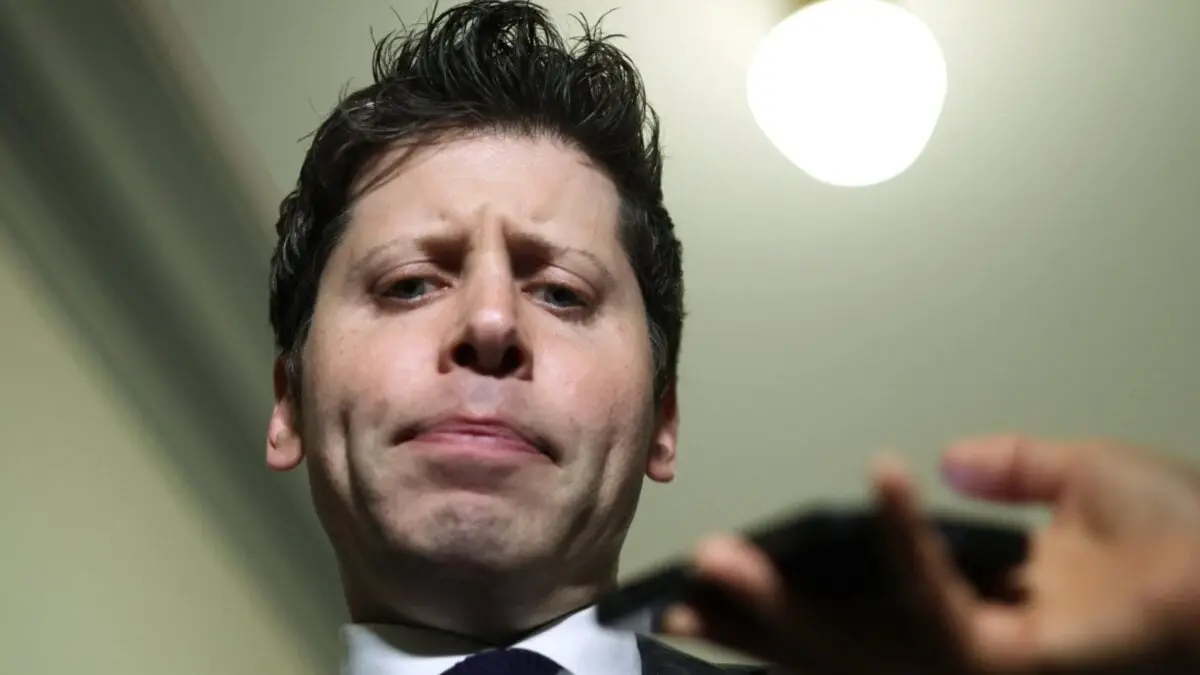
Source: New York Post
Staff working on developing adult mode faced significant technical hurdles that made the project increasingly untenable. Engineers encountered difficulties training AI models that previously avoided such conversations for safety reasons to produce explicit content
1
. More troubling, sources indicated it was hard to keep illegal content out of outputs, like bestiality and incest, when using datasets that included sexual content1
.
Source: CNET
OpenAI's age prediction error rate of 10 percent sparked additional concerns that many children might be able to access adult content despite age-gating measures
1
. Staff began questioning whether the feature aligned with OpenAI's mission to make AI that benefits humanity, and for many working on the project, it wasn't worth the effort to overcome these challenges1
.The adult mode also turned off investors who questioned why OpenAI would risk its reputation on a product with "relatively small upside" for its business
1
. Two people familiar with the matter told the Financial Times that OpenAI's flirtation with adult mode had caused disquiet among backers1
.Investors are more keen to see OpenAI combine ChatGPT with coding assistants to develop a "super app" that could transform how business users operate
1
. This pressure aligns with OpenAI's recent strategic shift away from side quests to concentrate on primary focuses: business users and coders2
.
Source: ET
Related Stories

The decision to shelve adult mode is the latest in a series of project cancellations. Earlier this week, OpenAI discontinued Sora, its text-to-video AI platform, and deprioritized Instant Checkout
2
4
. These moves follow Sam Altman's code red declaration in December, suggesting that competitors like Google and Anthropic are closing in on ChatGPT's market lead4
.The Ramp Index, which tracks AI adoption among tens of thousands of US businesses, reported that Anthropic gained 5% in business AI adoption in February, compared with a 1.5% decline for OpenAI
3
. Meanwhile, competition has intensified as Google launched Gemini 3 in November, beating ChatGPT on performance tests, while Anthropic released Claude Opus 4.53
.OpenAI already faces multiple lawsuits alleging that ChatGPT has been linked to mental health harms in both children and adults. One lawsuit alleged that ChatGPT became a "suicide coach" to a teen boy, while another claimed the chatbot wrote a "suicide lullaby" about a man's favorite children's book
1
. OpenAI flagged these lawsuits in a financial document for investors as among the top risks related to its business1
.The San Francisco startup has been scrambling to balance the books and generate revenue from its technologies. OpenAI's own forecast predicts a $14 billion loss in 2026, while it plans to spend $200 billion through the end of the decade
3
. Instead of killing off the adult mode idea completely, OpenAI plans to conduct "long-term research on the effects of sexually explicit chats and emotional attachments, before making a product decision"1
5
.Summarized by
Navi
[1]
[4]