Tesla Seeks Approval for Ride-Hailing Service in California, Eyeing Autonomous Future


2 Sources
[1]
Tesla sets sights on Waymo, Uber in California ride-hail bid
Tesla Inc. is seeking approval to offer ride-hailing services in California, a key step by Elon Musk's company to begin carrying paying customers while its traditional car-selling business falters. The electric vehicle manufacturer applied late last year for what's known as a transportation
[2]
Tesla sets sights on Waymo, Uber in California ride-hail bid
Tesla Inc. is seeking approval to offer ride-hailing services in California, a key step by Elon Musk's company to begin carrying paying customers while its traditional car-selling business falters. The electric vehicle manufacturer applied late last year for what's known as a transportation
Share
Copy Link
Tesla applies for a ride-hailing permit in California, signaling its entry into the competitive market dominated by Uber and Lyft. The move is seen as a stepping stone towards Elon Musk's vision of a fully autonomous robotaxi service.

Tesla's Strategic Move into Ride-Hailing
Tesla Inc., the electric vehicle giant led by Elon Musk, is making a significant pivot in its business strategy. The company has applied for a transportation charter-party carrier permit from the California Public Utilities Commission, signaling its intention to enter the ride-hailing market
1
2
. This move comes at a crucial time for Tesla, as its traditional car-selling business faces challenges, including its first annual sales decline in over a decade.The Permit and Its Implications
The permit application, filed late last year, would allow Tesla to own and control a fleet of vehicles for ride-hailing purposes. This puts the company on a direct collision course with established players like Uber, Lyft, and Waymo
1
. The application suggests that Tesla is preparing to launch its long-promised ride-hailing service in the near future, potentially opening up a new revenue stream for the company.Human Drivers First, Autonomous Future in Sight
Interestingly, Tesla's communications with California officials have included discussions about driver's license information and drug-testing coordination. This indicates that the company plans to start its service with human drivers, at least initially
1
2
. However, this approach is seen as a stepping stone towards Musk's ultimate vision of a fully autonomous robotaxi service.Regulatory Landscape and Challenges
Tesla's move into the ride-hailing space comes with its own set of regulatory challenges. While the company has approval to test autonomous vehicles with safety drivers in California, it has not yet applied for a driverless testing or deployment permit from the state's Department of Motor Vehicles
1
. The regulatory landscape for autonomous vehicles in California is notably stricter than in other states, as evidenced by the recent suspension of Cruise's license following a pedestrian injury incident2
.Tesla's Autonomous Ambitions
Elon Musk has long talked about operating a Tesla fleet without human drivers. While the company doesn't currently have a fully autonomous vehicle on the market, it does offer driver-assistance systems that control some functions with human oversight
2
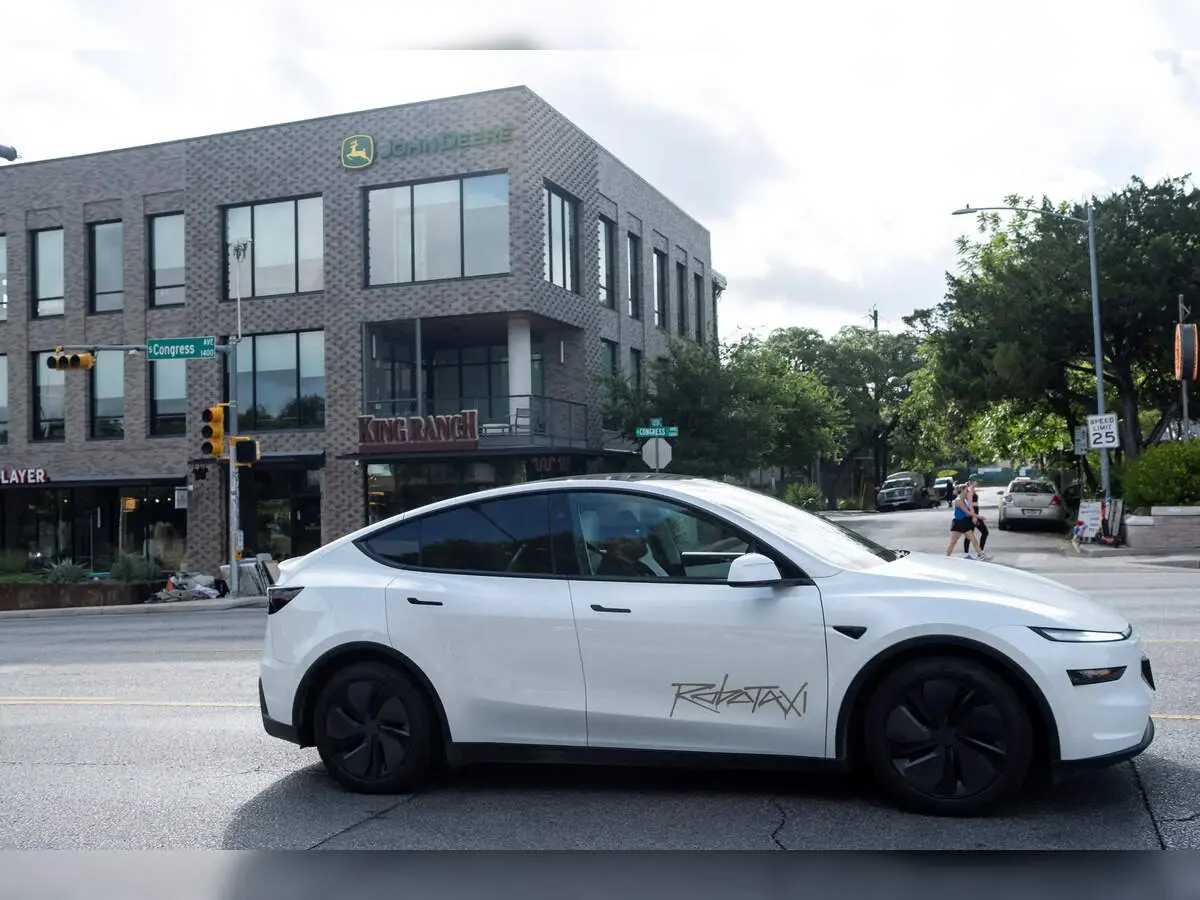
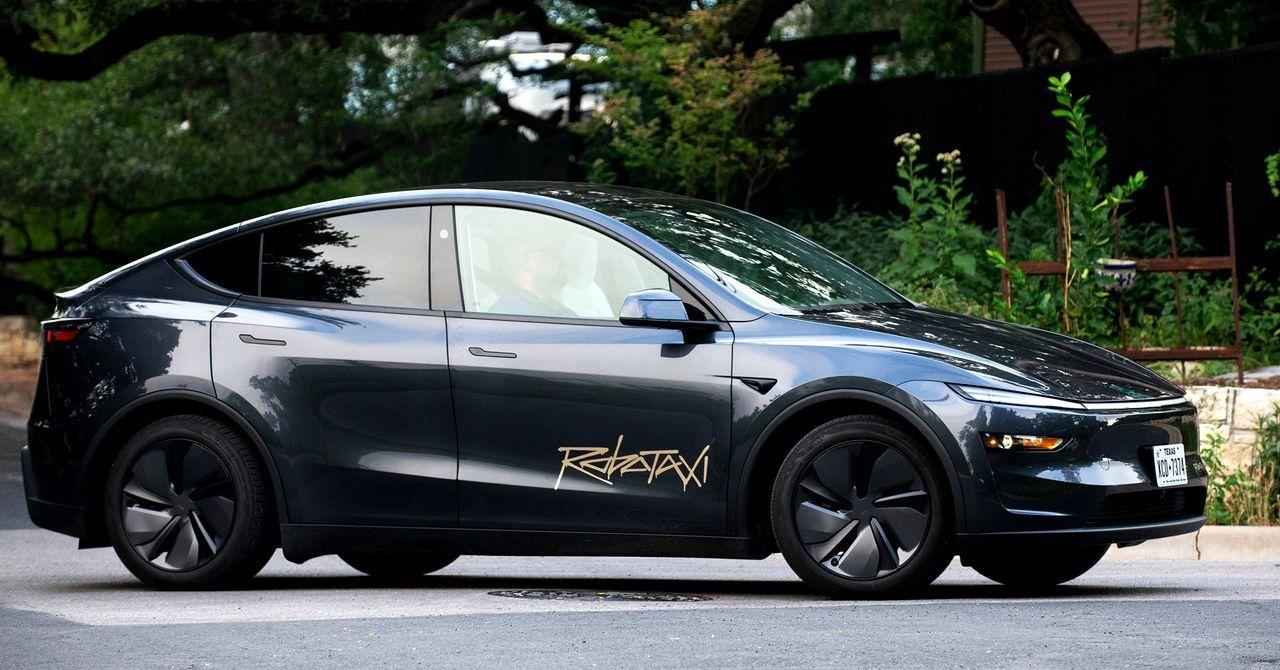
. Tesla unveiled a prototype of its driverless Cybercab in October, but Musk has stated that the initial roll-out of the ride-hailing service will use existing vehicle models like the Model 3 sedan and Model Y SUV1
2
.Related Stories


Market Impact and Competition
The news of Tesla's potential entry into the ride-hailing market has already had an impact on its would-be competitors. Shares of Uber briefly turned negative following the announcement, while Lyft also saw its gains pared
1
. Meanwhile, Uber is preparing to launch autonomous rides in partnership with Waymo in Austin and Atlanta this year, further intensifying the competition in this space1
2
.The Road Ahead
As Tesla navigates the complex regulatory environment in California, its path to launching a robotaxi service appears clearer in Texas, where autonomous driving regulations are less stringent
1
2
. However, the company still needs to address various operational challenges, including payment systems and app functionality, before it can fully realize its ride-hailing ambitions2
.Tesla's move into the ride-hailing market represents a significant shift in its business strategy, one that could potentially reshape the competitive landscape of the industry while advancing the cause of autonomous driving technology.
References
Summarized by

Navi
[2]
Related Stories
Recent Highlights



Recent Highlights
Today's Top Stories



Don’t drown in AI news. We cut through the noise - filtering, ranking and summarizing the most important AI news, breakthroughs and research daily. Follow topics that matter to you and stay ahead.


