ChatGPT caricature trend sweeps social media, but privacy concerns emerge over user data


6 Sources
[1]
9 ChatGPT caricature trends that went wrong
If you've been online in the past week, then you've probably seen the ChatGPT caricatures trend. We've covered a lot of ChatGPT image trends here at Mashable, but nothing that's gone this viral since the original Studio Ghibli trend. In the latest viral ChatGPT trend, people are going to Chat with
[2]
I tried the new ChatGPT caricature trend and was shocked how well the AI chatbot knows me
A viral AI art craze turns personal details into playful portraits ChatGPT and AI chatbots can cause a lot of trouble when they exaggerate. Luckily, the latest viral AI image fad actually encourages it, at least when it comes to your hair, teeth, or chin. Following the trend of turning pictures in
[3]
ChatGPT caricatures are taking over social media -- but at what cost?
Have you seen larger-than-life depictions of your friends lately? They might have been sucked into the latest social trend: creating AI-generated caricatures. The trend itself is simple. Users input a common prompt: "Create a caricature of me and my job based on everything you know about me," and
[4]
ChatGPT caricature trend goes viral: How to turn yourself into a cartoon
A fresh ChatGPT trend is sweeping social media, enabling users to see themselves in an exaggerated, cartoon style. People are converting regular photos into playful digital caricatures with the use of OpenAI's chatbot, emphasizing facial features, work environments, and even personal quirks. The
[5]

This Viral AI Caricature Trend Is Taking over the World and Your Privacy
You might have seen people sharing caricatures of themselves on X, Reddit, or Instagram. Well, it's part of a new viral trend, where people upload their photo and ask ChatGPT to turn it into a caricature. But it's not just any caricature; they explicitly ask the AI to use everything it knows about
[6]

ChatGPT's viral caricature trend proves how well it knows you -- ...
There's a new AI trend that's making us wonder if it knows us a little too well. Worldwide, people have taken to asking the AI platform, ChatGPT, to create a caricature of them based on what it already knows about them. This information will usually come from their chat history, but the accuracy
Share
Copy Link
A viral social media trend has users asking ChatGPT to create AI-generated caricatures based on everything the AI chatbot knows about them. While the results are entertaining and often surprisingly accurate, the trend exposes how much personal information these AI systems retain—from job details to relationship struggles—raising questions about privacy and data security.
ChatGPT Powers Latest Viral Social Media Trend
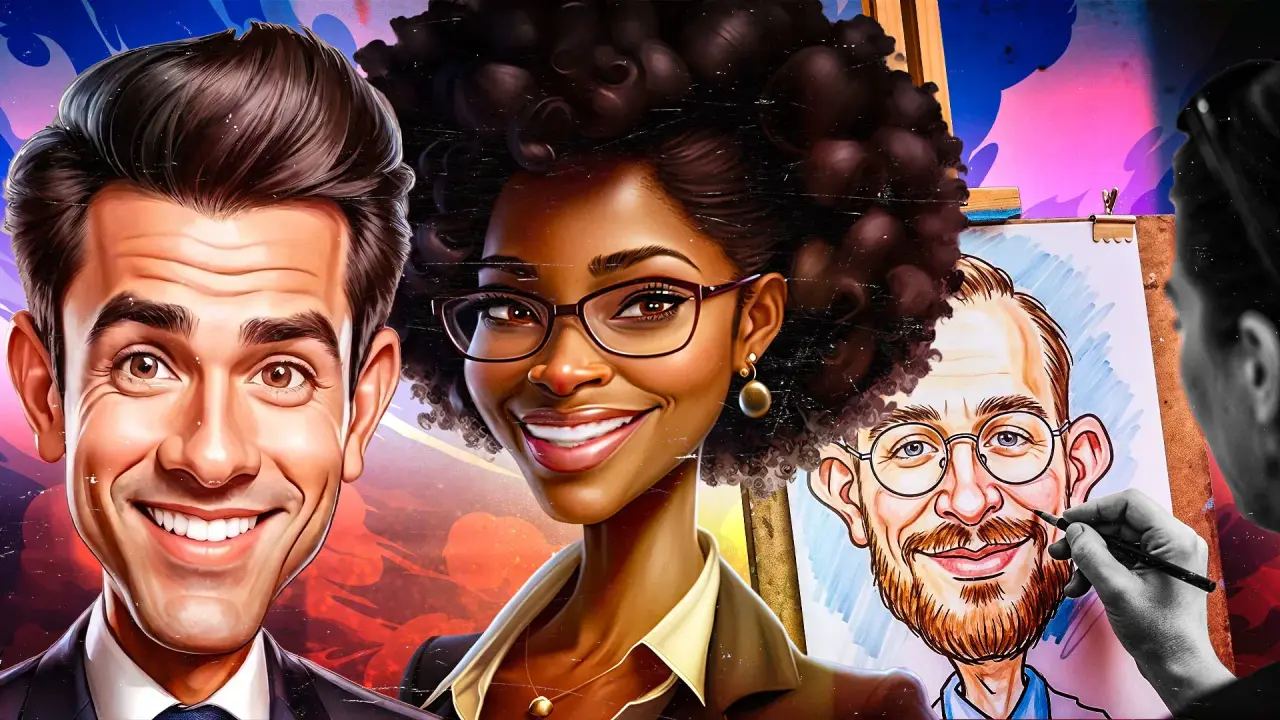
A new caricature trend is taking over social media platforms, with users flocking to ChatGPT to generate exaggerated, cartoon-style portraits of themselves. The process is simple: upload a photo and use a prompt like "Create a caricature of me based on everything you know about me," and the AI chatbot produces personalized images that reflect not just physical features but also careers, hobbies, and personal quirks
1
2
.
Source: New York Post
This AI-driven image trend follows previous viral phenomena like Studio Ghibli-style characters and Renaissance painting transformations, but it has achieved unprecedented reach across X, Reddit, Instagram, and TikTok
3
.The trend's appeal lies in how OpenAI's ChatGPT synthesizes information from past conversations to create surprisingly accurate representations. One tech reporter who tested the feature found that the AI caricature included details like his love of books and coffee, his desk setup, and even his two dogs playing in a yard—all pulled from previous chat history
2
. Users can enhance results by providing additional context through user prompts about their role, outfit, or setting, particularly if they lack extensive interaction history with the platform4
.
Source: Fast Company
How User Information Processing Reveals Privacy Concerns
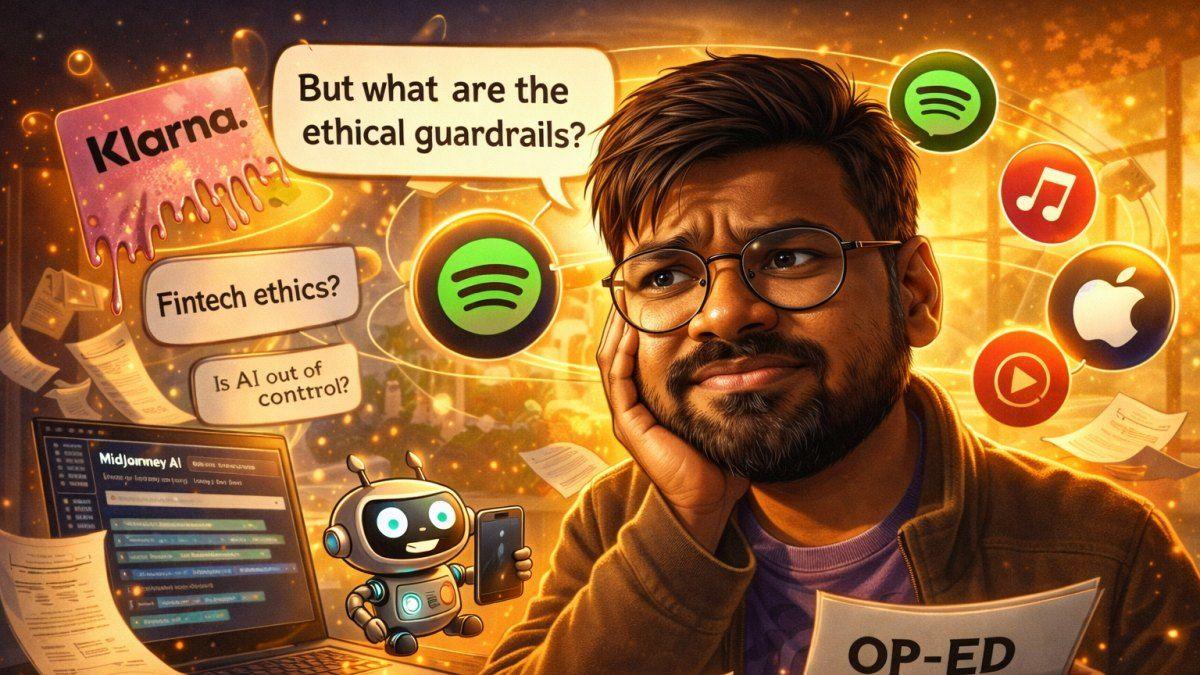
While the AI-generated caricatures offer entertainment value, they simultaneously expose significant privacy concerns about how much personal information AI systems retain and process. To create these personalized images, ChatGPT references conversations that may contain discussions about personal habits, emotional vulnerabilities, career struggles, relationship details, and even confidential documents
5
. OpenAI retains this information to train its models, creating potential risks if data breaches occur. A recent incident saw Discord's third-party vendor suffer a breach that leaked over 70,000 government IDs, highlighting the tangible dangers of centralized data storage5
.
Source: Beebom
Beyond text-based chat history, the trend requires users to upload photos, allowing AI systems to learn facial geometry, skin color, texture, body type, and ethnicity
5
. This ability to turn yourself into a cartoon comes at the cost of feeding increasingly detailed personal information into AI systems. Free users of ChatGPT can create up to five images daily, while paid subscriptions offer unlimited caricature generation4
. Some users report that free accounts receive inferior results compared to paid subscriptions1
.Related Stories


Mixed Results and Creative Concerns
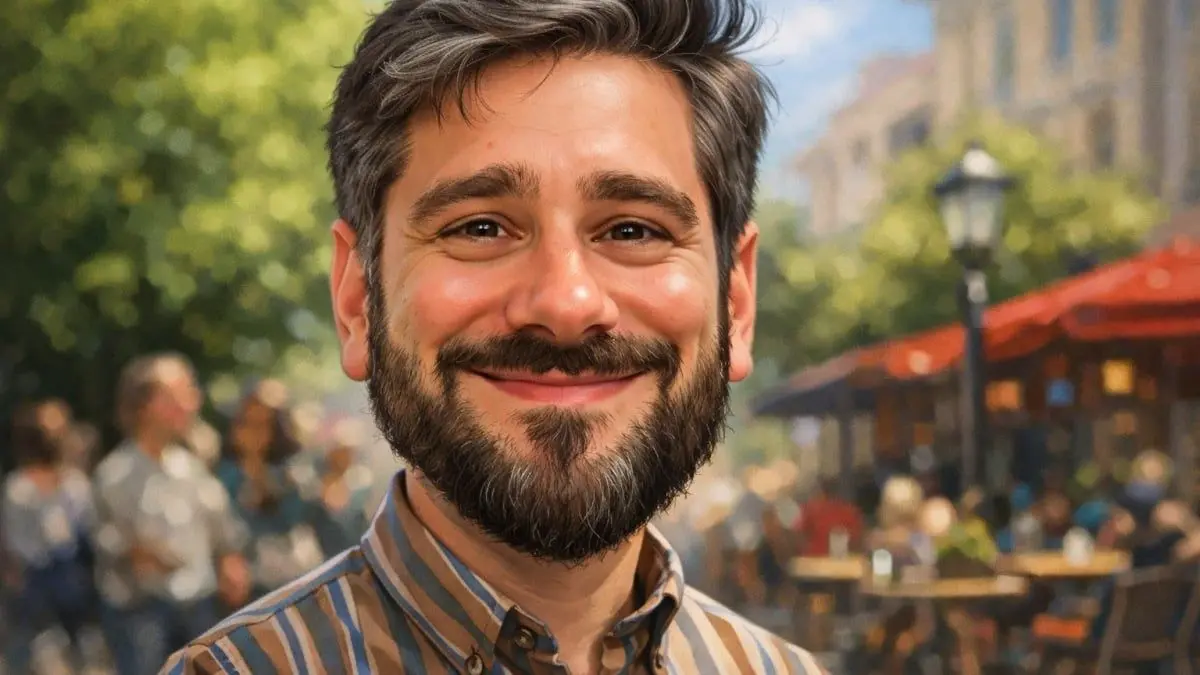
Not all AI caricature attempts produce flattering or accurate results. Social media showcases numerous examples where ChatGPT includes questionable details or produces images that seem to call out users in unflattering ways
1
. Users experimenting with alternative platforms like Grok Imagine report especially poor outcomes1
. Beyond technical failures, critics argue that AI-generated caricatures lack the creative interpretation and effort that traditional caricature artists bring to their work. The algorithmic exaggeration based on learned patterns produces what some describe as "AI slop"—generic outputs with little distinct character or artistic merit5
.As this viral social media trend continues to spread, users should consider what they're trading for a few moments of entertainment. The more personal information shared with AI systems, the more these models learn to mimic human behavior and preferences. While OpenAI may not use collected data for inherently malicious purposes, the accumulation of detailed personal profiles creates vulnerabilities that extend beyond individual control
5
. The caricature trend serves as a visible reminder of the invisible data trails users leave behind with every interaction with AI chatbots.References
Summarized by

Navi
[1]
[2]
Related Stories
Recent Highlights



Recent Highlights
Today's Top Stories





Don’t drown in AI news. We cut through the noise - filtering, ranking and summarizing the most important AI news, breakthroughs and research daily. Follow topics that matter to you and stay ahead.


