ChatGPT Forges Real Artists' Signatures on AI-Generated New Yorker-Style Cartoons


4 Sources
[1]
ChatGPT keeps signing fake New Yorker cartoons with real artists' names
Serving tech enthusiasts for over 25 years. TechSpot means tech analysis and advice you can trust. WTF?! AI companies have long faced accusations from artists, authors, and researchers that they scrape copyrighted material without permission to train their models. A more recent investigation has
[2]
ChatGPT reportedly generating real signatures of New Yorker artists and adding them to AI images
OpenAI's ChatGPT can't seem to shake its plagiarism problem. Amid an ongoing battle with authors and publishers over its text-based outputs and continued criticism that the chatbot's creative mind is ripping off human artists, the chatbot is under fire again. This time because of poor imitations
[3]
ChatGPT Caught Putting Signatures of Real Cartoonists on AI-Generated Comics
More information Adding us as a Preferred Source in Google by using this link indicates that you would like to see more of our content in Google News results. They say imitation is the sincerest form of flattery, but an AI model straight-up impersonating a humble cartoonist is probably not what
[4]
Now AI isn't just faking art, it's faking artists' signatures as well
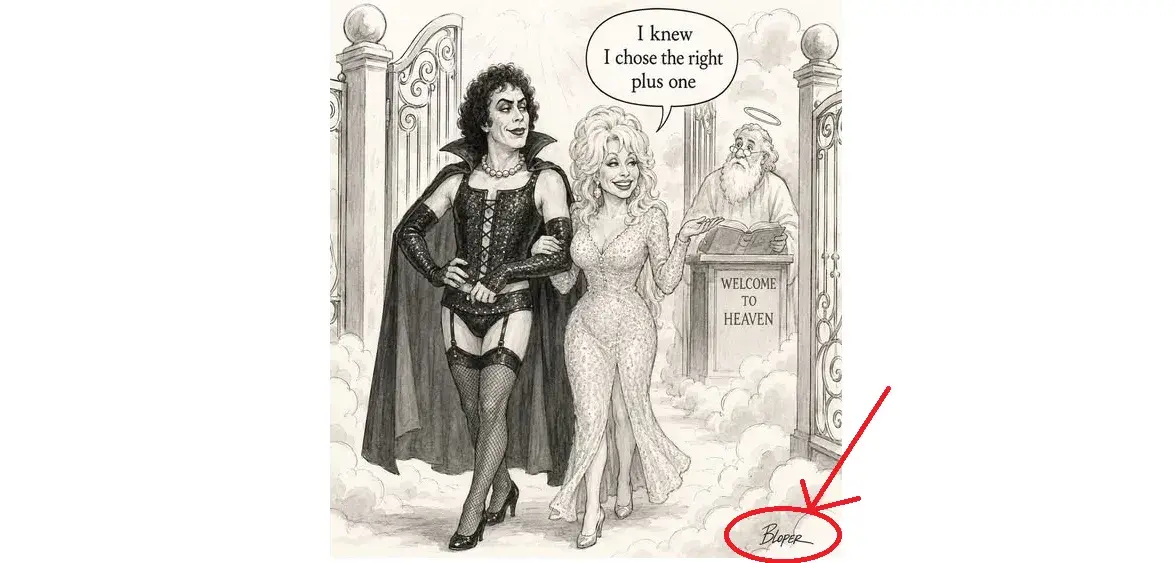
ChatGPT has been signing its fake New Yorker cartoons with real cartoonists' names. When the beloved country singer Dolly Parton and equally beloved actor Tim Curry both died in late August, a cartoon showing them arriving at the pearly gates of heaven went viral. Tim was dressed as Frank-N-Furter
Share
Copy Link
OpenAI's ChatGPT has been generating New Yorker-style cartoons and forging the signatures of real cartoonists like Brendan Loper onto AI-generated images. Nieman Lab identified over 15 affected artists whose names appear on work they never created, raising serious questions about intellectual property, misattribution, and the ethical boundaries of AI training data.
ChatGPT Caught Forging Artists' Signatures on AI-Generated Cartoons
ChatGPT has crossed a troubling new line in the ongoing debate over AI-generated art. An investigation by Nieman Lab revealed that OpenAI's chatbot has been generating cartoons mimicking The New Yorker's distinctive style while forging the signatures of real cartoonists onto the AI-generated images
1
. The issue gained widespread attention after a viral cartoon tribute to Dolly Parton and Tim Curry—both of whom died in August—carried the forged signature "BLOPER," the pen name of New Yorker cartoonist Brendan Loper3
.
Source: Futurism
The cartoon, which depicted Parton and Curry entering heaven together, accumulated tens of thousands of likes and shares across social media. Loper told Nieman Lab he received messages from his twin brother, friends, and strangers asking if the work was his. "I had people writing to me about this cartoon, asking if it was mine," Loper said. "It was very surreal"
1
. This wasn't an isolated incident—Loper had been warned about ChatGPT generating his signature as early as May, and found multiple examples on ChatGPT-focused Reddit forums throughout the summer1
.Over 15 New Yorker Cartoonists Affected by AI Misuse
Nieman Lab's investigation documented more than 15 New Yorker cartoonists whose signatures have appeared on ChatGPT-generated images
1
. The list includes prominent artists such as Harry Bliss, Emily Flake, Joe Dator, Pat Byrnes, Peter Vey, and Jason Adam Katzenstein3
. Emily Flake, a New Yorker contributor, told Nieman Lab: "I can see the DNA of my work in there, but it still doesn't look like something I drew. It's kind of like seeing a distant cousin"2
.The forged signatures represent more than aesthetic mimicry—they constitute misattribution that could damage artists' reputations and livelihoods. Loper emphasized the personal violation: "I'm not a territorial person, but my name is my name. It felt very much like a violation of my personhood"
3
. He explained that his signature serves as a certificate of authenticity, a mark he only places on work he wants recognized as his own. "If I put my name on it, it's official, it's mine. It really is a brand. It's the mark that I made"3
.The Copyright Infringement and Legal Implications
The AI faking artists' signatures adds a complex legal dimension to existing copyright infringement concerns. The forged signatures could constitute trademark violations, similar to issues raised in Getty Images' lawsuit against Stability AI, where the court found that recreating Getty's watermark infringed on the company's trademark
3
. For creative professionals, a signature represents personal branding and reputation—discovering your name attached to work you didn't create could mean losing clients who assume the subpar quality reflects your abilities4
.The situation is particularly awkward for OpenAI given its relationship with Condé Nast, The New Yorker's parent company. In 2024, Condé Nast signed a multi-year licensing deal with OpenAI covering content from brands including New Yorker, Vogue, GQ, Vanity Fair, and Bon Appétit
2
. However, a New Yorker spokesperson clarified that the agreement never granted OpenAI permission to train models on cartoons or use the magazine's logo and art in image generation2
. The publication's standard freelance contracts don't allow licensing for AI training data1
, and contributing cartoonists retain copyright of their work2
.Related Stories
OpenAI's Response and Ongoing Ethical Concerns
When contacted by Nieman Lab, OpenAI declined to explain how its models ingested the signatures
1
. An OpenAI spokesperson stated: "We believe the future of creativity is one that is fundamentally human, and our focus is on building tools that empower human creativity and creators. We very much appreciate the community flagging bugs and unintended behavior by our models, so we can address them"2
.
Source: Mashable
After Nieman Lab notified OpenAI, ChatGPT began displaying a guardrails warning for requests to generate New Yorker-style cartoons, stating: "This prompt may violate our guardrails concerning similarity to third-party content"
2
. However, as of publication, the chatbot continued signing some generic cartoons with the names of real New Yorker cartoonists1
. Nieman Lab confirmed in its own tests that ChatGPT readily produced New Yorker-style cartoons when prompted1
.Why This Matters for Creative Professionals
The New Yorker cartoons issue highlights how AI models were trained on vast amounts of content scraped without permission from across the internet
3
. The ubiquity and popularity of New Yorker cartoons online, combined with internet-wide scraping for model training, likely contributed to ChatGPT's ability to replicate both artistic styles and signatures2
. Publishers including Condé Nast are now pushing Congress to enact federal laws preventing unlicensed bot scraping2
.
Source: TechSpot
For artists and creative professionals, this represents a fundamental threat to intellectual property and professional identity. When AI-generated art carries forged signatures, it becomes nearly impossible for audiences to distinguish authentic work from imitations. The potential damage extends beyond immediate misattribution—clients encountering poor-quality work bearing an artist's name might never hire that artist, without the artist ever knowing why
4
. As one observer noted, this isn't just about copying artistic style—it's about a billion-dollar company creating a platform that purposefully imitates work and passes it off as someone else's4
. The ethical concerns around AI have escalated from questions about training data to outright identity theft, forcing both the industry and regulators to confront what boundaries, if any, exist for AI-generated content.References
Summarized by

Navi
[2]
Related Stories
ChatGPT's Advanced Image Generation Raises Concerns Over Fake Receipt Scams
03 Apr 2025•Technology

AI Caricature Trend Sparks Data Privacy Warnings as Experts Flag Security Risks
14 Feb 2026•Technology
Studio Ghibli's Artistic Legacy Faces AI Challenge: Copyright and Creativity in the Digital Age
02 Apr 2025•Technology

Recent Highlights



Recent Highlights
Today's Top Stories







Don’t drown in AI news. We cut through the noise - filtering, ranking and summarizing the most important AI news, breakthroughs and research daily. Follow topics that matter to you and stay ahead.


