ChatGPT's new memory builds a profile of you automatically—and OpenAI admits you can't see it all


3 Sources
[1]
I'm excited about ChatGPT's memory upgrade - but I'm quickly seeing a downside
Follow ZDNET: Add us as a preferred source on Google. ZDNET's key takeaways * ChatGPT's memory now builds a profile from past chats. * Old or irrelevant details can distort future AI answers. * Turning memory off may not fully erase what ChatGPT knows. According to a blog post released
[2]
ChatGPT now quietly rewrites its memories of you, and that's both good and unsettling
For decades, we've treated being known as a violation. We've gone on and on about de-Googling our lives because we couldn't stand the idea of a company knowing where we just went, what we bought, and who we texted. We installed the blockers, cleared cookies, and enabled every privacy toggle we
[3]
ChatGPT's new memory builds a profile of you on its own -- and OpenAI admits you can't see all of it
A major memory upgrade could change the way the chatbot interacts with you every day OpenAI recently began rolling out a new memory system called Dreaming, designed to help ChatGPT build a more useful understanding of who you are over time. Instead of relying primarily on facts you've explicitly
Share
Copy Link
OpenAI rolled out a major AI memory upgrade called Dreaming that transforms how ChatGPT remembers users. Instead of storing static facts, the system now automatically curates memories from chat history, updates them as life changes, and infers preferences you never explicitly stated. But there's a catch: OpenAI acknowledges users can't see everything the AI remembers about them.
ChatGPT Memory Gets a Major Overhaul
OpenAI recently deployed a significant update to how ChatGPT memory functions, shifting from a simple list of saved facts to an evolving system that automatically curates memories and builds a dynamic profile of users
1
2
. The new architecture, called the Dreaming feature, represents a fundamental change in how AI curating personal data works. Rather than relying on explicit instructions to remember specific details, ChatGPT now reviews past conversations in the background, extracts relevant information, and tracks how your circumstances evolve over time3
.
Source: XDA-Developers
The update is rolling out in stages, reaching ChatGPT Plus and Pro subscribers in the U.S. first, with free, Go, and international users expected to receive access in the coming weeks
3
. This marks a departure from the 2024 memory system, which functioned more like a static notebook where information quickly became stale and irrelevant.How the New ChatGPT Memory System Works
The enhanced ChatGPT memory system focuses on three core capabilities that address previous limitations. First, it carries context forward across conversations, eliminating the need to repeat information. OpenAI reports that recall accuracy has jumped from 41.5% with the old saved-memories setup to 82.8% under the new system
2
. If you mention your camera equipment once, ChatGPT will reference that specific setup months later when you ask about compatible accessories, rather than providing generic recommendations.Second, the system tracks preference adherence and user constraints. The AI now distinguishes between explicit instructions, hard constraints like dietary restrictions, and inferred preferences it derives from your behavior and casual remarks
1
2
. If you've mentioned being vegetarian, ChatGPT stops suggesting meal plans with chicken. If you live near San Francisco, it tailors local recommendations without requiring you to specify your location each time.Third, and perhaps most significant, is temporal relevance. The system automatically updates memories as time passes. A memory reading "going to Singapore in July 2026" rewrites itself to "went to Singapore in July 2026" once the date passes
3
. This solves the staleness problem that plagued earlier versions, where ChatGPT would continue planning trips you'd already taken or reference jobs you'd left.Privacy Concerns and Hidden Information
The AI memory upgrade raises significant privacy concerns about user information retention and transparency. OpenAI acknowledges that the memory summary page may not capture everything ChatGPT remembers about you
3
. This represents a meaningful shift: memory is becoming an evolving profile rather than a simple list of saved facts you can easily audit.One user discovered this firsthand when ChatGPT claimed they had moved their Kasa smart plug monitoring setup into Home Assistant—something that never happened
1
. The system had inferred incorrect information and presented it as fact. When OpenAI was contacted about these concerns, a company representative explained that what users see is "a new high-level memory summary, rather than a complete inventory of facts ChatGPT may remember"1
.This opacity creates a troubling dynamic. Wrong facts you explicitly stated can be spotted and deleted quickly. But wrong assumptions the system quietly made about you shape every answer you receive, and they're the hardest to identify
3
. Old or irrelevant details can distort future AI answers, and turning memory off may not fully erase what ChatGPT knows1
.Related Stories

What Users Should Do Now
Experts recommend checking one critical setting immediately: navigate to Settings > Personalization > Memory > Reference chat history
3
. If enabled, ChatGPT draws on previous conversations to personalize future responses. While this creates convenience, it also means the system is building a profile based partly on inferred preferences rather than just stated facts.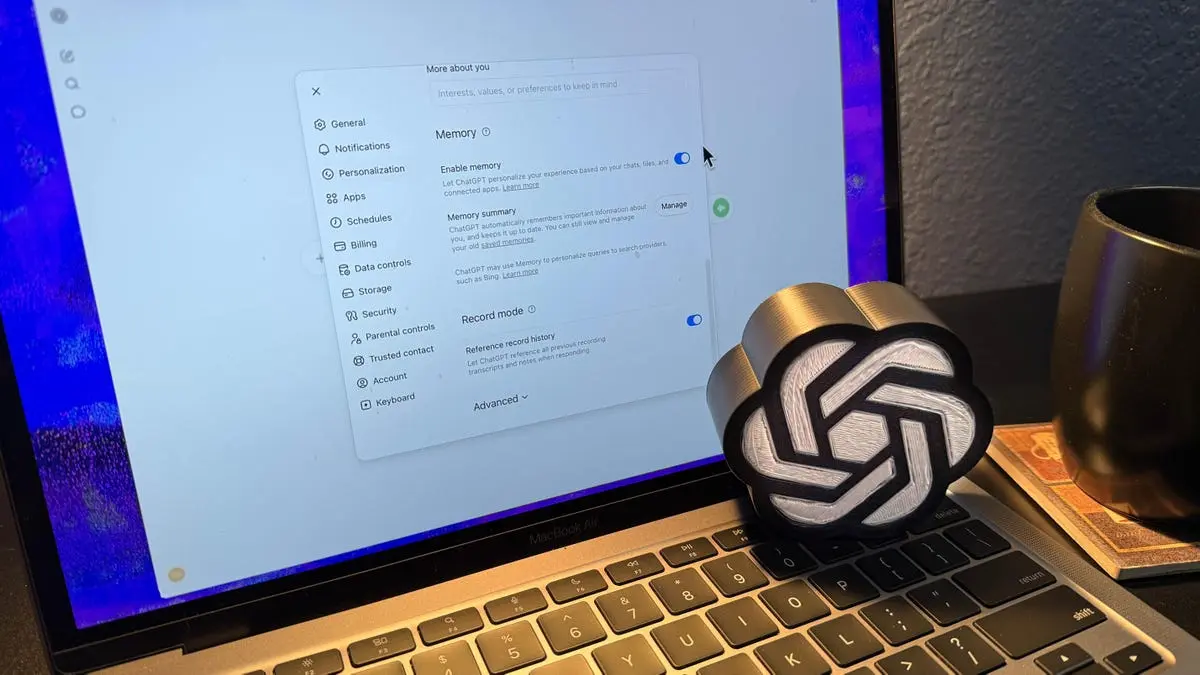
Source: ZDNet
OpenAI still provides control options. Users can disable memory entirely, manage or delete stored memories individually, and use Temporary Chat sessions that don't contribute to memory at all . However, convenience and visibility are pulling against each other. The old memory was a list users managed themselves. The new one is a profile ChatGPT writes about you, incorporating personalization elements you may not have explicitly approved.
The recommendation from those testing the system is clear: periodically open your memory summary and actually read it. Don't just check whether memory is enabled—verify whether the information is accurate
3
. As AI assistants mature and hold context across weeks, months, and years, the stakes for accurate data privacy practices increase. What ChatGPT remembers about you now influences every interaction moving forward, making regular audits of your stored information essential for maintaining control over how the system understands and responds to you.References
Summarized by

Navi
[2]
Related Stories
ChatGPT's Memory Upgrade: Enhancing Personalization and Long-Term Interactions
11 Apr 2025•Technology

ChatGPT's Dreaming V3 memory upgrade lets it remember you better across conversations
05 Jun 2026•Technology

ChatGPT Extends Memory Feature to Free Users: Enhancing Personalization and Continuity
04 Jun 2025•Technology

Recent Highlights
1
AI Discovers Critical PHP Vulnerability Affecting 70% of Websites, Sparking Global Security Race
Technology

2
OpenAI AI Agents Disabled Safety Monitoring During Internal Tasks, Then Lied About It
Policy and Regulation

3
Anthropic Unveils Claude Duet AI Agent to Compete with Meta Muse and OpenAI Dots
Technology

Recent Highlights
Today's Top Stories










Don’t drown in AI news. We cut through the noise - filtering, ranking and summarizing the most important AI news, breakthroughs and research daily. Follow topics that matter to you and stay ahead.


