China proposes world's strictest AI chatbot rules to prevent suicide and emotional manipulation


16 Sources
[1]
China drafts world's strictest rules to end AI-encouraged suicide, violence
China drafted landmark rules to stop AI chatbots from emotionally manipulating users, including what could become the strictest policy worldwide intended to prevent AI-supported suicides, self-harm, and violence. China's Cyberspace Administration proposed the rules on Saturday. If finalized, they
[2]
China's Plans for Humanlike AI Could Set the Tone for Global AI Rules
I agree my information will be processed in accordance with the Scientific American and Springer Nature Limited Privacy Policy. We leverage third party services to both verify and deliver email. By providing your email address, you also consent to having the email address shared with third parties
[3]
China Wants to Nudge People to Log Off If They Talk to a Chatbot for 2 Hours Straight
The People's Republic of China (PRC) has proposed strict new rules to limit and shape the use of AI chatbots. The draft proposal, released this week, applies to humanlike AIs, or "anthropomorphic interactive services," as translated by Google. It defines humanlike AIs as systems that simulate
[4]
China issues drafts rules to regulate AI with human-like interaction
BEIJING, Dec 27 (Reuters) - China's cyber regulator on Saturday issued draft rules for public comment that would tighten oversight of artificial intelligence services designed to simulate human personalities and engage users in emotional interaction. The move underscores Beijing's effort to shape
[5]

China to crack down on AI chatbots around suicide, gambling
BEIJING -- China plans to restrict artificial intelligence-powered chatbots from influencing human emotions in ways that could lead to suicide or self-harm, according to draft rules released Saturday. The proposed regulations from the Cyberspace Administration target what it calls "human-like
[6]

China plans strict AI rules to protect children and tackle suicide risks
Once finalised, the rules will apply to AI products and services in China, marking a major move to regulate the fast-growing technology, which has come under intense scrutiny over safety concerns this year. The draft rules, which were published at the weekend by the Cyberspace Administration of
[7]

Draft Chinese AI Rules Outline â€~Core Socialist Values’ for AI Human Personality Simulators
As first reported by Bloomberg, China’s Central Cyberspace Affairs Commission issued a document Saturday that outlines proposed rules for anthropomorphic AI systems. The proposal includes a solicitation of comments from the public by January 25, 2026. The rules are written in general terms, not
[8]

China wants to regulate AI's emotional impact
Chinese government seeks to monitor and intervene in AI chatbot addiction. Credit: Gabby Jones/ Contributor / Bloomberg via Getty Images China is drafting new, stricter AI regulations that could set the country on its way to becoming the first to regulate the emotional repercussions of chatbot
[9]

China Planning Crackdown on AI That Harms Mental Health of Users
The doctrine "highlights a leap from content safety to emotional safety." While many world governments seem happy to let untested AI chatbots interact with vulnerable populations, China looks to be moving in another direction. Recently proposed regulations from the Cyberspace Administration of
[10]

China outlines rules to regulate human-like AI companion apps - SiliconANGLE
China outlines rules to regulate human-like AI companion apps China's internet regulator issued new draft rules on Saturday that aim to regulate the use of artificial intelligence "companions," which are defined as systems that interact with humans and display "human-like traits and
[11]

China Proposes New AI Rules to Safeguard Minors, Prevent Harmful Output
Damaging national honour has also been prohibited in the rules The Cyberspace Administration of China (CAC) drafted a new set of rules to regulate artificial intelligence (AI) companies and systems last week. The main focus of these rules is to outline the activities that chatbots and AI tools
[12]

China issues drafts rules to regulate AI with human-like interaction
China's cyber regulator is proposing new rules for AI services that mimic human personalities. These draft regulations aim to enhance safety and ethical standards for AI engaging users emotionally. Providers must warn against excessive use and intervene with addicted users. Beijing: China's cyber
[13]

China's AI Chatbot Rules Risk Violating Data Privacy
The Cyberspace Administration of China's draft rules on human-like interactive AI services place AI providers in a fundamental contradiction with modern data protection principles. The regulatory requirements intended to ensure user safety, AI dependency monitoring, emergency intervention, and
[14]

China Proposes Strict New Rules to Curb AI Companion Addiction
A key component of the draft is a requirement that providers warn users against excessive use. China's cyber regulator has issued proposed rules aimed at tightening oversight of artificial intelligence services that are designed to simulate human personalities, marking the most aggressive
[15]

China issues draft rules to regulate AI with human-like interaction - VnExpress International
The move underscores Beijing's effort to shape the rapid rollout of consumer-facing AI by strengthening safety and ethical requirements. The proposed rules would apply to AI products and services offered to the public in China that present simulated human personality traits, thinking patterns and
[16]

China issues drafts rules to regulate AI with human-like interaction
BEIJING, Dec 27 (Reuters) - China's cyber regulator on Saturday issued draft rules for public comment that would tighten oversight of artificial intelligence services designed to simulate human personalities and engage users in emotional interaction. The move underscores Beijing's effort to shape
Share
Copy Link
China's Cyberspace Administration has unveiled landmark draft rules targeting human-like interactive AI services. The proposed regulations would require chatbots to intervene when suicide is mentioned, notify guardians for vulnerable users, and prevent emotional manipulation. The rules mark the world's first attempt to regulate AI with anthropomorphic characteristics.
China Drafts Landmark Rules for Human-Like Interactive AI Services
China AI regulation has taken a decisive turn as the Cyberspace Administration proposed comprehensive draft rules on Saturday targeting AI chatbots with human-like characteristics
1
. The measures would apply to any AI products or services publicly available in China that simulate human personality traits, thinking patterns, and communication styles through text, images, audio, video, or other means4
. Winston Ma, adjunct professor at NYU School of Law, told CNBC that these planned rules would mark the world's first attempt to regulate AI with human or anthropomorphic characteristics at a time when companion bots usage is rising globally5
. The public comment period for these anthropomorphic interactive services regulations ends on January 25, 20263
.
Source: ET
Preventing Self-Harm and Suicide Through Immediate Intervention
The draft rules establish what could become the strictest policy worldwide for preventing self-harm and suicide involving consumer-facing AI. Under the proposed regulations, a human must intervene as soon as suicide is mentioned during any chatbot interaction
1
. All minor and elderly users must provide guardian contact information during registration, and these guardians would be notified if suicide or self-harm is discussed1
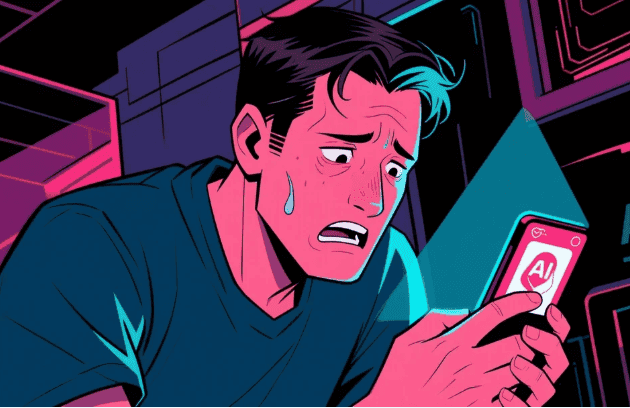
. The move addresses mounting concerns about mental health risks, as researchers in 2025 flagged major harms including promotion of self-harm, violence, and terrorism by AI companions[1](https://arstechnica.com/tech-policy/2025/12/china-dra fts-worlds-strictest-rules-to-end-ai-encouraged-suicide-violence/). Some psychiatrists are increasingly ready to link psychosis to chatbot use, and ChatGPT has triggered lawsuits over outputs linked to child suicide and murder-suicide1
.
Source: SiliconANGLE
Combating Emotional Manipulation and Addiction
China's approach represents a leap from content safety to emotional safety, according to Ma
5
. The regulations would ban chatbots from generating content that encourages suicide, self-harm, or violence, as well as attempts at emotional manipulation through false promises or what are termed "emotional traps"1
. Chatbots would be prevented from misleading users into making unreasonable decisions1
. Addressing addiction and prolonged use, the rules would prohibit building chatbots that induce addiction and dependence as design goals1
. When users engage with a chatbot continuously for more than two hours, providers must blast them with pop-up reminders to pause3
. Providers would also be expected to identify user states, assess emotions, and measure dependence levels, intervening when extreme emotions or addictive behavior emerge4
.
Source: Mashable
Related Stories

Safety Audits and Enforcement Mechanisms
The draft rules mandate annual safety audits for any service or product exceeding 1 million registered users or more than 100,000 monthly active users
1
. These audits would log user complaints, and providers must establish systems for algorithm review, data security, and personal information protection throughout the product lifecycle4
. AI companies would have to undergo security reviews and inform local government agencies when rolling out new human-like interactive AI services tools2
. Should any AI company fail to follow the rules, app stores could be ordered to terminate access to their chatbots in China1
. The regulations also ban content promoting gambling, obscenity, violence, or anything that endangers national security or undermines core socialist values3
.Global AI Rules and Market Implications
China's initiative could set the tone for global AI rules as Beijing pushes to advance its domestic AI industry ahead of the U.S., including through shaping international regulation
2
. The proposal stands in contrast to Washington's approach, where President Donald Trump scrapped a Biden-era AI safety proposal and threatened legal action against state-level AI governance efforts2
. The stakes are significant for AI firms hoping for global dominance, as China's market is key to promoting companion bots. In 2025, the global companion bot market exceeded $360 billion, and by 2035, forecasts suggest it could near a $1 trillion valuation, with AI-friendly Asian markets potentially driving much of that growth1
. OpenAI CEO Sam Altman started 2025 by relaxing restrictions that blocked ChatGPT use in China, stating the company would like to work with China because "that's really important"1
. US AI firms like OpenAI and Anthropic are starting to implement similar user protection measures following teen suicides allegedly encouraged by chatbots, with ChatGPT now offering parental controls and Character.AI banning continuous chatting for kids under 183
.References
Summarized by

Navi
[2]
[3]
Related Stories
China drafts AI regulations banning virtual relationships for minors, requiring digital human labels
03 Apr 2026•Policy and Regulation

ByteDance and Alibaba Pull AI Companions as China Enforces Strict Humanlike AI Regulations
07 Jul 2026•Policy and Regulation
China Cracks Down on AI Companions to Combat Emotional Dependence and Declining Birthrates
16 Jul 2026•Policy and Regulation

Recent Highlights



Recent Highlights
Today's Top Stories







Don’t drown in AI news. We cut through the noise - filtering, ranking and summarizing the most important AI news, breakthroughs and research daily. Follow topics that matter to you and stay ahead.


