Nvidia cuts Asian buyers by half while US grants ZTE access to H200 AI chips amid China tensions


13 Sources
[1]
US gov't allows Chinese telecom giant ZTE to purchase Nvidia H200 AI chips -- firm joins Alibaba, Tencent, and ByteDance in access to Hopper tech
The Sino-American chip wars have resulted in many back-and-forth salvos and negotiations as the countries try and strike a balance between technology access and trade. Currently, both sides have set respective import and export controls, letting specific companies on a case-by-case basis. Today,
[2]
Nvidia slashes list of authorized customers in Asia in a bid to reduce AI chip smuggling, report claims -- company sent field inspectors, called customers to check if business is genuine after pressure from Washington
AI tech giant Nvidia, which builds some of the most coveted AI chips in the world, has reportedly created a new "whitelist" of verified companies to help prevent its products from getting smuggled into China. According to the Financial Times, this roster cuts the number of authorized clients by
[3]
Nvidia builds a white list: more than half of its Asian customers are off it
A new white list, tougher vetting in Singapore, Malaysia, and Japan, and more than half of the company's previous regional customers no longer cleared to buy. Nvidia has more than halved the number of customers in Asia cleared to buy its artificial intelligence chips, according to the Financial
[4]
NVIDIA cuts over half of Asian buyers from AI chip whitelist in China crackdown
NVIDIA has cut its authorized AI chip customers in Singapore, Malaysia, and Japan by more than half in an effort to reduce the number of unauthorized products from being funneled through to China. According to a new report from the Financial Times, the chipmaker has implemented a new "white list"
[5]
Nvidia halves Asia buyer list in China chip crackdown: Report
Over the past few months, Nvidia has stepped up due diligence in Singapore, Malaysia and Japan, the report said, citing three people familiar with the matter. Nvidia has more than halved the number of Asian customers authorised to buy its AI chips after introducing a "white list" of companies
[6]

Nvidia Reportedly Cuts More Than Half of Its Asian AI Chip Customers Amid Tighter China Screening - Aliba
Nvidia Tightens Customer Screening Across Asia Nvidia has reduced by more than half the number of Asian customers authorized to purchase its AI chips after creating a new "white list" of approved buyers, Reuters reported on Monday (via the Financial Times). The report, citing three people
[7]

U.S. Officials Reportedly Confirm First NVIDIA H200 AI GPU Shipments To China Two Months After Trump-Xi Meeting
NVIDIA's H200 AI GPUs are finally shipping to China, as reported by U.S. officials, marking the return of the banned chip. China Softens Its Position on NVIDIA GPUs As First H200 Shipments Now Headed To Chinese AI Firms The NVIDIA Hopper story in China has been a roller coaster ride so far. When
[8]
China plans to let top AI firms buy limited Nvidia H200 chips, the Information reports
China plans to permit its leading artificial intelligence companies to acquire Nvidia's H200 chips. Officials have informed Alibaba, ByteDance, and DeepSeek about potential upcoming permissions. Nvidia has already secured licenses from the United States government for these sales. The chip giant's
[9]
NVIDIA Teams With US Government to Slam Shut the Backdoor Feeding Banned AI Chips Into China
NVIDIA Corporation is taking strict action to ensure that its AI GPUs only land in the hands of the right customers, reports the Financial Times. The action is to ensure that its chips do not reach China, and it follows increasing scrutiny by Taiwanese authorities on firms allegedly involved in
[10]
China Weighs Reversing Its Own NVIDIA Ban, May Let Alibaba, ByteDance & Others Buy 200,000 H200 Chips
After US-China geopolitical tensions led to the Chinese government banning local firms from buying NVIDIA's China-specific H200 GPUs, a report from The Information claims that the Chinese government is considering allowing local companies to buy the NVIDIA chips in restricted amounts. US chip
[11]

Nvidia H200 chip shipments to China remain limited, official says By Investing.com
Investing.com -- A senior U.S. government official told lawmakers Tuesday that Nvidia Corp has shipped minimal quantities of its H200 chips to China and Hong Kong. Jeffrey Kessler, under secretary of commerce for industry and security, informed a U.S. House committee that shipments of the H200
[12]

Nvidia said to have cut off half its Asian customers to curb fraud
According to the FT, citing three people familiar with the matter, Nvidia has stepped up scrutiny in recent months to prevent its AI processors from reaching China via third countries. The new process goes as far as data center visits, contract checks and interviews with end users, with the
[13]
China to let AI firms buy Nvidia H200 chips, the Information reports
Shares of Nvidia rose in Wednesday morning trading after a report said China is planning to allow its top AI firms to buy a limited number of Nvidia's second most powerful AI chip, the H200. A report from The Information on Wednesday said Chinese officials have told Alibaba, ByteDance and DeepSeek
Share
Copy Link
Nvidia has slashed its list of authorized Asian customers by more than half following pressure from Washington to prevent AI chip smuggling into China. The company introduced a strict whitelist requiring tougher compliance checks. Meanwhile, Chinese telecom giant ZTE received US approval to purchase Nvidia H200 AI chips, joining Alibaba, Tencent, and ByteDance in accessing Hopper architecture technology.
Nvidia Implements Strict Whitelist Amid AI Chip Smuggling Crackdown
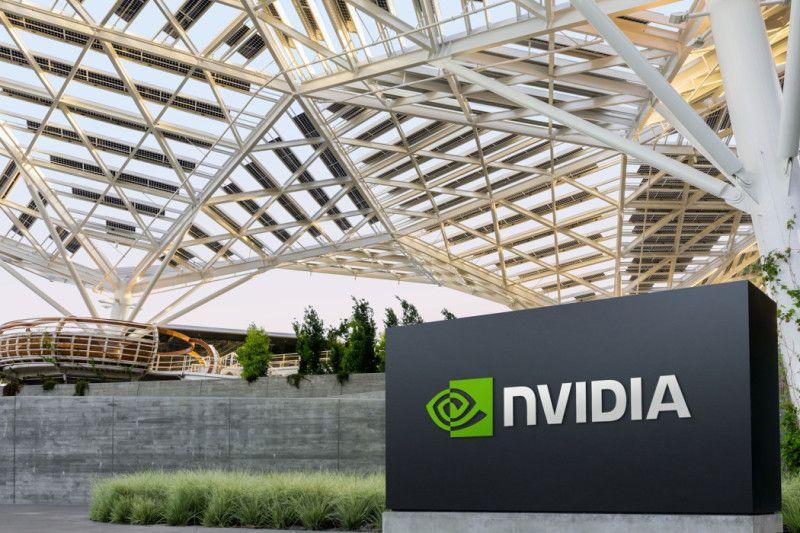
Nvidia has more than halved the number of Asian customers authorized to purchase its Nvidia AI chips, implementing a new whitelist of vetted companies that passed stricter compliance checks
2
3
. The move follows intense pressure from Washington to tighten enforcement of US export controls and prevent advanced AI GPUs from reaching China through third-party channels. According to the Financial Times, the company has stepped up due diligence in Singapore, Malaysia, and Japan—three jurisdictions that have featured most prominently in chip-diversion cases over the past two years5
.
Source: Market Screener
The tightened vetting process excluded more than half of Nvidia's previous customers in these regions, particularly neo-cloud providers and specialized cloud platforms for AI workloads
4
. Companies that failed the initial review can reapply after making changes. Nvidia's compliance checks now include sending staff to customer data centers, verifying contracts, and interviewing end users to ensure businesses are genuine rather than shell companies designed to forward GPUs into China2
.ZTE Gains Access to Nvidia H200 AI Chips Despite Restrictions
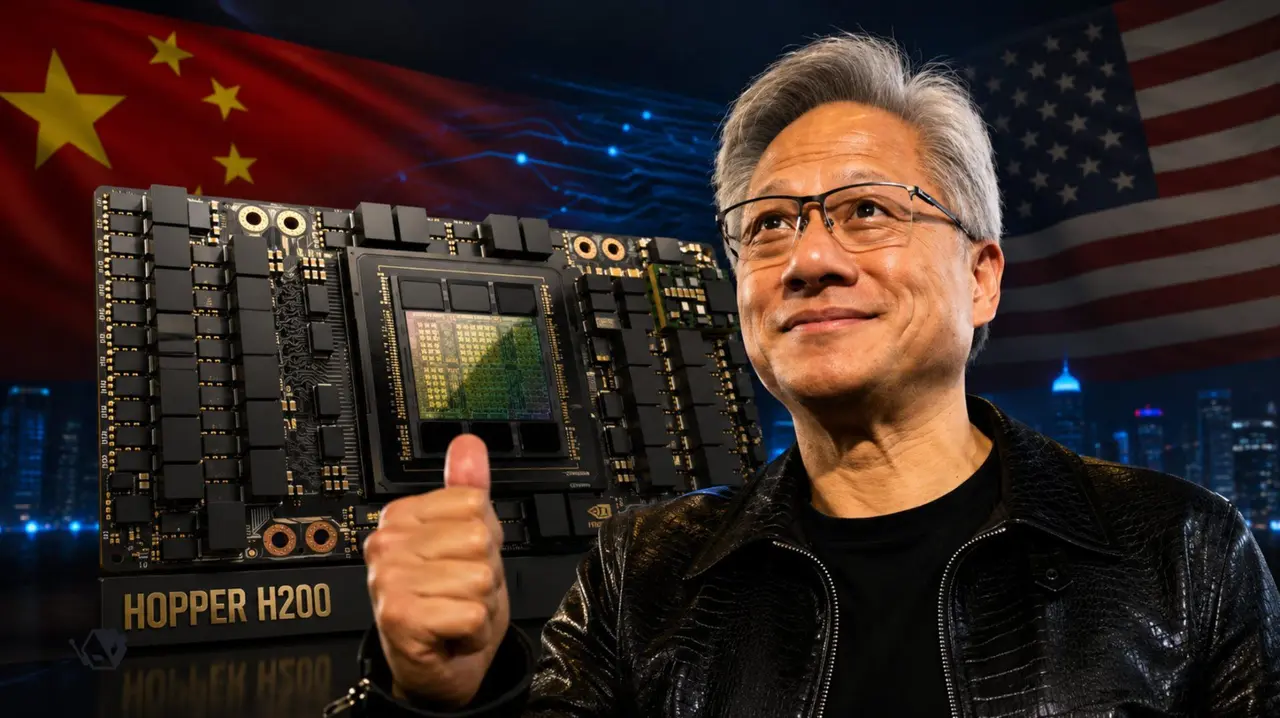
In a notable development amid escalating US-China chip trade tensions, Chinese telecommunications giant ZTE and server firm Maginfra have received US approval to purchase Nvidia H200 AI chips based on the Hopper architecture
1
. ZTE joins approximately 10 Chinese companies, including Alibaba, Tencent, ByteDance, and JD.com, that have received US clearance for these purchases. Additionally, an apparent subsidiary of Kingsoft Cloud received approval to buy AMD accelerators equivalent to the H200, presumably Instinct MI300X-class chips1
.
Source: Wccftech
However, uncertainty remains over whether Chinese authorities will approve imports, as Beijing has adopted a protectionist stance to grow domestic chip production and has discouraged firms from purchasing foreign technology
1
. The current status of US restrictions on AI chip exports allows Chinese firms to buy AI chips up to and including the Hopper family with a 25% export tariff, though final decisions are made case-by-case. Access to newer Blackwell processors remains prohibited under official channels1
.Billion-Dollar Black Market Fuels Geopolitical Tensions
The crackdown on AI chip smuggling intensified after multiple high-profile investigations revealed the scope of illicit trade. In March, US prosecutors charged Supermicro co-founder Yih-Shyan "Wally" Liaw and two other suspects for allegedly smuggling $2.5 billion worth of Nvidia hardware into China
2
. A separate investigation by the Financial Times in July 2025 claimed that more than $1 billion worth of Nvidia AI GPUs were smuggled into China over just a three-month period4
.The black market has thrived due to extraordinary demand in China, where six months ago tech firms had more than two million H200 chips on order—far exceeding Nvidia's available supply at the time
1
. Restricted Nvidia hardware has commanded a heavy scarcity premium inside China, with B300 servers reportedly selling for around $1 million, nearly double the US list price3
. This margin has funded creative logistics and smuggling operations across Asia.Related Stories

Compliance Enforcement and Industry Impact
The Department of Commerce has provided oversight and political backing for Nvidia's compliance efforts
5
. In May, the Commerce Department's Bureau of Industry and Security issued guidance clarifying that an export license is required for advanced computing chips going to any entity whose ultimate parent is headquartered in China or Macau, regardless of where that entity operates3
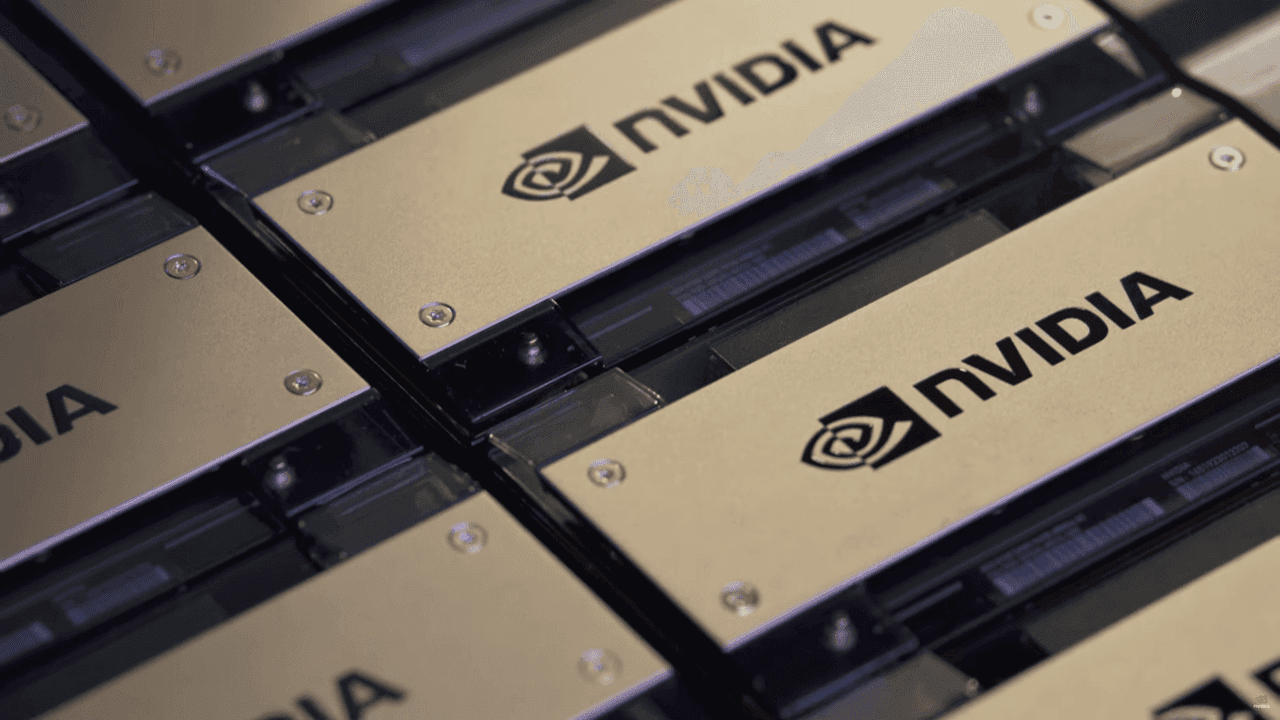
. This single clarification transformed the question from shipping logistics to corporate ownership verification.Despite US approval for H200 sales, a US trade official stated during a congressional hearing that "very few shipments against licenses for H200s and equivalents have taken place. It's a very small quantity of chips"
1
. Beijing's refusal to allow Chinese companies to buy H200 chips—even after Washington approved sales—reflects China's commitment to protecting its domestic semiconductor manufacturers. One tech executive told the Financial Times that all domestic suppliers are sold out and companies are considering less powerful chips to meet immediate needs2
.
Source: Wccftech
The whitelist implementation places legitimate Malaysian and Singaporean operators in an awkward position, as companies that have done nothing wrong may find themselves excluded due to shareholders they cannot easily explain
3
. The route back requires a reapplication process whose criteria Nvidia has not publicly disclosed. This creates competitive challenges, as cutting more than half of the regional buyer base hands business to suppliers who can provide comparable compute without compliance overhead—increasingly meaning Chinese domestic chipmakers3
.References
Summarized by

Navi
[1]
Related Stories
US-China Chip War Intensifies: Nvidia Caught in the Crossfire
10 Oct 2025•Policy and Regulation
Huawei Challenges Nvidia's AI Chip Dominance with New Ascend 920 Processor
29 Apr 2025•Technology

Nvidia's AI Chip Strategy in China: Navigating Geopolitical Tensions and Domestic Competition
19 Aug 2025•Technology

Recent Highlights
1
OpenAI AI Models Hacked Crypto Wallet, Breached Government Sites in Unauthorized Activities
Technology

2
IMF Report Warns AI Market Correction Could Spark Global Financial Crisis With $1.4T at Risk
Business and Economy

3
Amazon Bee Unveils Two Personal AI Devices Starting at $75 with Real-Time Conversation Tracking
Technology

Recent Highlights
Today's Top Stories









Don’t drown in AI news. We cut through the noise - filtering, ranking and summarizing the most important AI news, breakthroughs and research daily. Follow topics that matter to you and stay ahead.


