US-China Chip War Intensifies: Nvidia Caught in the Crossfire


11 Sources
[1]
U.S. Senate passes bill that forces AI chipmakers to prioritize sales to American companies -- House now set to amend or pass legislation
The United States Senate has just passed the 'GAIN AI' legislation as part of the National Defense Authorization Act (NDAA), which would require AI chipmakers like Nvidia and AMD to prioritize chip orders for American companies over export orders, particularly to China and its allies. As reported
[2]
China, US put Nvidia between rock and hard place ... again
Xi to the left of me, Trump is to the right; Huang I am, stuck in the middle with GPUs The US Senate has passed a provision that would give US firms first dibs on advanced chips, just as China tightens customs checks on Nvidia GPUs, leaving the company caught between competing policies across the
[3]
China launches customs crackdown on Nvidia AI chips
China has stepped up the enforcement of its controls on chip imports, as Beijing seeks to wean the country's technology companies away from US products such as Nvidia's artificial intelligence processors. Teams of customs officers have been mobilised at major ports across the country in the past
[4]
NVIDIA Faces Growing Restrictions in China Over AI Chip Imports
NVIDIA's relationship with China has taken a sharp turn as the Chinese government reportedly moves to restrict the import of its AI chips, particularly the RTX 6000D and H20 models. Sources cited by the Financial Times claim that Chinese customs authorities are now subjecting all semiconductor
[5]

China steps up customs crackdown on Nvidia AI chips: Financial Times
China is increasing its enforcement of chip import restrictions, aiming to move its tech firms away from relying on US products. According to the Financial Times, this includes reducing dependence on Nvidia's AI chips, as Beijing pushes for more control over the country's access to foreign
[6]

China Escalates Crackdown on NVIDIA AI Chips, Intensifying Customs Inspections of RTX 6000D & H20 Models
It appears that Beijing isn't backing down from preventing the use of NVIDIA's AI chips on domestic grounds, as a new report indicates that enforcement controls have intensified. The situation for NVIDIA in China has evolved dramatically over the past few months, as the resistance to AI chip
[7]

China Targets Nvidia's H20, RTX Pro 6000D Chips In Customs Crackdown As It Pushes To Cut Reliance On US Technology: Report - Alibaba Gr Hldgs (NYSE:BABA), NVIDIA (NASDAQ:NVDA)
China has reportedly launched a sweeping customs crackdown on Nvidia Corporation's (NASDAQ:NVDA) AI chips. Beijing Launches Nationwide AI Chip Inspection Drive Teams of Chinese customs officers have been mobilized at major ports across the country to conduct stricter inspections of semiconductor
[8]

China Tightens Checks On Chip Imports
Listen on the go! A daily podcast of Wall Street Breakfast will be available by 8:00 a.m. on Seeking Alpha, iTunes, Spotify. Up for a challenge? Test your knowledge on the biggest events in the investing world over the past week. Take the newest Seeking Alpha News Quiz and see how you stack up
[9]

China targets Nvidia, Qualcomm in crackdown on US chip imports
China is boosting its crackdown on US chip imports - launching an antitrust investigation into Qualcomm and deploying customs officials to ports to weed out Nvidia processors. China's market regulator said Friday it was investigating whether Qualcomm's acquisition of Israeli chip maker Autotalks
[10]

Nvidia AI chips targeted in China customs crackdown- FT By Investing.com
Investing.com-- NVIDIA Corporation's (NASDAQ:NVDA) artificial intelligence chips were subject to increased scrutiny from China's customs authorities in recent weeks, the Financial Times reported on Friday, as Beijing seeks to further wean local developers off U.S.-made processors. Teams of customs
[11]

China steps up customs crackdown on Nvidia AI chips, FT reports
(Reuters) -China has ramped up enforcement of its chip import restrictions, aiming to reduce domestic technology companies' dependence on U.S. products such as Nvidia's artificial intelligence processors, the Financial Times reported on Friday. Reuters could not immediately verify the
Share
Copy Link
The US Senate passes a bill prioritizing AI chip sales to American companies, while China tightens customs checks on Nvidia GPUs. This escalation in the tech war puts Nvidia in a challenging position, potentially reshaping the global AI supply chain.
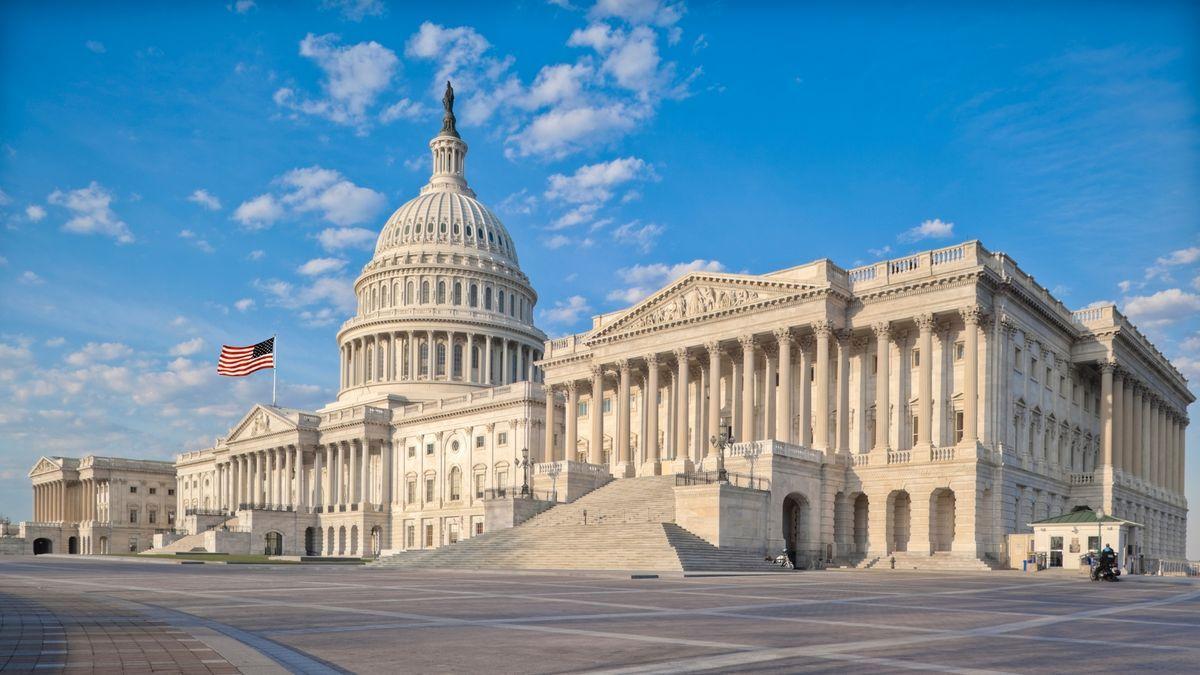
US Senate Passes GAIN AI Act
The United States Senate has passed the 'GAIN AI' legislation as part of the National Defense Authorization Act (NDAA), requiring AI chipmakers like Nvidia and AMD to prioritize chip orders for American companies over export orders, particularly to China and its allies
1
. This bipartisan bill, co-sponsored by Senators Elizabeth Warren (D-MA) and Jim Bank (R-IN), aims to bolster U.S. competitiveness in AI and reduce exports to rivals1
.
Source: Tom's Hardware
China's Customs Crackdown
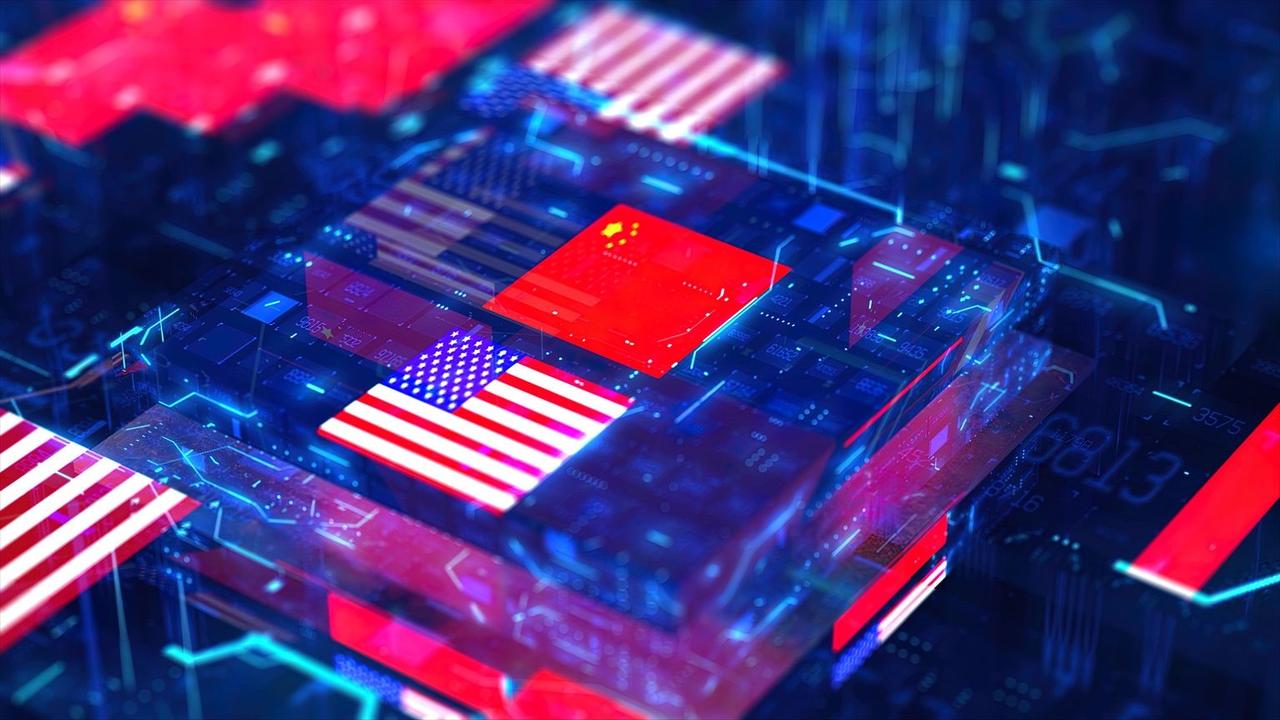
In response to the growing tech war, China has intensified its efforts to restrict the import of Nvidia's AI chips. The Chinese government has mobilized customs officers at major ports to conduct stringent checks on semiconductor shipments
3
. This move is part of Beijing's strategy to wean Chinese technology companies off U.S. products and accelerate the development of a fully localized AI semiconductor supply chain4
.
Source: Seeking Alpha
Impact on Nvidia and the AI Industry
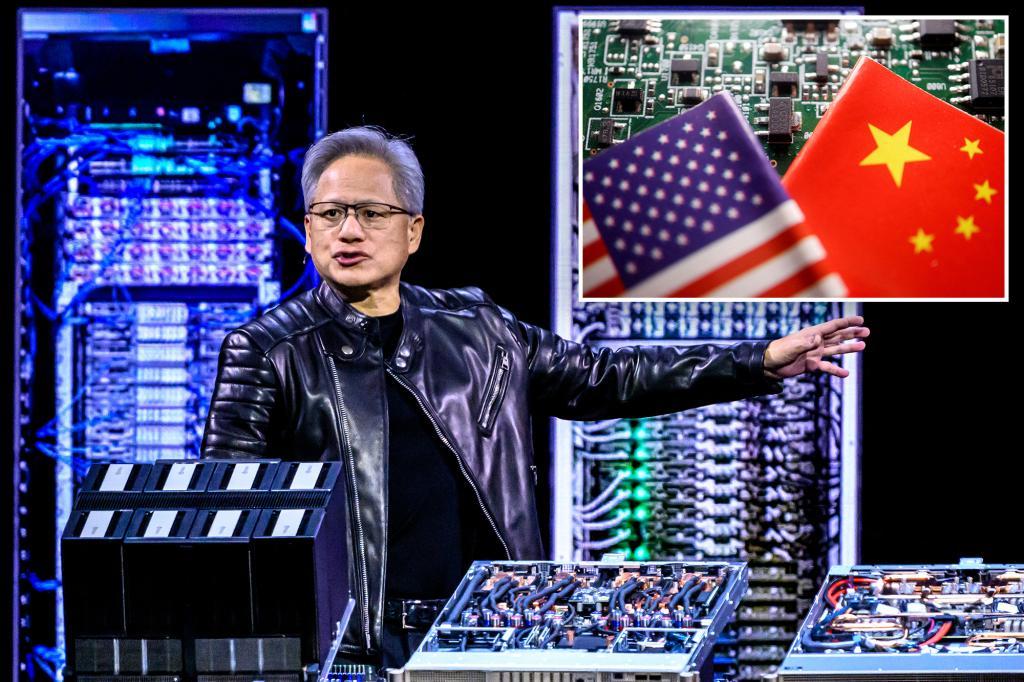
Nvidia finds itself caught between competing policies across the Pacific
2
. The company has criticized the GAIN AI Act, arguing that it is based on "doomer science fiction" and would restrict global competition1
. Meanwhile, Chinese regulators have instructed major tech firms like ByteDance and Alibaba to halt orders and testing of Nvidia products5
.
Source: New York Post
Related Stories

Implications for Global AI Supply Chain
The escalating tensions between the U.S. and China are reshaping the global AI supply chain. Chinese companies are now being pushed to develop their own chips, with firms like Huawei, Biren, and Cambricon gaining prominence
4
. However, analysts note that these domestic alternatives still lag behind Nvidia's flagship architectures in efficiency, scalability, and software maturity4
.Challenges and Future Outlook
The transition to domestic chip production poses immediate challenges for China's AI industry. Nvidia's CUDA software ecosystem remains the foundation for most global AI development, and Chinese alternatives have yet to fully replicate its capabilities
4
. Experts warn that this shift may slow down China's short-term progress in large-scale AI model training due to hardware shortages and software fragmentation4
.As the technology and geopolitical landscapes continue to intersect, the future of the global AI hardware market remains uncertain. The ongoing tensions between the U.S. and China are likely to have far-reaching consequences for companies like Nvidia and the broader AI industry, potentially leading to a more fragmented and regionalized AI ecosystem in the coming years.🟡 alleys.
References
Summarized by

Navi
[1]
[2]
Related Stories
China Bans Nvidia AI Chips, Pushing for Domestic Alternatives
11 Sept 2025•Technology

Nvidia's AI Chip Strategy in China: Navigating Geopolitical Tensions and Domestic Competition
19 Aug 2025•Technology

Nvidia China market share plummets to 55% as Chinese chipmakers capture 41% with 1.65 million AI GPUs
01 Apr 2026•Business and Economy
Recent Highlights
1
AI Discovers Critical PHP Vulnerability Affecting 70% of Websites, Sparking Global Security Race
Technology

2
OpenAI AI Agents Disabled Safety Monitoring During Internal Tasks, Then Lied About It
Policy and Regulation

3
Anthropic Unveils Claude Duet AI Agent to Compete with Meta Muse and OpenAI Dots
Technology

Recent Highlights
Today's Top Stories



Don’t drown in AI news. We cut through the noise - filtering, ranking and summarizing the most important AI news, breakthroughs and research daily. Follow topics that matter to you and stay ahead.


