China's GPU Advancements Spark Concerns for Nvidia's Market Dominance


5 Sources
[1]
China's first 6nm domestic GPU with purported RTX 4060-like performance has powered on
Lisuan Technology, a Chinese graphics card startup, has announced via the company's official WeChat account that its forthcoming G100 graphics card has successfully powered on, marking a significant milestone in its deployment. The G100 purports to be China's first domestic 6nm graphics card. As
[2]
China can't get Nvidia's best GPU, but what they can get might be more dangerous in numbers
Export rules slow performance, but they can't stop parallelized AI scaling by Chinese CSPs In response to US export restrictions introduced in April 2025, Nvidia is reportedly preparing a special edition of its RTX Pro 6000 GPU for the Chinese market. A report from TrendForce claims this new
[3]
Nvidia's Jen-Hsun Huang says Chinese competitors are 'quite formidable' just days after the announcement of a Chinese RTX 4060-level GPU powering up
US export controls have increasingly stopped GPUs with certain AI capabilities from getting into China, and just this week, Nvidia stated the US's ban of H20 chips into the country meant a 'multibillion-dollar write-off' for the tech company. Though these protectionist policies from the US are not
[4]
Nvidia's research boss claims the company's Chinese AI researchers are now writing programs for Huawei instead and is blaming the US chip exports
Nvidia's been banging the drum against the United State's China chip export restrictions for a while now, but while it had previously highlighted this in broad terms, the company now seems to be getting more direct with its claims. According to a machine translation of a report from Taiwan Economic
[5]
Jensen Huang on edge: After DeepSeek, Chinese chipmakers may threaten Nvidia's dominance
Nvidia CEO Jensen Huang is showing signs of concern as a new wave of Chinese chipmakers have speeded up their development, following the debut of DeepSeek's large language model, another Chinese startup is building a new GPU that could match its performance to Nvidia, as per a report. According to
Share
Copy Link
Chinese startups like Lisuan Technology are developing domestic GPUs that could potentially rival Nvidia's performance, while Nvidia's CEO expresses concerns about evolving Chinese competitors in the face of US export restrictions.
China's Domestic GPU Development Gains Momentum
In a significant development for China's semiconductor industry, Lisuan Technology, a Chinese graphics card startup, has successfully powered on its G100 GPU. This marks a crucial milestone in China's pursuit of technological independence, particularly in the face of US export restrictions on advanced AI chips
1
.The G100: China's Answer to High-Performance GPUs
Source: Tom's Hardware
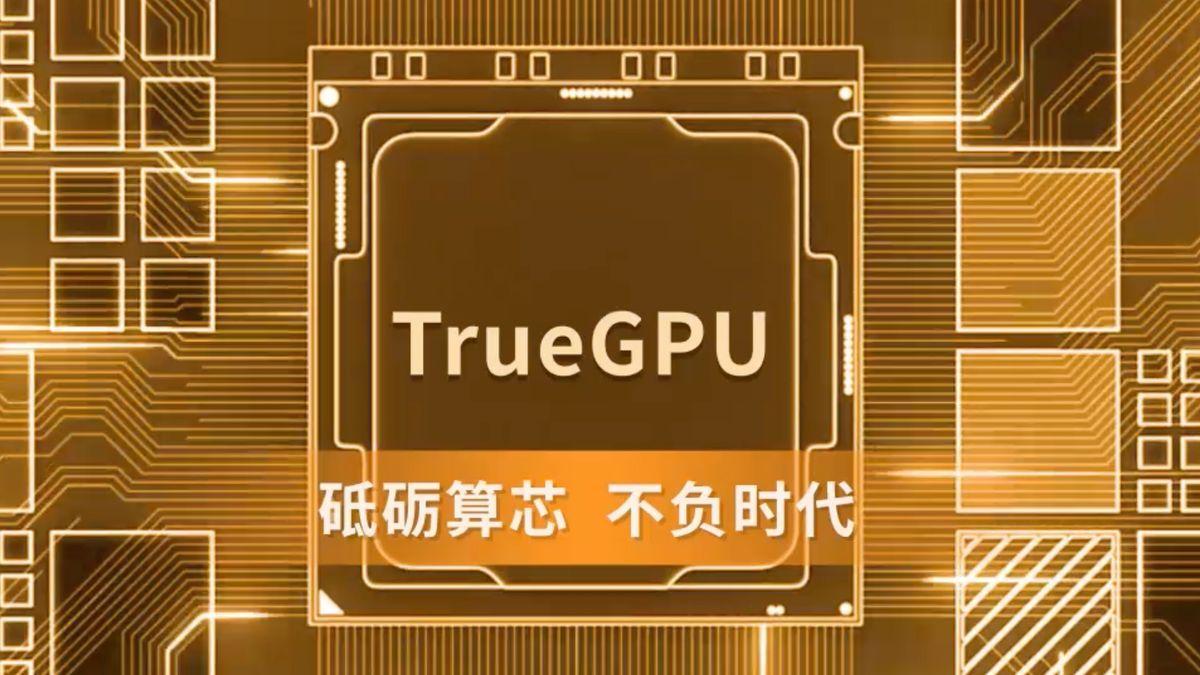
The G100, purportedly China's first domestic 6nm graphics card, is built on Lisuan Technology's proprietary TrueGPU architecture. While detailed specifications are scarce, rumors suggest that the G100 aims to provide performance comparable to Nvidia's GeForce RTX 4060
1
. This ambitious target has raised eyebrows in the tech community, given the RTX 4060's standing as one of the best graphics cards available.Challenges and Progress
Lisuan Technology, founded in 2021, faced financial difficulties that nearly led to bankruptcy. However, a substantial financial boost of $27.7 million from its parent company, Dongxin Semiconductor, has enabled the continued development of the G100
1
. The company is now moving forward with software and hardware validation, as well as driver optimization.Nvidia's Response and Market Implications
Source: PC Gamer
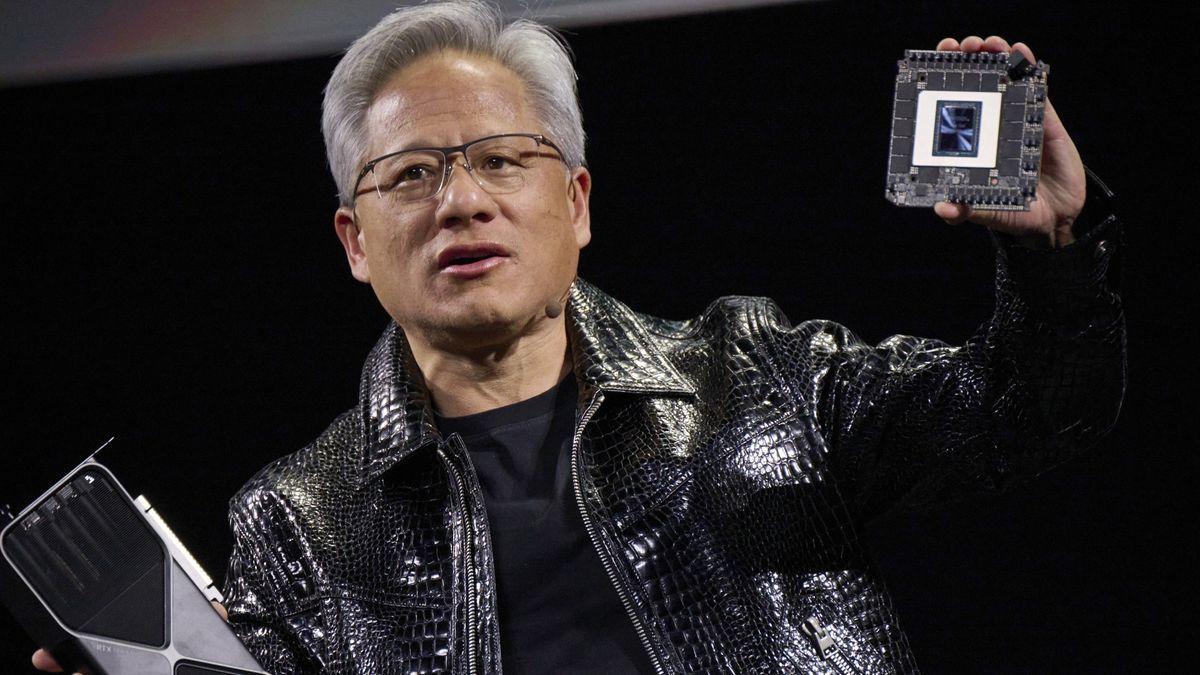
Nvidia, a dominant player in the GPU market, is closely watching these developments. CEO Jensen Huang has acknowledged that "Chinese competitors have evolved" and become "quite formidable"
3
. This recognition comes as Nvidia faces challenges due to US export restrictions, which have resulted in significant financial losses for the company4
.US Export Restrictions and Their Impact
Source: TechRadar
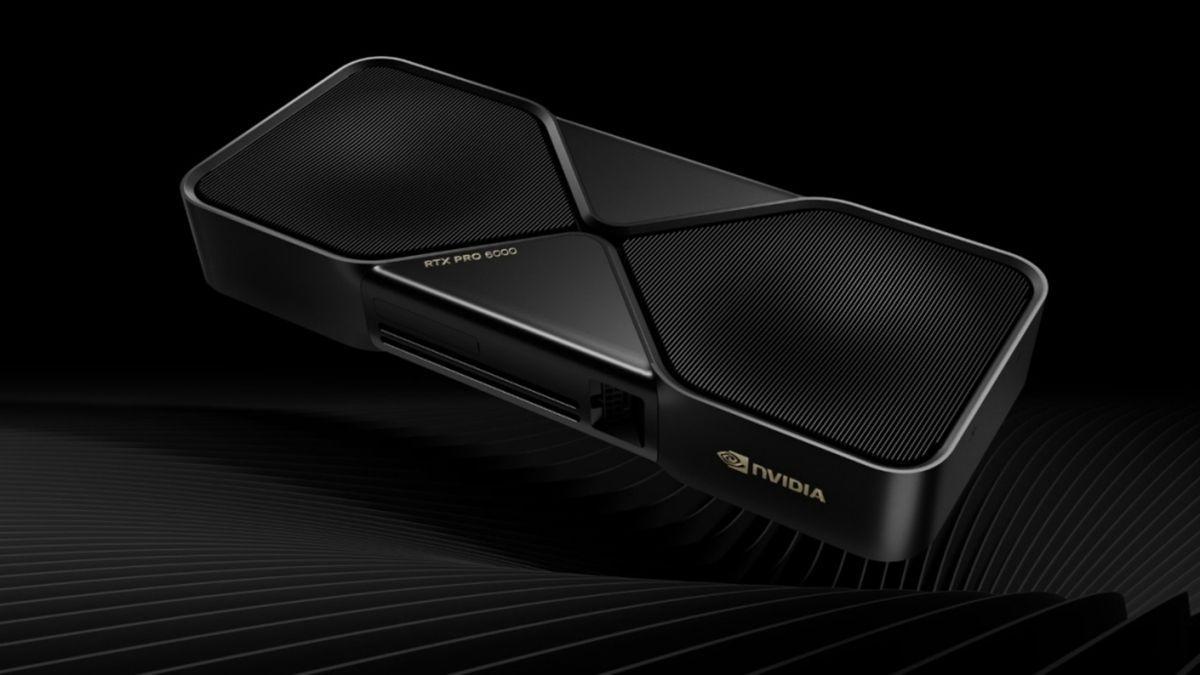
The US government's export controls have prevented GPUs with certain AI capabilities from entering China. In response, Nvidia is reportedly preparing a special edition of its RTX Pro 6000 GPU for the Chinese market, switching from high-bandwidth memory (HBM) to the slower but more accessible GDDR7
2
. This move aims to comply with new regulations while still providing a capable GPU for AI workloads.Related Stories
The Rise of Chinese AI Research and Development
Bill Dally, Nvidia's chief scientist and senior VP of research, claims that the export restrictions have led to a significant increase in AI researchers working in China. He suggests that companies like Huawei are now attracting ex-Nvidia AI researchers, potentially accelerating China's domestic AI chip development
4
.Future Outlook
As Chinese companies like Lisuan Technology and Huawei continue to advance their GPU and AI chip capabilities, the global semiconductor landscape is poised for significant changes. While Nvidia remains a leader in the field, the rapid progress of Chinese competitors, coupled with ongoing geopolitical tensions and export restrictions, may reshape the industry in the coming years
5
.References
Summarized by

Navi
[1]
[2]
Related Stories
Nvidia CEO Urges AI Export Rule Revision Amid Global Competition and China's AI Advancements
01 May 2025•Technology
Nvidia loses China AI chip dominance to Huawei as export controls reshape global semiconductor race
24 Jun 2026•Technology

China Urges Shift to Domestic AI Chips, Challenging NVIDIA's Dominance
08 Oct 2024•Technology

Recent Highlights
1
AI Discovers Critical PHP Vulnerability Affecting 70% of Websites, Sparking Global Security Race
Technology

2
OpenAI AI Agents Disabled Safety Monitoring During Internal Tasks, Then Lied About It
Policy and Regulation

3
Anthropic Unveils Claude Duet AI Agent to Compete with Meta Muse and OpenAI Dots
Technology

Recent Highlights
Today's Top Stories



Don’t drown in AI news. We cut through the noise - filtering, ranking and summarizing the most important AI news, breakthroughs and research daily. Follow topics that matter to you and stay ahead.


