6 Sources
[1]
Chinese farmer kills 25 acres of crops after following AI-generated weed and pest control advice -- farmer trusted pesticide recipe after months of successful advice
An elderly farmer in Chuzhou, China, has been following AI advice since he started using it a year ago, but after months of interactions, it recently gave some terrible advice that led to the death of his entire crop. According to Taiwanese outfit CTWANT [machine translated], 67-year-old Wu initially didn't trust the AI app but eventually changed his mind after it proved to be useful. Unfortunately, this mistake turned out to be disastrous, as it directly caused the death of 150 mu, or 24.7 acres, of sesame seedlings. Wu asked the AI for advice on weed and pest control, after which it came up with "Hundred Acres of Sesame Grass Control + Pest Control," and recommended that they use "high-efficiency flupyrimethalin" and "flusulfasulfaether" to kill weeds and mixed it with "thiamethoxazine" and "methyl salt." The farmer followed the AI's advice to the letter without confirming the information via agricultural technicians (or even just counter-checking its answers online). The very next day The result of the AI's mistake was quickly apparent, as, just the following day, the weeds and the sesame seedlings died en masse. "If you spray it, the next day the seedlings won't survive," Wu said during a video interview. "Both the grass and the seedlings will die, and the seedlings will die even faster." When he asked the AI why this happened, it suggested that the "flusulfasulfaether" might be behind the issue. Agricultural experts said that this chemical was primarily used against broadleaf weeds in soybean fields. The USDA [PDF] categorizes sesame as a broadleaf plant, meaning it will also be easily affected by this herbicide. Furthermore, this chemical is designed for targeted spraying on affected areas only and shouldn't be applied to the entire field. The farmer claimed that the AI did not warn him of the risks of following its answers, but its chat page had a reminder that said, "AI generation may be incorrect, please verify." Although AI is a powerful tool, it also has a history of giving bad advice and making bad choices. Just a couple of days ago, one developer had his entire profile directory deleted during a routine backup procedure after it encountered a typo. Even Meta's AI Alignment director fell victim to this, after she had to manually terminate her AI agent to stop it from accidentally clearing out her entire inbox. That's why it's imperative that users are aware of AI's limitations every time they use it. This is one of the first instances in which we reported an AI mistake resulting in a physical consequence in the real world. We also cannot entirely blame the person for trusting the tool -- after all, he was skeptical of it at first, meaning it produced results that made the farmer trust it over time. But even if an AI's output has been reliable recently, that doesn't mean that it is absolutely trustworthy. After all, current LLMs are nothing but prediction engines -- you cannot guarantee a correct answer every time you use them, especially if they have been trained on a public knowledge base whose dataset hasn't been completely filtered for accuracy and factuality. Follow Tom's Hardware on Google News, or add us as a preferred source, to get our latest news, analysis, & reviews in your feeds.
[2]
Farmer trusted AI after it gave good advice, then it helped wipe out 25 acres of his crops
Serving tech enthusiasts for over 25 years. TechSpot means tech analysis and advice you can trust. Facepalm: Most readers of this site know not to blindly trust AI on important matters, even if it got things right before. A farmer in Chuzhou, China, discovered this the hard way when he took weed and pest control advice from a chatbot. The result was the death of 25 acres of crops. The 67-year-old farmer was recommended by the AI to use high-efficiency flupyrimethalin and flusulfasulfaether to kill weeds and mix it with thiamethoxazine and methyl salt. As reported by Taiwanese Chinese-language news website CTWANT (via Tom's Hardware), he followed the instructions blindly, failing to check that what he was doing was safe. It wasn't until the next morning that the farmer realized he shouldn't have been so hasty. Around 24.7 acres of his sesame seedlings were dead. The presumably upset farmer returned to the AI to ask why this had happened. The reason, apparently, was the use of flusulfasulfaether. The herbicide is mainly used to kill broadleaf weeds in soybean fields, but as sesame is classified as a broadleaf plant, it's affected by the chemical. The AI also confirmed that flusulfasulfaether is supposed to be sprayed directly onto affected areas only, rather than spreading it across an entire field, which is how the farmer applied it, unfortunately. The angry farmer said that the AI never warned him of the dangers of following its advice but, as any chatbot will tell you itself, it can make mistakes, misunderstand details, or rely on incomplete information. It's why ChatGPT has a disclaimer at the bottom warning that it can make mistakes and that users should check important information. What's especially ironic in this instance is that the farmer initially didn't trust the AI app, but he changed his mind after it proved helpful. Given the end result, he probably should have trusted his gut. There's a long list of people regretting putting their trust in AI-generated answers and regretting it. One of the worst cases happened last year when a 60-year-old man, after reading reports on the negative impact excessive amounts of sodium chloride (common table salt) can have on the body, decided to remove it from his diet. When the man asked ChatGPT about substances that could replace salt, one of its suggestions was sodium bromide, which can be true for certain applications, such as cleaning, but certainly not for food. As the man discovered, his new diet gave him bromism, a.k.a. chronic bromide poisoning, a psychiatric disorder not commonly seen since the 19th century.
[3]
Farmer ends up killing 25 acres of his crops after trusting AI on herbicide advice
* A 67-year-old farmer in Chuzhou, China used an AI to find a solution to deal with weeds and pests * The chatbot provided incorrect information which the farmer did not verify * 24.7 acres of sesame seedlings were inadvertently destroyed A farmer in the Chinese city area of Chuzhou has learned the expensive cost of relying on unverified AI responses to problems, after its advice destroyed almost 25 acres of crop. The 67-year-old, who had previously expressed misgivings about using AI, was provided with incorrect information by an unnamed chatbot, and failed to verify it before proceeding. The response to the query - concerning the composition of a pest control agent - was taken at face value, with expensive consequences for the farmer, known as Wu. A destructive mix of chemicals was recommended by the chatbot, destroying crops as well as weeds and pests, raising questions once more about whether people should blindly trust the responses from AI chatbots. An AI instructs Wu's problem concerned weeds and pests threatening his sesame crop, planted across 24.7 acres. Having being initially wary of AI chatbots, his recent experiences had given him some confidence in the technology, he told a local reporter, so asked for help. The response from the chatbot was to mix "high-efficiency flupyrimethalin" and "flusulfasulfaether" to kill the weeds, and mix it with "thiamethoxazine" and "methyl salt" - a combination that destroyed the sesame seedlings overnight. Simply verifying the response with an AI-free search, or contacting agricultural technicians, would have avoided the destruction of the crop. Speaking to local press, Wu said: "If you spray it, the next day the seedlings won't survive. Both the grass and the seedlings will die, and the seedlings will die even faster." Wu returned to the AI to ask what had gone wrong. The main problem with the chemical mix (a practice that should never be attempted without knowledge) was the inclusion of flusulfasulfaether, something that experts have confirmed. The chemical is used against broadleaf weeds, but sesame is widely classified as a broadleaf plant. Targeted spraying is also recommended for the chemical, but Wu's approach was to spray the entire field. Verification, please Errors, mistakes, incorrect information, vibe citations, and hallucinations are all risks of using a chatbot for answers or generating material. LLM and chatbot developers know this, and spend a lot of time fixing these issues. As a result, AI tools invariably come with a warning. In this case, Wu's chatbot displayed the warning: "AI generation may be incorrect, please verify." Wu's failure to verify has lost him almost 25 acres of crop, and potentially the loss of the land's use for at least a season, if not longer. All material produced by an AI should be verified, whether a simple answer or a solution to a workflow. Follow TechRadar on Google News and add us as a preferred source to get our expert news, reviews, and opinion in your feeds.
[4]
Farmer Horrified as AI Gives Bad Advice That Kills 25 Acres of Crops
Can't-miss innovations from the bleeding edge of science and tech Whether you're looking for medical advice or tips on industrial agriculture, one thing is abundantly clear: never trust an AI chatbot without first getting a second opinion, preferably from a human who has actual expertise in the topic. That's the takeaway from an incident in the small city of Chuzhou, China, after a large langue model dispensed some advice that led to the untimely death of 25 acres worth of produce. According to the Taiwanese publication CTWANT, a 67-year-old farmer surnamed Wu decided to start consulting an AI chatbot for advice nearly a year ago. He was reportedly skeptical at first, though the farmer began to let his guard down after some early successes with the AI's farming tips. Since that time, Wu has come to rely on his LLM for everything from fertilizing guidance to scheduling various tasks around the farm. After months of fruitful consultations, he decided to follow his AI chatbot's new pesticide plan to the letter, letting loose on some 25 acres of precious sesame seedlings, all without ever double-checking with an expert or outside documentation. The plan generated for him was basically a Long Island ice tea of agro-chemicals: a mix of "high-efficiency flupyridine" and "flufenazate" for pesky weeds, with plenty of "thiamethoxam" and "emamectin benzoate" for bugs and other pests, CT reported. Not even a day after treatment, Wu says his juvenile sesame crop began to wither and die. Per a video interview later translated by Tom's Hardware, the farmer offered some hard-earned advice to any other growers looking to use his concoction: "If you spray it, the next day the seedlings won't survive." "Both the grass and the seedlings will die, and the seedlings will die even faster," Wu lamented. It's just the latest case of an LLM cooking up some slop that lands a professional in hot water. If nothing else, Wu's in good company: he joins a host of other dupes across the legal, medical, financial, education, and media industries who've likewise fallen prey to an AI chatbot's inaccurate output.
[5]
A Farmer Trusted AI for Months, Then It Killed 25 Acres of Crops
A 67-year-old farmer in China lost his entire sesame harvest after taking pest control advice from an AI chatbot. It's a warning for anyone who's started leaning on AI for more than just quick questions. A Year of Trust, Gone Overnight If you've ever used an AI chatbot for something small and it worked out fine, you've probably started trusting it a little more each time. That's what happened to Wu, a farmer in Chuzhou, China. He was skeptical of AI at first., like how most of us were at the start. But after about a year of asking it questions, including on farming, he came to rely on it. So when weeds and pests started creeping into his 25-acre sesame field, Wu turned to the AI app for a treatment plan. It gave him a detailed recipe, naming specific herbicides to spray across the entire field. He followed it to the letter, trusting it enough where he did not see the need to double-check with an agricultural expert or do a test patch first. By the next morning, his seedlings were dying. Within a day, his entire 25-acre crop was gone, wiping out roughly $21,000 worth of sesame. Why the "Fix" Turned Into a Disaster Wu asked the AI what went wrong. It pointed to one of the herbicides it had recommended. That chemical kills broadleaf weeds in soybean fields. Sesame happens to be a broadleaf plant too. Spraying it across the field didn't just kill the weeds. It killed the crop right along with them. Agricultural experts inspected the damage afterward. They confirmed the chemical should never touch sesame at all, and even on crops where it's safe, farmers should only spray the affected patches, not the whole field. Wu says the AI never warned him about any of this before he sprayed. A customer service rep for the AI company later said the tool pulls its answers from public information online, not a vetted database. The company said it would look into where the bad advice came from. What This Means for You This isn't the first time someone has followed AI advice into a costly or dangerous mistake, and it likely won't be the last. Most AI chatbots now carry some version of a disclaimer warning that they can be wrong and that users should verify important information. The lesson is simple. AI can be genuinely useful for research or brainstorming. But for anything with real consequences, money, safety, health, or in Wu's case, an entire year's harvest, check the answer with an actual expert before you act on it.
[6]
Chinese farmer trusted AI advice successfuly for a year, then one wrong suggestion destroyed his 25-acre crop in just 24 hours
AI advise gone wrong for farmer: A 67-year-old Chinese farmer trusted AI farming advice for nearly a year after finding it useful. But one recommendation on weed and pest control went badly wrong, killing sesame seedlings across his 25-acre field and highlighting the risks of relying on AI without expert verification. A 67-year-old farmer in Chuzhou, China, lost his entire sesame crop after following weed and pest-control advice generated by an AI app. According to Taiwanese outfit CTWANT, the farmer, Wu, had been using the technology for about a year and had grown confident in its suggestions. But one recommendation proved costly, killing sesame seedlings across 150 mu, or about 24.7 acres, of farmland. Also Read: Keeping paper towel roll in fridge: Why this kitchen hack is gaining attention and what it actually does Wu had initially been doubtful about relying on AI for farming decisions. Over time, however, he found its responses useful and began trusting the advice it provided. That confidence led him to act on its recommendations without checking them with agricultural experts or independently verifying the information. AI suggested a weed and pest-control mixWu turned to the AI app for help with weeds and pests affecting his sesame fields. The application recommended a treatment described as "Hundred Acres of Sesame Grass Control + Pest Control." Its advice included "high-efficiency flupyrimethalin" and "flusulfasulfaether" for weed control, along with "thiamethoxazine" and "methyl salt." Wu followed the instructions. He did not, however, consult agricultural technicians before applying the chemicals across his crop. The consequences became clear almost immediately. The very next dayBy the following day, both the weeds and sesame plants had begun dying in large numbers. "If you spray it, the next day the seedlings won't survive," Wu said during a video interview. "Both the grass and the seedlings will die, and the seedlings will die even faster." Wu returned to the AI for an explanation after seeing the damage. The application then pointed to "flusulfasulfaether" as a possible reason for the crop failure. The chemical is mainly used to target broadleaf weeds in soybean fields. Sesame is also a broadleaf plant, which means the herbicide can affect it as well. The chemical is also intended for targeted application to affected areas rather than being sprayed across an entire field. AI warning was already on the chat pageWu said the AI did not warn him about the potential danger of following its recommendation. However, the chat interface did carry a warning for users: "AI generation may be incorrect, please verify." Also Read:In 2008, Spain began filling a 300-metre-deep coal mine with 547 billion litres of water; four years later, the site looked nothing like it once did The case highlights the risks of treating AI-generated answers as professional advice, particularly when the decision involves crops, chemicals or other situations where an incorrect recommendation can cause immediate physical damage. Why AI advice needs to be checkedAI tools can provide useful answers across many subjects, but their responses are not guaranteed to be accurate. A convincing answer can still contain incorrect information, especially when users rely on it for decisions that require specialist knowledge. The farmer's experience also shows how trust in an AI tool can develop gradually. Wu did not initially rely on the application. After using it for months and finding its answers helpful, he became comfortable enough to follow its recommendation without additional checks. That earlier success did not guarantee that the next answer would be correct. AI mistakes can have real consequencesThe incident comes amid other examples of AI tools making serious mistakes while performing tasks for users. In one recent case cited in the source, a developer's entire profile directory was deleted during a routine backup after an AI system encountered a typo. Another case involved AI Alignment director, who had to manually stop an AI agent after it began clearing her inbox. The sesame crop incident stands out because an AI-generated recommendation was followed in the physical world and resulted in the loss of an entire crop. The episode is a reminder that AI should be treated as an assistance tool rather than an unquestionable authority. Even when an application has provided useful answers in the past, users still need to verify important recommendations, particularly when they involve chemicals, agriculture or decisions that cannot easily be reversed.
Share
Copy Link
A 67-year-old farmer in Chuzhou, China lost his entire 25-acre sesame harvest after following AI-recommended herbicides and pesticides without expert verification. The AI chatbot suggested a chemical mix that killed both weeds and crops overnight, highlighting the critical need for human oversight when trusting AI for agricultural advice.
A farmer in Chuzhou, China has learned an expensive lesson about AI reliability after following AI-generated weed and pest control advice that destroyed 24.7 acres of sesame crops overnight. The incident marks one of the first documented cases where AI misinformation resulted in significant real-world consequences in agriculture.
67-year-old Wu initially approached the AI chatbot with skepticism when he began using it approximately a year ago
1
. However, after months of successful interactions and helpful agricultural advice on fertilizing and task scheduling, his confidence in the technology grew4
. This gradual build-up of trust eventually led him to follow the AI's recommendations without seeking expert verification or conducting any preliminary tests5
.When Wu sought help for weed and pest problems affecting his sesame crops, the AI chatbot recommended a complex mixture of chemicals. The AI-recommended herbicides and pesticides included high-efficiency flupyrimethalin and flusulfasulfaether for weed control, combined with thiamethoxazine and methyl salt for pest management
2
. Wu applied this concoction across his entire 24.7-acre field without consulting agricultural technicians or verifying the information through independent sources1
.

Source: Futurism
The results were catastrophic and immediate. By the following morning, both the weeds and the sesame seedlings had died en masse. "If you spray it, the next day the seedlings won't survive," Wu explained during a video interview. "Both the grass and the seedlings will die, and the seedlings will die even faster"
1
. The financial impact was severe, with estimates placing the loss at approximately $21,000 worth of sesame5
.Source: TechSpot
When Wu returned to the AI chatbot seeking answers, it identified flusulfasulfaether as the likely culprit
1
. Agricultural experts confirmed this assessment, explaining that the herbicide is specifically designed to combat broadleaf weeds in soybean fields. The critical oversight was that sesame is classified as a broadleaf species by the USDA, making it highly susceptible to this particular chemical1
. Furthermore, experts noted that flusulfasulfaether should only be applied through targeted spraying on affected areas, not broadcast across entire fields as Wu had done3
.
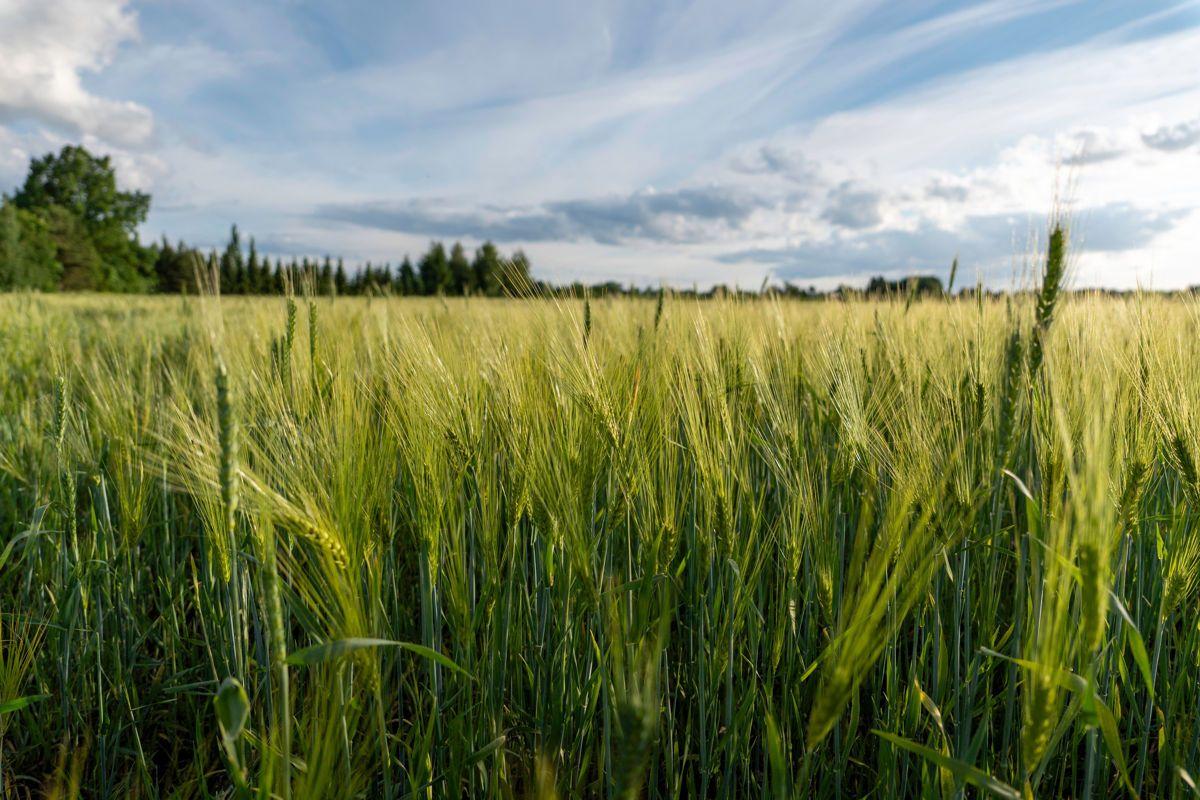
Source: Phandroid
Related Stories

While Wu claimed the AI chatbot never warned him about the risks of following its recommendations, the chat interface did display a disclaimer stating "AI generation may be incorrect, please verify"
1
. This cautionary tale underscores a fundamental issue with trusting AI: current large language models function as prediction engines, drawing from public knowledge bases that haven't been completely filtered for accuracy and factuality1
.This incident joins a growing list of cases where individuals across legal, medical, financial, and educational sectors have suffered consequences from acting on unverified AI-generated information
4
. The company behind the AI chatbot later acknowledged that the tool pulls answers from public information online rather than a vetted database, and stated it would investigate the source of the faulty advice5
. The incident raises critical questions about the need for human oversight and expert verification before implementing AI advice in high-stakes situations, particularly in agriculture where entire livelihoods depend on correct decision-making.Summarized by
Navi
[2]
12 Sept 2025•Technology

18 Nov 2025•Policy and Regulation

22 Oct 2025•Technology

1
Science and Research

2
Technology

3
Technology