Chinese Firm Tongfu Microelectronics Begins Trial Production of HBM2 Memory, Signaling Advancements in Domestic AI Chip Manufacturing


2 Sources
[1]
Chinese company announces trial production of HBM2, while HBM3E is here, and HBM4 is close
Chinese memory manufacturer Tongfu has announced it has started trial production of its HBM2 process, and could have the memory chips inside of Huawei AI GPUs in the near future. In a new report from Nikkei, we're learning that Tongfu Microelectronics has started HBM2 trial production, which is a
[2]
Chinese Firm Tongfu Announces Trial Production Of HBM2 Process; Expected To Be Featured In Huawei's AI Chips
Chinese memory manufacturers have started to gain traction in the HBM segment, as another domestic firm announced trial production of the HBM2 process. Well, China is competing with others in the AI race with full force, as the nation has now prioritized the development of the technology, seeing
Share
Copy Link
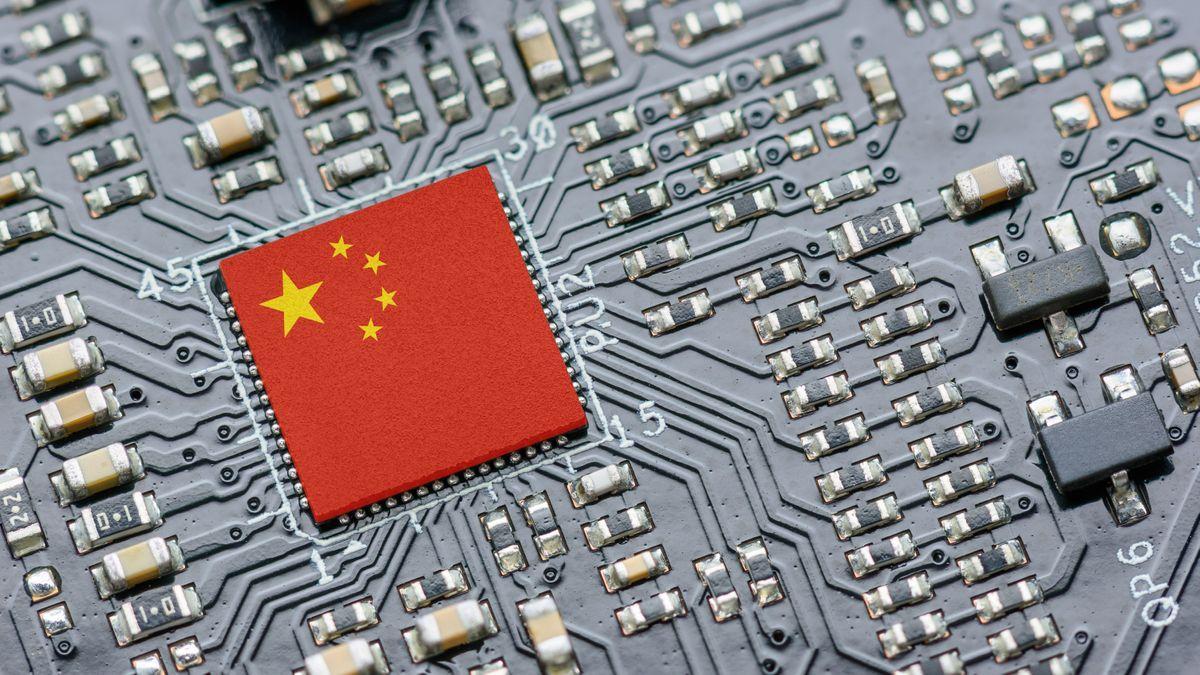
Tongfu Microelectronics, a Chinese memory manufacturer, has started trial production of HBM2 memory. This development marks a significant step for China's domestic semiconductor industry, potentially impacting AI chip production and global competition in advanced memory technologies.

Chinese Firm Tongfu Microelectronics Enters HBM2 Production
Tongfu Microelectronics, a prominent Chinese memory manufacturer, has announced the commencement of trial production for High Bandwidth Memory 2 (HBM2) chips. This development marks a significant milestone for China's domestic semiconductor industry, particularly in the context of artificial intelligence (AI) chip manufacturing
1
2
.Tongfu's Position in the Semiconductor Industry
Tongfu Microelectronics, while not widely known to the general public, holds a significant position in the global semiconductor industry. The company is the world's third-largest semiconductor packaging and test service provider. Notably, Tongfu has partnerships with major players in the tech industry, including AMD, which is both a partner and a shareholder in the company
1
2
.Implications for China's AI Chip Production
The production of HBM2 memory by Tongfu could have far-reaching implications for China's AI chip manufacturing capabilities. Reports suggest that Tongfu is a supplier to Huawei, a leading Chinese technology company known for its AI processors. While it's unclear whether Tongfu's HBM2 memory will be immediately integrated into Huawei's AI chips, this development opens up new possibilities for domestic AI hardware production
2
.China's Progress in Memory Technology
Tongfu is not alone in its efforts to advance China's memory technology capabilities. Other Chinese firms, including CXMT and Wuhan Xinxin, have also made significant progress in DRAM and HBM memory production in recent months. These developments collectively signal China's growing capabilities in semiconductor manufacturing, despite facing international sanctions and restrictions
1
2
.Global Context and Technological Gap
It's important to note that while HBM2 production represents a significant achievement for China's domestic industry, it still lags behind global industry leaders. Current cutting-edge memory technologies include HBM3E, with HBM4 on the horizon. For instance, NVIDIA's next-generation Rubin R100 AI GPU, expected to be unveiled at the GPU Technology Conference in March 2025, is anticipated to feature HBM4 memory
1
.Related Stories

Geopolitical Implications
The advancement of China's domestic semiconductor industry, including HBM production, carries significant geopolitical implications. It demonstrates China's determination to develop its own AI solutions and reduce reliance on foreign technologies, particularly in light of recent U.S. sanctions. This progress in memory technology is seen as a matter of national security and a key component of China's broader AI strategy
2
.Future Outlook
While HBM2 is currently behind the latest global standards, Tongfu's achievement represents a crucial step forward for China's semiconductor industry. As domestic development continues to evolve rapidly, it's likely that the technological gap between Chinese manufacturers and global industry leaders will narrow. The recent developments in China's AI sector, including advancements in language models, further underscore the country's growing capabilities in the field of artificial intelligence
2
.References
Summarized by

Navi
[1]
Related Stories
YMTC and CXMT Join Forces to Accelerate Chinese Domestic HBM Production
03 Sept 2025•Technology
SK Hynix Accelerates HBM4 Development to Meet Nvidia's Demand, Unveils 16-Layer HBM3E
04 Nov 2024•Technology

SK hynix Leads the Charge in Next-Gen AI Memory with World's First 12-Layer HBM4 Samples
19 Mar 2025•Technology

Recent Highlights



Recent Highlights
Today's Top Stories



Don’t drown in AI news. We cut through the noise - filtering, ranking and summarizing the most important AI news, breakthroughs and research daily. Follow topics that matter to you and stay ahead.


