Computer Simulation Mimics Brain Neuron Growth, Advancing Neurodegenerative Disease Research


3 Sources
[1]
Simulation mimics how the brain grows neurons, paving the way for future disease treatments
The research team used a technique called Approximate Bayesian Computation (ABC), which helps fine-tune the model by comparing the simulation with real neuron growth. This process ensures that the artificial brain accurately reflects how neurons grow and form connections in real life. The
[2]
Computer simulation mimics how the brain grows neurons, paving the way for future disease treatments
A new computer simulation of how our brains develop and grow neurons has been built by scientists from the University of Surrey. Along with improving our understanding of how the brain works, researchers hope that the models will contribute to neurodegenerative disease research and, someday, stem
[3]
Computer Simulation Models Neuron Growth - Neuroscience News
Summary: Scientists developed a computer simulation that models neuron growth in the brain, which could support advancements in neurodegenerative disease research. The simulation accurately replicated real neuron growth patterns in the hippocampus, a brain region key to memory. Built using
Share
Copy Link
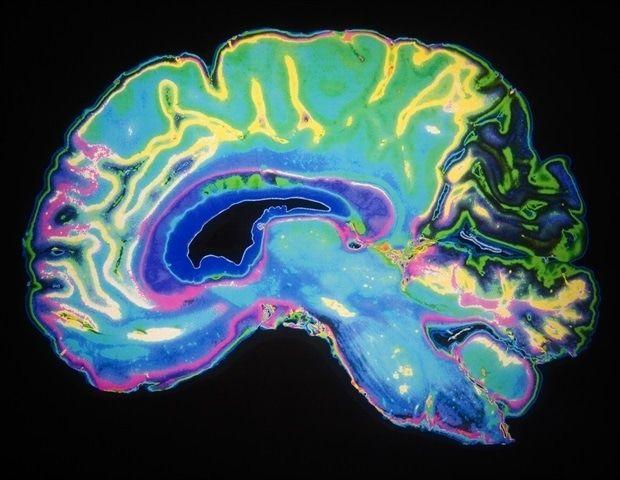
Scientists at the University of Surrey have developed a computer simulation that accurately models neuron growth in the brain, potentially paving the way for advancements in neurodegenerative disease research and treatments.

Groundbreaking Computer Simulation Models Brain Neuron Growth
Scientists from the University of Surrey have developed a revolutionary computer simulation that accurately models how neurons grow and develop in the brain. This breakthrough has the potential to significantly advance our understanding of brain function and contribute to research on neurodegenerative diseases
1
2
3
.Innovative Simulation Technique
The research team employed a technique called Approximate Bayesian Computation (ABC) to fine-tune their model. This method compares the simulation with real neuron growth data, ensuring that the artificial brain accurately reflects the growth and connection patterns of neurons in real life
1
2
.Testing and Validation
The simulation was tested using neurons from the hippocampus, a critical brain region involved in memory retention. Results showed that the system successfully mimicked the growth patterns of real hippocampal neurons, demonstrating its potential to simulate brain development in fine detail
1
2
3
.Implications for Neurodegenerative Disease Research
Dr. Roman Bauer from the University of Surrey's School of Computer Science and Electronic Engineering expressed optimism about the potential impact of this research:
"How our brain works is still one of the greatest mysteries in science. With this simulation, and the rapid advancements in artificial intelligence, we're getting closer to understanding how neurons grow and communicate. We hope that one day this work could lead to better treatments for devastating diseases like Alzheimer's or Parkinson's -- changing lives for millions."
1
2
3
Limitations and Future Improvements
The accuracy of the model is closely tied to the quality of the data used to calibrate it. While the current model has shown impressive results in replicating the growth of specific neurons, such as hippocampal pyramidal cells, further adjustments may be needed to accurately simulate other types of neurons or regions of the brain
1
2
3
.Related Stories
BioDynaMo Software
The computer simulation is built using the BioDynaMo software, co-developed by Dr. Bauer. This software enables scientists to easily create, run, and visualize multi-dimensional agent-based simulations across various fields, including biology, sociology, ecology, and finance
1
2
3
.Future Prospects
Researchers hope that this technology will not only contribute to neurodegenerative disease research but also potentially support stem cell research aimed at regenerating brain tissue. The success of this model highlights the potential of digital simulations in enhancing our understanding of brain function and development
2
3
.References
Summarized by

Navi
[1]
[2]
[3]
Related Stories
AI-Powered 'Digital Twin' of Mouse Visual Cortex Revolutionizes Brain Research
11 Apr 2025•Science and Research

AI Breakthrough: Simulating Brain Activity from Connectome Data
12 Sept 2024

Princeton creates 3D neural network that computes with living brain cells to tackle AI energy crisis
23 Apr 2026•Science and Research
Recent Highlights



Recent Highlights
Today's Top Stories



Don’t drown in AI news. We cut through the noise - filtering, ranking and summarizing the most important AI news, breakthroughs and research daily. Follow topics that matter to you and stay ahead.


