Princeton creates 3D neural network that computes with living brain cells to tackle AI energy crisis


4 Sources
[1]
A three-dimensional micro-instrumented neural network device - Nature Electronics
Three-dimensional (3D) cultured neural networks that emulate the structures and computational principles of the brain could be of use in the development of brain-inspired computing and artificial intelligence, as well as in the understanding of neural development and disease progression. However,
[2]
New 3D device computes using living brain cells -- bioelectronic device uses 3D electronic mesh design paired with living tissue
The device may unlock the brain's neuroscience and energy efficiency secrets. Researchers at Princeton University have created a three-dimensional neural network device that combines living brain cells and advanced embedded electronics. According to a recent press release, this 3D bioelectronic
[3]
3D Bio-Hybrid Device Merges Neurons and Computing - Neuroscience News
Summary: Researchers have bridged the gap between biology and silicon by creating a 3D programmable device that merges living brain cells with advanced electronics. Unlike previous "brain-on-a-chip" attempts that grew cells on flat surfaces, this device uses a flexible, microscopic metal mesh as a
[4]
Princeton builds bio-hybrid computer using living neurons
A team at Princeton University has developed a 3D device that combines tens of thousands of living neurons with an embedded electronic mesh, constituting a biological neural network capable of recognizing intricate electrical patterns. This study, published in Nature Electronics, introduces a novel
Share
Copy Link
Princeton University researchers have developed a groundbreaking bioelectronic device that merges tens of thousands of living brain cells with a 3D electronic mesh. The system successfully recognizes complex patterns while consuming just one-millionth the power of conventional AI systems. Monitored over six months, the device was trained to differentiate electrical patterns, demonstrating biocomputing capabilities that could reshape artificial intelligence and advance neuroscience research.
Princeton's Bioelectronic Device Merges Living Neurons With Electronics
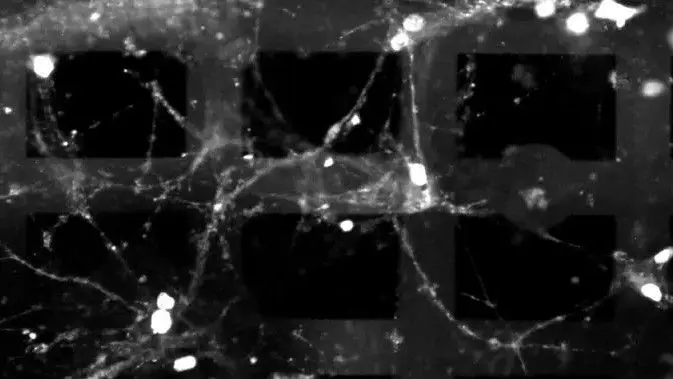
Researchers at Princeton University have developed a 3D neural network that combines living brain cells with advanced electronics to perform computational tasks, marking a significant step toward brain-inspired computing. Published in Nature Electronics, the bioelectronic device integrates tens of thousands of neurons with a microscopic electronic mesh, creating a biological neural network capable of recognizing complex electrical patterns
1
2
. The research team, led by Tian-Ming Fu, assistant professor of Electrical and Computer Engineering, along with James Sturm and postdoctoral researcher Kumar Mritunjay, spent over six months monitoring neural activity and training the system to differentiate patterns3
.
Source: Tom's Hardware
What sets this 3D bio-hybrid device apart is its Inside-Out Architecture. Unlike previous brain-on-chip attempts that relied on flat, two-dimensional cell cultures in petri dishes or externally probed three-dimensional clusters, the Princeton device works from the inside out
4
. Using advanced fabrication techniques, the team created a three-dimensional electronic mesh made of microscopic metal wires and electrodes supported by a thin epoxy coating. This scaffold provides just the right amount of flexibility to interface seamlessly with the soft neurons that grow around and through the sensors2
.Monitoring Neural Activity and Training Neural Networks Over Six Months
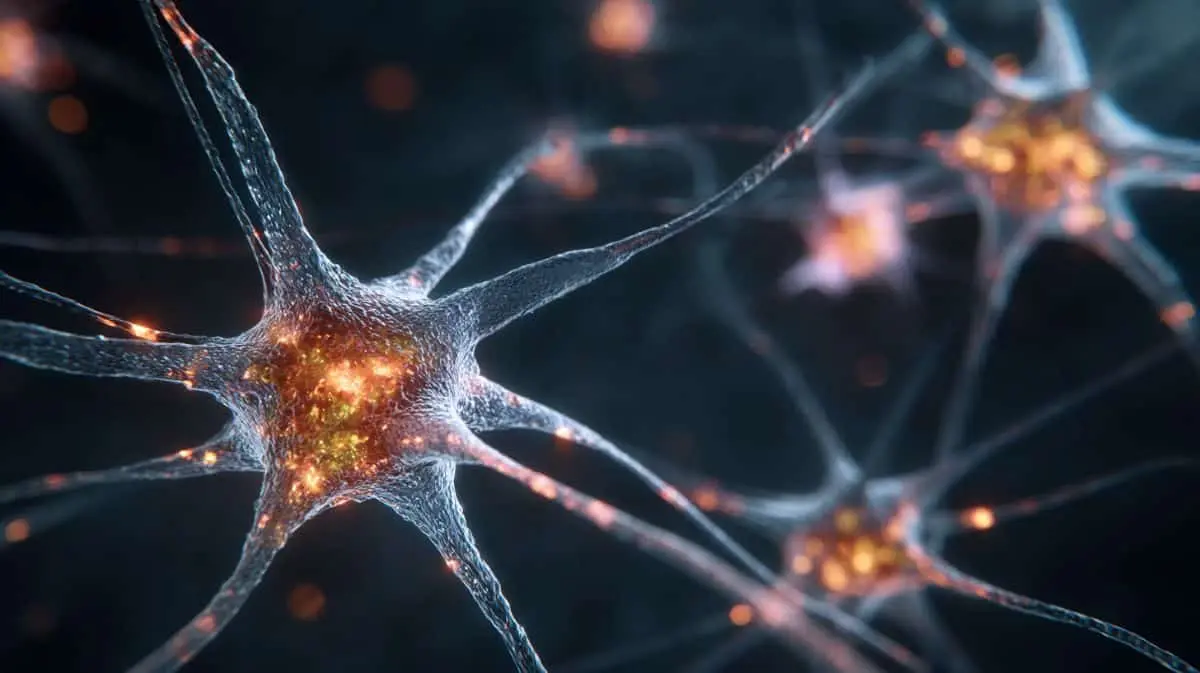
The integrated design enables researchers to record action potentials from multiple planes and stimulate neuronal connectivity at a much finer scale than previous approaches. Over a period of more than six months, the team tracked the evolution of the system, experimenting with techniques to strengthen and weaken connections between key neurons
1
. This chronic electrical stimulation allowed them to train neural networks by tuning the connectivity strengths between neurons, ultimately creating a reservoir neural network for biocomputing3
.
Source: Neuroscience News
In testing, researchers presented the system with distinct spatial patterns in one experiment and distinct temporal patterns in another. The algorithm successfully differentiated among the patterns in both tests, demonstrating the device's capability to recognize complex electrical pulse patterns
3
. The device also showed robust responses to pharmacological stimulation, allowing quantitative monitoring of the evolving connectivity maps of the neural networks1
.Addressing AI Power Consumption Through Biological Computing
While initially developed to study fundamental problems in neuroscience, the team realized the technology could address one of artificial intelligence's most pressing challenges: energy efficiency. "The real bottleneck for AI in the near future is energy," said Fu. "Our brain consumes only a tiny fraction -- about one-millionth -- of the power consumed by today's AI systems to perform similar tasks"
2
4
.This dramatic difference in power consumption positions biocomputing as a potential solution to the escalating energy demands of modern AI systems. The researchers hope the device may reveal some of the secrets behind the brain's remarkable energy efficiency, making it possible to replicate these discoveries in neuromorphic chip design
2
4
.Related Stories

Future Implications for Neuroscience and Brain-Machine Interfaces
Mritunjay noted that these 3D biological neural networks "not only help uncover the computing secrets of the brain but can also assist in understanding and possibly treating neurological diseases"
2
3
. The research team plans to progressively scale the device to perform increasingly complex tasks, with anticipated long-term applications extending beyond energy-efficient computing to include drug testing and brain-machine interfaces4
.This device represents part of a growing trend that seeks to blur the boundaries between biological and electronic systems. The ability to create stable device-neural network interfaces over extended periods opens new possibilities for understanding neural development and disease progression
1
. As the technology matures, watch for developments in how these systems scale to handle more complex computational tasks and whether the energy efficiency advantages translate to practical AI applications.References
Summarized by

Navi
[2]
[3]
Related Stories
Breakthrough in Neuromorphic Computing: Single Silicon Transistor Mimics Neuron and Synapse
29 Mar 2025•Technology
Brain Cells Outperform AI in Learning Speed and Efficiency, Study Reveals
13 Aug 2025•Science and Research
Cortical Labs Unveils CL1: World's First Commercial Biological Computer Using Human Brain Cells
06 Mar 2025•Technology

Recent Highlights
1
Microsoft and Nvidia Launch Surface Laptop Ultra: A $2,599 AI-Ready PC With RTX Spark Chip
Technology

2
Trump Consulted Grok AI Before Ordering Venezuela Invasion and Capture of Nicolás Maduro
Policy and Regulation

3
Scientists Build AI Model That Reconstructs Images From Brain Scans in Record Time
Science and Research

Recent Highlights
Today's Top Stories






Don’t drown in AI news. We cut through the noise - filtering, ranking and summarizing the most important AI news, breakthroughs and research daily. Follow topics that matter to you and stay ahead.


