Study Reveals Alarming Link Between Computer Vision Research and Surveillance Technologies


7 Sources
[1]
Is AI powering Big Brother? Surveillance research is on the rise
AI research on computer vision is almost always used in ways that enable surveillance, according to a new Nature study. Computer vision is what allows driverless cars to navigate, automatic tagging of people's faces on social media, and the detection of cancerous cells, but many people have argued
[2]
Wake up call for AI: computer-vision research increasingly used for surveillance
Imaging research in the popular field of computer vision almost always involves analysing humans and their environments, and most of the subsequent patents can be used in surveillance technologies, a study has found. Computer-vision research involves developing algorithms to extract information
[3]
Don't sleepwalk from computer-vision research into surveillance
The nature of scientific progress is that it sometimes provides powerful tools that can be wielded for good or for ill: splitting the atom and nuclear weapons being a case in point. In such cases, it's necessary that researchers involved in developing such technologies participate actively in the
[4]
Computer-vision research is hiding its role in creating 'Big Brother' technologies
You have full access to this article via Jozef Stefan Institute. We are in the middle of a huge boom in artificial intelligence (AI), with unprecedented investment in research, a supercharged pace of innovation and sky-high expectations. But what is driving this boom? Kalluri et al. provide an
[5]
Surveillance-linked computer vision patents jump 5×
A new study shows academic computer vision papers feeding surveillance-enabling patents jumped more than fivefold from the 1990s to the 2010s. The researchers, including Stanford University's Pratyusha Ria Kalluri and Trinity College Dublin's Abeba Birhane, collected more than 19,000 research
[6]
Pervasive surveillance of people is being used to access, monetize, coerce and control, study suggests
New research has underlined the surprising extent to which pervasive surveillance of people and their habits is powered by computer vision research -- and shone a spotlight on how vulnerable individuals and communities are at risk. Analyses of over 40,000 documents, computer vision (CV) papers and
[7]
New study finds dramatic rise in 'pervasive surveillance'
The US, China and the UK are the top three global producers of surveillance, finds the study. An analysis of more than 40,000 documents and patents spanning four decades reveals a five-fold increase in the number of computer vision (CV) papers relating to downstream surveillance
Share
Copy Link
A new study published in Nature exposes the strong connection between academic computer vision research and surveillance applications, raising ethical concerns about AI's role in mass surveillance.
Study Uncovers Pervasive Link Between Computer Vision Research and Surveillance
A groundbreaking study published in Nature has revealed an alarming connection between academic computer vision research and surveillance technologies. The research, conducted by a team including Pratyusha Ria Kalluri from Stanford University and Abeba Birhane from Trinity College Dublin, analyzed over 19,000 computer vision papers and 23,000 related patents
1
.
Source: The Register
Key Findings
The study's most striking discovery was that 90% of the analyzed papers and 86% of the citing patents involved data extraction relating to humans and their environments
2
. This trend has significantly increased over time, with 78% of computer vision papers in the 2010s leading to surveillance-related patents, compared to 53% in the 1990s.Obfuscation in Research Language
Researchers found a concerning pattern of language use in computer vision papers. Humans were often referred to as "objects," and social spaces as "scenes," potentially obscuring the ethical implications of the research
3
. This obfuscation could lead to ethics committees and researchers overlooking important ethical considerations when dealing with human data.Major Contributors to Surveillance-Enabling Research

Source: Nature
The study identified key organizations contributing to surveillance-enabling research:
- Microsoft: 296 papers leading to surveillance-related patents
- Carnegie Mellon University: 184 papers
2
Ethical Concerns and Implications
While computer vision has beneficial applications in areas such as medical imaging and autonomous vehicles, its potential for mass surveillance raises significant ethical concerns. Critics argue that AI-powered surveillance systems can be prone to errors, disproportionately affect minority populations, and potentially suppress democratic freedoms
4
.Related Stories

The "Surveillance AI Pipeline"
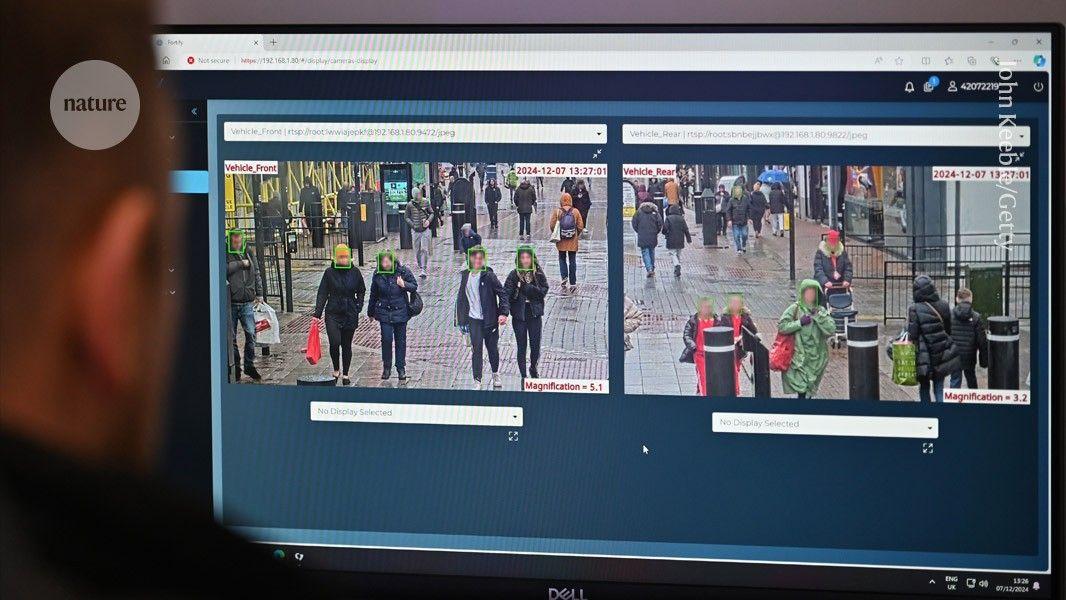
Jathan Sadowski of Monash University suggests that the focus on human data extraction in computer vision research is driven by the interests of corporations, military, and policing institutions. He describes this as the "surveillance AI pipeline," highlighting the deep partnerships between academic research and surveillance applications
5
.
Source: Nature
Call for Ethical Consideration and Regulation
The study's authors and commentators emphasize the need for researchers to actively participate in ethical and political discussions about the appropriate boundaries for their work. They call for:
- Enforced ethical standards by publishers
- Clear language in research papers about potential applications
- Personal ethical considerations by scientists
- Advocacy from scientific organizations on acceptable practices
3
As AI and computer vision technologies continue to advance, the debate over their ethical use in surveillance is likely to intensify, demanding increased scrutiny and regulation from policymakers and the scientific community alike.
References
Summarized by

Navi
[5]
Related Stories
AI surveillance tools enable government to analyze millions of Americans' data at scale
22 Apr 2026•Policy and Regulation

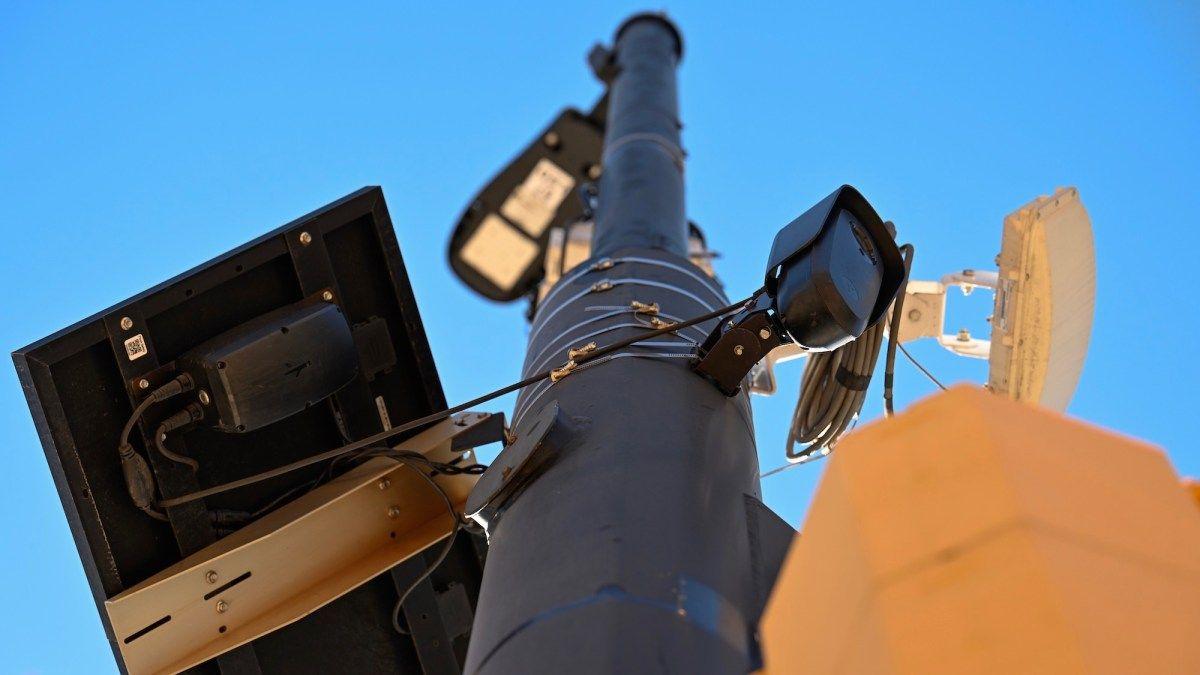
AI-powered license plate readers spread to thousands of US cities, raising mass surveillance alarms
27 Mar 2026•Policy and Regulation
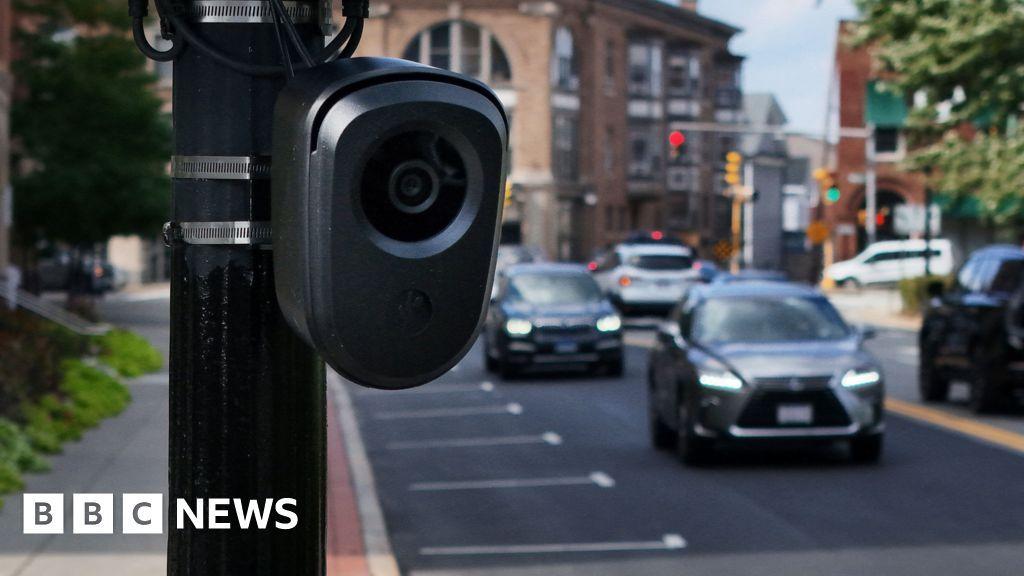
Flock Safety Faces Mass Exodus as 214 Cities Drop AI Surveillance Cameras Amid Privacy Concerns
30 Aug 2026•Policy and Regulation
Recent Highlights



Recent Highlights
Today's Top Stories



Don’t drown in AI news. We cut through the noise - filtering, ranking and summarizing the most important AI news, breakthroughs and research daily. Follow topics that matter to you and stay ahead.


