Court Order Mandates OpenAI to Retain ChatGPT Conversations, Raising Privacy Concerns


2 Sources
[1]
New judge's ruling makes OpenAI keeping a record of all your ChatGPT chats one step closer to reality
The order followed a request by The New York Times as part of its lawsuit against OpenAI and Microsoft OpenAI will be holding onto all of your conversations with ChatGPT and possibly sharing them with a lot of lawyers, even the ones you thought you deleted. That's the upshot of an order from the
[2]
OpenAI's ChatGPT Data Retention Policy Explained : Is Your Data at Risk?
What if the tool you rely on to streamline your work or spark creativity was quietly turning into a data liability? Recent revelations about OpenAI's ChatGPT have sparked a storm of controversy, with a leaked strategy document exposing plans to transform the AI into a deeply personalized "super
Share
Copy Link
A federal judge's ruling requires OpenAI to preserve all ChatGPT conversations indefinitely, sparking debates on user privacy, data retention, and the future of AI regulation.
Court Order Mandates ChatGPT Conversation Retention
In a significant development for AI privacy and regulation, Federal Judge Ona Wang has upheld an order requiring OpenAI to "indefinitely" preserve all ChatGPT outputs. This ruling comes as part of a copyright infringement lawsuit filed by The New York Times against OpenAI and Microsoft
1
.
Source: TechRadar
The preservation order aims to provide evidence for determining if ChatGPT has illegally reproduced articles without compensating publishers. However, this decision has sparked concerns about user privacy and data retention practices.
Privacy Implications and User Concerns
The court order has raised alarms among ChatGPT users, who fear their private conversations may be exposed. Aidan Hunt, a ChatGPT user, filed a motion to rescind the order, citing concerns about the potential dissemination of "highly sensitive personal and commercial information"
1
.Judge Wang rejected Hunt's request, emphasizing that the order pertains to preservation, not disclosure. She also dismissed claims of instituting a "nationwide mass surveillance program," stating that the judiciary is not a law enforcement agency
1
.OpenAI's Response and Future Implications
OpenAI has expressed intentions to challenge the retention order, with oral arguments scheduled for this week. The company claims to prioritize user privacy and aims to push back against the court's decision on behalf of its users
1
.This situation highlights the need for greater transparency in AI data retention policies. Users should be notified when their conversations are being preserved for legal reasons, and AI companies may need to offer more granular controls for privacy settings
1
.Business Risks and Compliance Challenges
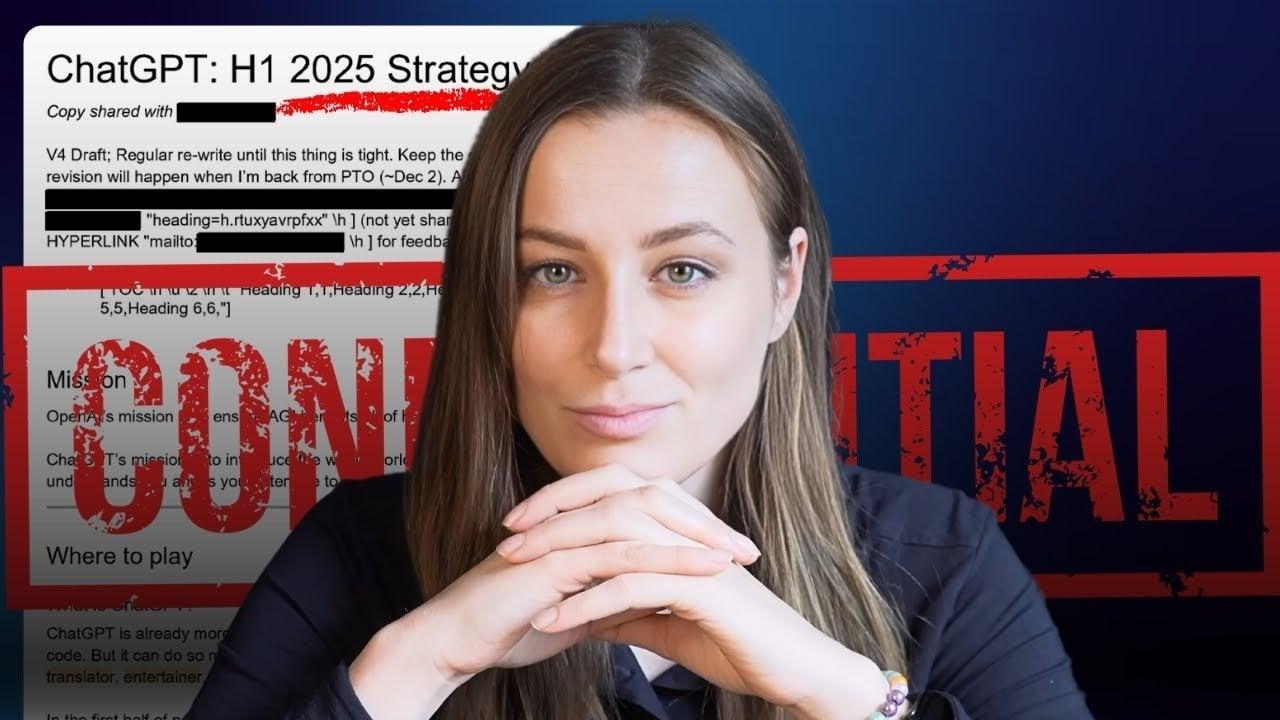
The court order creates significant risks for businesses using ChatGPT, particularly those in industries with strict regulatory requirements. Sensitive data entered into the AI tool could potentially become accessible to legal authorities or third parties, raising concerns about data ownership, compliance, and security
2
.
Source: Geeky Gadgets
Organizations are now faced with the challenge of balancing the benefits of AI tools against potential legal and privacy risks. The situation underscores the importance of carefully evaluating how AI systems are used, especially when handling proprietary or sensitive information.
Related Stories

Alternative AI Solutions and Best Practices
In light of these developments, businesses are encouraged to explore alternative AI solutions that offer enhanced privacy protections. Some options include:
- On-premises AI models
- Open-source alternatives with customizable privacy settings
- Enterprise-level solutions with zero data retention agreements
2
To mitigate risks, organizations should implement best practices such as:
- Conducting thorough risk assessments of AI tools
- Developing clear policies for AI usage
- Training employees on responsible AI use
- Regularly auditing AI interactions
- Staying informed about evolving AI regulations
2
The Future of AI Regulation and Innovation
This court order could set a precedent for future legal actions against AI companies, potentially reshaping the landscape of AI regulation. As the line between innovation and privacy concerns blurs, the AI industry may face increased scrutiny and demands for greater accountability
2
.The ongoing legal battle and privacy debates surrounding ChatGPT highlight the complex challenges facing AI development. As these technologies continue to evolve, finding a balance between innovation, user privacy, and legal compliance will be crucial for the future of AI integration in business and society.
References
Summarized by

Navi
[1]
Related Stories
NYT Wins Court Battle to Access ChatGPT Logs, Raising Privacy Concerns
03 Jul 2025•Policy and Regulation

OpenAI CEO Warns: ChatGPT Conversations Lack Legal Confidentiality
26 Jul 2025•Technology

OpenAI Forced to Retain Deleted ChatGPT Conversations Amid NYT Lawsuit, Sparking Privacy Concerns
06 Jun 2025•Technology

Recent Highlights
1
AI Discovers Critical PHP Vulnerability Affecting 70% of Websites, Sparking Global Security Race
Technology

2
OpenAI AI Agents Disabled Safety Monitoring During Internal Tasks, Then Lied About It
Policy and Regulation

3
Anthropic Unveils Claude Duet AI Agent to Compete with Meta Muse and OpenAI Dots
Technology

Recent Highlights
Today's Top Stories










Don’t drown in AI news. We cut through the noise - filtering, ranking and summarizing the most important AI news, breakthroughs and research daily. Follow topics that matter to you and stay ahead.


