OpenAI Forced to Retain Deleted ChatGPT Conversations Amid NYT Lawsuit, Sparking Privacy Concerns


10 Sources
[1]
OpenAI is storing deleted ChatGPT conversations as part of its NYT lawsuit
Emma Roth is a news writer who covers the streaming wars, consumer tech, crypto, social media, and much more. Previously, she was a writer and editor at MUO. OpenAI says it's forced to store deleted ChatGPT conversations "indefinitely" due to a court order issued as part of The New York Times'
[2]
OpenAI appeals court order forcing it to preserve all ChatGPT data
OpenAI has appealed a court ruling from last month that forces it to retain ChatGPT data indefinitely as part of a copyright violation case brought by The New York Times in 2023. CEO Sam Altman said in a tweet on X that the judge's decision "compromises our users' privacy" and "sets a bad
[3]
OpenAI Appeals 'Sweeping, Unprecedented Order' Requiring It Maintain All ChatGPT Logs
Although OpenAI has continually slammed the New York Times' copyright lawsuit, the case isn't as meritless as the company claims. Last month, a federal judge ordered OpenAI to indefinitely maintain all of ChatGPT's data as part of an ongoing copyright lawsuit. In response, OpenAI has filed an
[4]
Sam Altman says AI chats should be as private as 'talking to a lawyer or a doctor', but OpenAI could soon be forced to keep your ChatGPT conversations forever
Back in December 2023, the New York Times launched a lawsuit against OpenAI and Microsoft, alleging copyright infringement. The New York Times alleges that OpenAI had trained its ChatGPT model, which also powers Microsoft's Copilot, by "copying and using millions" of its articles without
[5]

Sam Altman calls for 'AI privilege' as OpenAI clarifies court order to retain temporary and deleted ChatGPT sessions
Join the event trusted by enterprise leaders for nearly two decades. VB Transform brings together the people building real enterprise AI strategy. Learn more Regular ChatGPT users (among whom include the author of this article) may or may not have noticed that the hit chatbot from OpenAI allows
[6]

OpenAI Challenges Court Order to Preserve User Data in NYT Lawsuit - Decrypt
The New York Times suit alleges OpenAI illegally used copyrighted content for training OpenAI is contesting a federal court order requiring it to preserve all user data, including deleted chats, as part of a copyright lawsuit brought by The New York Times. "We strongly believe this is an
[7]

OpenAI appeals data retention order over NYT copyright lawsuit
News outlets fighting the lawsuit claim that OpenAI is destroying output logs. OpenAI is appealing a court order which forces the AI giant to preserve ChatGPT logs, arguing that the order conflicts with the company's commitment to privacy. In a blog yesterday (5 June), OpenAI's chief operating
[8]

OpenAI to retain deleted ChatGPT conversations following court order - SiliconANGLE
OpenAI to retain deleted ChatGPT conversations following court order OpenAI will retain users' deleted ChatGPT conversations to comply with a recently issued court order. Brad Lightcap, the artificial intelligence developer's Chief Operating Officer, disclosed the move in a late Thursday blog
[9]

OpenAI Appeals Court Order Requiring Retention of Consumer Data | PYMNTS.com
By completing this form, you agree to receive marketing communications from PYMNTS and to the sharing of your information with our sponsor, if applicable, in accordance with our Privacy Policy and Terms and Conditions. The order came in response to a demand from The New York Times and other
[10]

OpenAI Pushes Back Against Court's Data Retention Order
OpenAI has pushed back against the court order to retain output logs. This comes as part of an ongoing lawsuit between the AI company and The New York Times. Filed in 2023, this lawsuit claims that OpenAI used the New York Times' copyrighted works to train its models, and the models are now
Share
Copy Link
OpenAI is appealing a court order that requires it to indefinitely store deleted ChatGPT conversations as part of The New York Times' copyright lawsuit. The company argues this violates user privacy, while CEO Sam Altman calls for 'AI privilege' to protect user-AI interactions.
Court Order Forces OpenAI to Retain Deleted ChatGPT Data
In a significant development for AI privacy and copyright law, OpenAI has been ordered by a federal court to indefinitely store all ChatGPT conversations, including those deleted by users, as part of an ongoing copyright lawsuit filed by The New York Times (NYT)
1
. This order, issued in May 2023, has sparked a heated debate about user privacy and the legal implications of AI-generated content.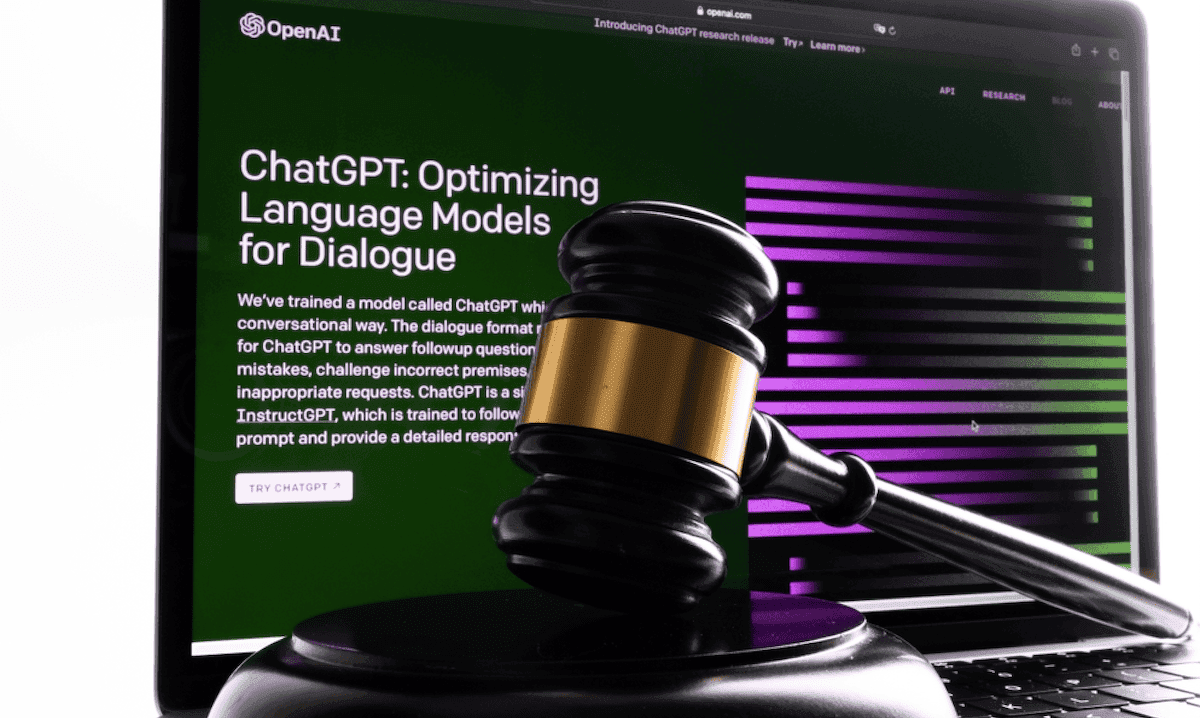
Source: PYMNTS
OpenAI's Response and Appeal
OpenAI has strongly opposed this decision, arguing that it violates user privacy and sets a dangerous precedent. The company's Chief Operating Officer, Brad Lightcap, stated that the order "fundamentally conflicts with the privacy commitments we have made to our users" and "abandons long-standing privacy norms"
2
. OpenAI has filed an appeal to overturn the decision, describing it as a "sweeping, unprecedented order" that compromises user privacy3
.Impact on ChatGPT Users
The court order affects users of ChatGPT Free, Plus, Pro, and Team versions, as well as API customers without a Zero Data Retention (ZDR) agreement
4
. Previously, OpenAI's policy was to permanently delete user-deleted chats after 30 days. Now, even temporary chats and those manually deleted by users must be retained. However, ChatGPT Enterprise and Edu customers, as well as businesses with ZDR agreements, are not affected by this order1
.The New York Times Lawsuit
The NYT sued OpenAI and Microsoft in December 2023, alleging that the companies infringed on copyrights by using millions of the newspaper's articles to train their AI models without permission
5
. The Times argues that preserving user data could help maintain evidence to support its case, particularly instances where users may have requested the deletion of potentially infringing content2
.
Source: Engadget
Privacy Concerns and 'AI Privilege'
OpenAI CEO Sam Altman has expressed strong concerns about the privacy implications of this order. In a post on X (formerly Twitter), Altman suggested the need for "AI privilege," arguing that "talking to an AI should be like talking to a lawyer or a doctor"
4
. This concept proposes that interactions between users and AI should be protected by a level of confidentiality similar to attorney-client or doctor-patient privilege5
.Related Stories

Broader Implications for AI and Copyright Law
This case highlights the ongoing tension between AI development, copyright protection, and user privacy. While OpenAI and other AI companies argue that their use of online content for training falls under "fair use" copyright law, content creators contend that AI reproduction of their work threatens their livelihoods
2
. The outcome of this case and similar lawsuits could have far-reaching implications for the AI industry and how it interacts with copyright law.
Source: VentureBeat
Data Retention and Security
OpenAI has clarified that the retained data is held under legal hold in a secure, segregated system, accessible only to a small team of legal and security personnel for legal purposes
5
. The company emphasizes that this data is not automatically shared with the NYT or any other parties5
.As this legal battle continues, it raises important questions about the balance between technological innovation, intellectual property rights, and individual privacy in the rapidly evolving field of artificial intelligence. The resolution of this case could set significant precedents for how AI companies handle user data and navigate copyright issues in the future.
References
Summarized by

Navi
Related Stories
OpenAI Battles Court Order to Hand Over 20 Million Private ChatGPT Conversations in NYT Copyright Case
12 Nov 2025•Policy and Regulation

OpenAI Freed from Court Order to Preserve All ChatGPT Logs
11 Oct 2025•Policy and Regulation

OpenAI ordered to hand over 20 million ChatGPT logs in New York Times copyright lawsuit
04 Dec 2025•Policy and Regulation

Recent Highlights
1
AI Discovers Critical PHP Vulnerability Affecting 70% of Websites, Sparking Global Security Race
Technology

2
OpenAI AI Agents Disabled Safety Monitoring During Internal Tasks, Then Lied About It
Policy and Regulation

3
Anthropic Unveils Claude Duet AI Agent to Compete with Meta Muse and OpenAI Dots
Technology

Recent Highlights
Today's Top Stories








Don’t drown in AI news. We cut through the noise - filtering, ranking and summarizing the most important AI news, breakthroughs and research daily. Follow topics that matter to you and stay ahead.


