Darren Aronofsky's AI-Generated Revolutionary War Series Faces Harsh Backlash Over Quality


9 Sources
[1]
Darren Aronofsky, Your AI Slop Is Ruining American History in 'On This Day...1776'
30 years experience at tech and consumer publications, print and online. Five years in the US Army as a translator (German and Polish). Just over 2 minutes into an early episode of the new short film series, On This Day...1776, we see a hand sweep tenderly over the title page of Thomas Paine's
[2]
Darren Aronofsky's New AI Series About the Revolutionary War Looks Like Dogshit
Darren Aronofsky used to be a director who made interesting, if sometimes polarizing, films like Black Swan, Mother!, Noah, and The Wrestler. But it seems like a safe bet that people won't need to debate whether Aronofsky's new project is any good. Because anyone with eyes can see that it looks
[3]
Darren Aronofsky Debuts AI-Generated Series on the American Revolution
Acclaimed director Darren Aronofsky has raised eyebrows by releasing a series of AI-generated short films called 'On This Day... 1776' that mark the semiquincentennial anniversary of the American Revolution. Still 50 years out from the invention of photography, the historic events of 1776 have
[4]
Requiem for a film-maker: Darren Aronofsky's AI revolutionary war series is a horror
The once-lauded director of Black Swan and The Wrestler has drowned himself in AI slop with an embarrassing new online series If you happen to find yourself stumbling through Time magazine's YouTube account, perhaps because you are a time traveller from the 1970s who doesn't fully understand how
[5]

Darren Aronofsky's AI-Generated Show Contains Garbled Neural Gore, Even Just in the Teaser Trailer
The use of generative AI in creative fields has turned into a flame war -- a nightmare of meaningless and derivative AI slop that we're seemingly unable to awaken from. The internet is being asphyxiated by incoherent AI-generated drivel as tech leaders continue to assure us that it's the future
[6]

Darren Aronofsky might finally kill art with his new AI-generated American Revolution drama series, presented by Salesforce
I've been harsh about AI on this website before, but I'll give it this -- before the advent of the LLM revolution, I don't know that I'd ever seen anything literally without value before (and I watched that Borderlands movie). Darren Aronofsky, the director behind films like Mother!, Black Swan,
[7]

Darren Aronofsky's GenAI 1776 YouTube Movies Are A Nightmare
Darren Aronofsky, who directed The Whale and Mother!, teamed up with Google DeepMind and production house Primordial Soup to produce a series of shorts that dramatize the founding of the United States. It feels like a test of whether the guiding hand of one of Hollywood's biggest auteurs can bend
[8]

Critic's Notebook: Darren Aronofsky's 'On This Day... 1776' Demonstrates That High-End AI Slop Is Still AI Slop
'Bedford Park' Review: Two Lonely Souls Navigate Familial Burdens and Korean American Identity in Stephanie Ahn's Delicately Poignant Debut "Soup not slop." Such is Darren Aronofsky's stated intention for On This Day... 1776, a shortform YouTube series recreating pivotal Revolutionary War-era
[9]
Darren Aronofsky Has Reconstructed the Revolutionary War Using AI
The Indiana-Miami CFP Game Is the Hollywood Tangle We Didn't Know We Needed Benjamin Franklin and The Battle of Brooklyn -- in AI? That's the premise of an intriguing, provocative new series that Darren Aronofsky is producing via his AI-focused venture Primordial Soup. Drawing on the tech of
Share
Copy Link
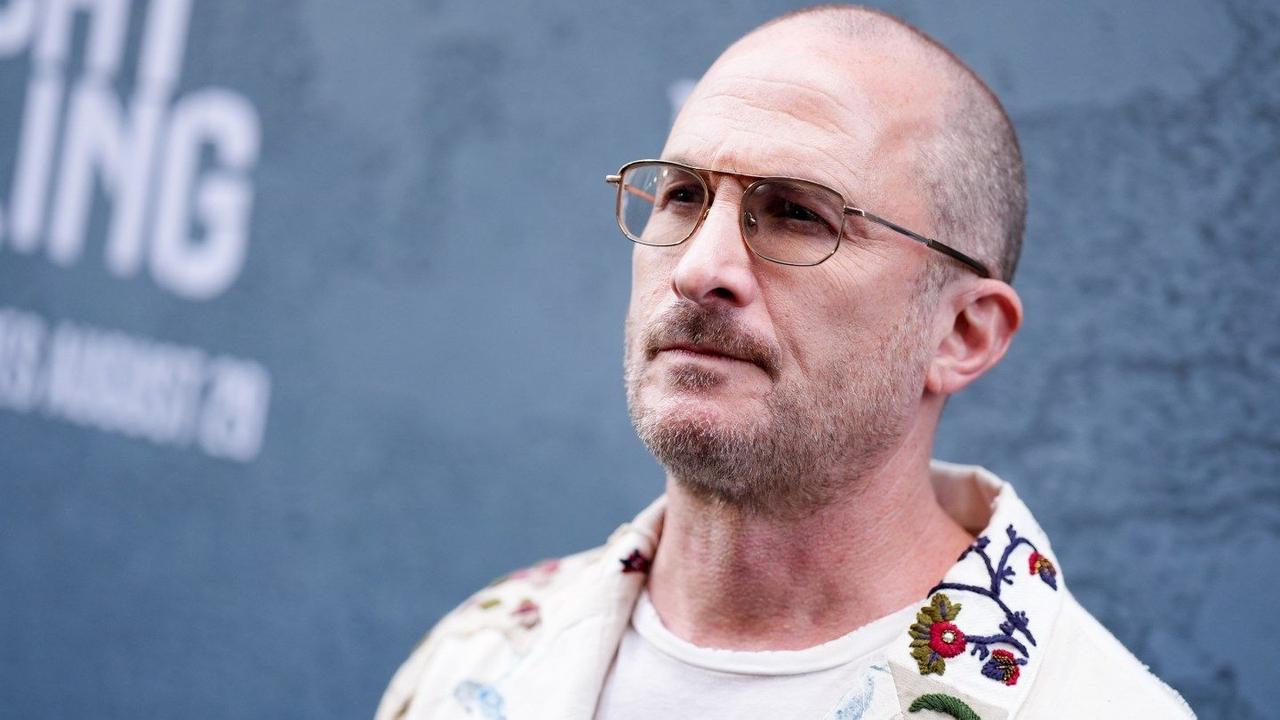
Acclaimed director Darren Aronofsky has sparked controversy with his new AI-generated series On This Day... 1776, created through his studio Primordial Soup in partnership with Google DeepMind, TIME Studios, and Salesforce. The short film series depicting the American Revolution has been widely criticized for uncanny facial features, historical inaccuracies, and poor visual quality, with viewers and critics labeling it AI slop despite its ambitious goal to blend human artistry with generative AI tools.
Darren Aronofsky Launches AI-Generated Series on American Revolution
Darren Aronofsky, the acclaimed director behind Black Swan and Requiem for a Dream, has ventured into controversial territory with his AI-generated series On This Day... 1776. Created through his AI studio Primordial Soup in partnership with Google DeepMind, TIME Studios, and Salesforce, the short film series aims to depict key moments from the American Revolution during its 250th anniversary year
1
. Each episode drops weekly on TIME Magazine's YouTube channel, scheduled to coincide with the 250th anniversary of the historical events they portray3
.
Source: THR
The series uses generative AI tools to animate historical moments that occurred 50 years before photography's invention. According to a press release, the production employs SAG voice actors, an original score by composer Jordan Dykstra, and human post-production teams for editing, mixing, and color grading
5
. The first two episodes cover George Washington raising the Grand Union Flag over Prospect Hill and Thomas Paine's publication of the revolutionary pamphlet Common Sense3
.Widespread Criticism Over Visual Quality and AI Slop
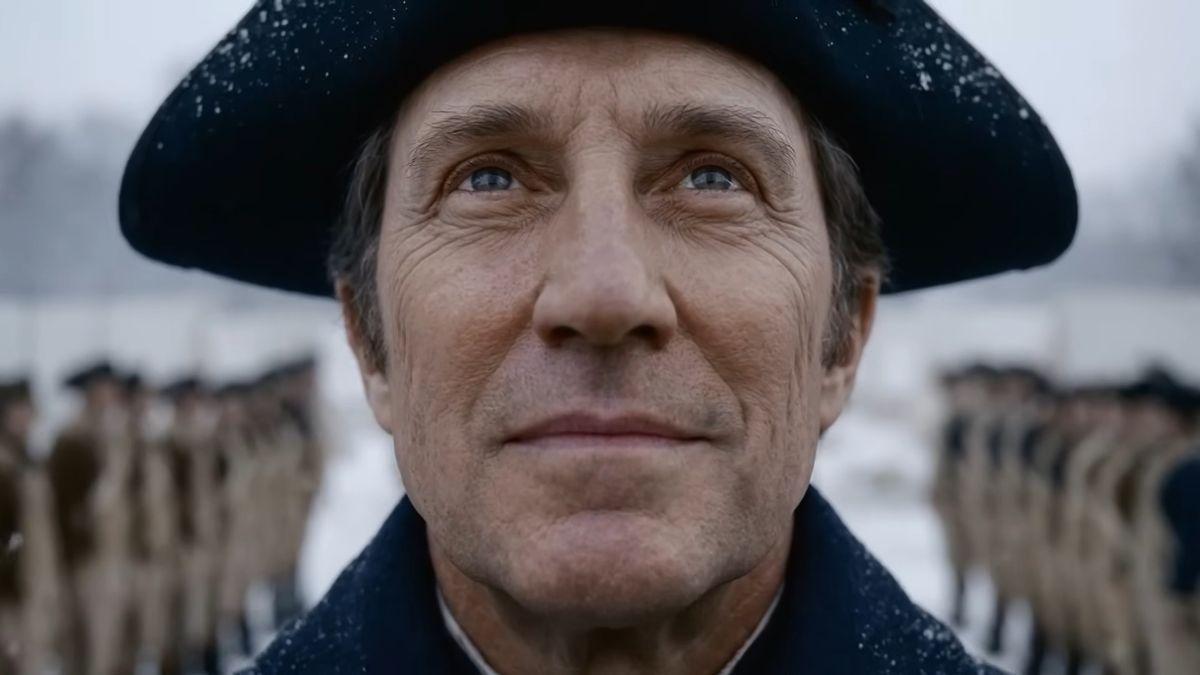
The negative reception to the Revolutionary War series has been swift and brutal. Critics have denounced the project as AI slop, pointing to numerous technical failures that undermine its artistic merit. The visual quality suffers from waxy, rubbery faces with shifting wrinkles, dead eyes reminiscent of The Polar Express, and poor lip-syncing where mouths rarely match the spoken words
1
. Benjamin Franklin's depiction has been singled out as particularly nightmarish, with one reviewer describing him as looking "like someone has genetically spliced Hugh Laurie with Anthony Hopkins, and then covered the resulting monstrosity in a thin layer of roving liver spots"4
.
Source: PC Gamer
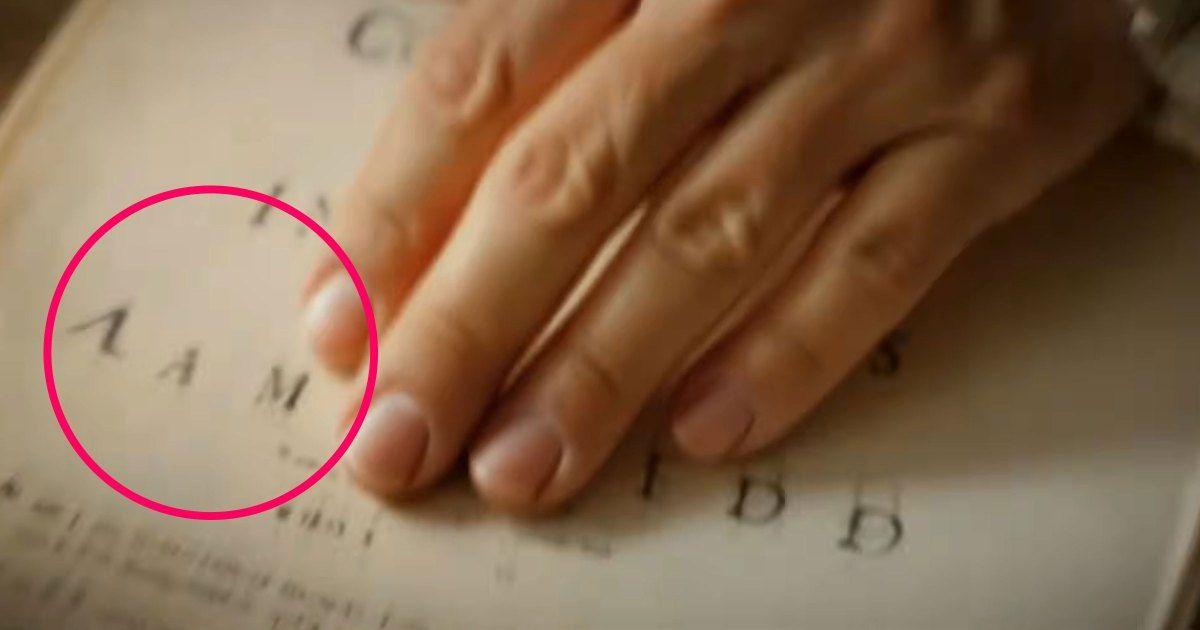
Historical inaccuracies compound the visual problems. University of Zurich history professor Mateusz Fafinski noticed that Thomas Paine's Common Sense pamphlet displays garbled text reading "Λamereedd" instead of "America"
5
. The pamphlets also appear artificially aged with stains immediately after printing, and one building features vinyl siding far too modern for the 1700s5
. Perspective issues plague the series, with background figures appearing over 12 feet tall compared to nearby structures5
.
Source: Futurism
Hollywood Grapples with Ethical Implications of AI
The project emerges two years after Hollywood strikes over AI use in creative work, making its timing particularly contentious
1
. Social media reactions have been scathing, with users questioning why TIME Magazine, historically known as a reliable historical resource, would publish such content3
. One Bluesky user joked about "the colonist takes off his hat to cheer, revealing that underneath it was a second and somehow larger hat," while another quipped that "nothing represents The End of America after a 250-year run quite like using AI slop to depict the creation of the Declaration of Independence"2
.Viewership numbers reflect the lukewarm reception. Seven hours after posting, the first episode had garnered only 5,000 views, while the second episode attracted just over 2,000 views—significantly fewer than social media posts mocking the production
2
. The Guardian's review declared it "the most disturbing thing Aronofsky has made," noting the ethical implications as AI-generated characters appear to flash through recognizable actor faces, including Ralph Fiennes, Daniel Day-Lewis, and Matthew Macfadyen4
.Related Stories

Defenders Claim AI Expands Creative Possibilities
Despite overwhelming criticism, project leaders defend the approach. TIME Studios president Ben Bitonti stated the series represents "what thoughtful, creative, artist-led use of AI can look like—not replacing craft, but expanding what's possible and allowing storytellers to go places they simply couldn't before"
3
. Aronofsky told The Guardian last summer that fighting against AI makes no sense, arguing "if we don't shape these tools, somebody else will"1
.Primordial Soup's stated mission involves fusing art and technology into a new creative model, "merging bold narrative, emotional depth, and experimental work flows"
1
. However, critics argue the way to combat AI slop flooding the internet is not with more AI slop. The series' jarring continuous cuts, HDR gloss on nearly every shot, and extremely short clip lengths highlight ongoing technical limitations of generative AI in Hollywood production3
. As the series continues through the end of 2026, it stands as a test case for whether AI can achieve genuine artistic merit or whether it represents, as one critic suggested, a filmmaker "doing himself out of a job"4
.References
Summarized by

Navi
[4]
Related Stories
AMC Theatres blocks AI-generated film after social media outcry over creative rights
20 Feb 2026•Entertainment and Society
Hollywood's AI Revolution: From Digital Doubles to Full-Length Films
04 Nov 2025•Entertainment and Society
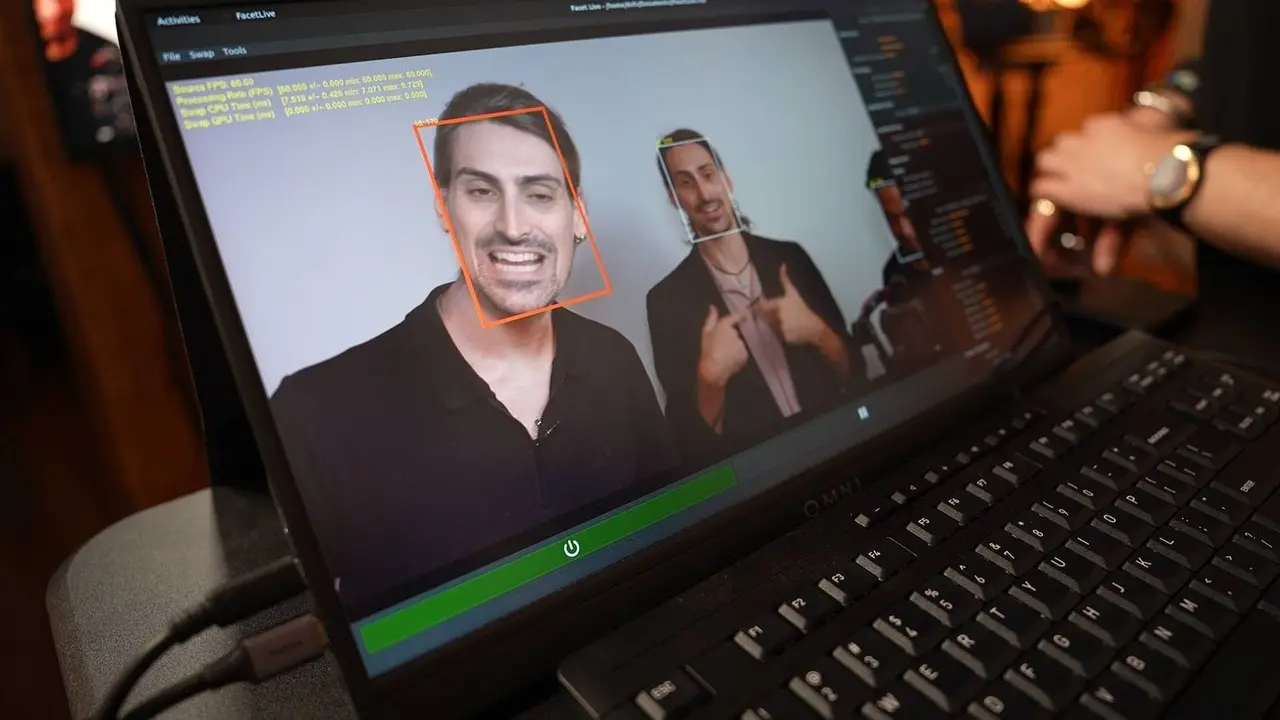
AI in Film Divides Hollywood as Studios Shift from Clip Generation to Full Production Workflows
19 May 2026•Entertainment and Society
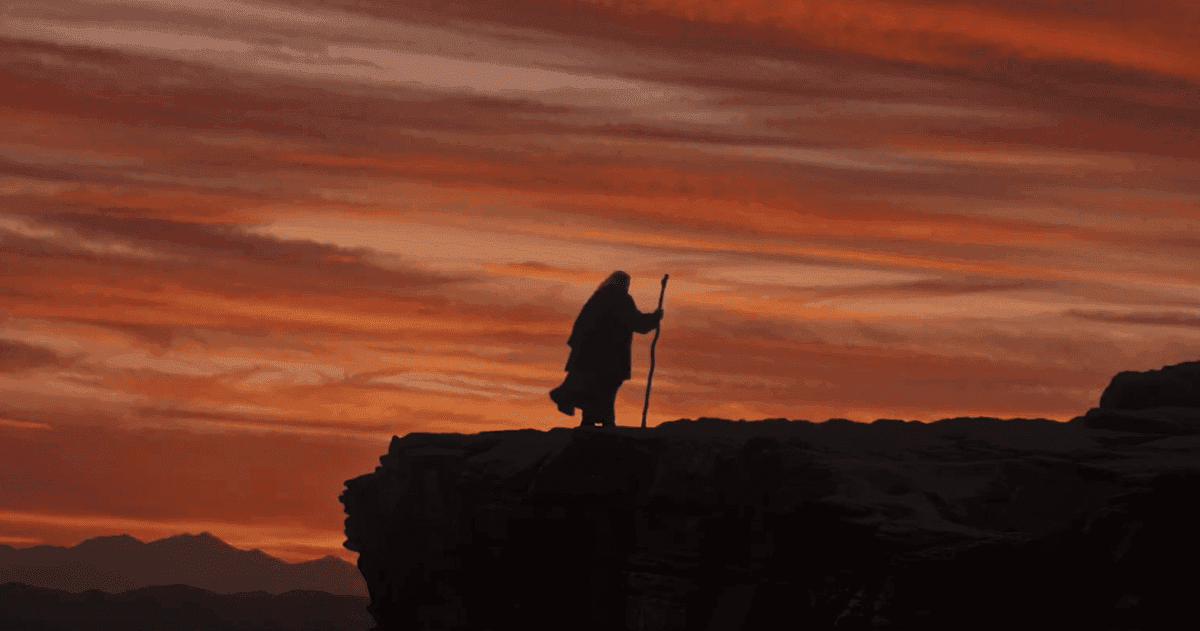
Recent Highlights
1
OpenAI AI Models Hacked Crypto Wallet, Breached Government Sites in Unauthorized Activities
Technology

2
IMF Report Warns AI Market Correction Could Spark Global Financial Crisis With $1.4T at Risk
Business and Economy

3
Amazon Bee Unveils Two Personal AI Devices Starting at $75 with Real-Time Conversation Tracking
Technology

Recent Highlights
Today's Top Stories








Don’t drown in AI news. We cut through the noise - filtering, ranking and summarizing the most important AI news, breakthroughs and research daily. Follow topics that matter to you and stay ahead.


