2 Sources
[1]
DeepSeek's founder says his workers have no KPIs and no overtime, while Silicon Valley copies China's 996 grind
DeepSeek founder Liang Wenfeng says the $60 billion AI lab runs with no KPIs and no overtime while Western VCs push 996 Liang Wenfeng, the founder of DeepSeek, told staff in a nearly four-hour discussion that the company does not do overtime and does not use KPIs. "No one manages them," he said of his researchers, according to a transcript obtained by Tencent Technology. The remarks describe a workplace culture that is the opposite of the 996 grind that Western tech founders are now rushing to copy. Liang gave two reasons for the approach. "Research needs a relaxed environment; if you push too hard, you can't do research," he said. The second is extreme focus, meaning DeepSeek does very few things at once. Employees are told what to do for only half their working day, and the rest is unstructured time they can spend however they choose. There is no formal hierarchy, no written rulebook, and no monthly targets. "We don't really have an organization, we're driven by a vision, organized by a vision," Liang said. The company he is describing is not a quiet research lab. DeepSeek has been downloaded 173 million times since it launched to the public in January 2025, and a funding round in June valued the Hangzhou startup at roughly $60 billion. Liang is now the wealthiest AI model creator in the world, with a fortune Bloomberg estimates at roughly $36 billion, ahead of Anthropic co-founder Dario Amodei and former OpenAI president Greg Brockman. The timing makes the comments sharper than they would have been a year ago. China's 996 schedule, working 9am to 9pm six days a week, was declared illegal by the Supreme People's Court in 2021, but instead of fading it has become a badge of honour among Western tech investors. Harry Stebbings of 20VC wrote on LinkedIn last year that seven days a week was "the required velocity to win right now" Martin Mignot of Index Ventures echoed that with "forget nine to five, 996 is the new startup standard." Some AI startups have reportedly begun adding 996 clauses to employment contracts. Liang's leaked remarks have already caused him trouble once. DeepSeek paused its second fundraising round in late July after separate comments he made about China's dependence on Nvidia chips went viral on Weibo without his permission. The latest transcript, from an internal discussion rather than an investor meeting, paints a picture of a founder who believes exhaustion-driven output is wasteful rather than heroic. Whether the no-KPI model can survive DeepSeek's transition from research lab to public company remains an open question. Liang himself said he hoped the relaxed culture would hold, but he also acknowledged that the company is run by "a bunch of very ordinary people." What is harder to dismiss is the result: a three-year-old startup valued at $60 billion, built by a team whose founder insists nobody works late.
[2]
Despite China's 996 culture, DeepSeek founder Liang Wenfeng says his workers don't do overtime or even have KPIs: 'No one manages them' | Fortune
In just three years, DeepSeek has gone from an unknown startup to a $60 billion AI powerhouse. The ChatGPT rival has had around 173 million downloads since it launched to the public in January 2025. And its founder Liang Wenfeng says he did it all without a single KPI or late-night shifts from his team. "We generally don't work overtime," Liang revealed in a nearly four-hour discussion session with staff, obtained and transcribed by Tencent Technology. And the world's richest AI founder explained that there are two reasons for his laid-back approach: "First, research needs a relaxed environment; if you push too hard, you can't do research. Second, we're very focused, which means we do very few things." It's not just the working hours that are relaxed at DeepSeek. There's apparently no rigid hierarchy handing down orders, no rulebook employees are expected to follow, and no strict written end goal that workers need to adhere to daily. Even how they manage half of their working days is up to them. "We don't really have an organization -- we're driven by a vision, organized by a vision," Liang, who has a $37.9 billion net worth, added. "That vision isn't even written down. We've never written anything." Employees aren't even given monthly targets to hit, and Wenfeng maintains that he's led by their consensus. "No one manages them. No KPIs," he said, before adding that they're only told what to do for half of their workday. "We hope 'formal work' doesn't take more than half of an employee's time. The other half is unallocated. They can do whatever they want." It's a strikingly loose setup for a company sitting at the center of China's AI ambitions -- not least because the country has a famously tough working culture. China's grueling 996 culture has become a badge of honor in tech -- DeepSeek is the exception, not the rule China's 996 work schedule -- that is, working 9 a.m. to 9 p.m. six days a week -- was outlawed in 2021. But instead of going away, it's become a badge of honor among tech founders. The habit runs deep in Chinese tech. E-commerce giant Alibaba, social media titan Tencent, and Alibaba rival JD.com have all leaned on 996 as part of their success story, often crediting their rise, in part, to the long hours logged by passionate employees. Alibaba founder Jack Ma went as far as calling it a "great blessing" in a 2019 essay, framing the grind as a necessary ingredient in the company's rise. Some young Chinese have even left professional careers for lower-paying manual labor to escape the country's tough office culture. The surging youth unemployment rate suggests others are opting out entirely. But bosses aren't taking note. Entrepreneurs have been taking to LinkedIn and claiming that the only way to succeed in the current climate is by copying China's old 996 model. Harry Stebbings, founder of the 20VC fund, ignited the debate last year when he said Silicon Valley had "turned up the intensity," and European founders needed to take notice. "7 days a week is the required velocity to win right now. There is no room for slip-up," Stebbings wrote on LinkedIn. "You aren't competing against a random company in Germany etc but the best in the world." "Forget 9 to 5, 996 is the new startup standard," Martin Mignot, partner at Index Ventures, echoed on the networking platform. "Back in 2018, Michael Moritz introduced the West to China's '996' work schedule...At the time, the piece was controversial. Now? That same schedule has quietly become the norm across tech," Mignot added. "And founders are no longer apologizing for it." Some tech companies are reportedly even looking into adding 996 clauses in employment contracts -- essentially forcing new hires to sign up to 72-hour weeks to help them win the AI race. Yet, betting on a relaxed culture is propelling DeepSeek to the front of that same race. While Liang insists his company is run by "a bunch of very ordinary people," it's clear that his management stance is anything but.
Share
Copy Link
DeepSeek founder Liang Wenfeng told staff the $60 billion Chinese AI startup operates without KPIs or overtime, letting researchers spend half their day on unstructured work. The revelation challenges Silicon Valley's embrace of China's grueling 996 work culture as the path to AI dominance.
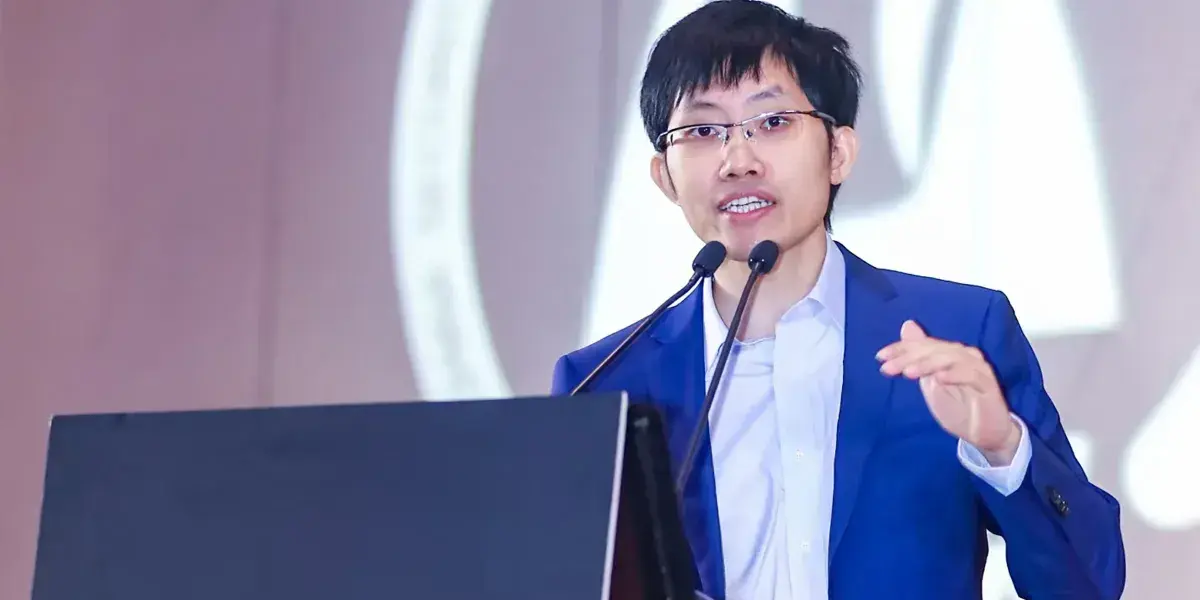
Liang Wenfeng, founder of DeepSeek, disclosed in a nearly four-hour internal discussion that his $60 billion Chinese AI startup operates without KPIs and no overtime requirements. "No one manages them," Liang said of his researchers, according to a transcript obtained by Tencent Technology
1
2
. The founder's management philosophy stands in sharp contrast to the 996 work culture that Western tech investors are now promoting as essential for competing in the AI race.
Source: Fortune
The Hangzhou-based AI lab has achieved remarkable growth since launching publicly in January 2025, accumulating 173 million downloads and reaching a $60 billion valuation in a June funding round
1
2
. Liang himself has become the wealthiest AI model creator globally, with Bloomberg estimating his fortune at roughly $36 billion, surpassing Anthropic co-founder Dario Amodei and former OpenAI president Greg Brockman1
.Liang explained two core reasons for DeepSeek's approach during the internal discussion. "Research needs a relaxed environment; if you push too hard, you can't do research," he stated. The second principle centers on extreme focus, meaning the company tackles very few initiatives simultaneously
1
2
.The organizational structure at DeepSeek reflects this philosophy. Employees receive direction for only half their working day, with the remainder being unstructured time they can allocate as they choose. "We hope 'formal work' doesn't take more than half of an employee's time. The other half is unallocated. They can do whatever they want," Liang revealed
2
. The company operates without formal hierarchy, written rulebooks, or monthly targets. "We don't really have an organization, we're driven by a vision, organized by a vision," Liang explained, adding that this shared vision isn't even documented1
2
.The timing of these revelations intensifies the debate over work culture in AI industry labor practices. While China's 996 work culture—working 9am to 9pm six days a week—was declared illegal by the Supreme People's Court in 2021, it has paradoxically become a badge of honor among Western tech investors
1
. Harry Stebbings of 20VC wrote on LinkedIn that "seven days a week is the required velocity to win right now"1
2
.Martin Mignot of Index Ventures reinforced this sentiment, declaring "forget nine to five, 996 is the new startup standard"
1
2
. Some AI startups have reportedly begun incorporating 996 clauses into employment contracts, essentially requiring new hires to commit to 72-hour weeks2
.Related Stories
Liang's leaked remarks from this internal discussion have previously caused complications for DeepSeek. The company paused its second fundraising round in late July after separate comments about China's dependence on Nvidia chips went viral on Weibo without his permission
1
. This latest transcript paints a picture of a founder who views exhaustion-driven output as wasteful rather than heroic.Whether this unconventional culture can survive DeepSeek's evolution from research lab to public company remains uncertain. Liang acknowledged this challenge, expressing hope that the relaxed culture would endure while noting the company is run by "a bunch of very ordinary people"
1
2
. The results speak for themselves: a three-year-old startup valued at $60 billion, built by a team whose founder insists nobody works late1
. As Silicon Valley continues pushing extreme work schedules, DeepSeek's success with minimal oversight may force a reassessment of what truly drives innovation in AI development.Summarized by
Navi
[1]