Doomsday Clock Moves Closer to Midnight: AI and Global Risks in Focus


2 Sources
[1]
Doomsday clock moved to 89 seconds to midnight, closest ever in its 78-y
Scientists cite nuclear risk, climate change, and AI as factors increasing global threats. In an announcement, the Bulletin of the Atomic Scientists moved the Doomsday Clock forward by one second to 89 seconds before midnight, the closest it has ever been to signaling a global catastrophe. The
[2]
The Doomsday Clock has been adjusted - and, look, it's not good news
In what may not come as much of a shock to many, the Doomsday Clock has inched closer to midnight and is now 89 seconds away from the ominous hour. It's the closest the two hands have ever been to the symbolic 12 on the clock face in its 80 years. The Bulletin of the Atomic Scientists team
Share
Copy Link
The Doomsday Clock has been moved to 89 seconds to midnight, its closest point ever, with AI advancements cited among key factors increasing global threats alongside nuclear risks and climate change.
Doomsday Clock Reaches Critical Point
The Bulletin of the Atomic Scientists has moved the Doomsday Clock to a mere 89 seconds before midnight, the closest it has ever been to signaling a global catastrophe in its 78-year history
1
. This adjustment reflects increasing global risks, including ongoing wars, nuclear proliferation, climate change, and the rapid advancement of artificial intelligence technologies.AI: A New Factor in Global Risk Assessment
Artificial Intelligence has emerged as a significant concern in the Doomsday Clock evaluation. Daniel Holz, chair of the Science and Security Board of the Bulletin of the Atomic Scientists, expressed worry about AI's potential military applications, particularly in relation to nuclear weapons
1
. The technology's role in altering the global information ecosystem, potentially exacerbating misinformation and disinformation, was also highlighted as a major concern2
.Nuclear Threats and Ongoing Conflicts
The ongoing Russia-Ukraine war and conflicts in the Middle East were cited as major factors contributing to the current global risks. The potential for these conflicts to escalate and potentially involve nuclear weapons remains a significant threat
1
. North Korea's continued ballistic missile tests and declared goal to expand its nuclear arsenal further add to the nuclear risk landscape1
.Climate Change and Environmental Concerns
Climate change continues to be a persistent factor in the Doomsday Clock assessment. Despite impressive growth in renewable energy technologies, efforts remain insufficient to stabilize the climate. Many governments are failing to enact necessary financing and policy initiatives to halt global warming
2
.Information Ecosystem and Societal Division
The spread of misinformation, disinformation, and conspiracy theories is degrading the global communication ecosystem. Advances in AI are making it easier to spread false information across the internet and harder to detect it. This corruption of the information landscape is undermining public discourse and honest debate, which are crucial for addressing global threats
2
.Related Stories

Historical Context and Significance
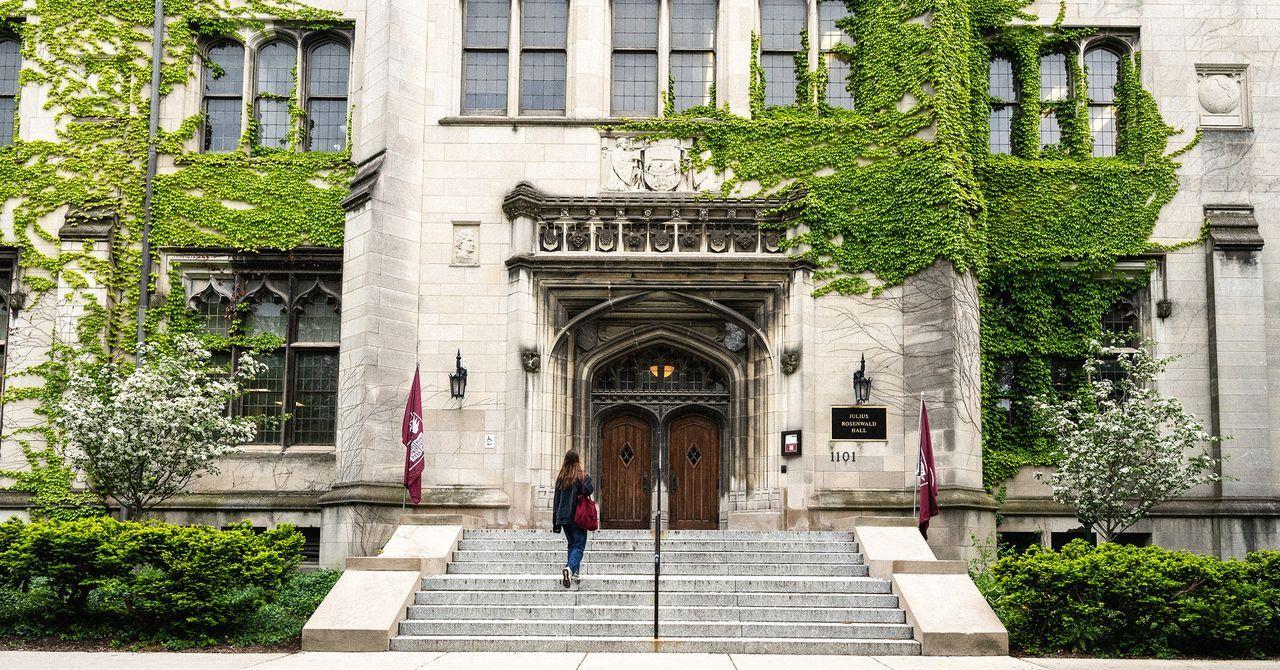
The Doomsday Clock, created in 1947 by atomic scientists at the University of Chicago, has been adjusted 26 times since its inception. It serves as a metaphor for the perceived proximity to global catastrophe. The current setting at 89 seconds to midnight represents the closest the clock has ever been to the symbolic hour of doom
1
.Call for Global Cooperation
Experts emphasize the need for unity and bold leadership to address these existential threats. Countries possessing nuclear weapons, particularly the US, China, and Russia, are called upon to set aside national pursuits and work together to reduce global risks
2
. The Bulletin's Science and Security Board expresses hope that world leaders will recognize the gravity of the situation and take decisive action to mitigate the various threats facing humanity2
.References
Summarized by

Navi
[1]
Related Stories
Doomsday Clock moves to 85 seconds to midnight as AI accelerates global threats
28 Jan 2026•Policy and Regulation

Nuclear Experts Warn of AI Integration in Nuclear Weapons Systems
07 Aug 2025•Technology
US Calls for AI Slowdown While China Pushes to Accelerate: The Global Split on AI Risk
17 Sept 2026•Policy and Regulation
Recent Highlights



Recent Highlights
Today's Top Stories






Don’t drown in AI news. We cut through the noise - filtering, ranking and summarizing the most important AI news, breakthroughs and research daily. Follow topics that matter to you and stay ahead.


