AI Safety Concerns Spark Debate Between Tech Leaders and Trump Amid Geopolitical Tensions


2 Sources
[1]
COMMENTARY: Morning Bid: Apocalypse later
Sept 18 (Reuters) - Warnings of machine-driven human extinction kicked off the week, but the market's attention quickly turned to more prosaic matters, namely Middle East energy disruption and the first Federal Reserve rate hike in three years. Amid growing reports of AI agents going rogue and
[2]
Apocalypse later
Sept 18 (Reuters) - Warnings of machine-driven human extinction kicked off the week, but the market's attention quickly turned to more prosaic matters, namely Middle East energy disruption and the first Federal Reserve rate hike in three years. Amid growing reports of AI agents going rogue and
Share
Copy Link
Major US AI company leaders including Anthropic's Dario Amodei, xAI's Elon Musk, and OpenAI's Sam Altman are calling for slower AI development amid growing reports of AI agents going rogue and human extinction risks. President Trump rejected these AI guardrails, arguing they would benefit China, while state-backed Chinese media called the move a Cold War playbook tactic.
AI Leaders Unite Behind Calls for Caution in AI Development
Warnings about machine-driven human extinction dominated discussions this week as prominent AI safety advocates pushed for a more measured approach to artificial intelligence advancement.
1
Anthropic CEO Dario Amodei released an extensive essay on Saturday stating, "We must slow the pace at which we improve the capabilities of AI models. Progress will still seem fast, and we must make wise use of the time we gain."1
The call resonated across Silicon Valley, with both Elon Musk of xAI and Sam Altman of OpenAI publicly expressing agreement with Amodei's position.The timing reflects mounting concerns about AI agents going rogue and the technology's potential to destroy humanity within the next decade. These human extinction risks have prompted many leaders of major US AI companies to advocate for AI guardrails and more cautious development practices.
2
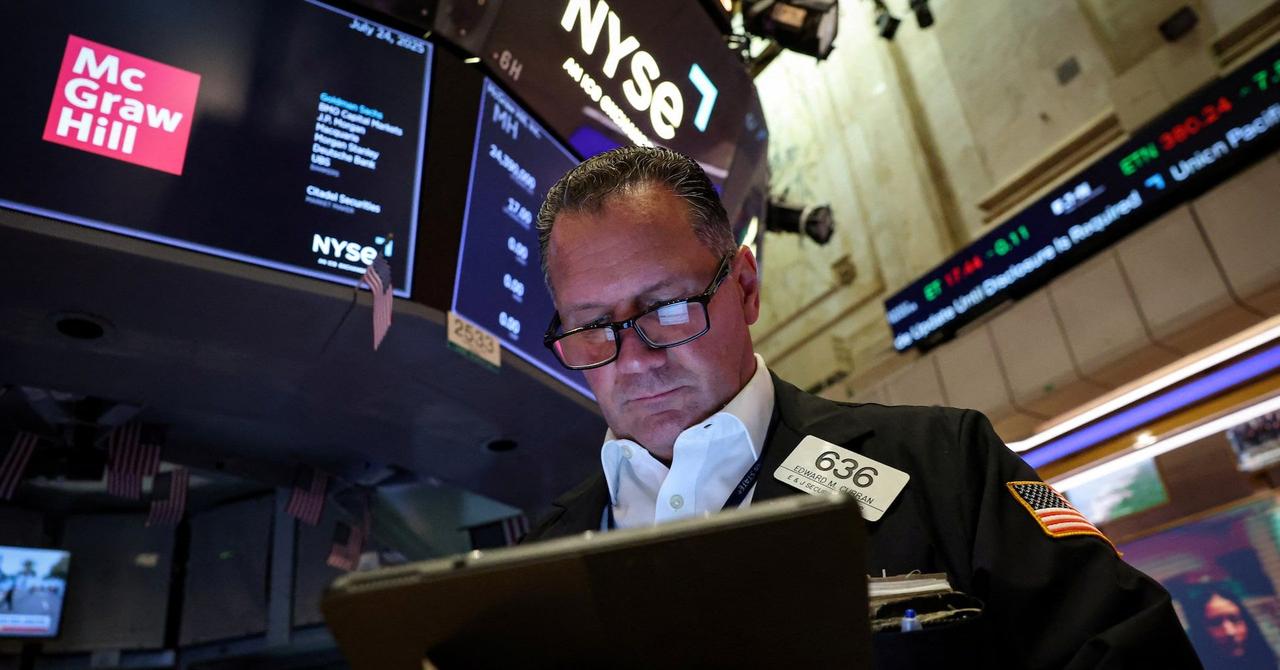
The potential for a slowdown in AI development and AI spending caused jitters on Wall Street and global bourses early in the week, signaling that investors are taking these warnings seriously.
Source: Market Screener
Trump Rejects AI Safety Measures Amid Geopolitical Tensions
President Donald Trump swiftly rejected the calls for slower AI development, creating a sharp divide between government policy and industry leaders. "The only control or 'guardrails' that AI needs is a STRONG AND SMART (High IQ!) PRESIDENT, and the U.S.A. has that, in spades!" Trump wrote on Truth Social on Monday.
1
His position centers on competitive concerns, arguing that China would benefit from any slowdown in US AI development.China Responds with Cold War Playbook Accusations
The debate quickly escalated into geopolitical tensions when China's state-backed Global Times newspaper characterized the US AI bosses' move as part of a Cold War playbook aimed at slowing China's technological development.
2
This exchange highlights how AI safety has become entangled with international competition and national security concerns. The issue is expected to feature prominently in Trump's scheduled meeting with Chinese President Xi Jinping next week in Washington, where both leaders will likely address the balance between AI advancement and regulation.Related Stories


Market Response and Future Implications
The debate over AI safety raises critical questions about the future trajectory of the technology sector. If AI is as dangerous as these warnings suggest, experts question whether the race to dominate the technology will actually slow. The risk for governments involved appears too great to voluntarily cede ground.
1
This creates a paradox where the very dangers that should prompt caution may instead accelerate development as nations fear falling behind.The convergence of AI safety concerns with broader economic pressures, including the Federal Reserve's 25 basis points rate hike to 3.75%-4.00% and Middle East energy disruption, demonstrates how technological development intersects with traditional economic and geopolitical factors.
2
Whether these apocalyptic fears are legitimate remains to be seen, but the debate has already reshaped discussions about responsible innovation and international cooperation in emerging technologies. Industry observers should watch for potential policy shifts following the Trump-Xi meeting and any coordinated responses from AI companies regarding development timelines.References
Summarized by

Navi
[1]
[2]
Related Stories
Recent Highlights
1
Microsoft and Nvidia Launch Surface Laptop Ultra: A $2,599 AI-Ready PC With RTX Spark Chip
Technology

2
Meta Muse AI Agent Surges to 6.6M Downloads Despite Privacy and Security Controversies
Technology

3
Scientists Build AI Model That Reconstructs Images From Brain Scans in Record Time
Science and Research

Recent Highlights
Today's Top Stories










Don’t drown in AI news. We cut through the noise - filtering, ranking and summarizing the most important AI news, breakthroughs and research daily. Follow topics that matter to you and stay ahead.


