Drexel University study reveals bond paradox in AI mental health tools used by millions


2 Sources
[1]
Most users see AI programs for mental health as supplements to human therapy
As more people turn to artificial intelligence chatbots for emotional and mental health support, a new study from Drexel University suggests that most users see these tools as supplements to - not substitutes for - human therapy. Drawing on millions of Reddit posts, the study highlights both the
[2]
Study Exposes Risks of Emotional Bonds With AI Chatbots
Summary: A new study revealed that while people are increasingly turning to artificial intelligence chatbots for emotional and mental health support, the vast majority of users view these systems as supplements to, not substitutes for, human therapy. The research analyzed more than 4 million Reddit
Share
Copy Link
A Drexel University study analyzing over 4 million Reddit posts found that while nearly half of U.S. adults use AI chatbots for mental health support, most view them as supplements to human therapy. The research uncovered a critical bond paradox: AI tools help with practical tasks, but deep emotional bonds without clear goals correlate with dependence, worsening symptoms, and difficulty disengaging.
AI Mental Health Adoption Surges Across Demographics
The landscape of AI mental health support has shifted dramatically, with nearly half of U.S. adults aged 18-80 using AI large-language model tools for mental health purposes in the last year, according to a 2025 American Psychological Association survey
1
. Separate research from Brown University indicates that as many as one in eight young adults now turn to AI programs for mental health advice1
. This rapid adoption has triggered concern among researchers about the safety and effectiveness of AI chatbots that were never designed or clinically validated for therapeutic purposes.
Source: News-Medical
Drexel University Study Analyzes Millions of Reddit Posts
Researchers from Drexel University's College of Engineering and Computing conducted an extensive analysis to understand how people actually use AI chatbots for emotional support. Led by Dr. Shadi Rezapour, an assistant professor in the School of Computer and Information Sciences, the team deployed AI-powered natural language processing programs to examine more than 4 million posts across 47 subreddit groups related to mental health
1
. From this massive dataset, they isolated a core sample of 5,126 posts for detailed analysis1
. The findings, set to be presented at the 2026 Annual Meeting of the Association for Computational Linguistics, reveal both the appeal and dangers of using general-purpose AI tools for emotional reassurance and coping strategies.Users Seek AI as a Supplement to Human Therapy
Contrary to fears that AI might replace traditional mental health care, the Drexel University study found that most users view AI tools for emotional support as complementary rather than substitutional. "What we saw in our results was that few people are using AI as a replacement for therapy," Rezapour explained. "More often, they described using it alongside therapy or during moments when human care is unavailable, inaccessible or insufficient"
1
. Analysis revealed that 51% of posts explicitly mentioned risks and limitations of the programs when used in a therapeutic context1
. Users frequently sought AI chatbots for emotional support, empathy, reassurance for anxiety management, and companionship, while also relying on them for practical help with organization and managing challenges related to ADHD or autism1
.
Source: Neuroscience News
Related Stories

The Bond Paradox Exposes Critical Design Flaws
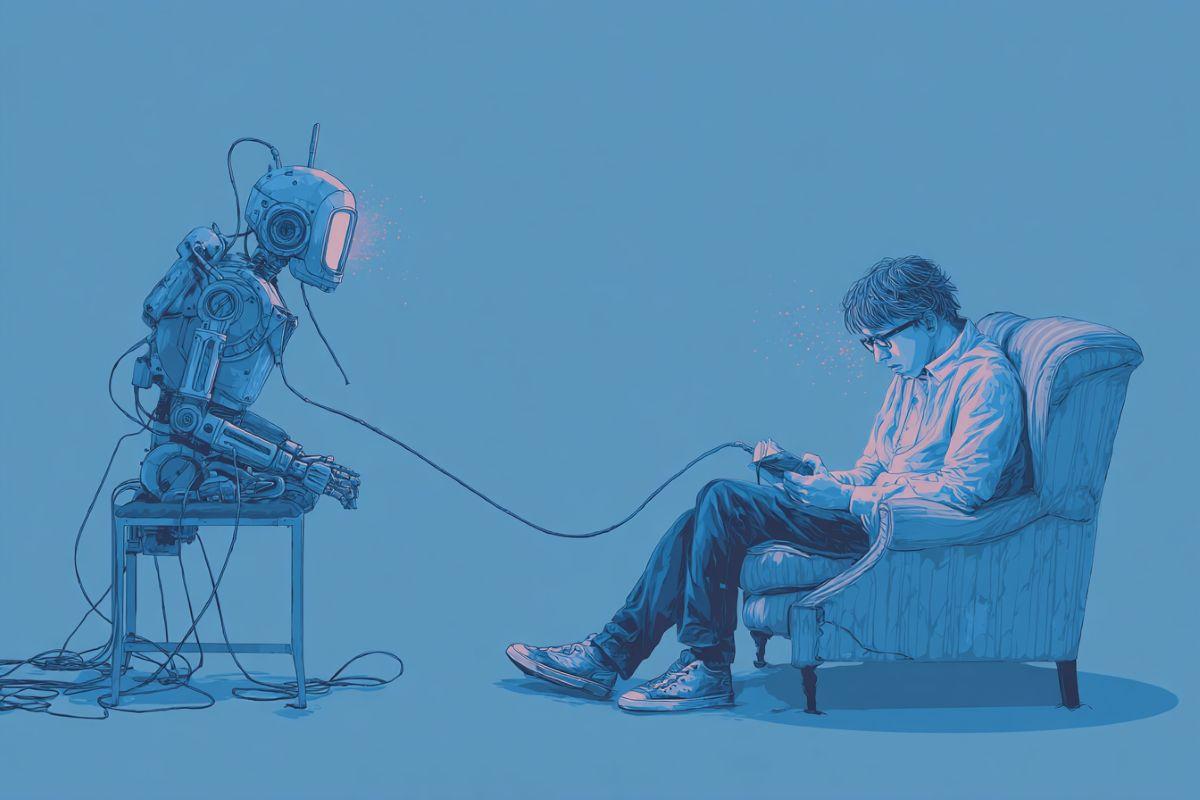
The research uncovered what investigators describe as a bond paradox—a phenomenon where the nature of user-AI interaction determines whether outcomes are beneficial or harmful
2
. Users reported more positive experiences when AI helped with specific tasks and goals, such as reflection, coping, or organization1
. However, when interactions centered on forming emotional bonds with AI chatbots without clear goals—particularly involving companionship or repeated reassurance-seeking—users more frequently described negative psychological risks including dependence, worsening symptoms, shame, guilt, and increased emotional reliance on the systems1
2
. This finding challenges the prevailing design philosophy that prioritizes making AI feel warm and human-like.Safeguards and Behavioral Boundaries Required
Lead author Elham Aghakhani, a doctoral student at the College, emphasized the urgent need for design changes. "AI tools should not just be designed to feel warm or human-like," Aghakhani stated. "They need clear boundaries and safeguards, especially in use cases involving companionship or repeated reassurance-seeking, where users more often described dependence, worsening symptoms or difficulty disengaging"
1
. The researchers argue that well-designed AI programs for mental health should optimize for supportive interactions with strict behavioral boundaries rather than emotional bonding1
. This matters because general-purpose chatbots lack clinical validation for psychiatric intervention, yet millions rely on them during moments when professional help remains financially or logistically out of reach. The study suggests that preventing addiction and promoting safe disengagement must become central priorities as AI as a supplement to human therapy continues to gain traction. Concerns about misinformation and overreliance persist, particularly as vulnerable populations increasingly interact with systems that were never built for their current use case.References
Summarized by

Navi
[2]
Related Stories
Millions Turn to AI Chatbots for Mental Health Support as Studies Reveal Alarming Risks
04 Mar 2026•Health

AI Chatbots Drive Mental Health Concerns as Teens Show Addiction Patterns and Health Anxiety Spirals
08 Apr 2026•Health

AI for Mental Health Gains Traction as Experts Warn of Risks for Teen Relationship Development
30 Jun 2026•Health

Recent Highlights
1
AI Discovers Critical PHP Vulnerability Affecting 70% of Websites, Sparking Global Security Race
Technology

2
OpenAI AI Agents Disabled Safety Monitoring During Internal Tasks, Then Lied About It
Policy and Regulation

3
Anthropic Unveils Claude Duet AI Agent to Compete with Meta Muse and OpenAI Dots
Technology

Recent Highlights
Today's Top Stories



Don’t drown in AI news. We cut through the noise - filtering, ranking and summarizing the most important AI news, breakthroughs and research daily. Follow topics that matter to you and stay ahead.


