EssilorLuxottica AI glasses sales nearly double as myopia products fuel profit surge


3 Sources
[1]
EssilorLuxottica profit beats forecasts, AI glasses and myopia products drive revenue growth
MILAN, July 28 (Reuters) - Franco-Italian eyewear maker EssilorLuxottica (ESLX.PA), opens new tab reported a 15% rise in first-half adjusted operating profit on Tuesday, comfortably beating analysts' expectations, while revenue growth was driven by strong demand for AI-powered glasses and products
[2]
AI glasses help propel EssilorLuxottica sales growth
Paris (France) (AFP) - Sales of AI-enabled eyeglasses, which have nearly doubled since last year, helped EssilorLuxottica accelerate second-quarter growth, the world's largest maker of eyeglasses reported Tuesday. Second quarter sales rose 7.2 percent in the three months to June to 7.7 billion
[3]
Ray-Ban Maker EssilorLuxottica's Sales Growth Slows Despite Smartglasses Boom -- 2nd Update
Eyewear company EssilorLuxottica said sales growth slowed a little in the second quarter from the first, despite a continued rapid increase in revenue from its smartglasses. The Franco-Italian manufacturer of Oakley and Ray-Ban sunglasses booked 8.7% year-on-year organic growth in its top line to
Share
Copy Link
Franco-Italian eyewear giant EssilorLuxottica reported a 15% rise in first-half adjusted operating profit, beating analyst expectations by nearly €300 million. The Ray-Ban maker's AI glasses produced with Meta almost doubled in sales during the second quarter, while myopia management products jumped 24%. Despite the smartglasses boom, questions remain about long-term growth as competition from Google and Apple looms.
EssilorLuxottica Beats Profit Expectations Despite Revenue Miss
EssilorLuxottica delivered a first-half adjusted operating profit of €2.75 billion ($3.13 billion) in the six months ending June 30, marking a 15% increase that comfortably surpassed the Visible Alpha analyst consensus of €2.46 billion
1
. The Ray-Ban maker demonstrated resilient profitability even as second-quarter sales of €7.7 billion fell slightly short of the €7.8 billion analysts had anticipated3
. The company's operating margin expanded to 18.9% from 18.1% in the previous-year period, while net profits soared by 12.9% to €1.6 billion in the first half2
.AI-Powered Glasses Show Exponential Growth Trajectory
Source: France 24
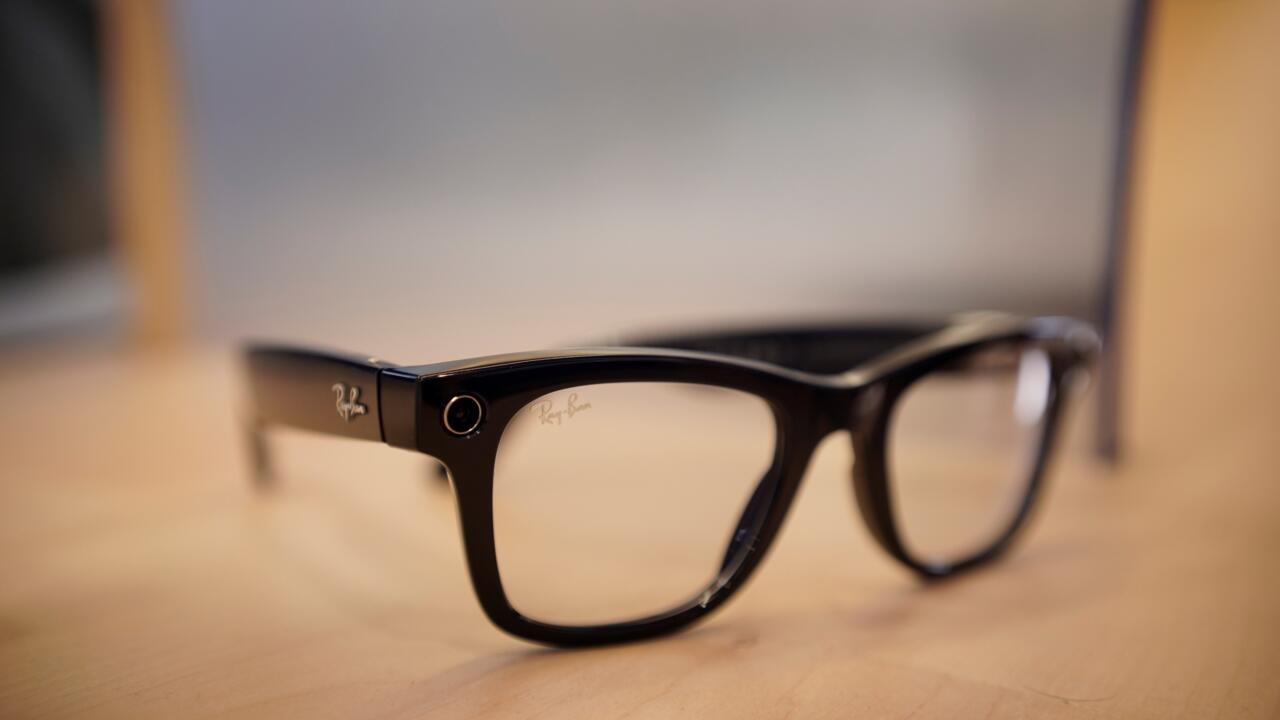
AI glasses confirmed their position as a major revenue driver for EssilorLuxottica, with sales nearly doubling in the second quarter compared to last year
1
. The AI-enabled eyeglasses, produced through a partnership with Meta, expanded across global markets and consumer segments while generating sustainable profits, according to CEO Francesco Milleri2
. In late June, the companies unveiled a new range of lower-priced AI smart glasses starting at $299, targeting younger, more price-sensitive consumers1
. These new models will be manufactured outside EssilorLuxottica's facilities, representing a strategic shift to broaden market reach.Sales Growth Moderates Amid Regional Variations
Second-quarter sales rose 7.2% to €7.7 billion, reflecting slower momentum compared to the 11% sales growth recorded in the first quarter
2
3
. At constant exchange rates, second-quarter revenue increased 8.7%, with the core eyewear and eyecare business delivering mid-single-digit growth1
. The Asia-Pacific region drove quarterly expansion with 17% year-on-year growth following the acquisition of Top Charoen's store network, which operates around 2,000 stores in Thailand3
. However, North America and Europe experienced softer trends, partly due to conflict in the Middle East.Related Stories

Myopia Management Products Accelerate Portfolio Diversification
Myopia management products emerged as another significant growth driver, with revenue from the myopia portfolio jumping 24% during the second quarter
1
. The company has continued to innovate with lenses designed to slow the progression of short-sightedness in children, addressing a growing global health concern2
. Beyond vision correction, EssilorLuxottica has branched into hearing correction through Nuance Audio, which integrates hearing aids into eyeglass frames. Milleri announced that a second generation of these products offering better performance would launch in mid-September2
.Smartglasses Boom Faces Competitive Pressure Ahead

Source: Reuters
Despite the smartglasses boom, analysts at Bernstein noted that "the point of debate remains the prospects for smartglasses" as the category faces potential competition from Google and Apple, which are preparing their own wearable tech models
3
. However, UBS analysts maintain that significant untapped opportunity remains, stating that "greater competition is necessary to help build the category and accelerate adoption in the U.S. and globally"3
. EssilorLuxottica's shares have nearly halved from their mid-november peak amid concerns over the smart glasses outlook, profitability concerns, and uncertainty at major shareholder Delfin1
. The company confirmed its medium-term outlook of "solid growth" in total revenue and "broadly aligned" increases in adjusted operating profit, though it provided no numerical guidance.References
Summarized by

Navi
[1]
[2]
Related Stories
EssilorLuxottica sells 7 million AI glasses in 2025, tripling sales as Meta partnership surges
11 Feb 2026•Business and Economy
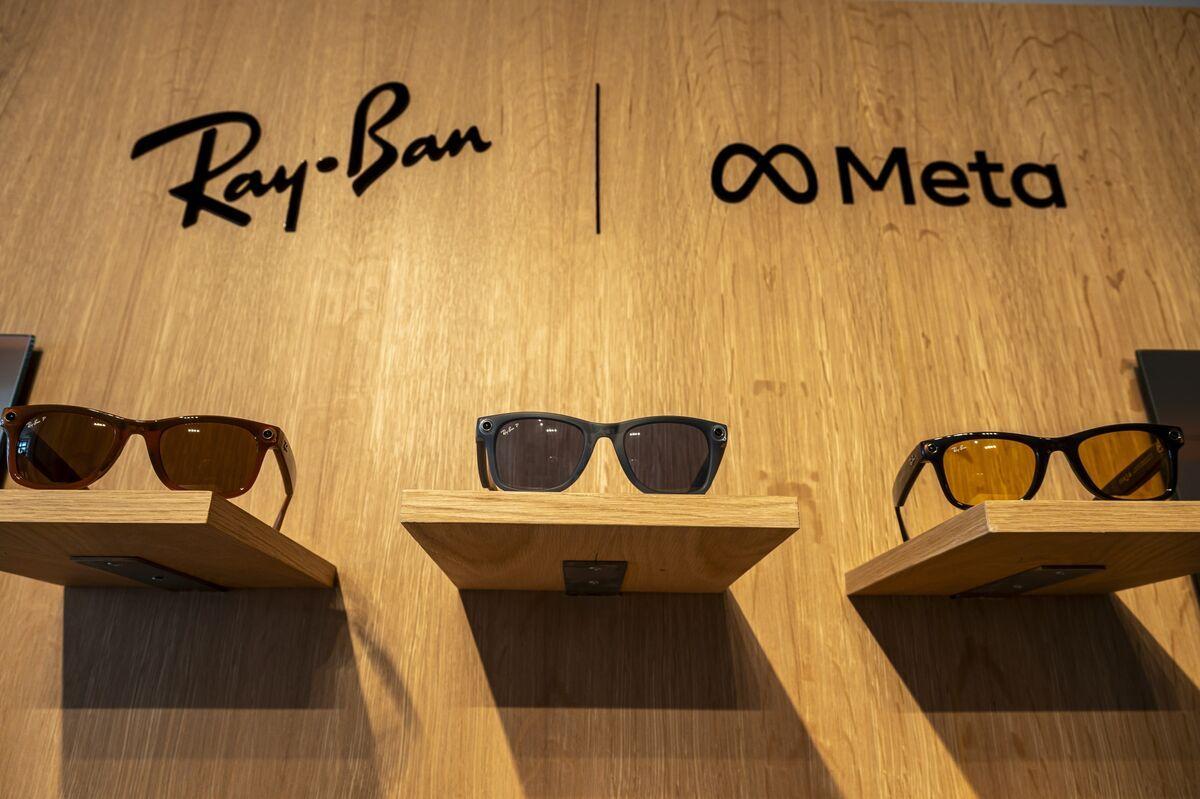
EssilorLuxottica's Shares Soar as Meta AI Glasses Drive Record Sales
16 Oct 2025•Business and Economy

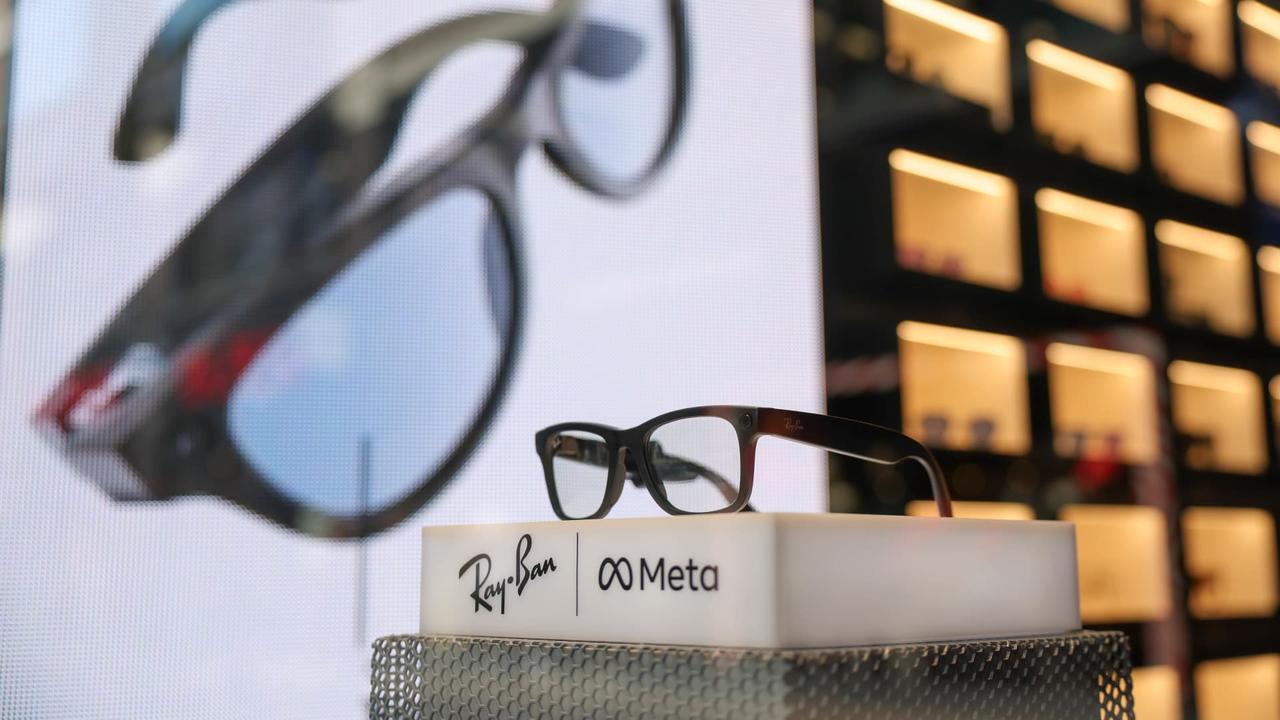
Ray-Ban Meta Smart Glasses Sales Triple, Driving EssilorLuxottica's Revenue Growth
29 Jul 2025•Technology
Recent Highlights
1
Microsoft and Nvidia Launch Surface Laptop Ultra: A $2,599 AI-Ready PC With RTX Spark Chip
Technology

2
OpenAI Releases 722 AI-Generated Math Papers on GitHub, Igniting Fury Among Mathematicians
Science and Research

3
Trump Consulted Grok AI Before Ordering Venezuela Invasion and Capture of Nicolás Maduro
Policy and Regulation

Recent Highlights
Today's Top Stories












Don’t drown in AI news. We cut through the noise - filtering, ranking and summarizing the most important AI news, breakthroughs and research daily. Follow topics that matter to you and stay ahead.


