Microsoft and Nvidia unveil Surface Laptop Ultra with RTX Spark to run 120B parameter AI models locally


5 Sources
[1]
Microsoft Is Betting on Local AI, With Nvidia as Its Wingman. On Oct. 7 We'll See If It Pays Off
Rumors abound about what Microsoft will show at its big launch event this Wednesday. I'll be there to tell you firsthand, but before I go, I want to give you a heads-up on what I think is coming and why it's a very big deal. First things first: Microsoft is billing its Oct. 7 event as a Windows-
[2]
Microsoft, Nvidia CEOs to unveil new AI laptop at San Francisco event
SAN FRANCISCO, Oct 7 (Reuters) - Microsoft (MSFT.O), opens new tab will unveil on Wednesday a new laptop powered by Nvidia's (NVDA.O), opens new tab chips, seeking to turn Windows into a platform for AI agents to handle tasks such as writing code without having to access the cloud, analysts
[3]
Microsoft's MacBook Pro Rival Is Looking Even More Ridiculous
At this point, the writing has been on the wall for Microsoft's Surface Laptop Ultra for some time. The company has been parading the thing around all summer, heralding its AI capabilities and demonstrating its capacity to chew through demanding games with admirable ease. We've known since Computex
[4]
microsoft: Microsoft, Nvidia CEOs to unveil new AI laptop at San Francisco event
Microsoft is set to unveil a groundbreaking laptop featuring Nvidia's chips, aimed at bolstering local AI functionalities. This ambitious move intends to transfer previously cloud-dependent complex tasks to individual devices, streamlining operations. However, both Microsoft and Apple face hurdles
[5]

Microsoft's RTX Spark-Powered Surface Laptop Ultra Price For The Base Configuration Featuring An 18-Core CPU & 24GB Unified RAM Won't Be For The Faint-Hearted
* 0-20%: Unlikely - Lacks credible sources * 21-40%: Questionable - Some concerns remain * 41-60%: Plausible - Reasonable evidence * 61-80%: Probable - Strong evidence * 81-100%: Highly Likely - Multiple reliable sources A new product launch is expected to happen a few hours from now, with
Share
Copy Link
Microsoft and Nvidia have launched the Surface Laptop Ultra, powered by RTX Spark chips featuring up to 20 cores and 128GB unified memory. The AI-powered laptop can run models with 120 billion parameters entirely offline, marking a strategic shift from cloud-based Azure computing to on-device AI processing for businesses and developers.
Microsoft Bets on Local AI Processing with Surface Laptop Ultra Launch
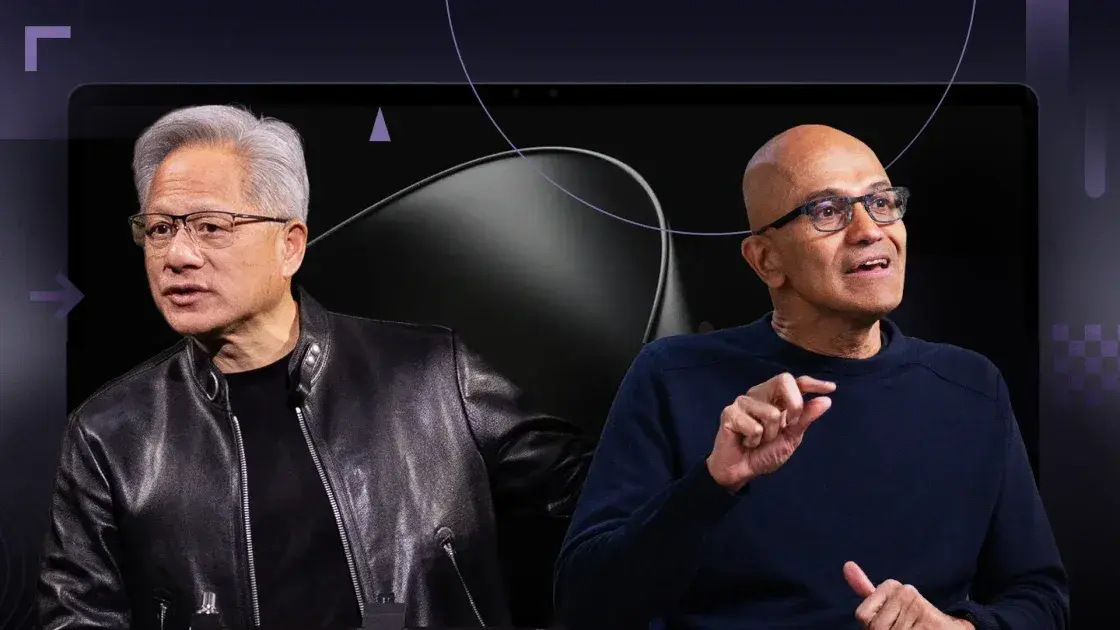
Microsoft CEO Satya Nadella and Nvidia CEO Jensen Huang took the stage in San Francisco to introduce the Surface Laptop Ultra, marking a strategic pivot toward local AI processing on Windows machines.
2
The move represents Microsoft's bet that complex AI workloads currently handled by its costly Azure cloud computing data centers can shift to high-powered Windows devices in businesses and homes—a market where the Redmond, Washington-based firm retains a stronghold and where customers foot the hardware bills.4
Source: PC Magazine
For Nvidia, the partnership cracks open the Windows PC market, targeting one of the last major segments dominated by longtime rivals Intel and Advanced Micro Devices.
2
This collaboration positions Windows as a premier platform for AI agents capable of handling tasks like writing code or tackling complex business projects without cloud access.1
RTX Spark Architecture Delivers 1 Petaflop of AI Compute Power
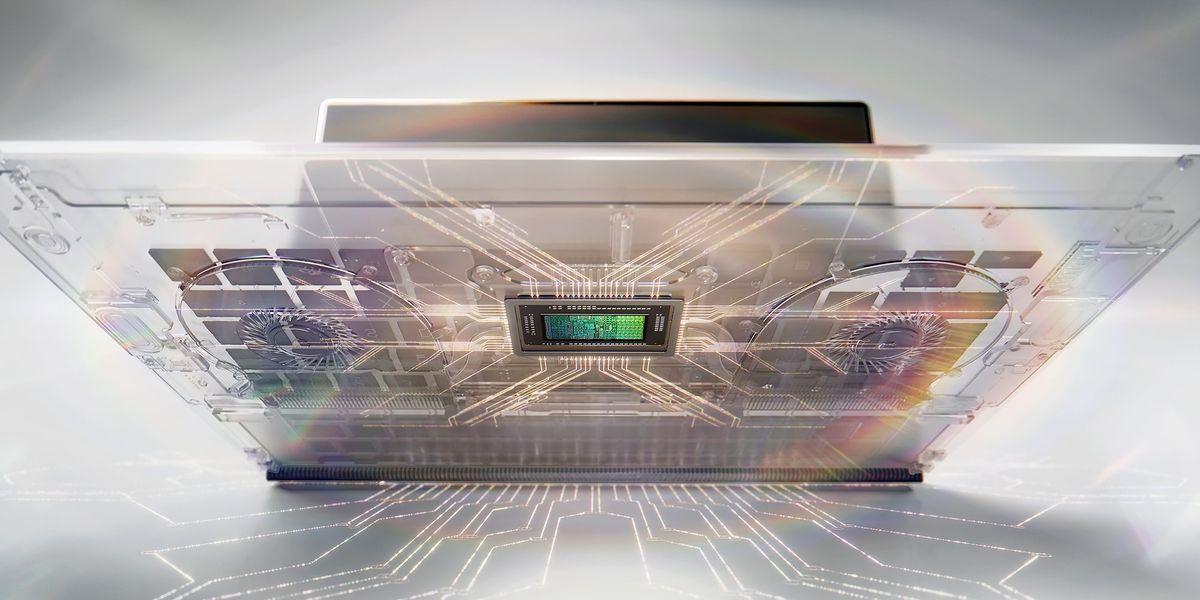
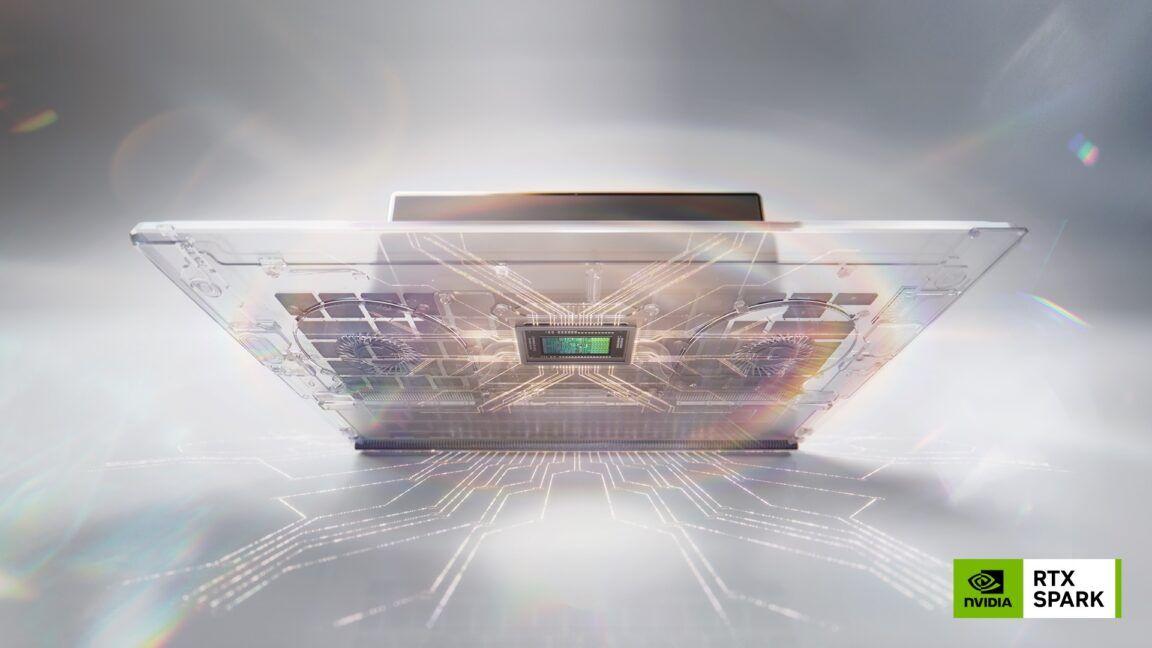
The Surface Laptop Ultra runs on Nvidia's RTX Spark chips, built on TSMC's 3nm node and featuring the Grace Blackwell architecture.
1
Microsoft offers two configurations: an 18-core variant with 5,120 CUDA cores and a flagship 20-core version packing 6,144 CUDA cores.3
Both variants feature a Grace CPU and Blackwell GPU integrated into a single system-on-a-chip, with up to 128GB of LPDDR5X unified memory dynamically shared across the CPU, GPU, and NPU.1
This unified memory architecture eliminates traditional VRAM bottlenecks, enabling the hardware to run AI models with up to 120 billion parameters entirely offline—without involving a data center, internet connection, or privacy concerns.
1
The RTX Spark delivers up to 1 petaflop of AI compute power while scaling its dynamic power envelope from single-digit wattage for daily tasks up to 80W for full local AI capability and heavy workloads.1
Surface Laptop Ultra Targets MacBook Pro Market with Premium Specs
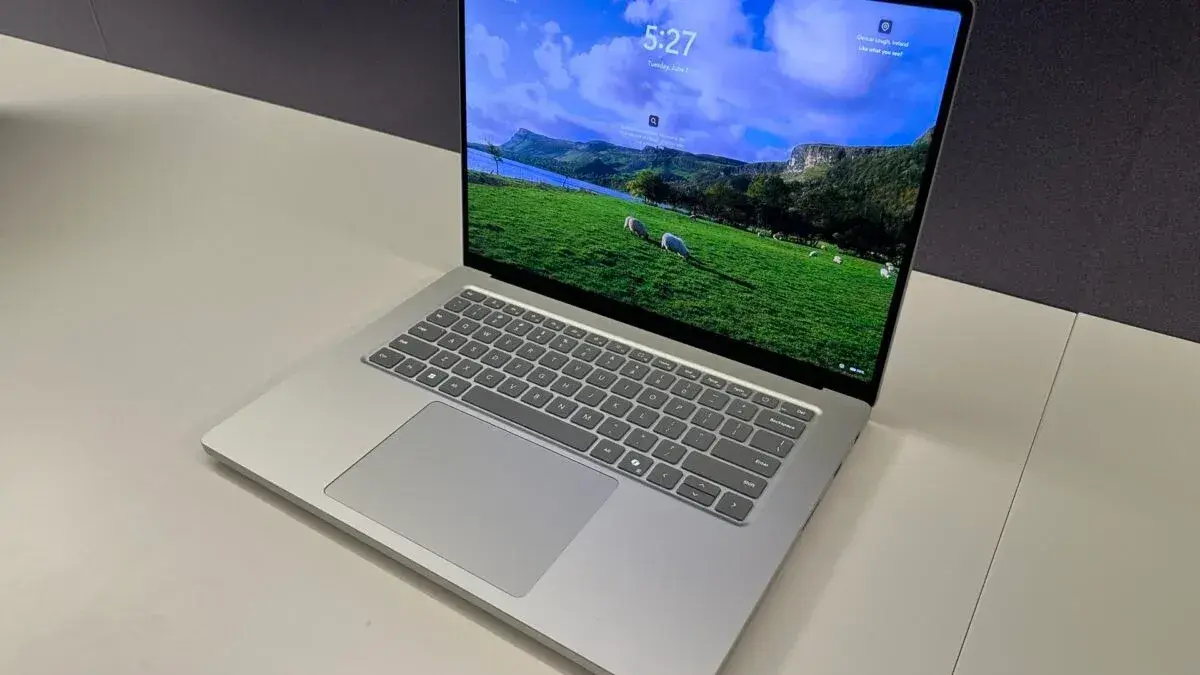
The Surface Laptop Ultra weighs less than 4.5 pounds and features a 15-inch mini-LED PixelSense Ultra touch screen with 2,000 nits peak HDR brightness, 120Hz VRR, and a 3:2 aspect ratio.
1
Microsoft equipped the device with a 30% larger haptic touchpad and comprehensive port selection including HDMI, USB-C, USB-A, SD card slot, and headphone jack.1
Inside, a dual-fan thermal system delivers over twice the cooling capacity of the Surface Laptop 7.1
Source: Gizmodo
The 18-core entry-level configurations max out at 32GB unified memory and run Windows 11 Home, while higher-end configs get Windows 11 Pro.
3
The 20-core variant scales all the way up to 128GB, directly challenging Apple's M5 Max MacBook Pro in maintaining high performance on battery and enabling large offline AI workloads.3
Microsoft plans to demonstrate how the Surface Laptop Ultra maintains maximum performance even when not plugged in, targeting what Apple's most premium systems are traditionally known for.3
Agentic AI and Developer Tools Drive Windows Strategy
Microsoft is positioning the Surface Laptop Ultra for agentic AI workflows, where long-running AI agents tackle complex problems autonomously on personal computers.
2
The company also unveiled the Surface RTX Spark Dev Box, a mini PC aimed at developers for prototyping, fine-tuning, and running their own AI models locally.1
This developer box targets a 110W sustained thermal envelope with a cooling-first design using an all-aluminum body as a heatsink.1
Both devices ship with Windows 11, with the developer box including Windows 11 Pro pre-configured with defaults, preinstalled tools, and settings tuned specifically for an AI development environment from first sign-in.
1
The RTX Spark platform also supports 3D rendering, 12K video editing, gaming at 1440p/100 frames per second, plus DLSS Frame Generation, DLSS Ray Reconstruction, and OptiX acceleration.1
Related Stories
Hardware Affordability Emerges as Critical Challenge
The base Surface Laptop Ultra configuration with an 18-core CPU and 24GB unified memory starts at $2,000.
5
At this entry price point, users can run a 4-bit quantized version of Qwen3.8-27B, but denser local AI models require higher memory configurations.5
With options scaling to 32GB, 64GB, and 128GB unified RAM, top-end variants could easily reach $7,000-$8,000.5

Source: Wccftech
Memory-chip shortages have driven up prices significantly. When Microsoft originally pitched running AI tasks on PCs two years ago to save on costs, laptops were mostly priced below $2,000.
2
In recent weeks, Nvidia increased the price of the DGX Spark AI desktop machine by about 75% to $6,950, thanks to surging costs of its 128 gigabytes of memory.4
Anshel Sag, an analyst at Moor Insights & Strategy, noted that two years ago "the software wasn't ready, but the hardware was. Now the software is ready and the hardware is too expensive to actually run it locally. So it's becoming this thing where only the people who have the budget can really afford to run AI locally."2
Security Concerns and Broader Ecosystem Expansion
One key challenge for Microsoft and Nvidia will be demonstrating that AI agents can be safely contained on personal computers.
2
Nvidia is already working to prevent a repeat of the hack of AI hub Hugging Face, while Apple is tightening the process for giving AI agents full access to a Mac computer's hard drive.2
Beyond Microsoft's Surface lineup, Nvidia announced that more than 30 premium laptops and 10 desktops featuring RTX Spark will launch this fall from manufacturers including Acer, Asus, Dell, Gigabyte, HP, Lenovo, and MSI.
1
ASUS' ProArt P14 and ProArt P16 launches are imminent, with the base model also sporting 24GB of unified memory and liquid metal application for better heat transfer.5
This broader ecosystem signals that on-device AI processing is becoming a competitive battleground where Microsoft, Apple, and OEM partners will fight for market share in the coming months.References
Summarized by

Navi
[1]
Related Stories
Microsoft Surface Laptop Ultra brings Nvidia RTX Spark chip to redefine AI PCs this fall
01 Jun 2026•Technology
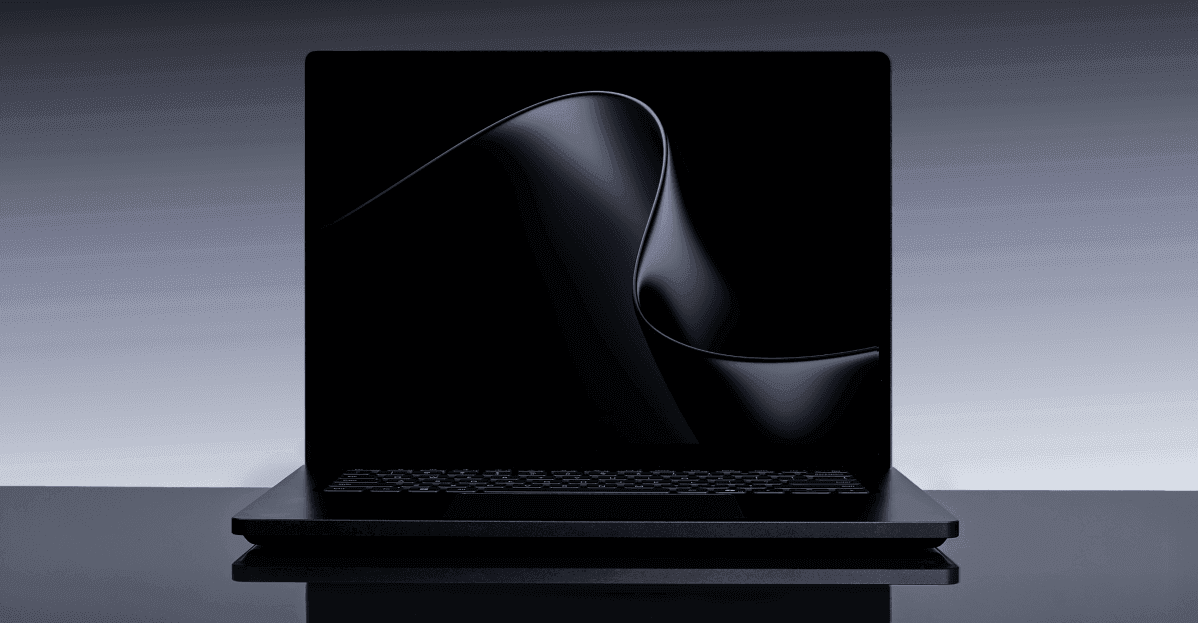
Microsoft event on October 7 to unveil local AI future with Surface Laptop Ultra and RTX Spark
16 Sept 2026•Technology

Nvidia enters Arm-based PC market with RTX Spark chip targeting AI workloads and gaming
26 May 2026•Technology
Recent Highlights


Recent Highlights
Today's Top Stories







Don’t drown in AI news. We cut through the noise - filtering, ranking and summarizing the most important AI news, breakthroughs and research daily. Follow topics that matter to you and stay ahead.


