EU Considers Major Rollback of GDPR and AI Regulations Amid Competitiveness Concerns


10 Sources
[1]
EU's leaked GDPR, AI reforms slated by privacy activists
Lobbying efforts gain ground as proposals carve myriad holes into regulations Privacy advocates are condemning the European Commission's leaked plans to overhaul digital privacy legislation, accusing officials of bypassing proper legislative processes to favor Big Tech interests. Max Schrems,
[2]
Critics call proposed changes to landmark EU privacy law 'death by a thousand cuts'
BRUSSELS, Nov 10 (Reuters) - Privacy activists say proposed changes to Europe's landmark privacy law, including making it easier for Big Tech to harvest Europeans' personal data for AI training, would flout EU case law and gut the legislation. The changes proposed by the European Commission are
[3]
Europe Begins Rethinking Its Crackdown on Big Tech
Adam Satariano reported from London and Jeanna Smialek from Brussels. After more than a decade of aggressively regulating the technology industry, the European Union is having second thoughts. In a significant shift, policymakers in Brussels are moving to scale back and simplify landmark rules
[4]
Major privacy laws - including GDPR - could be downgraded to try and boost AI growth and cut red tape
Anonymized data may no longer always be protected by such laws New documents seen by Politico suggest some European privacy laws, like GDPR, could soon be eased to boost European competitiveness and support AI innovation. A proposal, expected on November 19, 2025, could see a new 'digital
[5]

EU bows to pressure on loosening AI, privacy rules
The European Union is set next week to kickstart a rollback of landmark rules on artificial intelligence and data protection that face powerful pushback on both sides of the Atlantic. Part of a bid to slash red tape for European businesses struggling against US and Chinese rivals, the move is
[6]

EU bows to pressure on loosening AI, privacy rules
Brussels (Belgium) (AFP) - The European Union is set next week to kickstart a rollback of landmark rules on artificial intelligence and data protection that face powerful pushback on both sides of the Atlantic. Part of a bid to slash red tape for European businesses struggling against US and
[7]

EU set to relax data protection rules to boost AI growth - SiliconANGLE
The European Union is looking at loosening the shackles of its strict regulations around privacy to boost the development of artificial intelligence, according to documents obtained by Politico. The bloc's General Data Protection Regulation, or GDPR, touted as a global benchmark for data privacy,
[8]

EU bows to pressure on loosening AI, privacy rules
The EU plans to ease parts of its AI and data protection rules to help European businesses compete with US and Chinese rivals. Critics argue the changes weaken privacy by narrowing the definition of personal data and delaying key AI safeguards. Brussels denies lowering standards, but opposition
[9]
Critics call proposed changes to landmark EU privacy law 'death by a thousand cuts'
The changes proposed by the European Commission are part of a drive to simplify a slew of laws adopted in recent years on technology, environmental and financial issues which have in turn faced pushback from companies and the US government. Privacy activists say proposed changes to Europe's
[10]

EU Weighs Scaling Back GDPR, AI and Privacy Rules
The European Union (EU) is preparing to roll back parts of its landmark rules on artificial intelligence (AI) and data privacy, according to a FirstPost report. For context, the European Commission is expected to introduce the Digital Omnibus package of reforms on November 19, which can reshape
Share
Copy Link
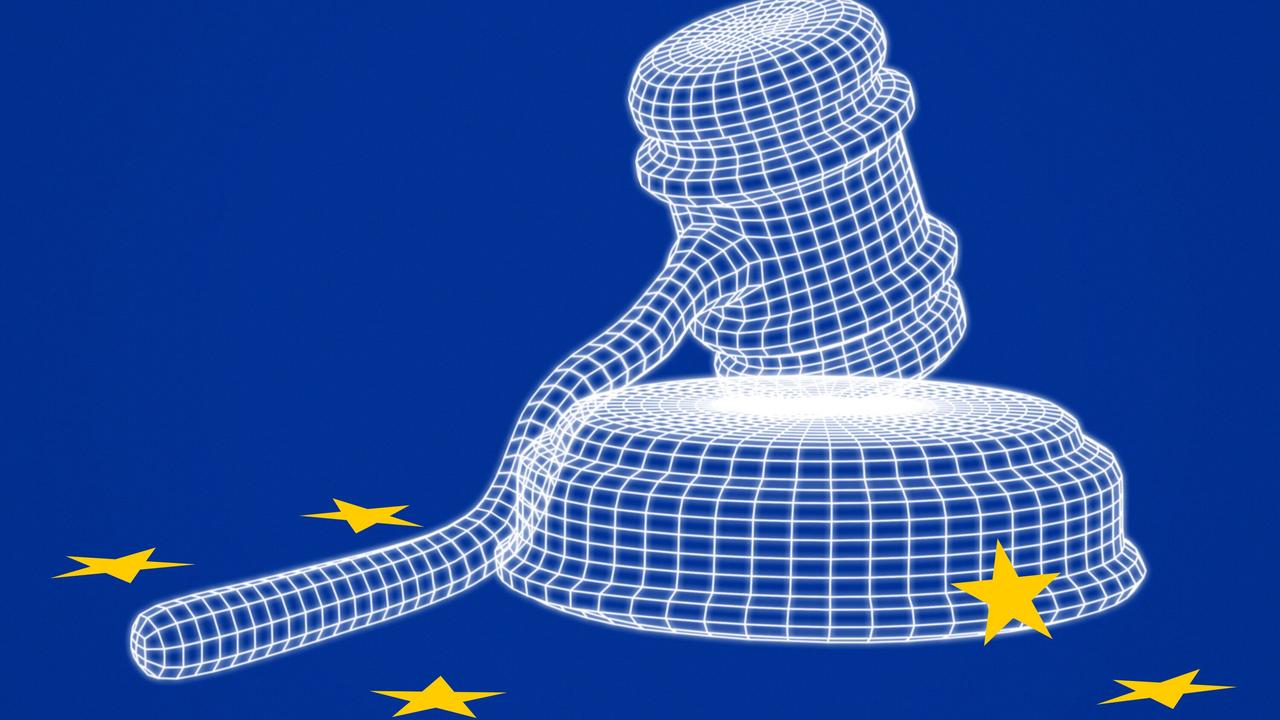
The European Commission is proposing significant changes to landmark privacy and AI legislation, including weakening GDPR protections and delaying AI Act implementation, sparking fierce criticism from privacy advocates who warn of undermining fundamental digital rights.
EU Proposes Sweeping Changes to Digital Privacy Laws
The European Commission is preparing to unveil controversial amendments to its landmark digital privacy and artificial intelligence regulations, marking a significant shift in the bloc's approach to technology governance. The proposed "Digital Omnibus" package, set to be announced on November 19, aims to simplify existing legislation but has drawn fierce criticism from privacy advocates who warn it could fundamentally undermine European data protection standards
1
.
Source: NYT
Max Schrems, founder of privacy group Noyb, condemned the approach as bypassing proper legislative processes to favor Big Tech interests, comparing the tactics to those of the Trump administration
1
. The proposals would introduce numerous amendments to the General Data Protection Regulation (GDPR), the AI Act, cybersecurity legislation, and privacy directives2
.Key Changes to GDPR Protections
One of the most significant proposed changes involves redefining how pseudonymized data is treated under GDPR. Currently, even when personal data is anonymized by changing "John Doe" to "User12345," it must still be treated as belonging to an identifiable person with full data protection rights. The new proposals would eliminate this requirement, potentially allowing companies greater freedom to use such data for commercial purposes
1
.
Source: MediaNama
The amendments would also introduce "purposes limitation" on data access rights, potentially giving companies broader powers to reject individual requests to access, correct, or delete personal data. Privacy advocates warn this could enable employers to dismiss legitimate data requests from employees seeking records of worked hours or allow companies to block journalists and researchers from accessing information
1
.Additionally, the proposals would weaken protections for sensitive personal data categories including sexual orientation, health status, and political views. Under the new framework, these protections would only apply when such information is "directly revealed," allowing companies to infer sensitive data from other sources without triggering privacy safeguards
1
.AI Act Implementation Delays
The European Commission is also considering a one-year delay in implementing key provisions of the AI Act, postponing enforcement of measures related to "high-risk" AI applications in areas such as hiring and education until 2027
3
.
Source: ET
Major European companies including Airbus, ASML, Mercedes-Benz, and Lufthansa have lobbied for these changes, arguing that current regulations stifle innovation and put European firms at a disadvantage against US and Chinese competitors
5
.The proposals would also create special exemptions for AI systems, allowing them to process personal data that would otherwise require explicit legal justification. According to Noyb's interpretation, this would create a "grotesque situation" where AI processing receives preferential treatment over traditional data processing methods
1
.Related Stories
Industry and Political Response
The proposed changes reflect a broader shift in European policy thinking, driven by concerns that overregulation is hampering economic growth and innovation. This represents a significant departure from the EU's previous stance as Big Tech's most formidable global watchdog, having levied billions in fines against companies like Amazon, Apple, Google, and Meta
3
.However, the proposals face substantial opposition. A coalition of 127 organizations, including civil society groups and trade unions, warned that the changes could represent "the biggest rollback of digital fundamental rights in EU history"
5
. Several EU member states, including the Czech Republic, Estonia, France, Austria, and Slovenia, have already expressed opposition to GDPR rewrites4
.References
Summarized by

Navi
[1]
[4]
[5]
Related Stories
Europe Retreats on Tech Regulation: GDPR and AI Act Face Major Rollbacks Under Industry Pressure
19 Nov 2025•Policy and Regulation

EU Considers Loosening AI and Data Regulations Amid US Competition
10 Apr 2025•Policy and Regulation

EU Scales Back AI Regulations, Denies US Influence in Decision
14 Feb 2025•Policy and Regulation

Recent Highlights



Recent Highlights
Today's Top Stories









Don’t drown in AI news. We cut through the noise - filtering, ranking and summarizing the most important AI news, breakthroughs and research daily. Follow topics that matter to you and stay ahead.


