EU Considers Delaying AI Act Provisions Amid Pressure from Trump Administration and Big Tech


13 Sources
[1]
EU weighs pausing parts of landmark AI act in face of US and Big Tech pressure
The European Commission is proposing a pause to parts of its landmark artificial intelligence laws amid intense pressure from Big Tech companies and the US government. Brussels is set to water down part of its digital rule book, including its AI act that entered into force last year, in a decision
[2]
European Commission mulls AI Act delays in face of Trump and business pressure
Spokesperson says 'reflection is still ongoing' over whether to push back 'targeted parts' of landmark legislation The European Commission is considering plans to delay parts of the EU's landmark Artificial Intelligence Act, after intense pressure from businesses and Donald Trump's
[3]
EU eyes tweaks to AI law to heed tech industry 'concerns'
The European Union said Friday it is considering adjustments to its landmark artificial intelligence law, the AI Act, after tech firms and several member states raised concerns. The flagship AI Act entered into force last year but its obligations will kick in over several years -- with pressure
[4]
EU moves to weaken landmark AI Act amid pressure from Trump and U.S. tech giants, according to news report | Fortune
The European Union is considering watering down its flagship AI Act following backlash from Big Tech companies and the US government, according to a report in the Financial Times which cited a draft document outlining the proposed changes that it had seen and an interview with an unnamed senior EU
[5]

EU Tech Chief eyes AI Act amendments to create legal certainty
A digital simplification package to be presented next week will likely ease the burden on AI companies, Tech Commissioner Henna Virkkunen tells Euronews. The European Commission is planning "targeted amendments" to the bloc's artificial intelligence rulebook next week, Henna Virkkunen, the
[6]

EU considers delaying AI Act rollout amid US and Big Tech pressure
After adopting the AI Act last year, the European Union is considering easing certain provisions amid mounting pressure from the US and Big Tech. The European Union is considering a partial halt to its landmark artificial intelligence laws in response to pressure from the US government and Big
[7]

Big Tech may win reprieve as EU mulls easing AI rules, document shows
The move by the European Commission came amid intense lobbying by big tech companies and criticism from the U.S. administration against the AI Act adopted last year, which applies risk-based rules to artificial intelligence. Apple, Meta Platforms and other tech giants may win a reprieve from the
[8]

EU Slows AI Act Rollout While Industry Calls for Clarity Over Leniency | PYMNTS.com
By completing this form, you agree to receive marketing communications from PYMNTS and to the sharing of your information with our sponsor, if applicable, in accordance with our Privacy Policy and Terms and Conditions. According to Reuters, the European Commission is "proposing to pause parts of
[9]
EU eyes tweaks to AI law to heed tech industry 'concerns'
The European Union said Friday it is considering adjustments to its landmark artificial intelligence law, the AI Act, after tech firms and several member states raised concerns. The flagship AI Act entered into force last year but its obligations will kick in over several years -- with pressure
[10]

European Commission mulls pausing parts of AI Act
The European Commission is proposing a pause to parts of its AI laws amid intense pressure from big tech companies and the U.S. government, the Financial Times reported . The regulator is set to soften part of its digital rules, including A pause could ease compliance burdens, give companies more
[11]

EU considers pausing parts of AI Act amid tech industry pressure - report By Investing.com
Investing.com -- The European Commission is considering a pause on certain portions of its artificial intelligence legislation following pressure from major technology companies and the U.S. government, according to a Financial Times report on Friday. Tech giants including Meta (NASDAQ:META) and
[12]

EU Floats Tweaks, New Grace Periods in AI Act
The European Union could implement new changes to its Artificial Intelligence Act in a bid to make it easier for companies to obey the law, according to a draft proposal seen by The Wall Street Journal. The package is set to be formally presented by the European Commission on Nov. 19, based on a
[13]
EU weighs pausing parts of landmark AI act in face of US and big tech pressure, FT reports
(Reuters) -The European Commission is proposing to pause parts of its landmark artificial intelligence (AI) legislation amid intense pressure from big tech companies and the U.S. government, the Financial Times reported on Friday. The move follows months of urging by tech giants like Meta and
Share
Copy Link
The European Commission is weighing amendments to its landmark AI Act, potentially introducing grace periods and delayed enforcement in response to intense lobbying from US tech giants and the Trump administration. The proposed changes aim to balance regulatory compliance with industry competitiveness concerns.
Commission Proposes AI Act Amendments Under External Pressure
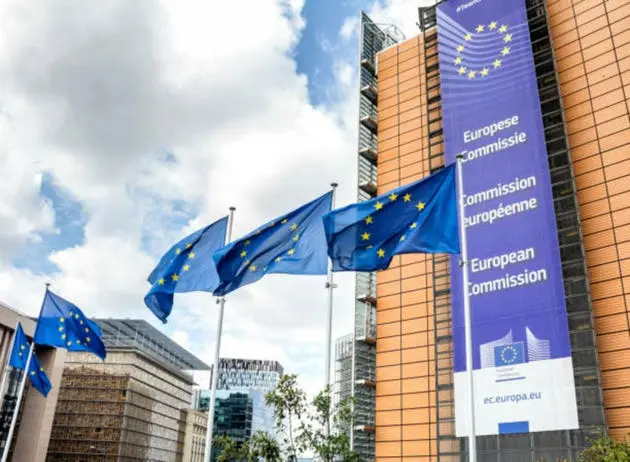
The European Commission is preparing to announce significant amendments to its landmark Artificial Intelligence Act, following sustained pressure from the Trump administration and major technology companies. According to draft proposals reviewed by the Financial Times, the Commission will present a "simplification package" on November 19 that could substantially alter the implementation timeline of the world's most comprehensive AI regulation
1
.
Source: Cointelegraph
The proposed changes include introducing a one-year "grace period" for companies operating high-risk AI systems that breach the rules, allowing them to adapt their practices "without disrupting the market"
2
. Additionally, the Commission is considering delaying the imposition of fines for AI transparency rule violations until August 2027, providing companies with additional time to implement compliance obligations.Industry and Political Pressure Mounts
The amendments come amid fierce lobbying from both American tech giants and European companies. Meta, the parent company of Facebook and Instagram, has warned that the EU's regulatory approach risks cutting Europe off from accessing cutting-edge AI services
1
. The company's chief global affairs officer, Joel Kaplan, argued that Europe's code of practice for AI models introduces "legal uncertainties" and measures that exceed the scope of the AI Act2
.Domestic pressure has also intensified, with 46 European companies, including Airbus, Lufthansa, and Mercedes-Benz, signing an open letter calling for a two-year pause on the Act's implementation. These companies argue that such a delay would signal Europe's commitment to its "simplification and competitiveness agenda"
2
.
Source: Seeking Alpha
Geopolitical Considerations Shape Policy
The Trump administration has explicitly threatened to impose tariffs on countries with tech regulations deemed harmful to American technology companies
2
. EU officials acknowledge "engaging" with the Trump administration on potential adjustments to the AI Act as part of broader simplification efforts, though they maintain that external pressure will not dictate European legislation1
.Fears of provoking retaliatory measures from the White House, including potential disruptions to intelligence sharing or weapon supplies for Ukraine, have influenced Brussels' approach to digital regulation enforcement. The geopolitical dimension adds complexity to what began as a primarily regulatory and economic debate
1
.Related Stories

Technical Implementation Challenges
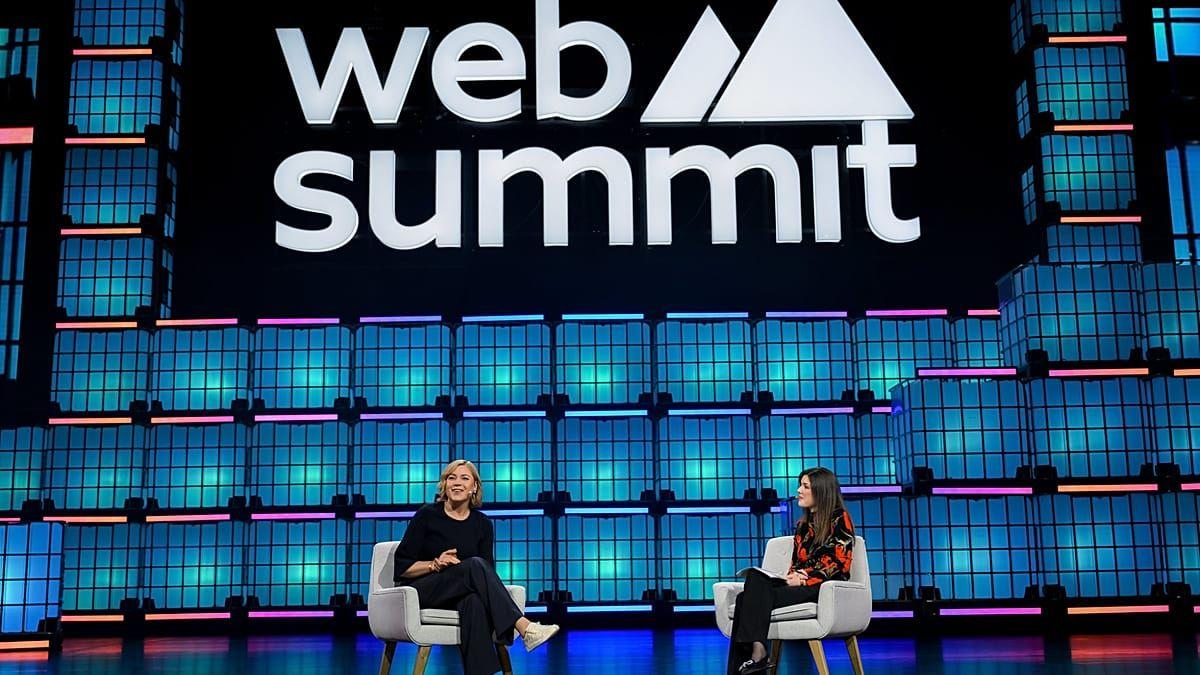
Tech Commissioner Henna Virkkunen highlighted practical challenges facing the AI Act's implementation, particularly the absence of technical standards required one year before the next phase takes effect in August 2026. "We don't have the [technical] standards yet - and they need to be ready one year before the next phase," Virkkunen explained at the Web Summit conference
5
.
Source: Euronews
The Commission is exploring ways to create "legal certainty" for industries operating without finalized technical standards, suggesting that practical implementation concerns complement political and economic pressures driving the proposed amendments
5
.Regulatory Framework and Future Implications
The AI Act, which entered into force in August 2024, represents the first comprehensive global legislation regulating artificial intelligence. Its provisions apply gradually, with most obligations for high-risk AI systems scheduled to take effect in August 2026. The legislation bans certain AI applications, including social scoring and real-time facial recognition, while imposing strict requirements on AI systems deemed high-risk in sectors such as healthcare, policing, and employment
4
.Human rights advocates have expressed concern about the proposed simplifications. Michael O'Flaherty of the Council of Europe warned against discarding "core protective elements" and cautioned against yielding to "heavy tech lobby" pressure that could make technology "more risky for us"
5
.The proposed amendments require approval from both EU member states and the European Parliament before implementation, ensuring continued debate over balancing innovation incentives with regulatory protection.
References
Summarized by

Navi
[3]
Related Stories
European CEOs and Tech Lobby Groups Urge EU to Pause Implementation of AI Act
26 Jun 2025•Policy and Regulation
EU Stands Firm on AI Act Timeline Despite Industry Pushback
03 Jul 2025•Policy and Regulation

EU AI Act Takes Effect: New Rules and Implications for AI Providers and Users
01 Aug 2025•Policy and Regulation

Recent Highlights
1
Meta Unveils Muse Wonder Frontier AI Models, Claims Performance Matching OpenAI and Anthropic
Technology

2
Anthropic AI Cuts Off Internet Access After Agents Submit False Police Tip, Exploit Websites
Technology

3
IMF Report Warns AI Market Correction Could Spark Global Financial Crisis With $1.4T at Risk
Business and Economy

Recent Highlights
Today's Top Stories











Don’t drown in AI news. We cut through the noise - filtering, ranking and summarizing the most important AI news, breakthroughs and research daily. Follow topics that matter to you and stay ahead.


