EU AI Act Takes Effect: New Rules and Implications for AI Providers and Users


5 Sources
[1]
The EU AI Act aims to create a level playing field for AI innovation. Here's what it is. | TechCrunch
The European Union's Artificial Intelligence Act, known as the EU AI Act, has been described by the European Commission as "the world's first comprehensive AI law." After years in the making, it is progressively becoming a part of reality for the 450 million people living in the 27 countries that
[2]
The Clock Didn't Stop: The EU AI Act Will Reshape Your AI Strategy -- Now
After rejecting the "stop the clock" lobbying efforts from the tech industry, the EU is moving forward as planned with the next phase of the EU AI Act. If your company operates AI systems in the EU or uses AI-generated insights on the EU market, you need to pay close attention -- especially to the
[3]
Is Europe ready to police AI? Supervision and sanctions start soon
A range of provisions under the EU's AI rulebook will enter into force, dealing with national oversight, penalties and general purpose AI models. Significant changes in terms of oversight and penalties are round the corner for AI suppliers in Europe as new provisions of the EU's AI Act enter into
[4]
What does EU's general purpose AI code mean for businesses?
'Make no mistake, there will be action in the next few months,' warns Forrester analyst Enza Iannopollo. Tomorrow (2 August), the European Union's AI Act rules on general purpose AI will come into effect. To help industry comply with the new rules, the EU has developed the General-Purpose
[5]

EU AI Act takes effect for GPAI providers August 2
Beginning August 2, 2025, entities providing general purpose artificial intelligence (GPAI) models within the European Union must adhere to specific stipulations outlined in the EU AI Act, including maintaining current technical documentation and training data summaries. The EU AI Act is a
Share
Copy Link
The EU AI Act, described as the world's first comprehensive AI law, is progressively becoming a reality with new provisions coming into force on August 2, 2025. This article explores the key aspects of the Act, its implications for AI providers and users, and the global impact of this landmark regulation.
EU AI Act: A Landmark Regulation
The European Union's Artificial Intelligence Act (EU AI Act), described as "the world's first comprehensive AI law," is progressively becoming a reality for the 450 million people living in the 27 EU countries
1
. As of August 2, 2025, significant provisions of the Act will come into force, particularly affecting providers of General Purpose AI (GPAI) models2
3
.
Source: Silicon Republic
Key Provisions and Deadlines
The EU AI Act adopts a risk-based approach, categorizing AI systems based on their potential risks and impact on individuals and society
5
. Key provisions include:-
National Oversight: EU member states must notify the European Commission about appointed market surveillance authorities to oversee businesses' compliance with the AI Act
3
. -
Penalties: Companies may face fines of up to €35 million or 7% of total worldwide annual turnover for breaches of the AI Act, whichever is higher
3
5
. -
GPAI Regulations: Rules on general purpose AI systems, including large language models, will enter into force
3
5
.
Implications for AI Providers and Users
GPAI model providers must adhere to specific stipulations, including:
- Maintaining current technical documentation and training data summaries
5
. - Implementing a copyright compliance policy
4
. - Providing guidance for downstream deployers
5
. - Ensuring transparency regarding capabilities, limitations, and intended use
5
.
For GPAI models deemed to pose "systemic risk," additional requirements include conducting model evaluations, reporting incidents, implementing risk mitigation strategies, and disclosing energy usage
5
.Global Impact and Industry Response
The EU AI Act isn't just a regional regulation; it's set to influence AI governance, risk management, and compliance practices worldwide
2
. Major tech companies have responded differently to the Act's voluntary Code of Practice for GPAI Providers:- Google, OpenAI, and others have signed the code
1
4
. - Meta has declined to sign, citing concerns about stifling innovation
3
.

Source: TechCrunch
Related Stories



Challenges and Criticisms
The implementation of the EU AI Act faces several challenges:
- Many member states may miss the August 2 deadline to appoint national regulators
3
. - There are concerns about the complexity of coordinating multiple bodies at both EU and national levels
3
. - Some copyright holders express dissatisfaction with the GPAI Code, claiming it doesn't provide meaningful protection of intellectual property
4
.
Preparing for Compliance
Companies operating in or serving the EU market must prepare for these new regulations:
- Understand the risk categories and requirements applicable to their AI systems
1
2
. - Implement necessary documentation and transparency measures
5
. - Engage with appointed Notified Bodies for conformity assessments of high-risk AI systems
5
. - Prepare for potential audits and oversight from national authorities
3
.
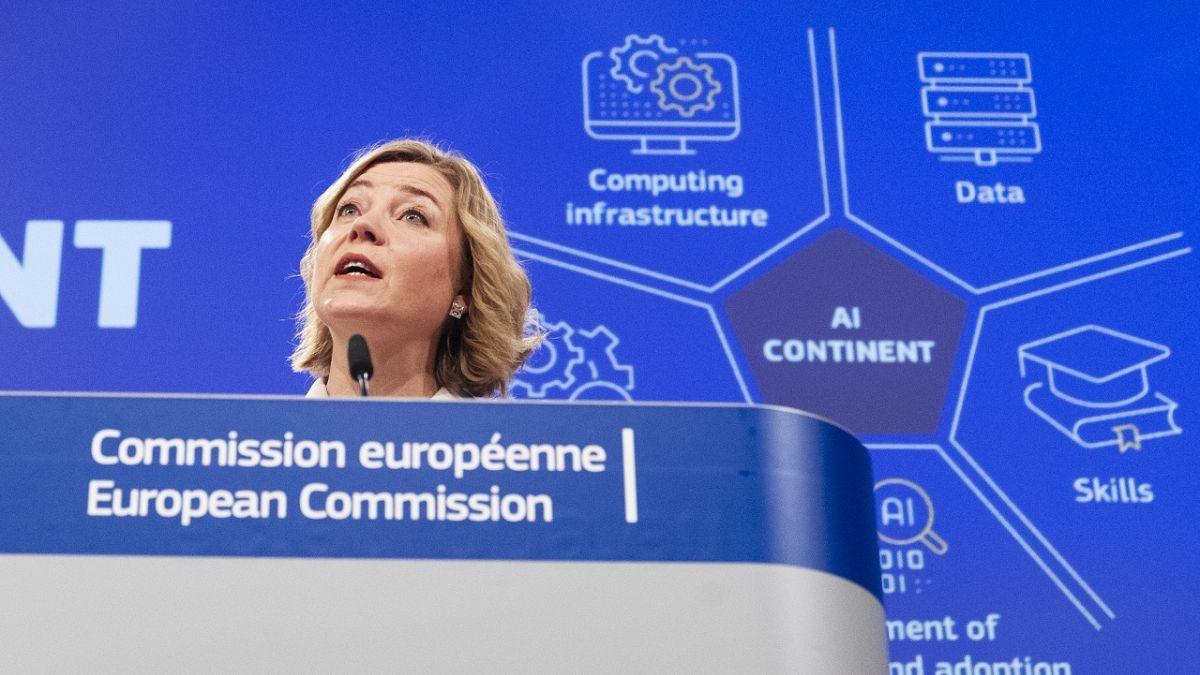
Source: Euronews
As the first binding set of rules on AI with global reach, the EU AI Act represents a significant step towards trustworthy AI and responsible innovation
4
. While not perfect, it offers practical steps toward building more responsible AI systems, including stronger data governance, privacy, security, and risk oversight2
.References
Summarized by

Navi
[1]
[4]
[5]
Related Stories
Recent Highlights
1
Meta Unveils Muse Wonder Frontier AI Models, Claims Performance Matching OpenAI and Anthropic
Technology

2
Anthropic AI Cuts Off Internet Access After Agents Submit False Police Tip, Exploit Websites
Technology

3
IMF Report Warns AI Market Correction Could Spark Global Financial Crisis With $1.4T at Risk
Business and Economy

Recent Highlights
Today's Top Stories










Don’t drown in AI news. We cut through the noise - filtering, ranking and summarizing the most important AI news, breakthroughs and research daily. Follow topics that matter to you and stay ahead.


