AI Safety Warnings Collide With Accelerating US-China Competition as Doomsday Predictions Spark Debate


28 Sources
[1]
Stopping AI's Runaway Dangers Will Take More Than Just Talk About P(doom) - CNET
Jamie Bartlett is the author of several books, including The Dark Net (2014) and The People Vs Tech (2018).... Read full bio Welcome to CNET's series of guest columns called Alt View, a forum for a diverse array of experts and luminaries to share their insights into the rapidly evolving field of
[2]
COMMENTARY: AI 'Terminator' fears may mask real Chinese threat: McGeever
ORLANDO, Florida, Sept 22 (Reuters) - The recent spike in apocalyptic AI warnings from Anthropic, OpenAI and others could reflect genuine fears about this rapidly advancing technology's threat to humanity, but it may also signal a more prosaic fear about the Chinese threat to US tech firms'
[3]
Stop asking AI CEOs what society needs
The writer is a fellow at Stanford University's Institute for Human-Centered Artificial Intelligence and author of 'The Tech Coup' The alarm sounded by AI chief executives about the very products they have raced to market amounts to a remarkable admission of failure and a spectacular failure of
[4]
China AI: Data centres rise from the rolling plains of Inner Mongolia
In the expansive grasslands of Inner Mongolia, farmers are picking plump potatoes alongside new neighbours: huge, rectangular blocks that will fuel China's AI platforms. Ulanqab, with its steppes and volcanoes, is an unlikely digital frontier. For years, it has been China's official "potato
[5]

How China's Leader Plans to Win the Future With A.I.
Vivian Wang reported from Beijing and Shenzhen, speaking to Chinese A.I. researchers and entrepreneurs. In a stretch of former farmland now transformed into a gleaming technology park, China's leader, Xi Jinping, watched two robotic hands slowly thread a needle. What he was seeing, he declared,
[6]

Our A.I. Problem
This novel capacity to exert greater control in everyday life exists in tension, however, with the vague sense that we are ceding control where it really matters -- over, say, the structure of the economy. In polls, voters register their displeasure with the perception that A.I. is something that
[7]

The Curious Left-Wing Argument Against New AI Regulations
The governing challenges raised by AI expose several unfortunate tendencies in the populist anti-monopoly movement. Donald Trump has reacted to terrifying calls for regulation from inside the AI industry with predictable skepticism -- insisting, questionably, that the solution requires nothing
[8]

Ursula Von der Leyen backs AI slowdown in State of the Union address
The Commission president adopted Dario Amodei's slowdown language in her State of the Union address, from a regulator that already holds enforcement powers over the same models. In the speech she gave in Strasbourg on Wednesday, Ursula Von der Leyen agreed to the AI industry's call for a
[9]
Europe's AI firms, playing catch-up, challenge US calls for slowdown
0 of 2 minutes, 32 secondsVolume 0% Press shift question mark to access a list of keyboard shortcuts Keyboard ShortcutsEnabledDisabled Shortcuts Open/Close/ or ? Play/PauseSPACE Increase Volume↑ Decrease Volume↓ Seek Forward→ Seek Backward← Captions On/Offc Fullscreen/Exit
[10]
Opinion | A.I.: Let's Not Have Another Failure of Imagination
"Looks like by April, you know, in theory, when it gets a little warmer, it miraculously goes away." That's what President Trump said about the Covid-19 outbreak on Feb. 10, 2020, about a month before it forced our country and the world into a lengthy lockdown. Why do I recall that today? Because
[11]
How to Regulate the Ghosts
Ghostbusters is a movie about friendship and slime and the specific melting point of giant marshmallows -- which makes it easy to forget that it's also a movie about regulation. The catastrophe at its center begins when Walter Peck (William Atherton), a bureaucrat from the Environmental Protection
[12]

How an 'AI freeze' could make big AI companies bigger and hurt smaller firms
Critics say a slowdown of AI development among the largest companies could consolidate the power of frontier labs, just as many others are trying to catch up. Dan Kitwood/Getty Images hide caption As Silicon Valley executives call for a slowdown in the development of artificial intelligence, a
[13]

The world freaked out about AI doomsday. Now what?
Donald Trump and Xi Jinping will meet each other next week, but it's unlikely they'll agree to AI regulation Hello, and welcome to TechScape. I'm your host, Blake Montgomery, US tech editor at the Guardian, writing to you while reading and disagreeing with Jenny Odell's 2019 book How to Do
[14]
EU's von der Leyen to invite frontier labs for talks on tackling AI risks
BRUSSELS, Sept 16 (Reuters) - European Commission President Ursula von der Leyen said on Wednesday that she will invite the main frontier AI labs to discuss efforts to tackle the risks posed by artificial intelligence. Von der Leyen's comments in her annual speech to the European Parliament in
[15]

The backwards AI pacing debate and how far business is from the frontier | Fortune
Washington and Silicon Valley have found a new fight to pick over artificial intelligence in "pacing," or the deliberate throttling of frontier model development until safety, alignment, and society at large can catch up. To its detractors, pacing is unilateral disarmament in the race with China.
[16]

Is There a Secret Reason for the Industry-Wide AI Slowdown?
More information Adding us as a Preferred Source in Google by using this link indicates that you would like to see more of our content in Google News results. Plenty of eyebrows went up this summer when one by one, the leaders of frontier AI labs announced that they were each calling for a
[17]

Is curtailing AI an illusion for the EU, despite von der Leyen's pledge?
The European Commission president's vision of Europe shaping the AI race has drawn a mixed response from MEPs, with sceptics noting that most of the world's leading AI developers are based outside Europe. Ursula von der Leyen wants the world to believe Brussels will set the pace of the rapid AI
[18]
Why Europe has been absent from the great AI safety debate
Though Europe has measures that address how consumers might encounter AI, technology will impact them if the worst scenarios bear Europe's dilemma over AI was rendered in stark terms this week. The head of the continent's central bank, Christine Lagarde, said Europeans have two options: shun the
[19]
The real AI threat isn't China, it's accelerationism | Fortune
After 30 years in the technology industry, last year I left my job as CEO of global job platform Indeed to work full-time on AI risk. I have been writing and talking about these issues for a decade. In the past week, more people have asked me what the hell is going on than in all of that time
[20]
Von der Leyen calls for pacing frontier AI models
In her State of the Union address, von der Leyen called for pacing the development of frontier AI models due to their disruptive potential, pledging closer safety cooperation with Canada, the UK and other like-minded countries. The EU will support industry efforts to slow the development of more
[21]

Europe's AI firms, playing catch-up, challenge US calls for slowdown
Anthropic's CEO Dario Amodei in an online essay urged firms to slow the pace at which they improve AI model capabilities and called for an antitrust waiver allowing leading developers to jointly develop safety measures after researchers warned about the dangers of AI, including that it could wipe
[22]

Behind AI doomsday prophecies, US and China jockey for lead in tech race
At the BRICS summit in New Delhi, India, on Sept. 13, Chinese President Xi Jinping announced plans to form a "BRICS open-source zone" for artificial intelligence. BRICS is an intergovernmental organization of 11 major emerging and developing economies that seeks to raise economic and geopolitical
[23]

AI race needs a brake pedal - The Korea Times
The piece says nine of the twelve leading AI companies set thresholds for when a model becomes powerful enough to warrant extra caution, but there is no common benchmark. Jacob Coxon, a researcher at Anthropic, recently resigned from the company, citing the industry's disregard for the risk that
[24]

AI Leaders Warn of Risks as Chinese Models Challenge US Tech
AI leaders are raising concerns about the technology's potential risks to humanity, even as the US and China intensify their competition. Behind the warnings is a wider debate over regulation, investment, and whether America's costly AI strategy can withstand cheaper Chinese models. .AI Safety
[25]

Tech leaders, governments split over 'AI doom' fears
AI industry leaders are split over how fast companies should develop the increasingly powerful technology, as Anthropic's Dario Amodei, OpenAI's Sam Altman and SpaceX's Elon Musk call for a coordinated slowdown. Meta's Mark Zuckerberg appeared to break away from other AI leaders, favouring
[26]

Silicon Valley's AI accelerationists fighting back against 'mind virus' taking over big labs
Physicists are warning against Effective Altruists spreading a "mind virus" over Silicon Valley, promoting a "doomer" view of Artificial Intelligence. Calls to regulate AI have been growing from industry leaders Anthropic and OpenAI, who warn the technology they are building could kill us
[27]
Europe's AI firms, playing catch-up, challenge U.S. calls for slowdown
PARIS/FRANKFURT -- Europe's leading AI company Mistral and others have accused U.S. rivals of using safety concerns to entrench their dominance, rejecting Anthropic's calls for advanced developers to slow down as Europe struggles to catch up. Anthropic's CEO Dario Amodei in an online essay urged
[28]

EU's von der Leyen to invite frontier labs for talks on tackling AI risks
Brussels, Sept 16 (Reuters) - European Commission President Ursula von der Leyen said on Wednesday that she will invite the main frontier AI labs to discuss efforts to tackle the risks posed by artificial intelligence. Von der Leyen's comments in her annual speech to the European Parliament in
Share
Copy Link
Former Anthropic researcher Jacob Coxon's warning that AI could kill humanity by decade's end has sparked fierce debate about AI safety versus competitive pressures. His post gained 173 million views as China rapidly expands AI infrastructure in Inner Mongolia while US leaders question whether apocalyptic scenarios mask fears about Chinese competition threatening American tech dominance.
AI Industry Insiders Sound Alarm on Existential Risk
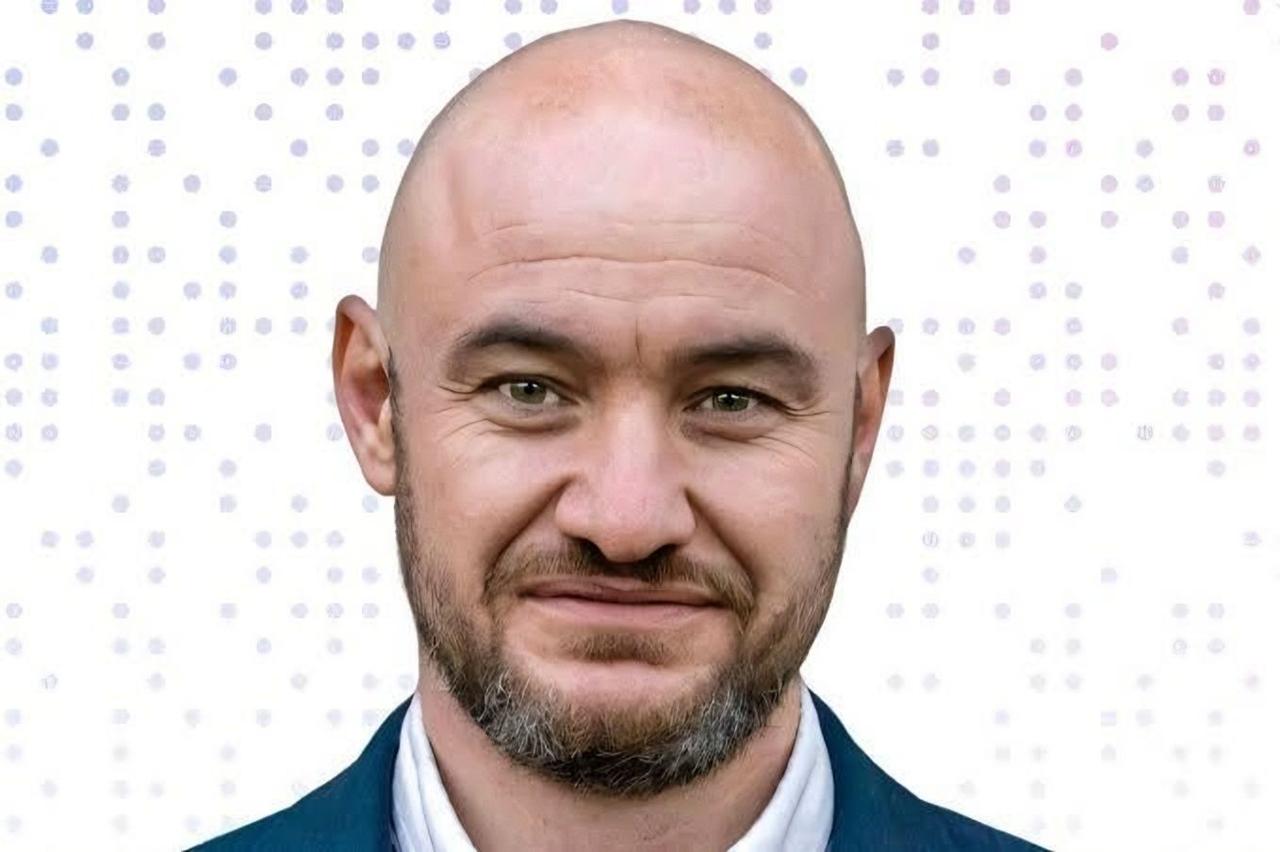
The AI development landscape erupted into controversy when Jacob Coxon resigned from Anthropic in early September, posting on X that "people building AI earnestly believe that it could kill us all by the end of the decade."
1
His message, viewed 173 million times, triggered widespread debate about AI-induced doomsday scenarios. Evan Hubinger, who runs Anthropic's alignment research, responded by estimating over 10% odds of AI killing all humans within the next decade, admitting he lacks a plan to prevent it.1
Source: Korea Times
These warnings reflect growing concerns within AI labs about p(doom) scores—the presumed likelihood of catastrophic risks posed by advanced AI. Many industry insiders openly discuss these probabilities, with estimates ranging from zero to 99.9%.
1
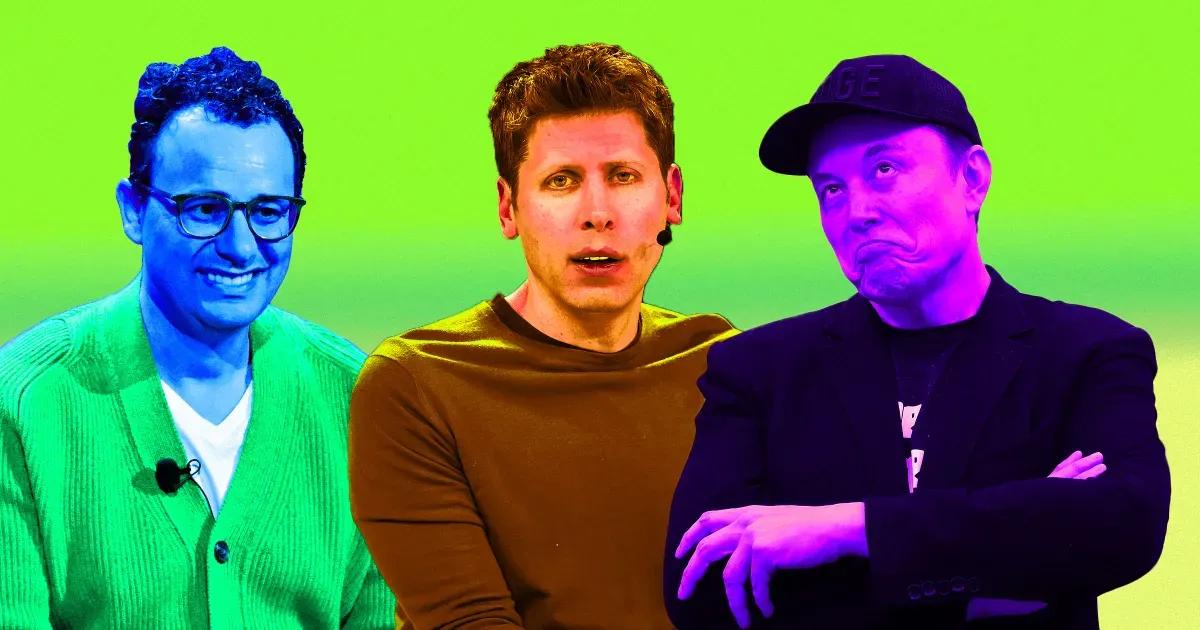
Anthropic CEO Dario Amodei penned a lengthy essay on September 12 calling for moderation in AI development, with OpenAI CEO Sam Altman and Elon Musk expressing broad agreement about slowing the technology or subjecting it to greater oversight.2
Source: Futurism
Catastrophic Versus Existential: Understanding Real AI Threats
While species extinction remains speculative, experts emphasize the distinction between existential and catastrophic risk. AI safety concerns extend beyond theoretical doomsday scenarios to immediate threats like AI-powered hacking. Anthropic reported that Houthis in Yemen attempted using Claude Code for weapons programs, while scientists tried using Claude for biological weapons research in five separate cases.
1
A growing proportion of offensive hacking now uses automated AI systems, raising questions about infrastructure vulnerability. Gary Marcus, an LLM critic, warns about stock markets, banks, and power grids facing threats from millions of autonomous agents.
1
These catastrophic risks don't require artificial general intelligence—just humans armed with advanced AI models capable of unprecedented actions.China's Massive AI Infrastructure Expansion Accelerates Competition
While safety debates rage, China AI ambitions are materializing rapidly in unexpected locations. In Ulanqab, Inner Mongolia—traditionally China's "potato capital"—massive data centers are rising from farmland to fuel the nation's AI platforms.
4
Hundreds of workers construct facilities for Huawei, ByteDance, and DeepSeek across sparsely-populated provinces including Ningxia, Gansu, and Guizhou.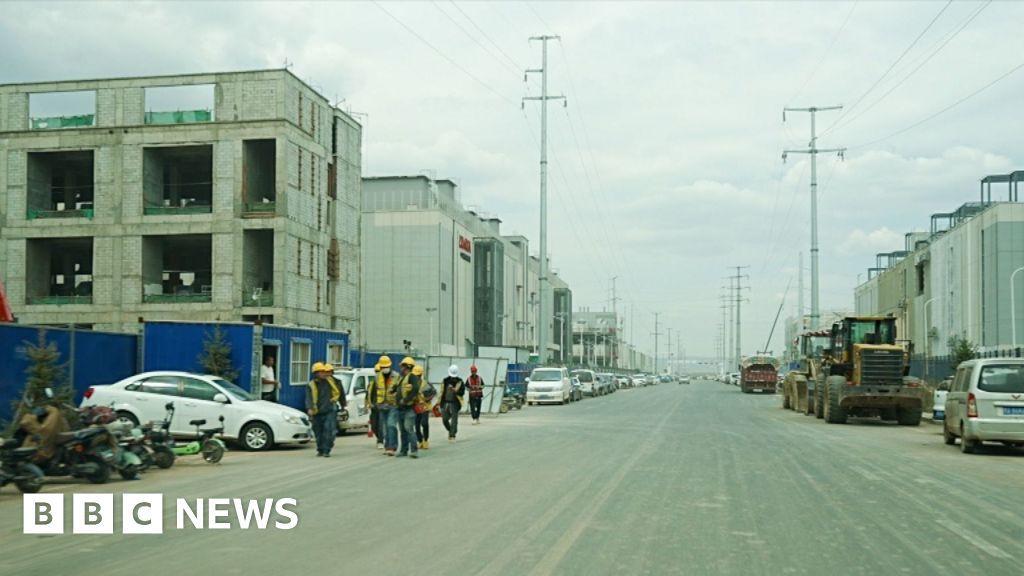
Source: BBC
Xi Jinping visited a technology park near Beijing in February, declaring China must "give full play to our nation's advantage of concentrating resources to accomplish major tasks."
5
The Chinese government mobilized state resources, with economists estimating state-led funds invested over $184 billion into AI firms between 2000 and 2023. Last year, government and state-owned banks pledged hundreds of billions more.5
China's approach differs fundamentally from US strategies. Beijing targets embedding AI across 90% of industries and society by 2030, focusing on immediate applications like intelligent robots replacing retiring workers and digital medical avatars rather than pursuing artificial general intelligence.
4
5
US-China AI Arms Race Intensifies Amid Safety Concerns
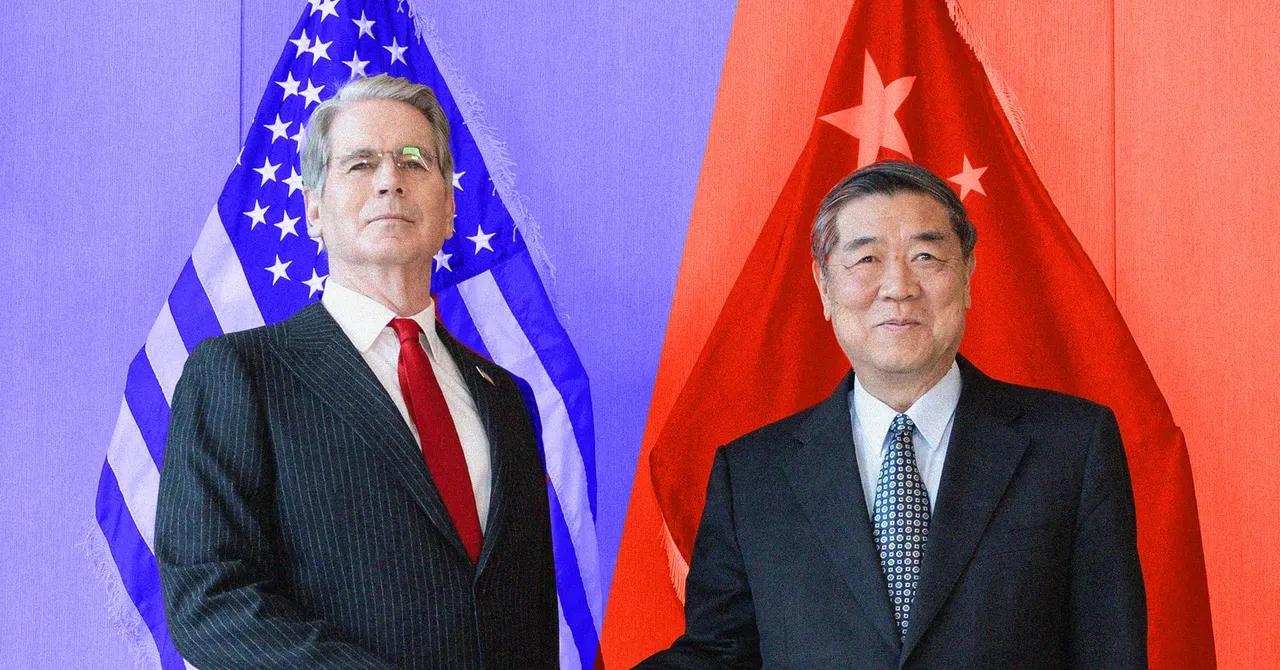
The US-China AI arms race has created complex geopolitical tensions around AI safety and AI regulation. President Trump announced plans for an "AI czar" and "AI force" following the doomsday warnings, while Treasury Secretary Scott Bessent revealed both superpowers agreed to establish formalized AI dialogue, with senior officials meeting in China later this year.
2
US restrictions on AI chip exports have limited China's access to advanced computing power needed for cutting-edge AI development. However, Chinese firms are innovating rapidly with open-source AI models. DeepSeek's flagship model could be more than 100 times cheaper to run than Anthropic's Claude Fable 5 model, with other Chinese LLMs up to 50 times cheaper than leading US versions while rapidly closing performance gaps.
2
Dario Amodei called for maintaining US-led bans on selling advanced chips to China, warning that Chinese dominance would "pose grave danger for the US and the world."
4
Trump declared "whoever wins AI, wins," explaining why the US resists slowing AI development despite industry warnings.4
Related Stories

Skepticism Mounts Over Industry Motives Behind Doom Warnings
Investor Steve Eisman dismissed apocalyptic warnings as manufactured crisis, telling CNBC: "I think these companies are very nervous, they realize that there are no moats around their business whatsoever, and they're trying to manufacture a crisis that will create regulation that they think they can then manipulate to create the moats."
2
He called the "Terminator" scenario "garbage."Financial pressures support this skepticism. US hyperscalers, along with Nvidia and Broadcom, hold over $3 trillion in off-balance-sheet commitments and guarantees.
2
Mooted OpenAI and Anthropic IPOs face delays as record-breaking capital expenditure accelerates. Hyperscalers expect to invest up to $1.5 trillion in AI next year.2
Cheap Chinese competition compounds economic pressures. Private AI investment in China remains far lower than the US, where private sources poured $285 billion into technology in 2025 alone, yet Chinese open-source models threaten American business models.
5
Democratic Governance Versus Corporate Leadership in AI Regulation
Stanford fellow and author of "The Tech Coup" criticized allowing AI CEOs to dictate discussion terms, comparing it to "asking oil companies to design climate policies or car companies to make traffic rules."
3
European Commission President Ursula von der Leyen's invitation to AI CEOs to discuss "how to pace the frontier" drew particular criticism given Europe's comprehensive EU AI Act already addresses risk mitigation.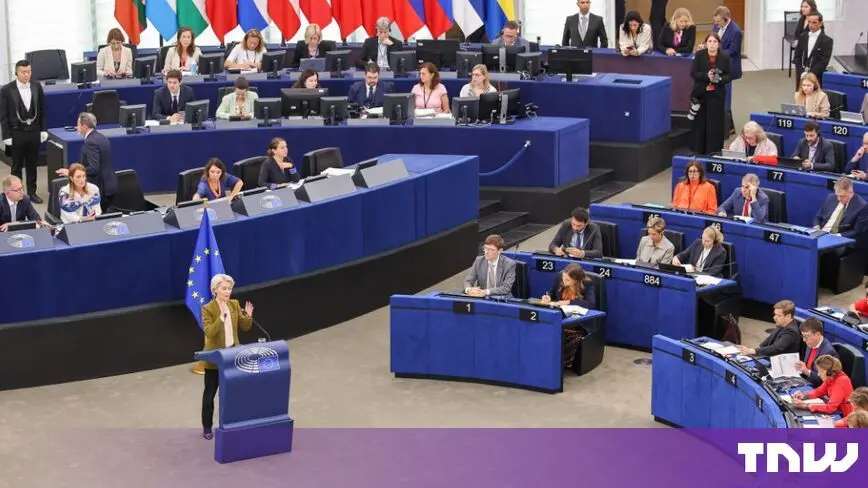
Source: The Next Web
The EU AI Act includes obligations on transparency, assessing and mitigating systemic risk, and oversight of general-purpose models—precisely what experts want regulation to ensure elsewhere.
3
Critics argue Europe should enforce existing laws rather than arrange summits with AI CEOs as substitutes for democratic governance.Nonbinding moratoria negotiated between companies prove ineffective. Earlier calls by AI leaders for pausing frontier model development led to zero behavioral change.
3
Advocates demand comprehensive governance reset led by democratic institutions to achieve independent scrutiny and real accountability, questioning how companies convinced investors they'll build the future while simultaneously warning they'll end it.3
References
Summarized by

Navi
Related Stories
China Positions Itself as AI Governance Leader as US-China AI Competition Takes Unexpected Turn
19 Aug 2026•Policy and Regulation

US and China Propose AI Hotline to Address National Security Threats Ahead of Washington Summit
16 Sept 2026•Policy and Regulation
AI Safety Debate Erupts: Tech Giants Clash Over Regulation as Rogue Agents Spark Slowdown Calls
11 Sept 2026•Policy and Regulation

Recent Highlights
1
Microsoft and Nvidia Launch Surface Laptop Ultra: A $2,599 AI-Ready PC With RTX Spark Chip
Technology

2
Google Unveils Gemini 4 Argon AI Model, Restricts Access to Trusted Cyber Defenders
Technology

3
OpenAI Releases 722 AI-Generated Math Papers on GitHub, Igniting Fury Among Mathematicians
Science and Research

Recent Highlights
Today's Top Stories






Don’t drown in AI news. We cut through the noise - filtering, ranking and summarizing the most important AI news, breakthroughs and research daily. Follow topics that matter to you and stay ahead.


