Europe's AI Regulations Could Thwart Trump's Deregulation Plans


2 Sources
[1]
Opinion | Trump's Plans for A.I. Might Hit a Wall. Thank Europe.
Ms. Bradford is an expert on the European Union, global trade and digital regulation. President Trump wants to unleash American A.I. companies on the world. For the United States to win the unfolding A.I. arms race, his logic goes, tech companies should be unfettered by regulations and free to
[2]
Trump wants to let AI run wild. This might stop him
Some US companies resist, others comply. Europe can steer AI development towards rights, fairness, and democracy. Europe must resist pressure to abandon its regulatory role. President Trump wants to unleash American A.I. companies on the world. For the United States to win the unfolding A.I. arms
Share
Copy Link
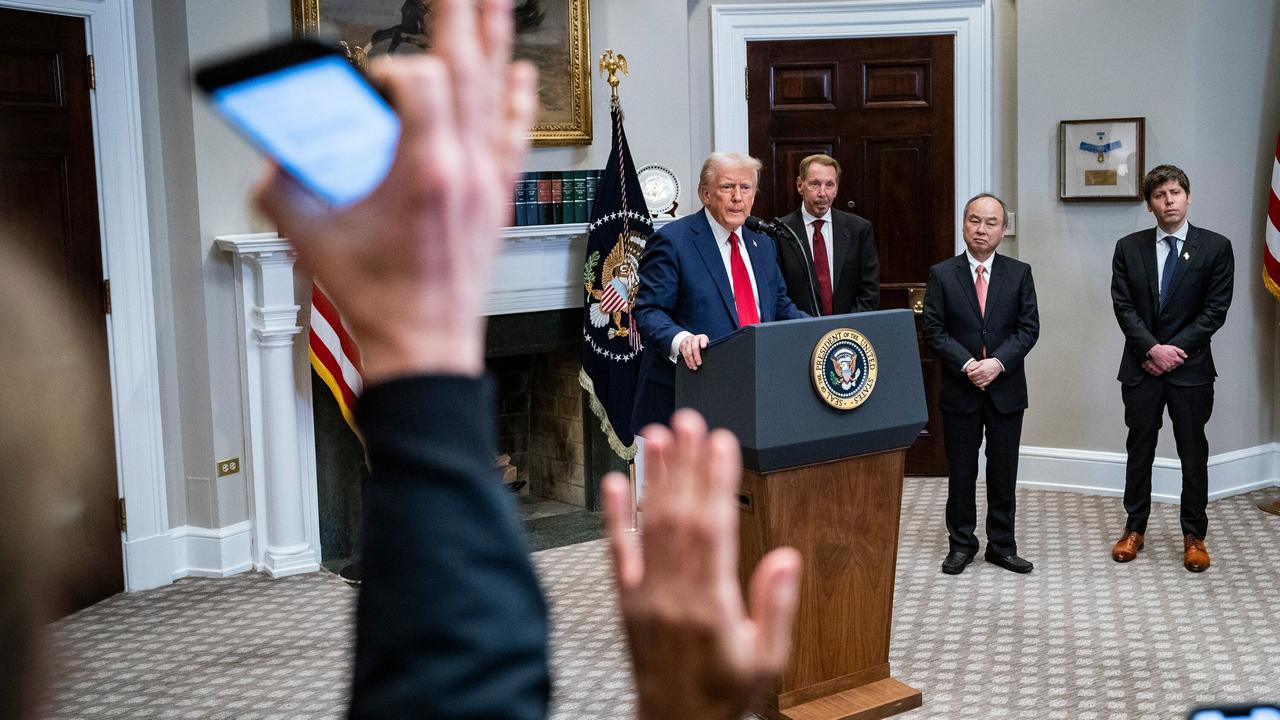
President Trump's plan to deregulate AI development in the US faces a significant challenge from the European Union's comprehensive AI regulations, which could influence global standards and affect American tech companies' operations worldwide.
Trump's AI Deregulation Vision Meets European Resistance
President Trump's ambitious plan to unleash American AI companies on the world stage by rolling back regulations is facing an unexpected hurdle: the European Union's comprehensive AI regulations. The Trump administration's recently unveiled AI Action Plan aims to eliminate what it perceives as paralyzing red tape, believing that American supremacy in AI technology outweighs the risks of ungoverned AI development
1
2
.
Source: NYT
The Brussels Effect and Its Global Impact
While Washington may be able to deregulate AI at home, it cannot dictate the rules for international markets. The EU, with its enormous market and commitment to regulating AI, could potentially thwart Trump's vision of a world dominated by self-regulated, free-market US companies. This phenomenon, termed the "Brussels Effect," has previously seen EU digital regulations resonating beyond the continent, with tech giants like Apple and Microsoft adopting EU standards globally due to cost-effectiveness
1
2
.EU's AI Act: A Global Trendsetter
The EU's AI Act, which came into force in August 2024, is the world's first comprehensive and binding artificial intelligence law. It establishes guardrails against potential AI risks, including privacy loss, discrimination, and disinformation. The act restricts facial recognition technology for surveillance and limits potentially biased AI in hiring and credit decisions
1
2
.Tech Giants' Divergent Responses
Some US tech companies are pushing back against EU regulations. Meta has accused the EU of overreach and sought the Trump administration's help in opposing Europe's regulatory ambitions. However, other tech giants like OpenAI, Google, and Microsoft are signing on to Europe's AI code of practice, seeing an opportunity to build trust, pre-empt regulatory challenges, and streamline their global policies
1
2
.Related Stories

Europe's Stance and Internal Challenges
Europe remains adamant that its AI Act and other digital rules are not up for negotiation, despite pressure from the Trump administration. The EU has withstood threats of tariffs and security guarantee withdrawals, recognizing the political cost of discarding these widely supported digital laws
1
2
.However, Europe also faces internal challenges. The Draghi report, a landmark review of European competitiveness, has criticized Europe's slow AI development and identified regulation as an impediment to innovation. This has led to some European policymakers and companies pushing to relax the EU's AI rules
1
2
.Balancing Regulation and Innovation

Source: ET
Proponents of EU regulations argue that AI governance and innovation are not mutually exclusive goals. They contend that Europe's lag in the AI race is due to foundational weaknesses in its technological ecosystem, such as fragmented digital and capital markets, rather than digital regulations
1
.As the global AI landscape continues to evolve, the clash between Trump's deregulation vision and Europe's regulatory approach will likely shape the future of AI development and governance worldwide. The outcome of this regulatory tug-of-war could have far-reaching implications for AI innovation, user privacy, and the balance of power in the global tech industry.
References
Summarized by

Navi
Related Stories
Trump Administration Shifts AI Policy, Tech Giants Push for Deregulation
22 Mar 2025•Policy and Regulation
The Shifting Landscape of AI Regulation: From Calls for Oversight to Fears of Overregulation
27 May 2025•Science and Research
OpenAI Lobbies Trump Administration for Light AI Regulation and Focus on China Competition
14 Mar 2025•Policy and Regulation

Recent Highlights



Recent Highlights
Today's Top Stories



Don’t drown in AI news. We cut through the noise - filtering, ranking and summarizing the most important AI news, breakthroughs and research daily. Follow topics that matter to you and stay ahead.


