2 Sources
[1]
Smart glasses maker Even Realities hits $1B valuation with $150M funding led by Meituan, Tencent
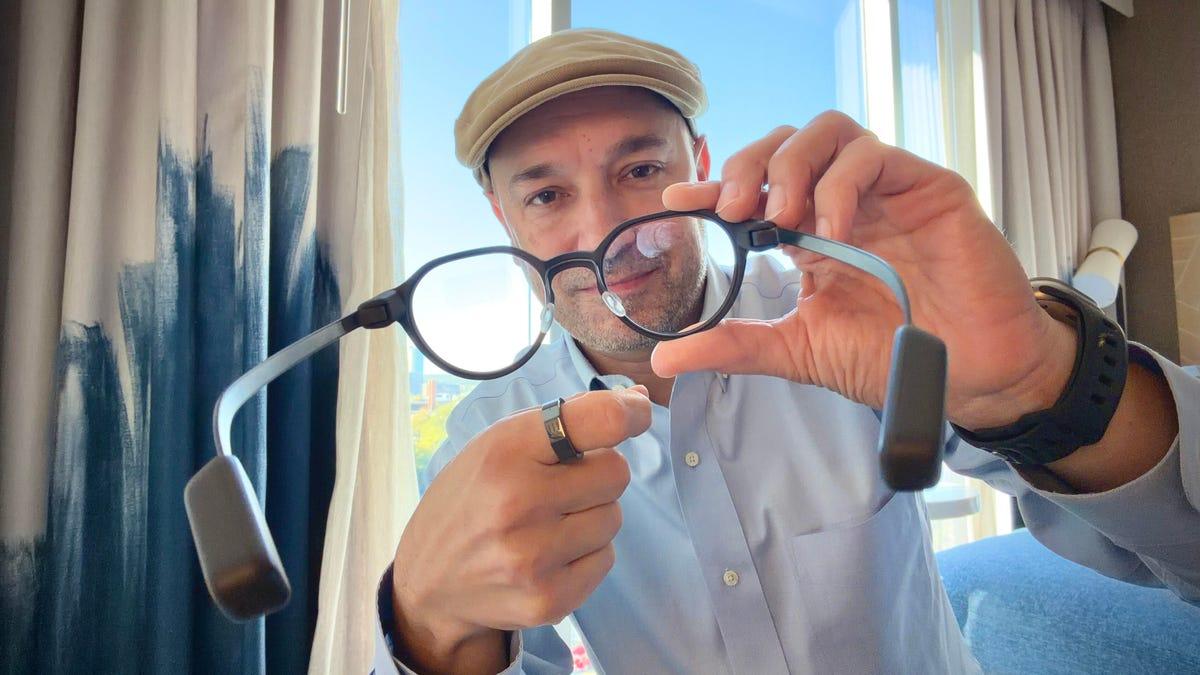
Meta and Snap rolled out new smart glasses last month, the latest sign that the industry is racing to put a camera and an AI assistant onto users' faces. As the fast-growing market heats up, upstarts like Even Realities are muscling in on the giants. Even Realities, a three-year-old Shenzhen-headquartered startup, has raised $150 million in a pre-Series B round led by Meituan and previous backer Tencent; the round valued the startup at $1 billion valuation. Founder and CEO Will Wang told TechCrunch that while rivals chase camera-equipped devices built around content capture and AI, his company is betting on display-first glasses that beam information straight into the wearer's line of sight without giving up privacy. Even's earlier backers are mostly high-profile China names -- Hillhouse, Sequoia China, and Northern Light Venture Capital. Even was started by ex-Apple engineers in 2023. CEO Wang worked on the Apple Watch and iPhone; other co-founders came from tech, and two came from luxury eyewear companies, including Lindberg. The startup moved quickly, launching its first product, the G1, in 2024 as what Wang calls the lightest waveguide smart glasses then on the market. Even blew past its own 10,000-unit target to become the first company in the category to sell more than 10,000 pairs, according to the company CEO. It raised money faster than expected, and swelled from 30-40 staff in 2024 to 300-400 today. The startup's latest flagship, the G2, hit the market last November and skips the camera entirely. Instead, a heads-up display built into the frames feeds information to the wearer, controlled by a companion ring, the Even R1, that users tap and swipe to navigate. Removing the camera is an important part of Even's privacy philosophy, though not the entire story, Wang continued. Smart glasses, he said, are probably the most personal computing device people will ever wear. Worn on the face all day, they have to feel comfortable to both the wearer and those around them, so privacy is designed into both the hardware and the software. Voice features like translation transcribe audio into text rather than storing recordings; user data is encrypted, and the infrastructure is built to meet Europe's strict privacy standards, Wang added. Even's power users lean hard on Conversate, a copilot that reads a conversation in real time, explaining unfamiliar jargon or feeding follow-ups on the fly, then syncing a summary to their phone. Still, Even has invested most heavily in optics (the display and overall optical performance), which Wang says is what separates smart glasses from other consumer electronics. "With a phone or a watch, the display is just a conventional OLED or LCD screen. Smart glasses are the first product category to rely on optical displays, which require an entirely different technology stack; you have to design the microchip, the optics, and the waveguide together. That's where we've invested the most," Wang said. The company developed a proprietary optical technology called Even HAO, or Holistic Adaptive Optics, an end-to-end design that integrates the microchip, waveguide and prescription support from the start, rather than combining components designed separately. More than half of Even's users sit in the U.S. -- its fastest-growing market -- and so does the bulk of its developer community. The company doesn't sell in China yet, even though it manufactures there across several factories; its main markets are the U.S., Japan, South Korea, the Middle East, and Europe. "The demand there is significant, so we want to make sure we're prepared first," Wang said. Even sells near the top of the category on price and still moves real volume, making it a profitable player in the space, Wang said. "Most of our customers are male professionals between 30 and 50 years old. We ran a survey and found that about a third of our users are company executives," he added. The frames retail for $599 before tax; prescription lenses or the ring tack on another $200-$300, pushing the average order to roughly $1,000.
[2]
Apple veteran's Chinese smart-glasses firm becomes unicorn as Tencent, Meituan fund rival to Meta
Even Realities has largely been funded by Chinese-origin venture capital and private equity firms. A Chinese smart-glasses maker founded by an Apple veteran has become a unicorn after a funding round with investors including Meituan and Tencent. Even Realities Technology raised $150 million in the pre-Series B round, giving it a valuation of $1 billion. Company's founder and CEO Will Wang, who worked at Apple from 2016 to 2018 and was involved in the development and mass production of Apple Watch and iPhone, is eyeing the AI wearable market dominated by Meta Platforms. The company will use the funds to develop its next-generation smart glasses platform, deepen AI integration, scale up global operations and accelerate product innovation, it said Monday. The Shenzhen-based startup joined a slew of global peers, including Meta Platform, to build advanced gadgets and electronics that bring the benefits of AI to individual users. Alibaba launched Quark AI glasses in February. Even Realities, which was founded in 2023, launched the Even G2 smart glasses with a bigger display in a lighter frame late last year, alongside the Even R1, a smart ring that controls the display of the G2. The company attributed its vision for Even G2 in part to Wang's stint at Apple. Unlike Meta's camera-equipped Ray-Ban line, Even Realities' flagship G2 glasses have no camera or recording hardware, while sending messages, navigation, and live translation through a heads-up display embedded in the lenses - as the startup stresses user privacy. "The future isn't about pulling out a device every time you need information," Wang said. "It's about having the right information available exactly when you need it, while remaining fully present in the world around you." More than half of Even Realities' user base is located in the U.S., as are approximately 80% of its developers, the company said. The global smart glasses category surged 167% from a year earlier in the first quarter, shipping 2.25 million units worldwide, according to consultancy firm IDC. Meta led the pack with nearly 70% market share, followed by augmented reality-equipped glasses maker Shenzhen RayNeo Technology and Chinese consumer electronics maker Xiaomi, according to IDC. Growth was driven by mainstream adoption of display-less smart glasses, led by Meta's Ray-Ban partnership, according to IDC. Global shipment of smart glasses, including those with display glasses or virtual-reality functions, is expected to more than double to 50 million in 2030. Even Realities has largely been funded by Chinese-origin venture capital and private equity firms, including CDH Investment, Monolith Management, and CVC Capital. It raised an undisclosed amount from Hong Kong-headquartered Unicorn Capital Partners and Cyanhill Capital in January. Its domestic rival Rokid is valued at $2.58 billion, according to PitchBook data, after the latest round that raised $522 million in March. RayNeo, incubated by TCL Electronics, is worth $239.9 million, according to PitchBook. -- CNBC's Serenitie Wang contributed to this report.
Share
Copy Link
Even Realities, a Shenzhen-based smart glasses startup founded by ex-Apple engineers, has reached unicorn status with $150 million in funding led by Meituan and Tencent. The company's privacy-first approach skips cameras entirely, instead using heads-up displays controlled by a companion smart ring. With over half its users in the U.S. and frames retailing at $599, Even Realities is carving out a distinct position in a market dominated by Meta.
Even Realities has secured $150 million in a pre-Series B funding round led by Meituan and previous backer Tencent, propelling the smart glasses startup to a $1 billion valuation
1
2
. The Shenzhen-headquartered company, founded just three years ago by ex-Apple engineers, joins an increasingly competitive AI wearable market where giants like Meta and Snap are racing to integrate cameras and AI assistants into eyewear. Even Realities funding from Meituan and Tencent adds to backing from other high-profile China names including Hillhouse, Sequoia China, and Northern Light Venture Capital1
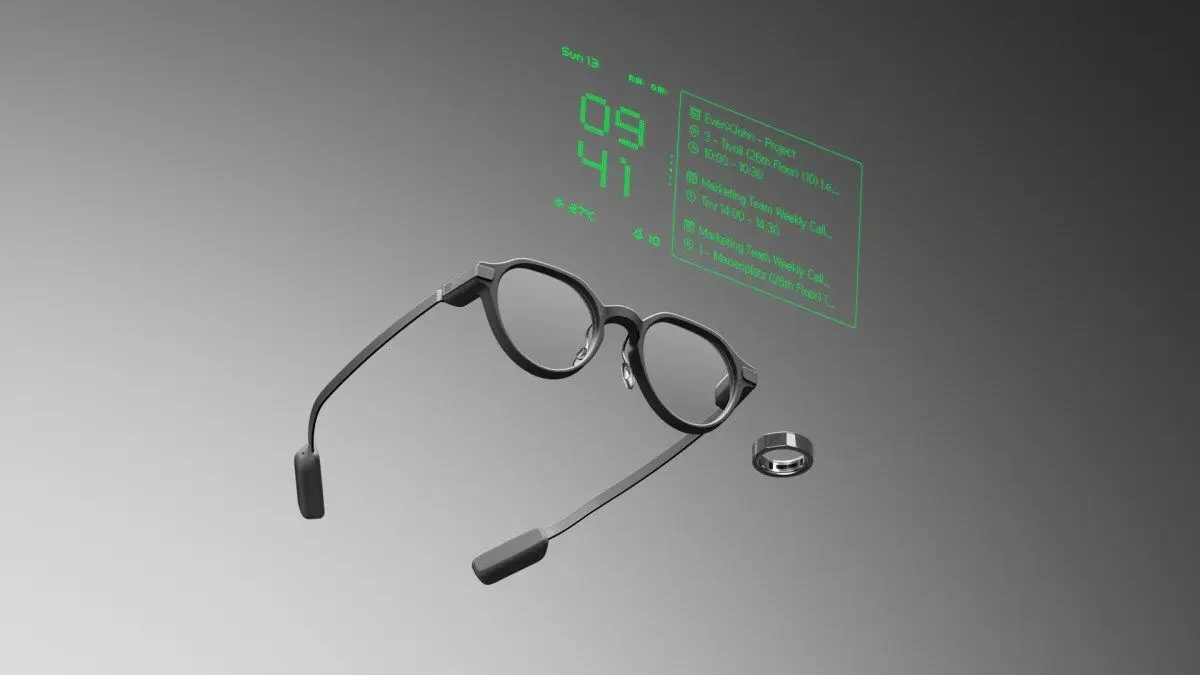
.While competitors pursue camera-equipped devices focused on content capture and AI, Even Realities has staked its position on display-first technology that prioritizes user privacy. The company's flagship Even G2 smart glasses, launched in November, deliberately omit cameras, instead featuring a heads-up display built into the frames that feeds information directly into the wearer's line of sight
1
. Will Wang, founder and CEO who worked on Apple Watch and iPhone development from 2016 to 2018, explained that removing cameras is central to the company's privacy philosophy. "Smart glasses are probably the most personal computing device people will ever wear," Wang told TechCrunch, noting that privacy is designed into both hardware and software1
.The smart glasses startup has experienced explosive growth since its 2023 founding, expanding from 30-40 staff in 2024 to 300-400 employees today
1
. Even Realities blew past its own 10,000-unit target with its first product, the G1, becoming the first company in the category to sell more than 10,000 pairs, according to Wang1
. The global smart glasses category surged 167% year-over-year in the first quarter, shipping 2.25 million units worldwide, with Meta commanding nearly 70% market share2
. Global shipments are expected to more to double to 50 million units by 20302
.Related Stories
Even Realities has invested heavily in proprietary optical technology called Even HAO, or Holistic Adaptive Optics, which integrates the microchip, waveguide, and prescription support from the start rather than combining separately designed components
1
. The Even G2 smart glasses are controlled by the Even R1 smart ring, which users tap and swipe to navigate1
2
. Power users rely on Conversate copilot, which reads conversations in real time, explains unfamiliar jargon, feeds follow-ups on the fly, and syncs summaries to their phone1
. Voice features like translation transcribe audio into text rather than storing recordings, with user data encrypted to meet Europe's strict privacy standards1
.
Source: TechCrunch
More than half of Even Realities' user base sits in the U.S., its fastest-growing market, along with approximately 80% of its developer community
1
2
. Despite manufacturing in Shenzhen across several factories, the company doesn't sell in China yet, focusing instead on the U.S., Japan, South Korea, the Middle East, and Europe1
. The frames retail for $599 before tax, with prescription lenses or the ring adding another $200-$300, pushing the average order to roughly $1,0001
. Most customers are male professionals between 30 and 50 years old, with about a third being company executives, according to company surveys1
. Wang stated the company is profitable despite selling near the top of the category on price while moving real volume1
.Summarized by
Navi
[1]
1
Policy and Regulation

2
Policy and Regulation

3
Policy and Regulation