Ex-Google X Trio Raises $5.7M for AI-Powered 'Second Brain' App TwinMind


2 Sources
[1]
Ex-Google X trio wants their AI to be your second brain -- and they just raised $6M to make it happen | TechCrunch
Three former Google X scientists aim to give you a second brain virtually -- not in the sci-fi or chip-in-your-head sense -- but through an AI-powered app that gains context by listening to everything you say in the background. Their startup, TwinMind, has raised $5.7 million in seed funding and
[2]
TwinMind raises $5.7M to launch AI second brain for offline note-taking
TwinMind, founded in March 2024 by former Google X scientists Daniel George, Sunny Tang, and Mahi Karim, has secured $5.7 million in seed funding to develop an AI-powered application designed to act as a virtual "second brain." The app captures ambient speech to construct a personal knowledge
Share
Copy Link
TwinMind, founded by former Google X scientists, secures $5.7 million in seed funding to develop an AI app that acts as a virtual 'second brain'. The app captures ambient speech to create a personal knowledge graph, offering innovative features for note-taking and information management.
TwinMind: Ex-Google X Trio Raises $5.7M for AI-Powered 'Second Brain' App
TwinMind, a startup founded by three former Google X scientists, has secured $5.7 million in seed funding to develop an AI-powered application that aims to serve as a user's virtual "second brain"
1
2
. The company, launched in March 2024 by Daniel George (CEO), Sunny Tang, and Mahi Karim (both CTOs), has developed an innovative app that captures ambient speech to build a personal knowledge graph.
Source: Dataconomy
How TwinMind Works
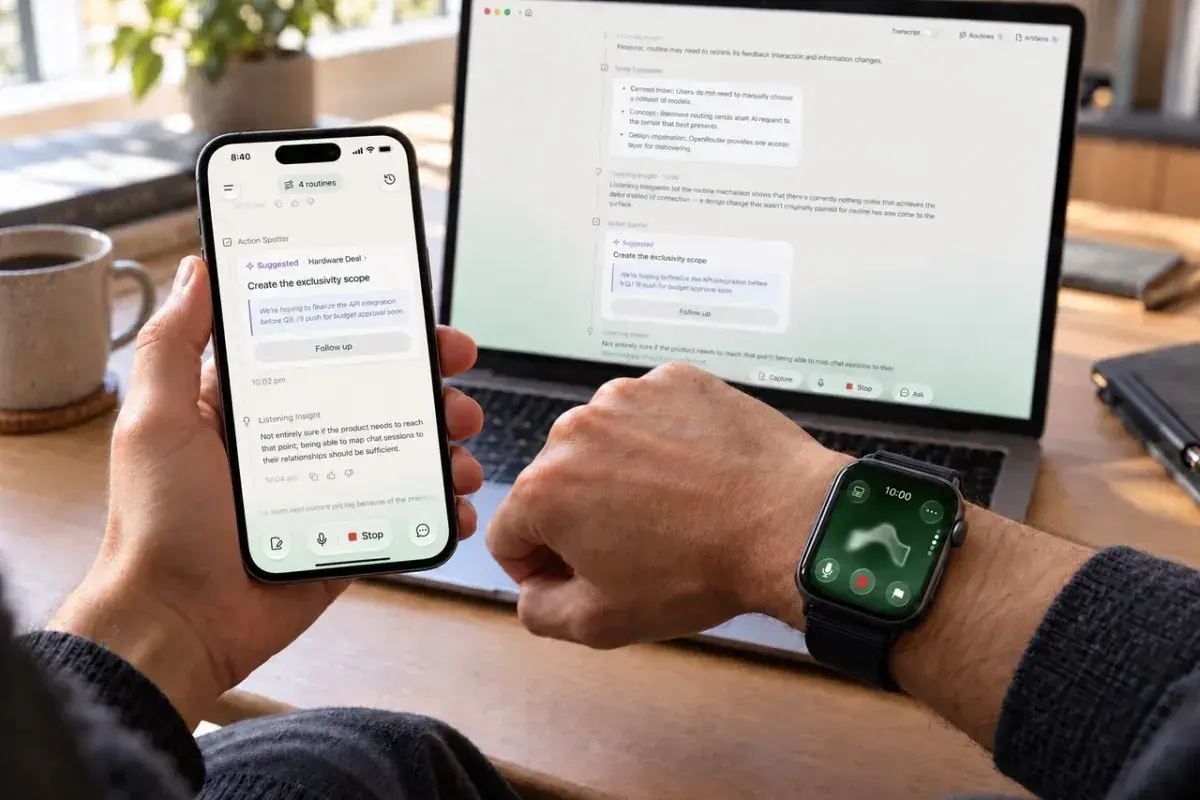
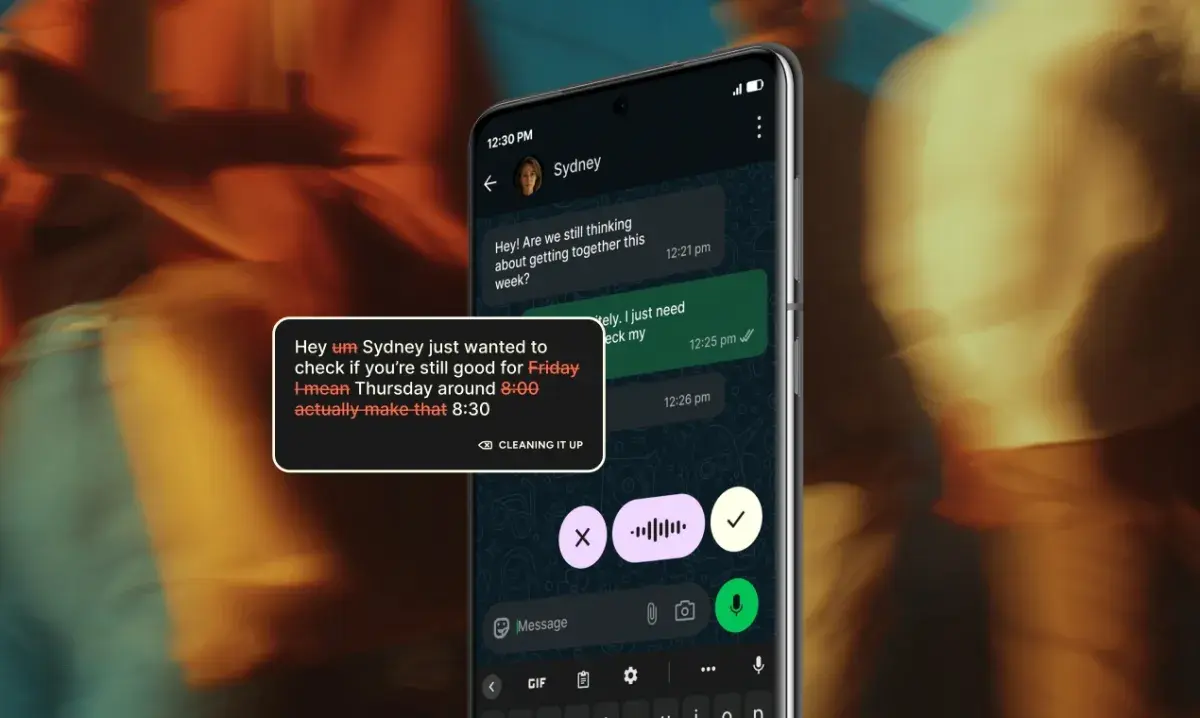
The TwinMind app runs in the background, continuously listening to and processing audio from the user's environment. It transcribes speech in real-time, converting spoken thoughts, meetings, lectures, and conversations into structured memory
1
. This data is then used to generate AI-powered notes, to-do lists, and answers to user queries.
Source: TechCrunch
Key features of the app include:
- Offline functionality with on-device processing
- 16-17 hours of continuous audio capture without significant battery drain
- Optional cloud backup for data recovery
- Real-time translation in over 100 languages
- A Chrome extension for capturing additional context from browser activity
Technical Innovation
TwinMind distinguishes itself from competitors like Otter, Granola, and Fireflies by its ability to capture audio passively in the background throughout the day
1
. To achieve this, the team developed a low-level service in pure Swift that runs natively on iPhones, overcoming Apple's restrictions on background processes.The company recently introduced the Ear-3 model, which supports over 140 languages with a 5.26% word error rate and 3.8% speaker diarization error
2
. This cloud-based model automatically switches to the offline Ear-2 model when connectivity is lost, ensuring continuous functionality.User Base and Target Audience
TwinMind has already attracted over 30,000 users, with about 15,000 active monthly users
1
2
. While the app targets a general audience, its current user base consists of:- 50-60% professionals
- 25% students
- 20-25% personal users
The company has seen traction not only in the U.S. but also in India, Brazil, the Philippines, Ethiopia, Kenya, and Europe
1
.Related Stories


Privacy and Data Security
Addressing potential privacy concerns, TwinMind emphasizes that it does not train its models on user data
1
. The app is designed to work without sending recordings to the cloud, and audio is deleted immediately after transcription. Only the transcribed text is stored locally on the device2
.Pricing and Future Plans
TwinMind offers a free version with unlimited transcription and on-device speech recognition. A Pro subscription is available at $15 per month, providing a 2-million-token context window and 24-hour email support
2
. The company plans to make its Ear-3 API available to developers and enterprises at $0.23 per hour.With a post-money valuation of $60 million, TwinMind aims to expand its team, enhance user experience, and grow API adoption
2
. As the startup continues to innovate in the AI-powered productivity space, it represents a significant development in personal knowledge management and AI assistance.References
Summarized by

Navi
[1]
Related Stories
Recent Highlights
1
Microsoft and Nvidia Launch Surface Laptop Ultra: A $2,599 AI-Ready PC With RTX Spark Chip
Technology

2
Meta Muse AI Agent Surges to 6.6M Downloads Despite Privacy and Security Controversies
Technology

3
Scientists Build AI Model That Reconstructs Images From Brain Scans in Record Time
Science and Research

Recent Highlights
Today's Top Stories











Don’t drown in AI news. We cut through the noise - filtering, ranking and summarizing the most important AI news, breakthroughs and research daily. Follow topics that matter to you and stay ahead.


