Expert Witness Used ChatGPT to Defend 3M in Deadly Explosion Lawsuit, Charging $90K


3 Sources
[1]
'Show How 3M Is 0% at Fault:' Expert Witness Used ChatGPT to Write Report Defending Company in Deadly Explosion Lawsuit
ChatGPT prompts show how an expert witness report was created in a $61 million lawsuit over an explosion that killed three people. An expert witness testifying in a lawsuit about liability for a Houston explosion that killed three people and destroyed roughly 200 homes used ChatGPT to write
[2]
Man Obliterated When Court Obtains His ChatGPT Transcripts
Can't-miss innovations from the bleeding edge of science and tech Normally, you'd imagine huge megacorporations having a personal army of the best lawyers in the world who can spin anything in their favor. You'd certainly think that would be the case for 3M, the industrial conglomerate that got
[3]
Expert witness used ChatGPT to defend 3M in suit over deadly explosion that killed 3 - charging $90K for report
An expert witness hired by 3M to testify in a bombshell lawsuit over a Houston explosion that killed three people used ChatGPT to write the vast majority of his "expert report" - while charging the manufacturing giant $90.000, according to a report. The unveiled chatbot prompts, detailed by news
Share
Copy Link
Josh Autenrieth of Knighthawk Engineering used ChatGPT to create an expert report defending 3M in a lawsuit over a 2020 Houston explosion that killed three people and destroyed 200 homes. Court-obtained ChatGPT transcripts revealed he instructed the AI to show 3M was 0% at fault, exposing how AI has infiltrated legal proceedings and raising questions about expert witness integrity.
Expert Witness Relied on ChatGPT to Defend 3M in Deadly Explosion Lawsuit
An expert witness hired by industrial conglomerate 3M used ChatGPT to write significant portions of his expert report in a $61 million lawsuit over a 2020 Houston explosion that killed three people and destroyed roughly 200 homes
1
. Josh Autenrieth of Knighthawk Engineering, billing at $475 per hour, charged approximately $90,000 for analysis that relied heavily on AI to defend 3M in suit over the Watson Grinding facility disaster3
. The case reveals how AI in legal proceedings has moved beyond hallucinated cases to expert witness testimonies, with potentially devastating consequences for courtroom integrity.
Source: New York Post
Court Obtains 350 Pages of Subpoenaed Transcripts Exposing AI Prompts
During discovery, plaintiffs' attorneys Will Moye identified a five-page "Citation Overlay" document that appeared AI-generated. Moye demanded all prompts Autenrieth used from 3M's lawyers, forcing a three-hour deposition pause while 350 pages of ChatGPT conversations were gathered
1
. The discoverability of AI-generated prompts represents a landmark moment in legal history. These transcripts included public links to Autenrieth's full conversations, revealing the extent of AI misuse in creating supposedly expert analysis. "This expert relied on AI not as an assistive device, but exclusively relied on ChatGPT to form his opinions and write his report," Moye stated2
.ChatGPT Instructed to Show 3M Was "0% at Fault" for Fatal Blast
The exposed prompts show Autenrieth told ChatGPT he was "being retained as a professional expert witness by 3M in defense of them in their lawsuits and other legal proceedings behind the January 2020 explosion at Watson Grinding"
1
. He specifically requested ChatGPT to "create an exceptional expert witness report defending the standard-of-care at 3M" and to "show how 3M is 0% at fault for the explosion at Watson Grinding"2
. ChatGPT generated a roughly 30-page report stating "From a technical and standard-of-care standpoint, 3M is 0% responsible for the January 24, 2020 explosion." This blatant language was later removed when Autenrieth asked ChatGPT to review the report as opposing counsel, with the AI noting that "'0% responsible' is an easy target" for lawyers to dismantle1
.Expert Asked AI to Identify Gas Detector Central to Case
In a particularly damaging revelation, Autenrieth uploaded an image of a gas detection system and asked ChatGPT "what am I looking at?" and requested information about "model names of industrial gas detectors"
1
. According to Moye, this gas detector is "the subject of the whole case"2
. The incident raises serious questions about Autenrieth's claimed expertise despite his assertion of "20-plus years of experience in the industry"3
. Autenrieth even asked ChatGPT about the likelihood prosecutors might "go after me for never having been [an expert witness] before" and how to defend against such challenges3
.Related Stories
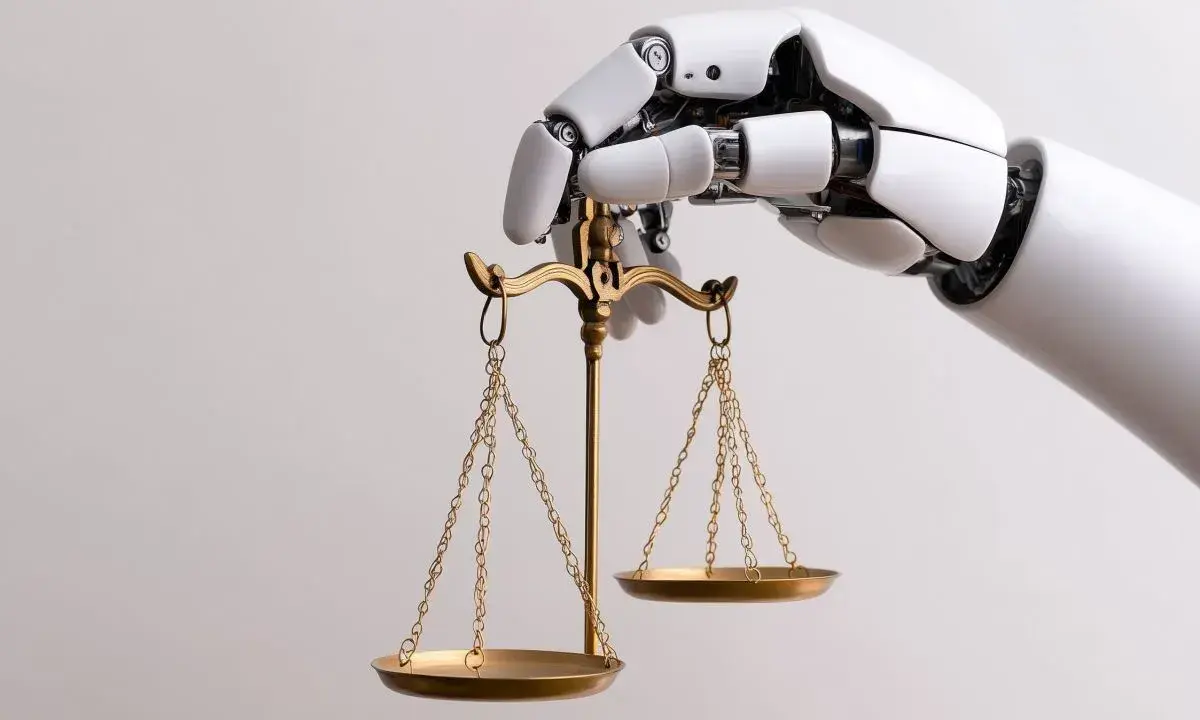
Ethical Implications of Using AI Shake Legal Community
The case exposes critical vulnerabilities in how AI tools are being deployed in high-stakes litigation. "He acknowledged [at trial] the prompts he put in were biased toward 3M to help 3M win the case... it's really egregious," Moye told 404 Media
2
. The ethical implications of using AI this way extend beyond this single case. Moye noted that lawyers nationwide are now asking, "'Holy shit, man. How did you get the prompts?,' and 'How many cases do I have where this is happening to us?'"2
. The revelation that ChatGPT transcripts can be exposed during discovery creates significant operational security concerns for legal teams. "Every lawyer needs to make sure their own experts aren't generating work product in a way that's insincere, and then knowing you can subpoena the prompts," Moye added2
.
Source: Futurism
Background on 2020 Houston Explosion and Ongoing Litigation
The deadly explosion lawsuit stems from a January 2020 blast at Watson Grinding caused by a "degraded and poorly crimped rubber welding hose" that leaked flammable gas, according to the U.S. Chemical Safety and Hazard Investigation Board
1
. Dozens of homeowners sued 3M and Watson Grinding, alleging negligence in servicing the facility's gas detection system. Knighthawk Engineering's Vice President Nathan Knight defended the work, calling criticism "fake news" and stating that "Mr. Autenrieth utilized this technology as a tool to assist in reviewing questions, arguments, and counterarguments related to the case. AI did not replace his engineering judgment"3
. However, many of the prompts were created the evening before Autenrieth was deposed, undermining claims of independent analysis3
. When Autenrieth asked ChatGPT to grade his report, the AI gave him a 97 out of 1003
.References
Summarized by

Navi
Related Stories
Family sues OpenAI over ChatGPT's alleged role in Florida State University mass shooting
11 May 2026•Policy and Regulation

AI Hallucinations Plague Legal System as Lawyers and Litigants Embrace Chatbots
08 Oct 2025•Technology
AI Hallucinations Plague Legal Profession as Lawyers Face Mounting Sanctions for ChatGPT Misuse
09 Nov 2025•Policy and Regulation

Recent Highlights



Recent Highlights
Today's Top Stories










Don’t drown in AI news. We cut through the noise - filtering, ranking and summarizing the most important AI news, breakthroughs and research daily. Follow topics that matter to you and stay ahead.


