AI Hallucinations Plague Legal Profession as Lawyers Face Mounting Sanctions for ChatGPT Misuse


3 Sources
[1]
Lawyers Are Using AI to Slop-ify Their Legal Briefs, and It's Getting Bad
AI is good for a lot of thingsâ€"namely cheating on stuff and pretending like you're more productive than you actually are. Recently, this affliction has spread to a number of professions where you would have thought the work ethic is slightly better than it apparently is. Case in point: lawyers.
[2]
Judge Blasts Lawyer Caught Using ChatGPT in Divorce Court, Orders Him to Take Remedial Law Classes
"In our view, this does not satisfy the requirement of competent representation." Artificial intelligence is here, and it's wreaking havoc on court rooms throughout the US. The latest AI law blunder comes from the Maryland appellate court, where a family lawyer representing a mother in a custody
[3]
Lawyers hit with fines after AI flubs fill their filings: 'They...
Lawyers across the country are getting busted for using AI to write their legal briefs -- and their excuses are even more creative than the fake cases they've allegedly been citing. From blaming hackers to claiming that toggling between windows is just too hard, attorneys are desperately trying to
Share
Copy Link
Lawyers across the US are increasingly facing fines and sanctions for submitting legal briefs containing AI-generated fake case citations and fabricated legal precedents. A database now tracks over 500 cases of AI misuse in legal proceedings, with penalties ranging from $1,000 to $85,000.
Growing Crisis in Legal AI Usage
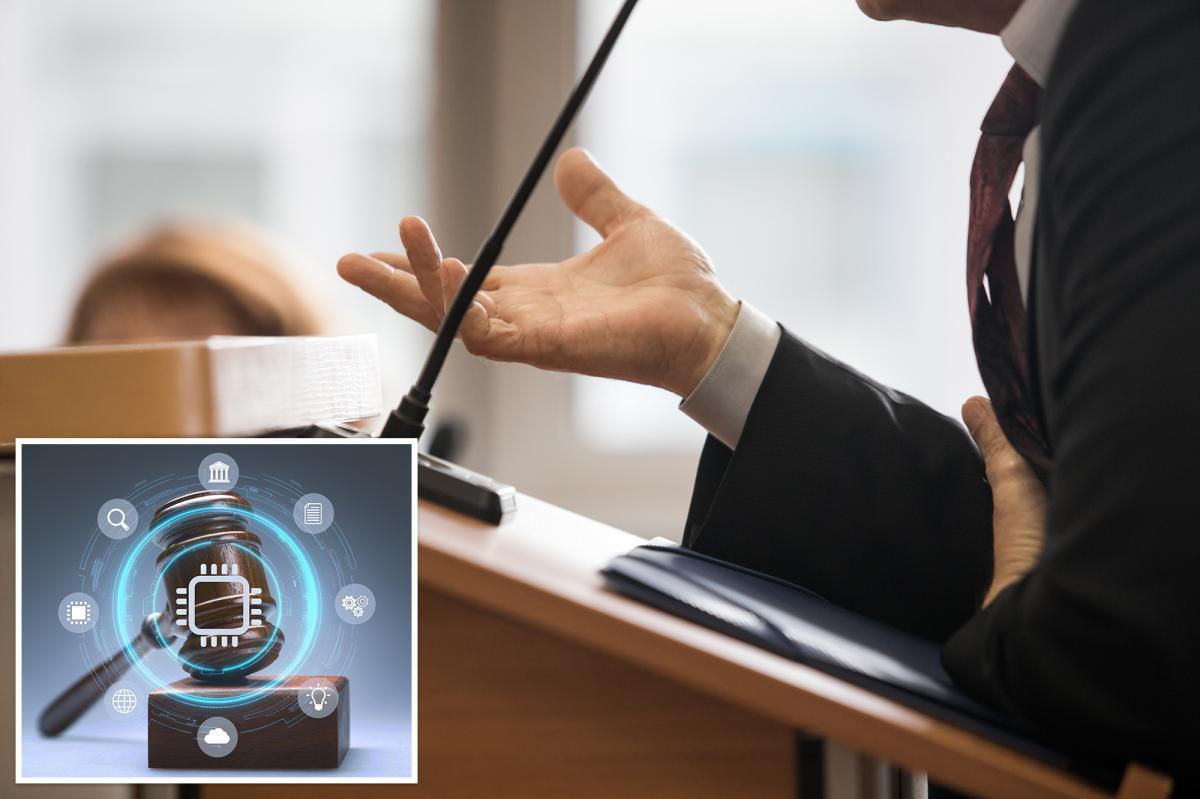
The legal profession is grappling with an unprecedented wave of artificial intelligence misuse as lawyers increasingly rely on chatbots like ChatGPT to generate legal briefs, often with disastrous consequences. According to recent reports, attorneys across the United States are facing mounting sanctions and fines for submitting court documents containing AI-generated fabrications, fake case citations, and non-existent legal precedents
1
.
Source: New York Post
The American Bar Association permits lawyers to use AI in their legal work, but requires them to verify the accuracy of AI-generated content. However, many attorneys are failing to meet this basic professional standard, leading to what legal experts describe as a crisis of competence and ethics in the profession
1
.Database Tracks Escalating Problem
French attorney and researcher Damien Charlotin has created a comprehensive online database documenting instances of AI misuse in legal proceedings. The database has swelled to over 500 documented cases, spanning 11 pages of legal blunders involving artificial intelligence
1
. Charlotin reports that the frequency of these incidents has dramatically increased, accelerating from "maybe a handful a month to two or three a day" since he began cataloguing cases3
.A growing network of lawyers is actively tracking down AI abuses committed by their peers, posting them online in an apparent effort to shame the behavior and alert the public to the widespread nature of the problem
1
.Notable Cases and Escalating Penalties
One of the most significant recent cases involved Maryland family lawyer Adam Hyman, who was caught filing court briefs in a custody battle that contained AI-generated fake legal citations. Maryland appellate Judge Kathryn Grill Graeff issued a scathing opinion, noting that "it is unquestionably improper for an attorney to submit a brief with fake cases generated by AI"
2
. Hyman blamed a law clerk who used ChatGPT without understanding the risks of AI hallucinations, but the judge ruled this did not satisfy the requirement of competent representation2
.Los Angeles attorney Amir Mostafavi faced a $10,000 fine after filing an appeal where 21 of 23 case quotes were completely fabricated by ChatGPT. His defense claimed he only asked the AI to "try and improve" his self-written appeal, unaware it would add fake citations
3
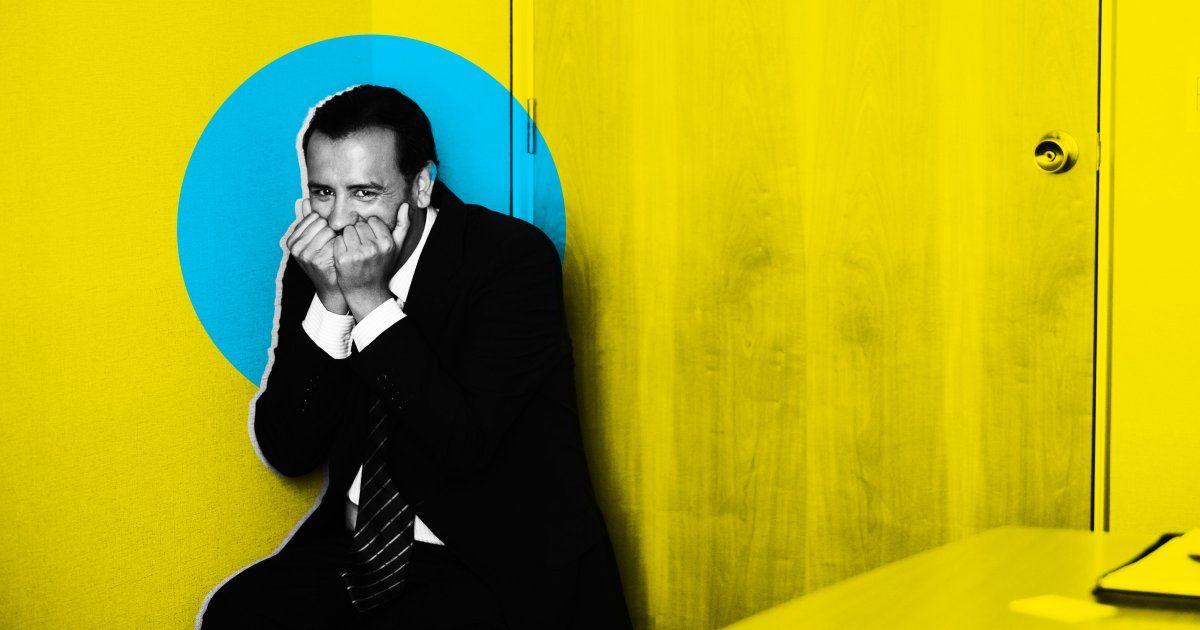
.The penalties are becoming increasingly severe. Florida lawyer James Martin Paul received a staggering $85,000 sanction for "repeated, abusive, bad-faith conduct," with the court noting that reducing the fine "would only benefit serial hallucinators"
3
.
Source: Futurism
Related Stories
Creative Excuses and Judicial Frustration
Lawyers caught using AI improperly have offered increasingly creative excuses for their misconduct. New York City attorney Innocent Chinweze initially blamed Microsoft Copilot for fake citations in his brief, then claimed his computer had been hacked by malware. When Judge Kimon C. Thermos called this an "incredible and unsupported statement," Chinweze changed his story again, claiming ignorance about AI's capacity for fabrication. He was fined $1,000 and referred to a grievance committee
3
.Alabama attorney James A. Johnson blamed his use of AI on the difficulty of using a laptop touchpad while at a hospital with a sick family member. Judge Terry F. Moorer was unimpressed, fining Johnson $5,000 for conduct "tantamount to bad faith"
3
.Judges are expressing mounting frustration with the situation. US Bankruptcy Judge Michael B. Slade wrote bluntly: "At this point, any lawyer unaware that using generative AI platforms to do legal research is playing with fire is living in a cloud"
3
.References
Summarized by

Navi
[2]
[3]
Related Stories
Mississippi Judge Cancels Trial After Lawyers on Both Sides Submit AI-Generated Filings
09 Jun 2026•Policy and Regulation

New York Lawyer's AI Blunder: Using AI to Defend AI Use in Court
15 Oct 2025•Technology
AI Hallucinations in Legal Filings: Morgan & Morgan Warns Lawyers of Consequences
19 Feb 2025•Technology

Recent Highlights



Recent Highlights
Today's Top Stories










Don’t drown in AI news. We cut through the noise - filtering, ranking and summarizing the most important AI news, breakthroughs and research daily. Follow topics that matter to you and stay ahead.


