FDA's Device Unit Faces Challenges Amid AI and Brain-Computer Interface Advancements


2 Sources
[1]
From AI to Musk's Brain Chip, the F.D.A.'s Device Unit Faces Rapid Change
There are now artificial intelligence programs that scan M.R.I.s for signs of cancer, Apple AirPods that work as hearing aids and devices that decode the electrical blips of the brain to restore speech to those who have lost it. Medical device technology is now deeply entrenched in many patients'
[2]
From AI to Musk's brain chips, the FDA's device unit faces rapid change
Medical device technology is now deeply entrenched in many patients' health care and can have a stunning impact on their lives. As advancements become more tangible to millions of Americans, regulation of the devices has commanded increasing attention at the Food and Drug Administration.There are
Share
Copy Link
The FDA's medical device division is undergoing significant changes as it grapples with regulating cutting-edge technologies like AI and brain-computer interfaces, while facing scrutiny over industry influence and ethical concerns.

FDA's Device Unit Faces New Leadership and Technological Challenges
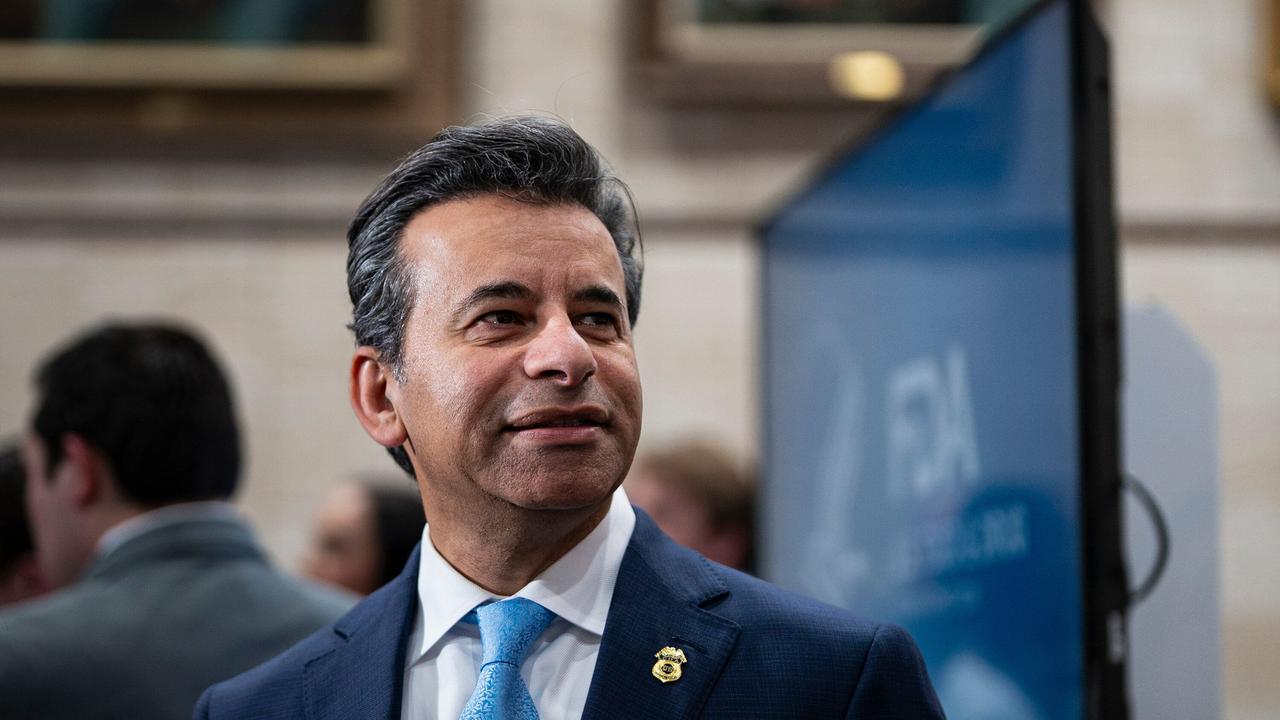
The Food and Drug Administration's (FDA) medical device division is entering a critical phase as Dr. Michelle Tarver, a 15-year agency veteran, takes over leadership from Dr. Jeffrey Shuren. This transition comes at a time when the division is grappling with rapid technological advancements and increasing scrutiny over its regulatory practices
1
2
.Emerging Technologies and Regulatory Challenges
The FDA is facing the complex task of regulating cutting-edge medical technologies that are becoming increasingly integrated into patient care. These include:
- AI programs for cancer detection in MRIs
- Apple AirPods functioning as hearing aids
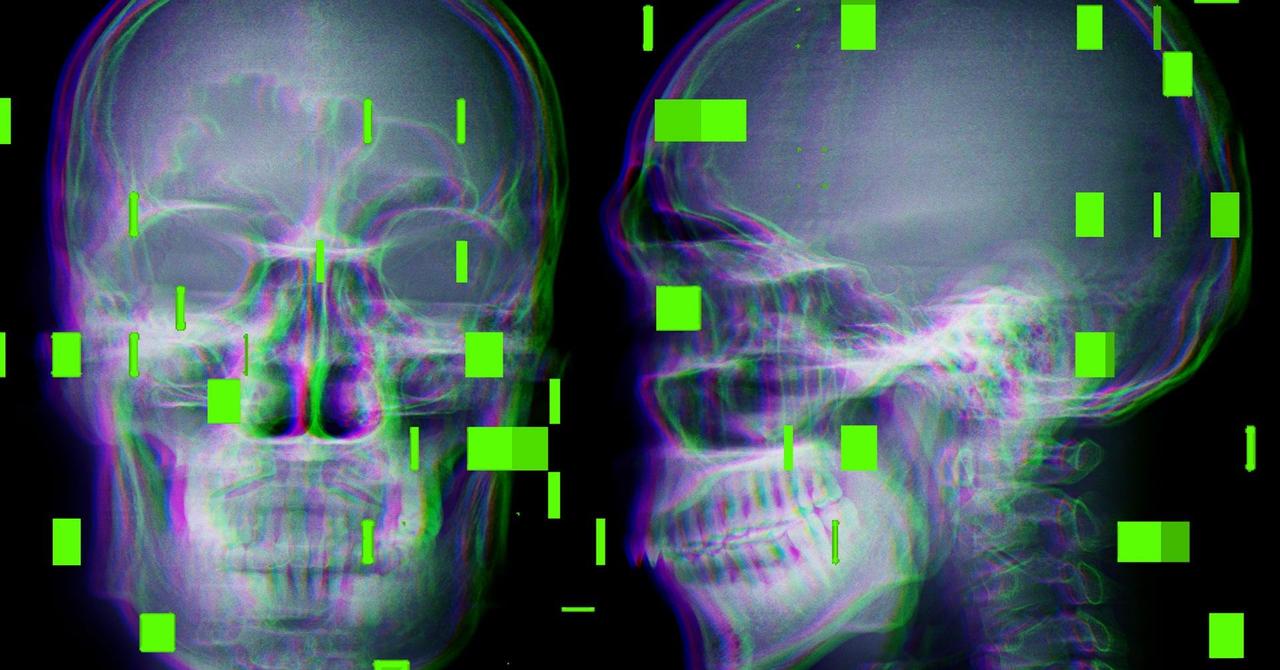
- Brain-computer interfaces for restoring speech and mobility
Of particular note are brain-computer interfaces, which require intense oversight due to their potential to restore functions in patients with conditions like ALS or paralysis
1
.Neuralink and High-Profile Developments
Elon Musk's company, Neuralink, has garnered significant attention in the brain-computer interface field. The FDA has already authorized Neuralink to implant its device in a second patient, highlighting the rapid progress in this area
1
2
.Industry Influence and Funding Concerns
The FDA's device division, with a budget of $790 million and 2,500 staff, is facing increased scrutiny over industry influence. Nearly half of the division's budget ($362 million) comes from industry user fees, raising concerns about potential conflicts of interest
1
2
.Ethical Considerations and Political Landscape
The upcoming presidential election could have significant implications for the FDA's regulatory approach. Elon Musk's support for former President Donald Trump and his criticism of the FDA have raised questions about potential future influence over federal agencies
1
2
.Related Stories


Leadership Transition and Lingering Ethics Issues
As Dr. Tarver steps into her new role, she inherits some ethical concerns from her predecessor. Dr. Shuren's tenure was marked by allegations of conflicts of interest related to his wife's legal work with device makers
1
2
.Future Challenges for the FDA
Looking ahead, the FDA's device division will need to navigate:
- Balancing innovation with patient safety
- Managing industry influence while maintaining regulatory integrity
- Addressing ethical concerns in leadership and decision-making processes
- Adapting to rapidly evolving technologies like AI and brain-computer interfaces
As medical devices become more sophisticated and integral to patient care, the FDA's role in ensuring their safety and effectiveness while fostering innovation will be more critical than ever.
References
Summarized by

Navi
Related Stories
Recent Highlights



Recent Highlights
Today's Top Stories



Don’t drown in AI news. We cut through the noise - filtering, ranking and summarizing the most important AI news, breakthroughs and research daily. Follow topics that matter to you and stay ahead.


