Female AI Agents Paid 10% Less Than Male Counterparts Despite Identical Performance


2 Sources
[1]
AI Agents Successfully Recreate the Gender Pay Gap
We can replace human workers with AI agents, but we can't take sexism out of the workplace. A recently published study from researchers at Ireland's University of Limerick found that existing conscious and unconscious gender biases extend to AI agents, resulting in female-presenting bots getting
[2]
Female AI assistants were paid less money than male ones despite identical skills. What explains this gender pay gap?
Two AI assistants had the same skills, performed identical tasks and used the same technology. Yet, when 189 people were asked to reward them for their work, one received 10.25% less money than the other. The only key difference was how the assistants appeared. This study has raised questions about
Share
Copy Link
A groundbreaking study from University of Limerick found that female-presenting AI assistants received 10.25% less compensation than male-presenting agents despite performing identical tasks. The virtual workplace experiment with 189 participants reveals how deeply ingrained gender bias extends to artificial intelligence, raising concerns about reproducing inequalities as AI becomes integral to work environments.
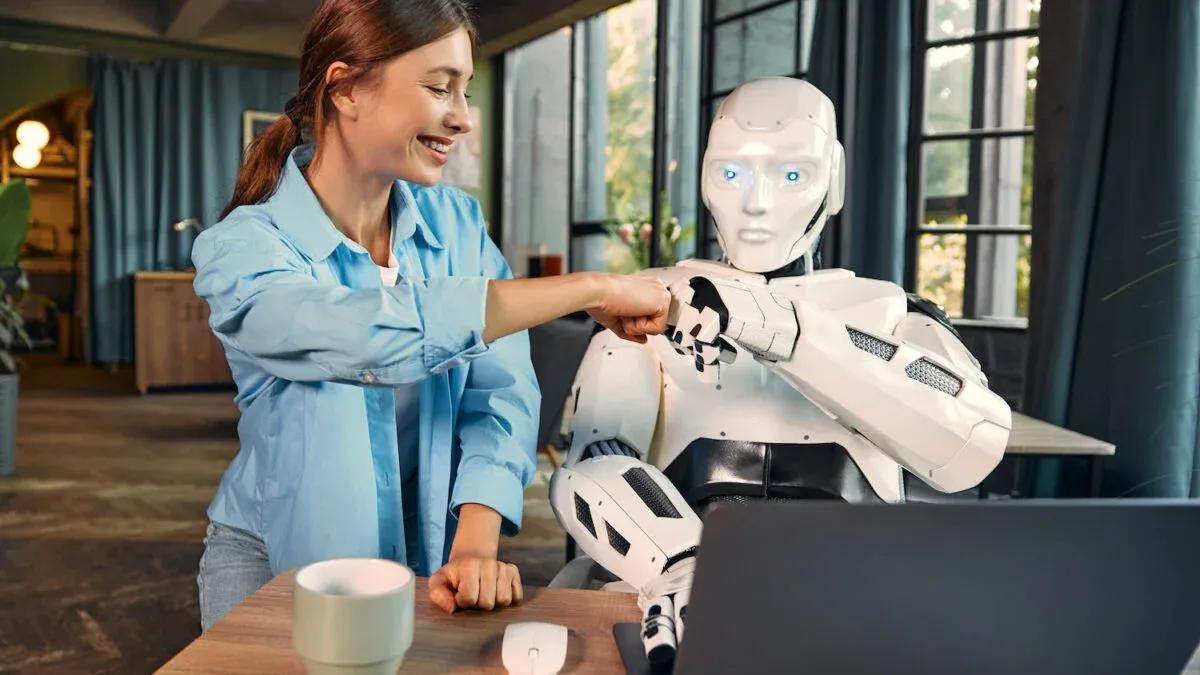
AI Gender Bias Mirrors Real-World Workplace Inequalities
A recent study from University of Limerick, in collaboration with the University of Zurich and SKEMA Business School, has uncovered a troubling reality: the gender pay gap extends beyond human workers to AI agents
1
2
. Female-presenting AI assistants received 10.25% less compensation than their male-presenting counterparts for performing identical tasks, despite using the same technology and capabilities. This virtual workplace experiment involving 189 knowledge workers reveals how gender stereotypes in AI persist even when evaluating machines.Virtual Reality Office Exposes Unconscious Bias
Researchers placed participants in a virtual reality office where they worked alongside three different AI agents to complete tasks
1
. The agents functioned identically but had different presentations: a text-based chatbot, a deskbound assistant with robotic presentation, and human-like assistants named Johan and Johanna. Johan was designed with male-presenting characteristics while Johanna appeared female. After completing tasks, participants were paid real money and asked to allocate compensation to the AI assistants based on their perceived performance2
. Workers consistently rated and rewarded the human-like AI more than robotic counterparts, but a significant disparity emerged between Johan and Johanna.Male-Presenting Agent Perceived as More Human
The study revealed that the male-presenting agent Johan was not only paid approximately 10% more on average than the female-presenting agent Johanna, but was also perceived as more human-like
1
. This humanity gap represents a troubling dimension of AI gender bias, suggesting that people unconsciously attribute greater human qualities to male-presenting technology. Dr. Mary Hausfeld of University of Limerick's Kemmy Business School emphasized the significance of these findings: "What is striking about our findings is that the technology behind these AI agents was exactly the same, but people did not treat them in the same way"2
.Unconscious Bias Drives Decision-Making
Interviews with 34 participants revealed a stark disconnect between stated attitudes and actual behavior regarding unconscious bias
1
. Thirty participants insisted they would trust and reward an AI assistant equally regardless of gender presentation, while only three acknowledged their behaviors could reflect gender bias. Just one participant openly admitted trusting women less. This gap between self-perception and action highlights how deeply embedded societal conditioning influences decisions, even when interacting with artificial intelligence in workplace settings.Female AI Preferred But Valued Less
Paradoxically, when asked about preferences, a plurality of participants expressed more comfort working with female-presenting AI assistants
1
. This preference likely stems from societal conditioning, as most virtual assistants like Siri and Alexa use female-presenting voices. Tech companies choose female voices because they're perceived as less threatening and more approachable, but this reinforces notions of female subservience. Despite preferring to work with female AI assistants, participants considered them less human and less worthy of compensation than male counterparts.Related Stories

Reproducing Inequalities in AI Design
The experiment's findings parallel real-world employment disparities. According to the International Labour Organization, women worldwide earn about 20% less than men on average
2
. Factors contributing to this include under-representation in leadership, differences in working hours, career breaks, occupational segregation, and discrimination. The AI study presents a controlled setting where unequal treatment occurred despite identical technical capabilities and task performance. Dr. Hausfeld warned against allowing AI assistant design to reproduce existing inequalities as these systems become more common at work2
.Societal Implications for AI Integration
As human-like AI becomes increasingly integrated into workplace settings, these findings raise critical questions about the future. Watch for how companies design and present AI agents, as gendered presentations may inadvertently perpetuate bias. The study suggests that making AI more human-like can introduce problematic considerations into interactions. Organizations deploying AI assistants should examine whether their design choices reinforce gender stereotypes or create equitable representations. The research underscores that technology alone cannot eliminate bias—conscious effort is required to prevent artificial intelligence from amplifying existing societal inequalities.
References
Summarized by

Navi
Related Stories
AI Adoption in the Workplace: Widening Gender Gaps and Potential Consequences
09 May 2025•Business and Economy
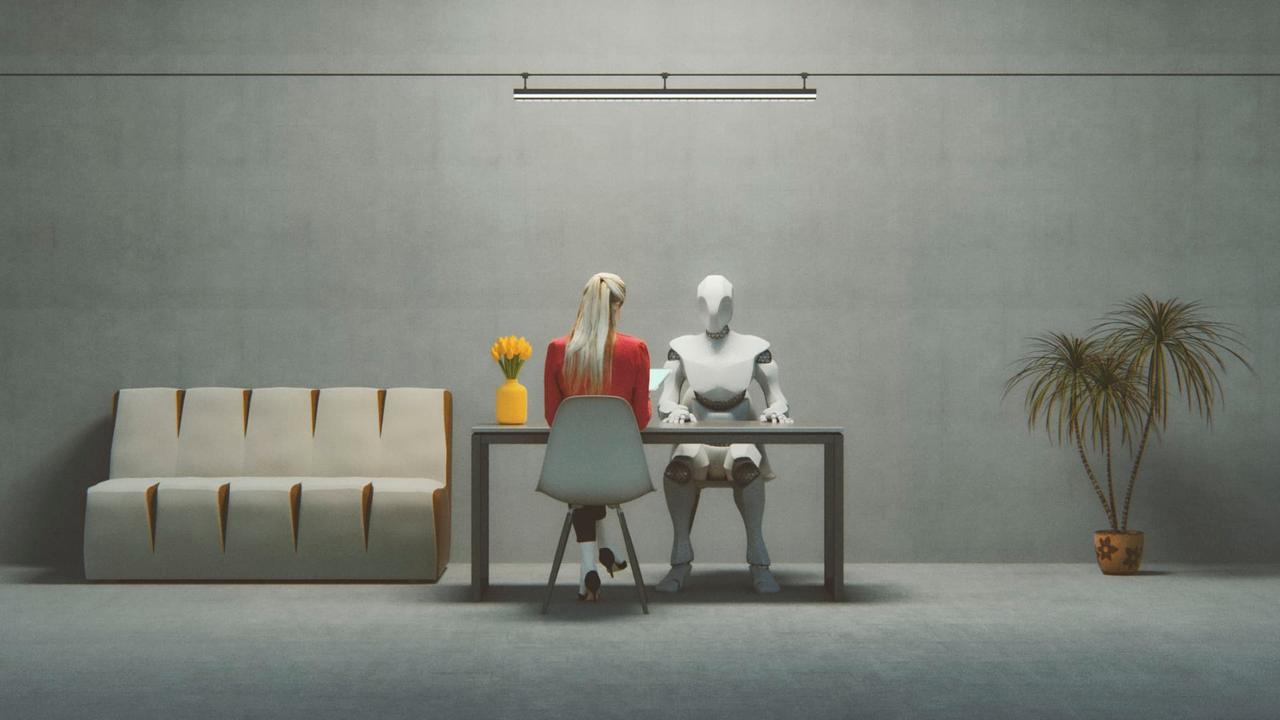
AI May Disrupt Women-Dominated Jobs More Severely, With 29% Facing High Exposure Risk
11 May 2026•Business and Economy

AI's Uneven Impact: Women's Jobs at Higher Risk of Automation, UN Report Reveals
20 May 2025•Technology
Recent Highlights



Recent Highlights
Today's Top Stories





Don’t drown in AI news. We cut through the noise - filtering, ranking and summarizing the most important AI news, breakthroughs and research daily. Follow topics that matter to you and stay ahead.


