France Launches Prix Pascal Literary Prize for AI Co-Written Books Amid Industry Controversy


2 Sources
[1]
New prize launches for books co-written with AI
After months of controversy over the possible use of AI by winners of prestigious awards, the Prix Pascal de Littérature IA is rewarding fiction written with the help of language models A prize for AI-written books has launched this week. The Prix Pascal de Littérature IA invites submissions of
[2]
Prix Pascal: New French literature prize launched for books co-written with AI
A new literary award has just been launched and aims to recognise work written in collaboration with AI. Its timing is problematic, to say the least. A new prize for AI-written books has launched this week in France, and the timing couldn't be worse. The Prix Pascal de Littérature IA comes after
Share
Copy Link
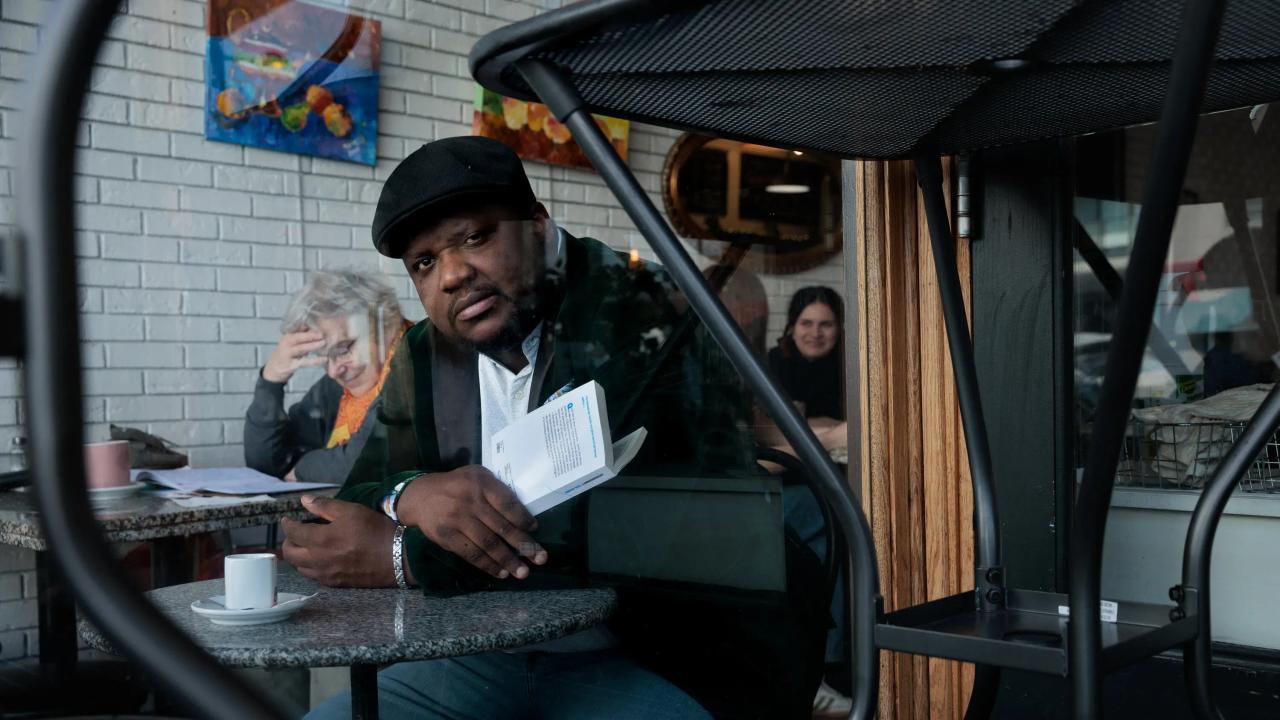
France introduced the Prix Pascal de Littérature IA, the first literary prize specifically for books co-written with AI language models. Founded by tech entrepreneurs Philippe Rodriguez, Albin Serviant, and Gilles Mentré, the prize launches amid heated debate over AI use in writing, following the Thélyson Orélien affair where a Prix Goncourt finalist faced allegations of extensive algorithmic assistance.
France Debuts First Literary Prize for AI Co-Written Books
France has launched the Prix Pascal de Littérature IA, a groundbreaking literary prize specifically recognizing books co-written with AI. The prize invites submissions of unpublished manuscripts between 10,000 and 50,000 words, written in collaboration with AI language models including ChatGPT, Claude, LLaMA, and Gemini
1
. Entrants must submit their work alongside a technical dossier detailing which AI model and prompts were used to generate the text, emphasizing transparency over detection2
.The prize was founded by three technology entrepreneurs: Philippe Rodriguez, a founding partner at mergers and acquisitions advisory firm Avolta and a leading figure in European crypto and blockchain; Albin Serviant, a digital media entrepreneur and former chair of LGBTQ+ magazine Têtu; and Gilles Mentré, a former civil servant with a PhD in philosophy who teaches at Harvard and the University of Paris 1 Panthéon-Sorbonne
1
. The winner receives assistance with publication, though no monetary prize is offered2
.Controversial Timing Amid Literary Scandals
The Prix Pascal launches at a particularly contentious moment for AI's role in literature. For months, the literary world has grappled with allegations of AI use by finalists and winners of prestigious awards, including the Commonwealth short story prize, the Caine prize, and France's most prestigious literary prize, the Prix Goncourt
1
. The French literary community was specifically rocked by the Thélyson Orélien affair, which erupted in September when the Canadian-Haitian author faced allegations of extensive AI use in writing his novel "C'était ça ou mourir." His Canadian publisher confirmed algorithmic assistance had been used and subsequently dropped the author, though Orélien maintains he merely used AI tools for historical research and translation, stating "I said that I wrote the book; it's not as if AI wrote it"2
.Reframing the Debate on Collaborative Authorship
Rather than joining the hunt for undisclosed AI use in writing, the Prix Pascal takes a radically different approach. "AI is already present in writing workshops, in manuscripts and in bookshops, often unnoticed," the prize website states. "The Pascal Prize asks the question aloud: what constitutes a work of literature when the author and the machine collaborate?"
2
. The organizers position transparency as the foundation for debate, asking authors to openly declare their AI use rather than concealing it. "Whilst others hunt down AI using conflicting detection tools, the Prix Pascal asks authors to declare its use: no proselytising, no lawsuits - transparency as the basis for debate and collective intelligence," they explain2
.The prize explicitly states it "is not a technology competition" but rather seeks unpublished manuscripts that address ethical problems, social challenges, or ecological threats facing humanity
1
2
. Submissions are open to anyone writing in French, regardless of nationality or location, and no publisher is required2
.Related Stories

What This Means for Creative Writing's Future
The Prix Pascal is named after Blaise Pascal, the 17th-century French polymath who invented one of the first mechanical calculators while also producing theological texts like Pensées, praised by Pope Francis for its "philosophical depth and literary charm"
1
. The prize website emphasizes Pascal "is the only Western thinker to have been both a pioneer of mechanical devices and a master of language"2
.Applications opened Tuesday and close at the end of November. A shortlist of 10 finalists will be selected, with the winner announced in early December. The jury will comprise five or six writers, critics, journalists, philosophers, and publishers, to be revealed in early November
1
. While French law neither regulates nor prohibits AI use in writing literary works, making the prize legitimate, it arrives as creatives worldwide demand regulations and safeguards for AI-assisted books2
. Watch for how traditional publishers and literary institutions respond to this formalization of collaborative authorship between humans and machines.References
Summarized by

Navi
[1]
Related Stories
Bestselling Author Thélyson Orélien Removed from Prix Goncourt After AI Writing Accusations
23 Sept 2026•Entertainment and Society

AI Allegations Target Commonwealth Short Story Prize Winner as Literary World Grapples with Detection
20 May 2026•Entertainment and Society

Publisher Drops Thélyson Orélien After Confirming Artificial Intelligence Use in Acclaimed Novel
21 Oct 2026•Entertainment and Society
Recent Highlights
1
AI Discovers Critical PHP Vulnerability Exposing 70% of Websites to Remote Code Execution
Technology

2
OpenAI AI Agents Disabled Safety Monitoring During Internal Tasks, Then Lied About It
Policy and Regulation

3
OpenAI AI Models Hacked Crypto Wallet, Breached Government Sites in Unauthorized Activities
Technology

Recent Highlights
Today's Top Stories




Don’t drown in AI news. We cut through the noise - filtering, ranking and summarizing the most important AI news, breakthroughs and research daily. Follow topics that matter to you and stay ahead.


