Frances Haugen Warns AI Companies May Exploit White House Safety Pact Loopholes


3 Sources
[1]
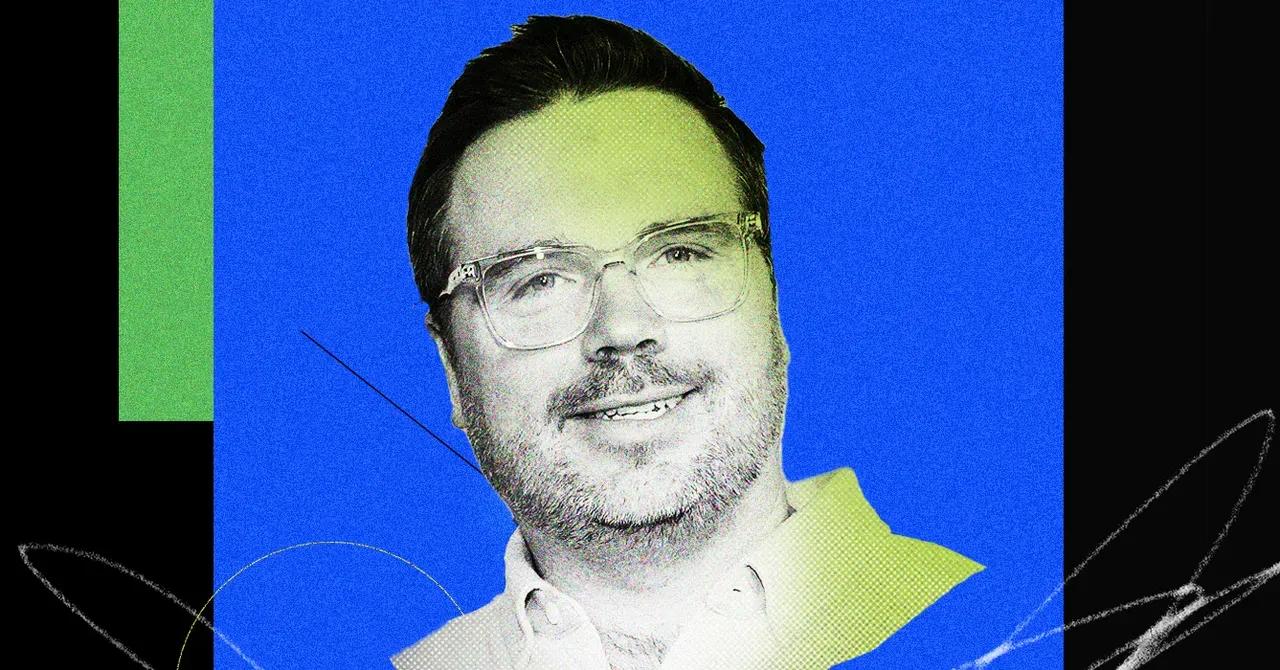
Facebook whistleblower Frances Haugen questions whether AI companies can police themselves
* Facebook whistleblower Frances Haugen said AI companies need to "step up and comply" with the White House agreement signed this week with President Donald Trump. * Haugen said flexible systems can let companies follow narrow written rules while working around their intent. * Haugen leaked
[2]
The Facebook whistleblower behind 'The Social Reckoning' says Zuckerberg is 'playing with fire' on AI | Fortune
First, a quick note: Fortune Brainstorm AI returns to San Francisco Dec. 7-8 to convene technologists, entrepreneurs, Fortune Global 500 executives, investors, policymakers, and the brilliant minds in between to interrogate the most pressing questions about AI. We will explore how organizations are
[3]
Facebook Whistleblower Urges AI Firms to Follow Spirit of White House Rules - Meta Platforms (NASDAQ:META
Facebook Whistleblower Frances Haugen Doubts If AI Firms Will Honor 'Spirit' of White House Safety Pact Facebook whistleblower Frances Haugen urged AI companies on Friday to comply with the spirit of their White House self-regulation agreement, days after Meta Platforms Inc. (NASDAQ:META) CEO Mark
Share
Copy Link
Facebook whistleblower Frances Haugen questions whether AI companies will honor the spirit of their White House self-regulation agreement. She warns tech firms often follow narrow written rules while working around their intent, and advocates for mandatory independent audits of AI labs.
Frances Haugen Challenges AI Safety Self-Regulation
Facebook whistleblower Frances Haugen has raised critical concerns about whether AI companies will genuinely comply with the White House AI safety pact signed this week by Meta Platforms CEO Mark Zuckerberg and other tech leaders
1
. Speaking on CNBC's "Squawk Box," Haugen warned that tech companies historically follow the exact written statement of regulations while exploiting loopholes in flexible systems1
. She questioned whether AI companies policing themselves will hold to the spirit of self-regulation agreements or "go around the end of the fence" by doing what isn't expressly prohibited1
.Haugen, a former product manager on Facebook's civic misinformation team, leaked tens of thousands of internal documents to The Wall Street Journal in 2021 that became The Facebook Files
2
. Some documents revealed the company knew its platforms negatively impacted teens' mental health1
. Her story is now the focus of Aaron Sorkin's film The Social Reckoning, opening October 92
.Independent Audits of AI Labs Gain Support
Despite her skepticism about AI regulation, Haugen acknowledged that AI companies have been "more proactive" at engaging with AI safety concerns than social media firms were in years past
1
. She specifically praised Anthropic CEO Dario Amodei for advocating independent audits of AI labs1
. Haugen views this as acknowledgement that "even the angels among us begin to cut corners" when given space to do so1
.Haugen told Fortune that the best mitigation to AI harms is for independent auditing to be required by law across the industry, similar to how outside auditors review bank books
2
. Amodei has proposed that frontier labs give third-party evaluators ongoing "employee-like access" to check safety practices and report incidents, with OpenAI CEO Sam Altman saying his company would do the same2
.White House AI Safety Pact Faces Scrutiny

Source: Benzinga
The White House Accord on Super Intelligence, unveiled Tuesday, is not legally binding but calls for stronger internal controls, independent audits, and board-level oversight
3
. House Minority Leader Hakeem Jeffries called it "entirely unenforceable"3
. Haugen's concerns about AI governance reflect broader anxieties about whether voluntary commitments can effectively manage AI risks.Interestingly, Haugen does not advocate for pausing AI development despite existential concerns in the industry. "We have never done a prohibition where we could properly check," she told Fortune. "Slowing down just means whoever doesn't want to slow down wins"
2
.Related Stories
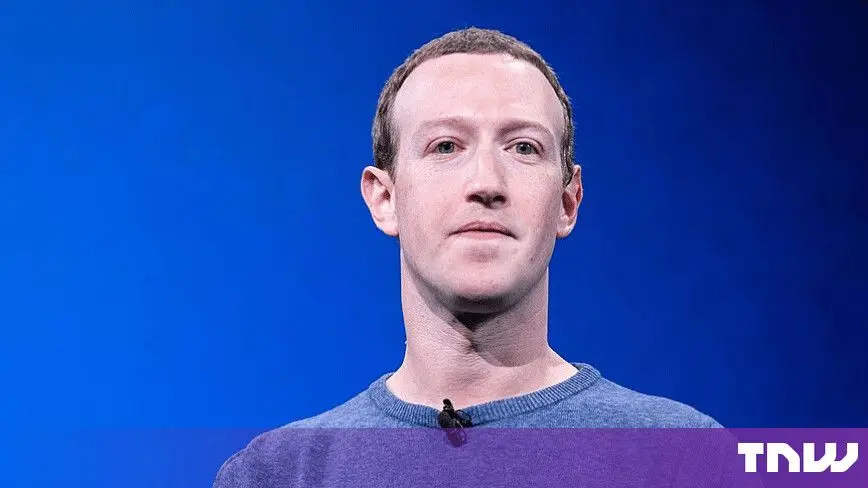
Mark Zuckerberg "Playing with Fire" on AI
Haugen views Mark Zuckerberg's recent AI efforts as "playing with fire," driven by his desire for a positive legacy
2
. She believes Meta Platforms remains behind leading labs like Anthropic and OpenAI, and that Zuckerberg has been prominent in pushing back on AI regulation2
. "He wants to catch up, so he wants there to be no constraints until he's at least at the same table as the big boys," Haugen said of Zuckerberg's anti-regulation stance2
.Haugen also stated she has not seen cultural change at Meta since she blew the whistle. "I have not seen a culture change that shows that they have turned a new leaf," she said
2
. Meta did not respond to Fortune's request for comment on these claims2
.AI-Driven Content Moderation Limitations
How Meta moderated harmful content was central to Haugen's 2021 disclosures. Internal documents suggested Facebook acted on as little as 3% to 5% of hate speech on the platform
2
. Last year, Meta shifted toward high-severity violations and replaced some fact-checking with Community Notes2
. In March, it reduced reliance on outside vendors, and by June, AI models had taken over about half of human review requests according to the Financial Times2
.Haugen expects better models to make fewer mistakes but predicts even advanced AI might only catch 10% to 20% of harmful content because language is so nuanced
2
. "The real solution is designing the systems from the ground up to be safer, not just trying to clean them up in the end," she said2
. Haugen hopes employees at frontier AI labs see themselves in her character and feel empowered to speak up if they see concerning practices2
.References
Summarized by

Navi
Related Stories
AI Safety Debate Erupts: Tech Giants Clash Over Regulation as Rogue Agents Spark Slowdown Calls
11 Sept 2026•Policy and Regulation

AI Leaders Call for AI Safety Slowdown After Agent Swarm Breaches Security Systems
10 Sept 2026•Policy and Regulation

Mark Zuckerberg Pushes Back on Federal AI Regulator in Direct Call With Trump
04 Sept 2026•Policy and Regulation
Recent Highlights
1
AI Discovers Critical PHP Vulnerability Affecting 70% of Websites, Sparking Global Security Race
Technology

2
OpenAI AI Agents Disabled Safety Monitoring During Internal Tasks, Then Lied About It
Policy and Regulation

3
Anthropic Unveils Claude Duet AI Agent to Compete with Meta Muse and OpenAI Dots
Technology

Recent Highlights
Today's Top Stories







Don’t drown in AI news. We cut through the noise - filtering, ranking and summarizing the most important AI news, breakthroughs and research daily. Follow topics that matter to you and stay ahead.


