Fujifilm to Increase Magnetic Tape Production Fivefold as AI Storage Demand Surges


5 Sources
[1]
Fujifilm to boost tape production 5x as AI fuels archiving demand
Low costs and offline security mean magnetic tape still has a job. In an announcement released Thursday, Fujifilm said it will invest roughly 10 billion yen (about $63 million) to increase its production capacity fivefold for an unlikely beneficiary of the AI era: magnetic tape. Fujifilm
[2]
Fujifilm plans 5x production boost of 100TB magnetic storage tapes driven by skyrocketing AI storage demand -- $63 million injection is the largest investment in tape for 20 years
The move will see the company's largest investment in tape-based data center storage medium in the last two decades. Fujifilm plans to boost production of magnetic tape by as much as 5x as it works to keep up with demand for the data storage medium that has seen a jump in popularity amid ongoing
[3]
Tape is so not dead that Fujifilm will increase production capacity 5x
Japan's Fujifilm has decided the tape market has so much upside that it needs to boost production of its Linear Tape-Open (LTO) products by five times. LTO is the sole surviving non-proprietary tape format and is kept alive by HPE, IBM, and Quantum Corp, who head the LTO Program. As The Register
[4]
Fujifilm to raise data tape production fivefold as AI drives storage demand
AI data centres are creating a growing need for storage, and Fujifilm is betting that one of the oldest technologies in the business still has a place in the future. The Japanese company will invest ¥10 billion (€56 million) to increase its magnetic tape production capacity fivefold. The
[5]

Magnetic tape storage is seeing a second lease of life thanks to AI -- and now its largest manufacturer is planning a huge ramp-up in production
* Fujifilm plans to multiply magnetic tape production fivefold by fiscal 2028 * The company is committing ¥10 billion ($63.3 million) to its Odawara plant expansion * Offline tape copies can reduce exposure to remote cyberattacks on networked systems Fujifilm has revealed plans to increase its
Share
Copy Link
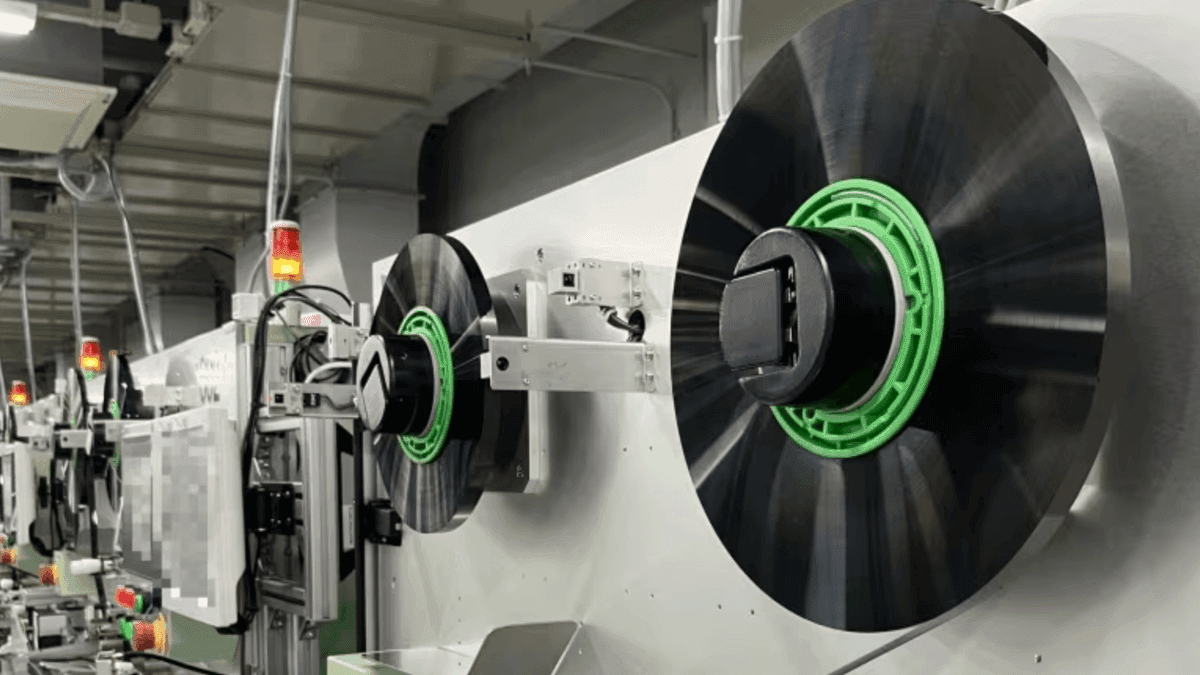
Fujifilm announced a $63 million investment to boost magnetic tape production capacity fivefold by fiscal 2028, marking its largest tape facility investment in 20 years. The expansion at its Odawara plant responds to surging AI storage demand, with cloud providers and data centers increasingly adopting LTO Ultrium10 tapes for cost-effective, secure data backup and archiving.
Fujifilm Commits $63 Million to Expand Magnetic Tape Production
Fujifilm announced Thursday it will invest approximately ¥10 billion ($63 million) to increase magnetic tape production capacity fivefold at its Kanagawa Factory, Odawara site
1
. This expansion, measured against fiscal year 2025 production levels, represents the company's largest investment in dedicated LTO tape facilities in roughly 20 years2
. The project will run from fiscal years 2026 through 2028, funding manufacturing expansion and additional personnel primarily to produce the latest-generation FUJIFILM LTO Ultrium10 tape1
.
Source: TechRadar
The Japanese company attributes this fivefold production increase directly to AI storage demand. Fujifilm stated that the rapid spread of generative AI is driving exponential growth in data volumes worldwide, creating urgent needs for secure and efficient storage environments
3
. The investment targets production of advanced tapes with capacities reaching 100TB each, positioning magnetic tape as a critical solution for AI data center storage infrastructure2
.Why Magnetic Tape Remains Essential for Data Backup and Archiving
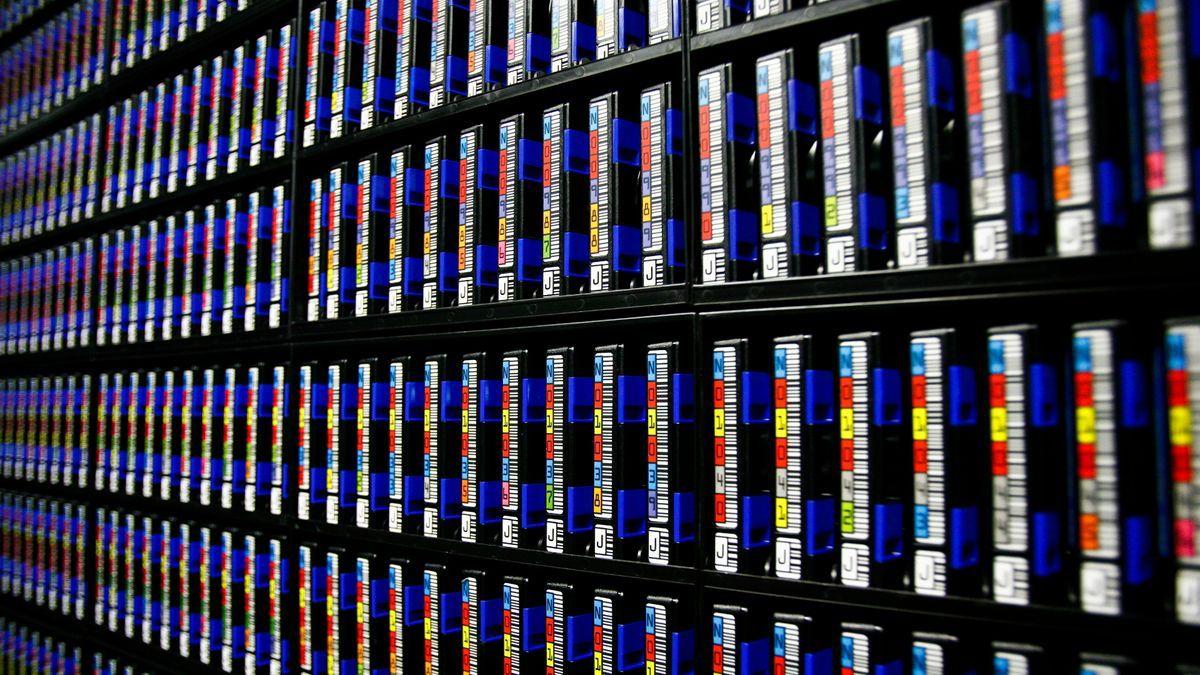
While mainstream consumers abandoned tape decades ago, major cloud service and data center operators have been expanding their use of magnetic tape because it stores large data volumes at relatively low cost
1
. Magnetic tape storage can cost as little as one-quarter that of hard disks, and considerably less compared to faster SSDs2
. According to Fujifilm's analysis with Brad Johns Consulting, tape storage costs approximately 1 cent per GB, compared with 3-3.5 cents per GB for raw HDD storage, representing potential savings of 67-71%5
.
Source: Tom's Hardware
Tape excels as a solution for cold data storage—information that is rarely accessed but remains mission-critical and must be stored safely
2
. Research shows magnetic tape is also less polluting than hard disks and SSDs, making it an energy-efficient storage option2
. Toshinari Fujii, senior vice president of Fujifilm Europe's advanced materials division, emphasized that resilient data infrastructure must support not only creation and processing of information, but also its secure storage, preservation and recovery—for which tape is the ideal scalable, cost-saving, energy-efficient solution4
.Offline Security Protects Against Cyberattacks and Ransomware
Fujifilm highlights a critical advantage of magnetic tape: the ability to air-gap tape cartridges as a last defense for user data
1
. Tape backups can be easily disconnected and stored in a drawer, vault, or separate facility, providing offline security that networked storage cannot match1
. Given the sophistication of cyberattacks, magnetic tape is attracting increasing attention as a means of protecting data from threats such as ransomware1
.Keeping copies offline through air-gapping can reduce exposure to remote attacks on networked systems, though physical damage and mishandling risks remain
5
. Organizations can store enormous quantities of information without keeping the medium continuously connected to computer networks, making tape particularly valuable for data centers, financial institutions and research organizations that must preserve backups for years5
.Related Stories


LTO Ultrium10 Technology and Future Roadmap
Fujifilm's work with magnetic tape dates back to the 1950s, and in 2000, the company released its first LTO Ultrium storage tape
1
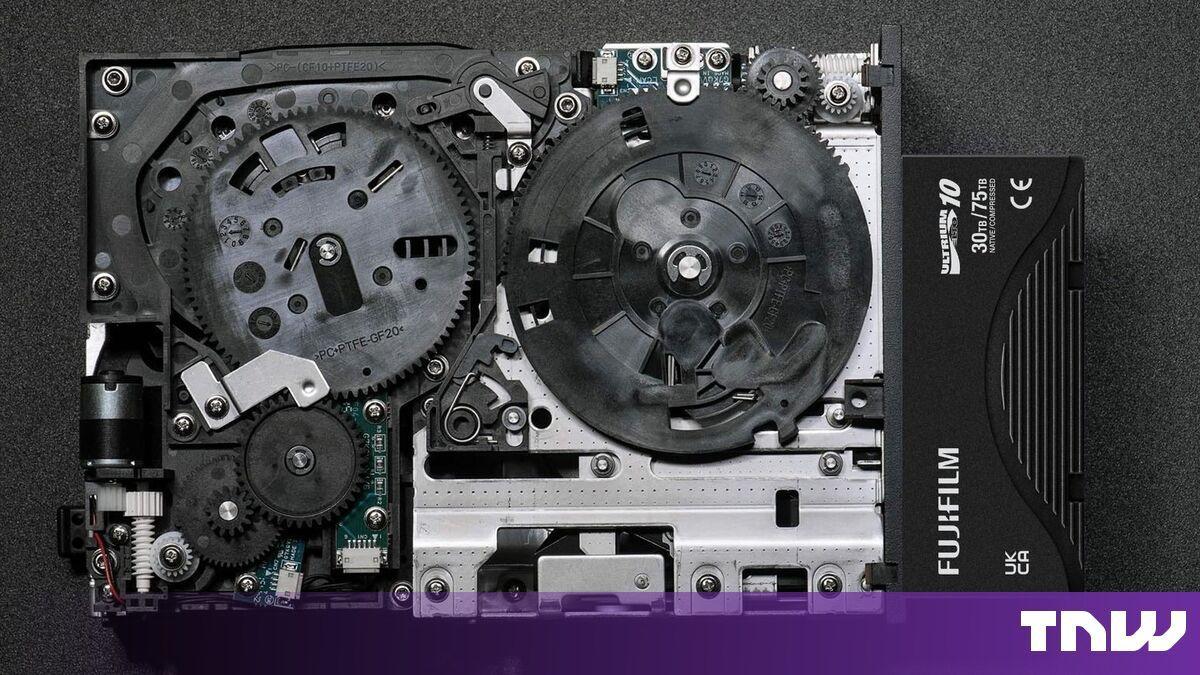
. In 2011, Fujifilm became the first to commercially produce tape with barium ferrite magnetic particles, and in 2025 it debuted the LTO Ultrium10, the first storage solution in the medium to use fine hybrid magnetic particles by combining barium ferrite with strontium ferrite technology1
. Each generation of tape has seen meaningful increases in both compressed and uncompressed storage limits1
.
Source: The Next Web
The latest LTO Ultrium10 cartridges store up to 40TB with native capacity variants of either 30TB or 40TB, and transfer data at 400 MB/s
3
. Many LTO users employ data compression to more than double the capacity of each tape cartridge3
. The LTO Program, maintained by HPE, IBM, and Quantum Corp, has already defined four more generations with LTO 11 due around 2029 reaching 70TB capacity, version 12 climbing to 120TB, version 13 shooting up to 210TB, and version 14 jumping to 365TB per cartridge3
.Market Dynamics and the Broader Storage Landscape
While shipments of LTO cartridges went backwards during 2025, when buyers purchased 160.3 exabytes worth of LTO compared to the record 176.5 exabytes sold in 2024, the LTO Program attributed this result to difficult macro-economic conditions
3
. Sales picked up strongly in the second half of 2025, and shipments rebounded in early 2026, rising 57% in the first quarter4
. The LTO Program predicted record sales in 2026, an optimistic outlook that Fujifilm clearly shares3
.A 2026 IDC survey found that 94.7% of organizations reported storing larger volumes of information after adopting artificial intelligence technologies across their operations
5
. IDC estimates that global data generation could reach 718 zettabytes by 2030, approximately four times the 2024 volume, with each zettabyte representing one billion terabytes5
.Fujifilm is far from the only storage company capitalizing on the AI data center boom. Toshiba announced plans to double hard disk production capacity amid shortages, while Kioxia plans to invest ¥5 trillion (~$37 billion) alongside SanDisk over six years to expand semiconductor memory production
5
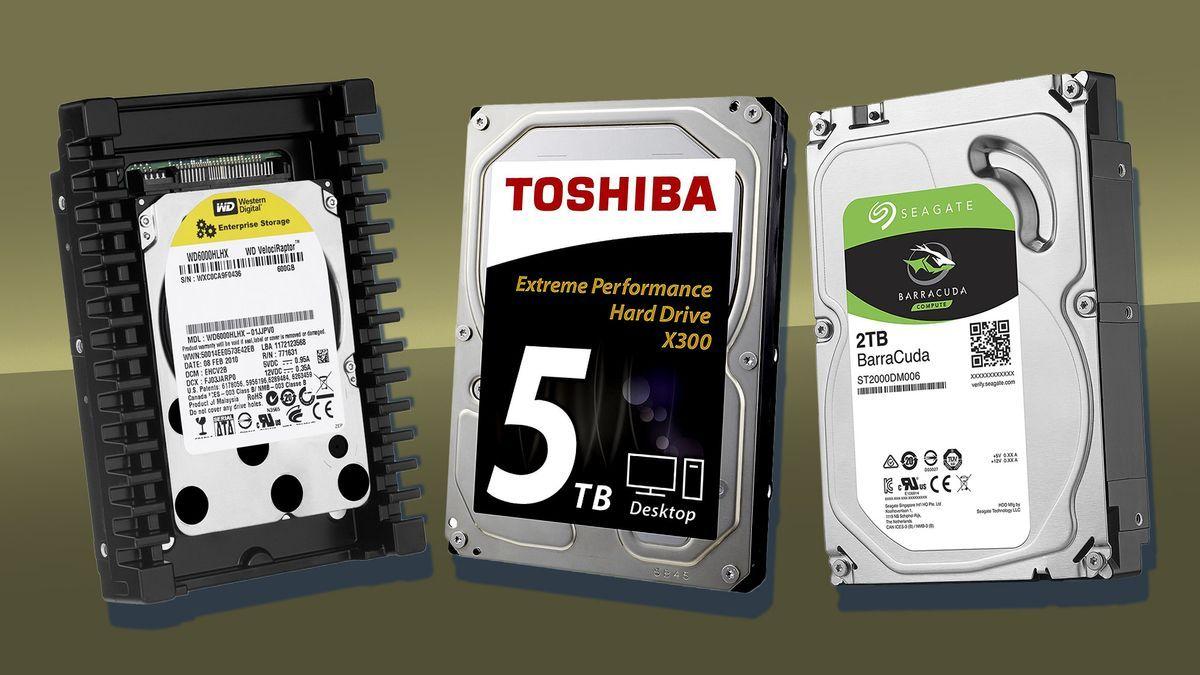
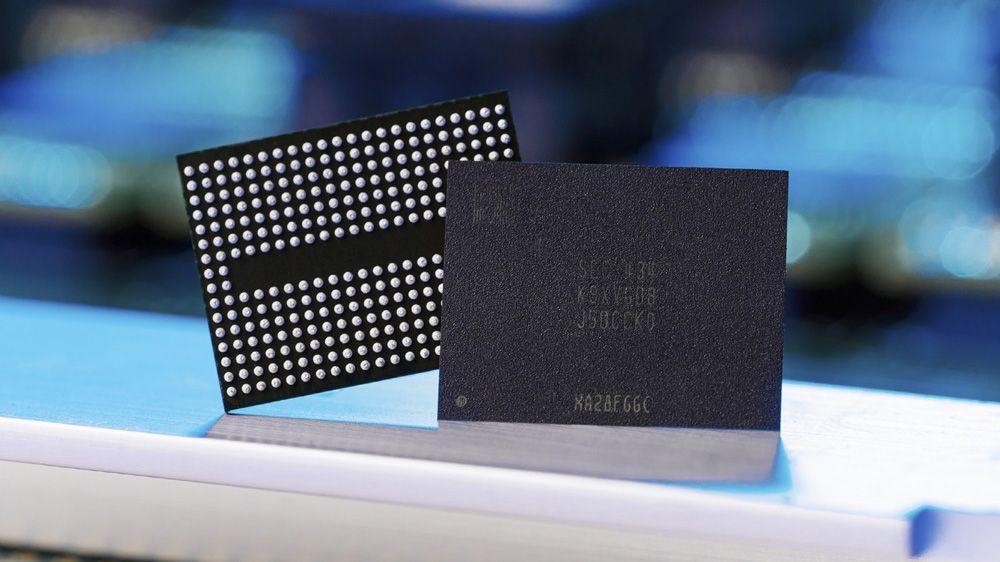
. The economics of competing storage technologies have strengthened tape's appeal as semiconductor shortages push up SSD prices and data center demand increases pressure on hard-disk drive supplies5
. Chipmaker SK Hynix indicated it expects the memory shortage to continue until 20304
. Demand for AI data center storage has driven a global shortage with little sign of improvement, causing prices to skyrocket while manufacturers divert resources away from consumer-focused products toward the more lucrative enterprise market2
. Fujifilm now holds the largest share of the global magnetic tape market based on its own estimates, positioning it to capture significant value as cloud providers and organizations worldwide seek cost-effective storage solutions for long-term data preservation4
.References
Summarized by

Navi
Related Stories
Recent Highlights
1
Anthropic AI Development Doubles Speed as Self-Improving Systems Near Breakthrough
Technology

2
Google's AI Policy Forces Schools to Accept AI Overviews or Lose Search Access Entirely
Technology

3
Jensen Huang Scandal: Nvidia CEO's Alleged Relationship with Chinese Spy Threatens US AI Dominance
Policy and Regulation

Recent Highlights
Today's Top Stories





Don’t drown in AI news. We cut through the noise - filtering, ranking and summarizing the most important AI news, breakthroughs and research daily. Follow topics that matter to you and stay ahead.


