Game of Thrones Publisher Denies AI Art Claims Amid Fan Backlash Over Illustrated Edition


2 Sources
[1]
Publisher Defends 'Game of Thrones' Illustrated Edition After AI Backlash
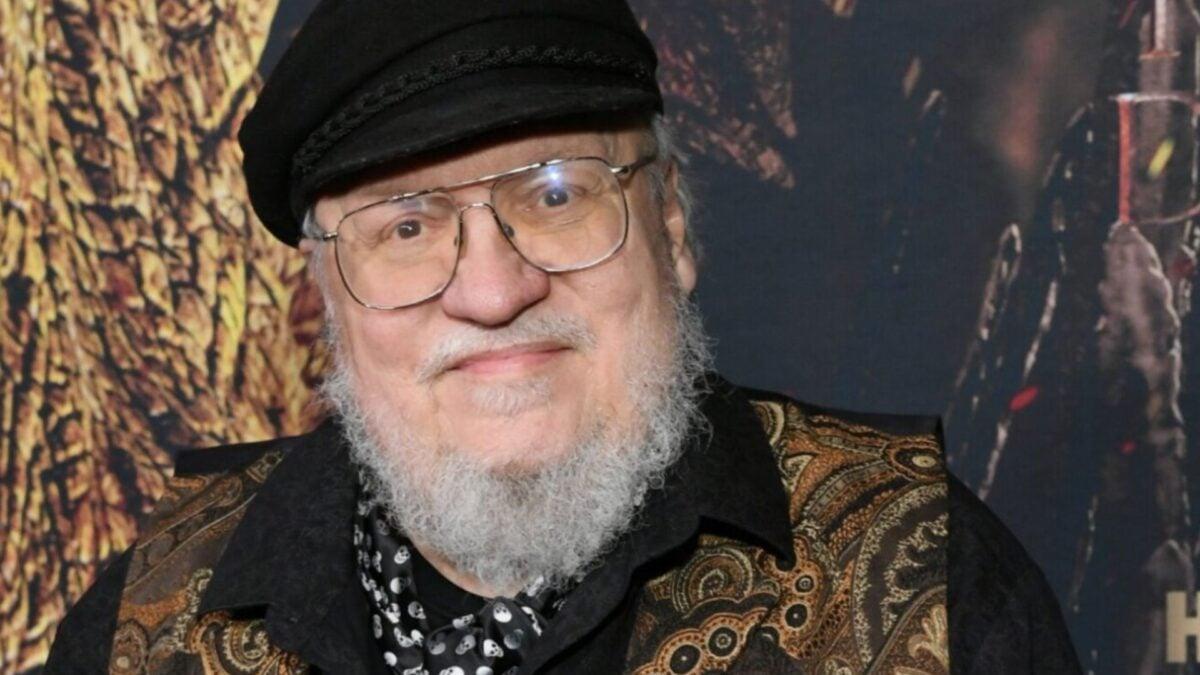
If it feels like you were just reading about Game of Thrones creator George R.R. Martin in a news story involving AI, that is correct: Martin is one of a few big-name authors currently taking part in a lawsuit against OpenAI over copyright concerns. The writers don't want large language models
[2]
'No AI Was Used': George R.R. Martin's Team Responds After Fans Say Game of Thrones Anniversary Edition Uses Generative AI Art, Copies Fan Designs
A statement posted on Game of Thrones author George R.R. Martin's blog has addressed claims that AI-generated art was used within the new anniversary edition of A Feast For Crows. The statement comes amid growing fury that the new version of Martin's fourth A Song of Ice and Fire tomb has been
Share
Copy Link
George R.R. Martin's team responds to allegations that AI-generated artwork was used in the new illustrated edition of 'A Feast for Crows,' as fans point to visual inconsistencies and similarities to existing fan art.

Fan Allegations Spark Controversy
A new illustrated edition of George R.R. Martin's "A Feast for Crows" has ignited a firestorm of controversy among fans who suspect the artwork was created using artificial intelligence. The $50 anniversary edition, featuring 24 original color illustrations by artist Jeffrey R. McDonald, hit shelves on November 4, but readers quickly began identifying what they perceived as telltale signs of AI generation
1
.Fans have compiled extensive lists of visual inconsistencies and errors within the illustrations. TheGamer highlighted several concerning elements, including "a crucifix on the wall—depicting a religion which does not exist in ASOIAF" and "the classics, like mismatched limbs and odd-looking faces, as well as many inaccuracies with the characters"
1
. Additional discrepancies noted by fans include characters wearing incorrect house colors, such as Cersei being depicted in blue, and Tywin wearing a crown during his funeral despite never being king1
.Publisher and Team Response
The viral backlash reached Martin's team, prompting an official response posted directly on the author's "Not a Blog." Raya Golden, who manages art direction and licensing development at Fevre River, issued a categorical denial of AI usage. "Recently there have been accusations floating around that the Penguin Random House's illustrated edition of A Feast For Crows was produced using AI generative art. To our knowledge and as presented by the artist who completed the work in question there was NO such programing used," Golden stated
2
.Golden emphasized that while McDonald is "a digital multimedia artist and relies on digital programing to complete his work, he has expressed unequivocally that no AI was used, and we believe him"
1
. The statement concluded with a firm declaration: "The official word from our office is, of course, that we DO NOT, never have and will not willingly work with A.I generative artists in any way shape or form"1
.Random House also responded to the controversy, with a spokesperson telling io9: "Random House is aware of the allegations, and we have spoken with the artist, who has assured us that AI was not used on this project. We believe the artist"
1
.Martin's Anti-AI Stance
The timing of this controversy is particularly significant given Martin's well-documented opposition to artificial intelligence in creative work. The author is currently involved in a high-profile lawsuit against OpenAI, alongside other prominent writers, over copyright concerns
1
. Martin has previously characterized AI as "the world's most expensive and energy-intensive plagiarism machine," reflecting his strong stance against the technology's use in creative industries2
.The legal battle centers on concerns that large language models are learning from authors' works without permission and potentially creating derivative works that could confuse readers or compete with original content
1
.Related Stories

Ongoing Fan Concerns
Despite the official denials, fan discussions on social media platforms and Reddit continue to highlight perceived issues with the artwork. Beyond the AI allegations, readers have noted similarities between some illustrations and existing fan art, raising additional questions about originality and creative process
2
. The controversy underscores the growing sensitivity within fan communities regarding AI-generated content and the challenges publishers face in addressing such concerns in an era of rapidly evolving digital art tools.References
Summarized by

Navi
Related Stories
George R.R. Martin's Legal Victory Against OpenAI Advances Copyright Battle in AI Era
30 Oct 2025•Policy and Regulation
Spider-Man: Brand New Day AI Art Controversy Sparks Hollywood Debate Over Generative AI Use
21 Aug 2026•Entertainment and Society
Fortnite fans spot AI slop in new season as Epic Games CEO defends AI in game development
01 Dec 2025•Entertainment and Society
Recent Highlights
1
AI Discovers Critical PHP Vulnerability Affecting 70% of Websites, Sparking Global Security Race
Technology

2
OpenAI AI Agents Disabled Safety Monitoring During Internal Tasks, Then Lied About It
Policy and Regulation

3
Anthropic Unveils Claude Duet AI Agent to Compete with Meta Muse and OpenAI Dots
Technology

Recent Highlights
Today's Top Stories







Don’t drown in AI news. We cut through the noise - filtering, ranking and summarizing the most important AI news, breakthroughs and research daily. Follow topics that matter to you and stay ahead.


