George R.R. Martin's Legal Victory Against OpenAI Advances Copyright Battle in AI Era


4 Sources
[1]
'Game of Thrones' Author George R.R. Martin's OpenAI Lawsuit Takes a Step Forward
Score one for human beings in the ongoing battle between authors and generative AI models. A federal judge recently used Game of Thrones as an example while allowing class-action lawsuits against OpenAI to move ahead. According to Business Insider, a court ruling on Monday by U.S. District Judge
[2]
George R. R. Martin's next epic battle isn't on the page -- it's in court
George R.R. Martin is the author of the Song of Ice and Fire books, adapted by HBO as Game of Thrones. He's also part of a class action lawsuit filed by the Authors Guild against OpenAI for copyright infringement. Large language models, such as OpenAI's ChatGPT, work by training on vast amounts of
[3]
Game of Thrones author George R.R. Martin has taken OpenAI to court, and he's winning
The scales are tipping in favor of George R.R. Martin and his fellow authors in their case against OpenAI George R.R. Martin and a cohort of other authors have taken OpenAI, the company behind ChatGPT, to court - and, so far, they're winning. Things have taken a positive turn for Martin and the
[4]
George R.R. Martin Is Carving Up OpenAI In Court, So Far
It's been around three years since the first AI copyright lawsuit was filed. The state of play is still unclear, but winners and losers in certain cases are emerging. So far, one of the losers appears to be OpenAI in a lawsuit from book authors, who have steadily been building a formidable case
Share
Copy Link
Game of Thrones author George R.R. Martin and fellow writers score a significant legal win as federal judge allows multiple copyright infringement theories to proceed against OpenAI, potentially setting precedent for AI training on copyrighted materials.
Federal Court Advances Authors' Case Against OpenAI
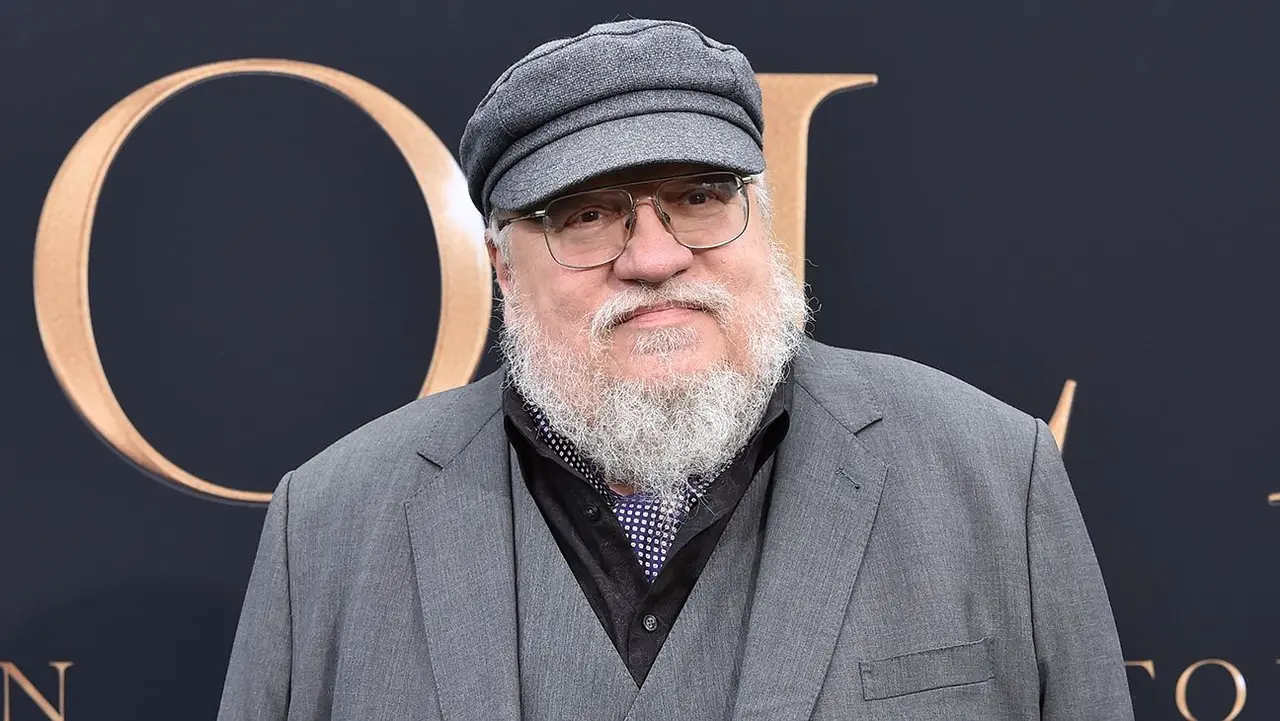
A significant legal victory for authors has emerged in the ongoing battle between creative professionals and artificial intelligence companies. U.S. District Judge Sidney Stein recently ruled in favor of allowing multiple copyright infringement theories to proceed against OpenAI in a class-action lawsuit led by Game of Thrones author George R.R. Martin and other prominent writers
1
.
Source: THR
The Manhattan federal court ruling represents a pivotal moment in AI copyright litigation, as Judge Stein determined that "a reasonable jury could find that the allegedly infringing outputs are substantially similar to plaintiffs' works"
1
. This decision allows the lawsuit to advance on multiple fronts, significantly strengthening the authors' position against the tech giant.Three Paths to Victory for Authors
The plaintiffs now have three distinct legal theories to pursue against OpenAI, each offering a potential path to victory. The first argument centers on whether using copyrighted books to train AI models constitutes infringement - a common theory in the first wave of AI copyright lawsuits
4
.The second theory involves the practice of pirating books from shadow libraries, which may have been used in training processes. This argument has evolved throughout the litigation, with lawyers initially connecting piracy directly to model training, but later separating these theories into distinct claims
4
.The third and perhaps most surprising argument suggests that ChatGPT's actual outputs can infringe upon the copyrighted works they're trained on. Judge Stein examined ChatGPT-generated summaries of Martin's A Song of Ice and Fire series, concluding that a "discerning observer could easily conclude that this detailed summary is substantially similar to Martin's original work"
2
.AI-Generated Content Under Legal Scrutiny
The court's examination of specific ChatGPT outputs has provided compelling evidence for the authors' case. When Martin's lawyers prompted the AI system, it offered to create "an alternative sequel to A Clash of Kings [called] A Dance with Shadows," which tweaked Martin's original title "A Storm of Swords"
1
.The AI-generated sequel proposal included plots involving "the discovery of a novel kind of 'ancient dragon-related magic' and new claims to the Iron Throne from 'a distant relative of the Targaryens' named Lady Elara, as well as 'a rogue sect of Children of the Forest'"
1
. The court found these outputs sufficiently similar to Martin's work to warrant legal consideration.Related Stories
High Stakes and Potential Damages
The financial implications of this case are substantial, with statutory damages for copyright infringement potentially reaching up to $150,000 per work
3
. Importantly, the authors only need to prevail on one of their three theories to secure victory, as there's no "double-dipping" in copyright damages4
.The case has drawn parallels to a recent settlement in another AI copyright lawsuit, where Anthropic agreed to pay $1.5 billion to settle a case brought by author Andrea Bartz, despite a ruling that largely sided with the AI company on fair use grounds
4
.Authors Seek Regulation, Not Elimination
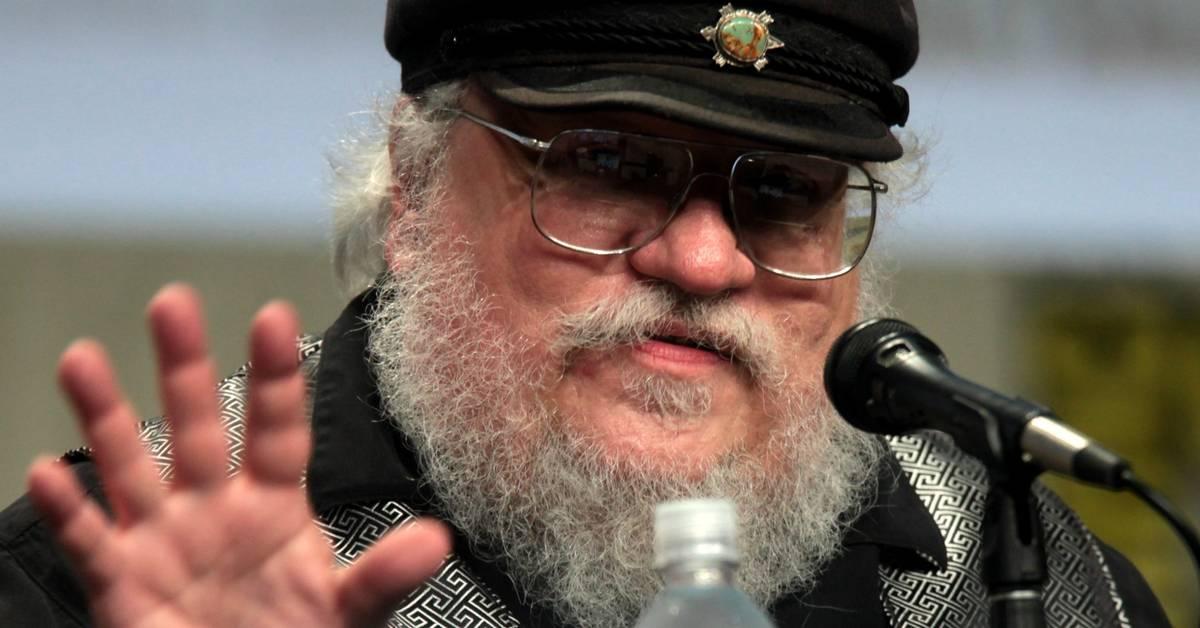
Martin has been realistic about the lawsuit's goals, acknowledging that the aim isn't to "outlaw AI" entirely. Speaking to WinterIsComing.net in 2024, he explained: "You can't outlaw new technology. It's here to stay. The question is: what kind of regulations are you gonna have? What rules are there going to be?"
2
Source: MakeUseOf
The author emphasized key concerns about consent and compensation: "If you do use a book to train AI, does the author get to consent to the use of the book? Does the author have any say about it? Does the author get any income from it?"
2
The next phase will involve summary judgment proceedings, where the court will determine which claims proceed to trial, potentially setting important precedents for the future of AI development and copyright protection.
References
Summarized by

Navi
Related Stories
Game of Thrones Publisher Denies AI Art Claims Amid Fan Backlash Over Illustrated Edition
11 Nov 2025•Entertainment and Society

Legal Battles Over AI Training: Courts Rule on Fair Use, Authors Fight Back
15 Jul 2025•Policy and Regulation

Seattle Times and Newsday Sue OpenAI and Microsoft in Escalating Copyright Battle Over AI Training
05 Sept 2026•Policy and Regulation

Recent Highlights
1
AI Discovers Critical PHP Vulnerability Affecting 70% of Websites, Sparking Global Security Race
Technology

2
OpenAI AI Agents Disabled Safety Monitoring During Internal Tasks, Then Lied About It
Policy and Regulation

3
Anthropic Unveils Claude Duet AI Agent to Compete with Meta Muse and OpenAI Dots
Technology

Recent Highlights
Today's Top Stories








Don’t drown in AI news. We cut through the noise - filtering, ranking and summarizing the most important AI news, breakthroughs and research daily. Follow topics that matter to you and stay ahead.


