Gary Marcus: The Persistent Skeptic of Generative AI's Promise


2 Sources
[1]
Generative AI's most prominent skeptic doubles down
Vancouver (AFP) - Two and a half years since ChatGPT rocked the world, scientist and writer Gary Marcus still remains generative artificial intelligence's great skeptic, playing a counter-narrative to Silicon Valley's AI true believers. Marcus became a prominent figure of the AI revolution in
[2]
Generative AI's most prominent skeptic doubles down
Many believe humanity stands on the cusp of achieving super intelligence or artificial general intelligence (AGI) technology that could match and even surpass human capability. That optimism has driven OpenAI's valuation to $300 billion, unprecedented levels for a startup, with billionaire Elon
Share
Copy Link
Gary Marcus, a prominent AI skeptic, challenges the hype surrounding generative AI and large language models, advocating for alternative approaches to achieve true artificial intelligence.
The Persistent Skeptic in a Sea of AI Optimism
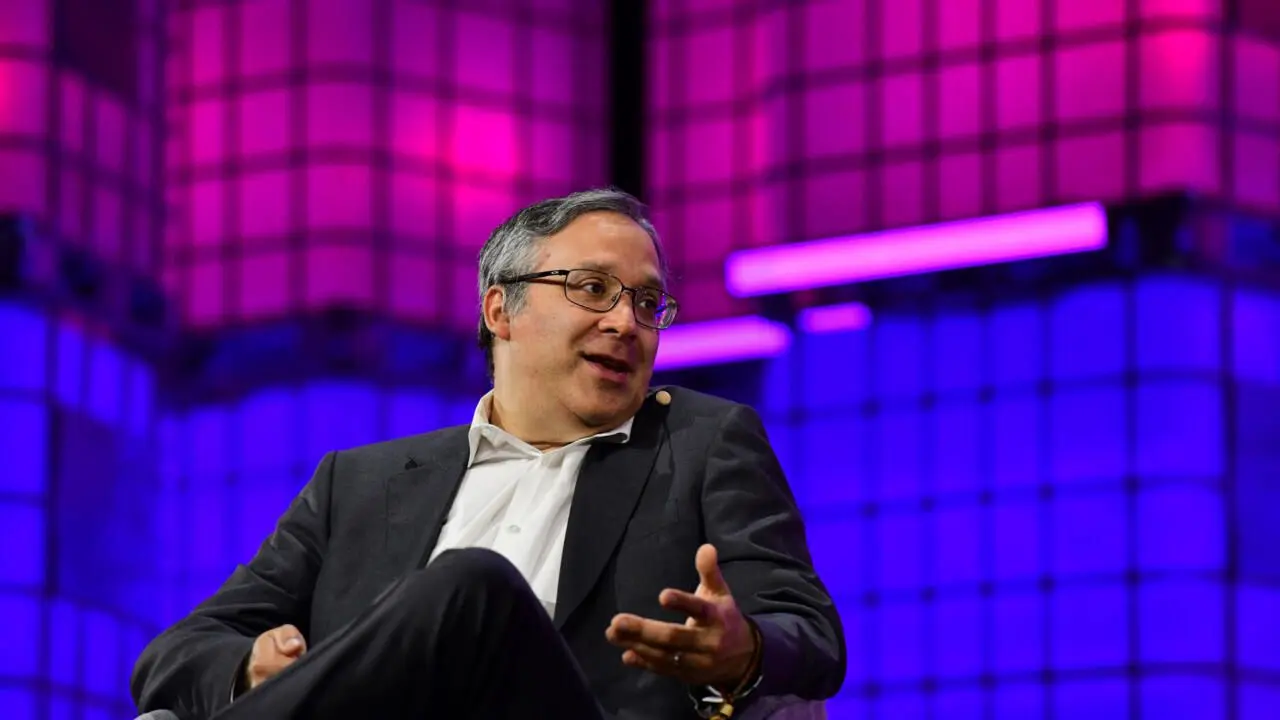
Two and a half years after ChatGPT's debut, scientist and writer Gary Marcus continues to be generative artificial intelligence's most prominent skeptic. At the Web Summit in Vancouver, Canada, Marcus reiterated his counter-narrative to Silicon Valley's AI enthusiasm, challenging the fundamental promises of the technology
1
.
Source: France 24
Criticizing the Current AI Approach
Marcus's skepticism is rooted in his belief that generative AI, particularly the large language models (LLMs) powering it, is inherently flawed. He argues that these models will never fulfill the grand promises made by Silicon Valley. "I'm skeptical of AI as it is currently practiced," Marcus stated, adding, "I think AI could have tremendous value, but LLMs are not the way there"
1
.The Limitations of Generative AI
Despite the hype surrounding generative AI, Marcus points out that its practical gains remain limited. The technology primarily excels at coding assistance and text generation for office work. AI-generated images, while entertaining, often serve as memes or deepfakes with little tangible benefit to society or business
2
.Advocating for Alternative Approaches

Source: ET
As a longtime New York University professor, Marcus champions a fundamentally different approach to building AI. He advocates for neurosymbolic AI, which attempts to rebuild human logic artificially rather than training computer models on vast datasets. Marcus warns that the current focus on LLMs may starve out potentially superior alternative approaches
1
.The Persistent Problem of Hallucinations
One of the most significant issues with current AI technology is its tendency to produce confident-sounding mistakes, known as hallucinations. Marcus recalls a telling exchange with LinkedIn founder Reid Hoffman, who was overly optimistic about solving this problem quickly. This persistent flaw undermines the reliability of generative AI in many professional contexts
2
.Related Stories

Concerns About Data Monetization and Surveillance
Looking ahead, Marcus warns of potential darker consequences as investors realize generative AI's limitations. He predicts that companies like OpenAI may turn to monetizing user data to satisfy investors seeking returns. "The people who put in all this money will want their returns, and I think that's leading them toward surveillance," Marcus cautioned, highlighting potential Orwellian risks for society
1
.The Future of AI Applications
While critical of the current trajectory, Marcus acknowledges that generative AI will find useful applications in areas where occasional errors are less consequential. He sees potential in "auto-complete on steroids" for coding and brainstorming. However, he remains skeptical about the profitability of these applications, citing high operational costs and lack of product differentiation
2
.References
Summarized by

Navi
[1]
Related Stories
AI Giants Face Challenges as Progress Slows: The Quest for Meaningful Advancements in 2025
20 Dec 2024•Technology

AI's Meteoric Rise Showing Signs of Slowing: Industry Insiders Report Diminishing Returns
11 Nov 2024•Technology

OpenAI's Bold Claims on AGI and Superintelligence Spark Debate
06 Jan 2025•Technology

Recent Highlights



Recent Highlights
Today's Top Stories







Don’t drown in AI news. We cut through the noise - filtering, ranking and summarizing the most important AI news, breakthroughs and research daily. Follow topics that matter to you and stay ahead.


